
Leasing a car can feel confusing the first time you hear about it. You may wonder, “Is it like renting? Do I own the car? Is it the right choice for me? ” I’ve been through the process myself, and I remember the questions and the surprises.
In this article, I’ll explain how leasing a car works, using simple words and short sentences. You’ll see real examples, clear tables, and even a story from my own experience. By the end, you’ll feel ready to decide if car leasing makes sense for you.
What Is Car Leasing?
Car leasing means you drive a car for a set time (often two to four years) and pay a monthly fee. You don’t own the car. It’s a bit like renting, but for a longer time. At the end, you give the car back or sometimes you can buy it.
Most people lease new cars. Some companies also offer leases for used cars. The biggest difference from buying is that you’re paying to use the car, not to own it.
How Car Leasing Works: Step By Step
Let’s break down the process:
- Choose the car you want to lease. This is usually a new car from a dealer.
- Pick your lease terms. Common leases last 24, 36, or 48 months.
- Estimate your miles. Most leases come with a yearly mileage limit (often 10,000 to 15,000 miles).
- Check your monthly payment. This depends on the car price, length of lease, and how much you pay upfront.
- Sign the contract. You agree to the rules, such as maintenance and returning the car in good shape.
- Drive the car. Enjoy it, but stay under the mileage limit.
- Return the car at the end. You can sometimes buy the car, or just lease another one.
Key Terms You Need To Know
Here are some important words you’ll see in car leasing:
- Capitalized cost: The price of the car for the lease.
- Residual value: What the car will be worth at the end of the lease.
- Money factor: The lease’s interest rate (often shown as a small decimal).
- Disposition fee: A fee you pay when you return the car.
- Acquisition fee: A fee to start the lease.
- Mileage limit: How many miles you can drive per year without extra charges.
- Excess wear: Damage or wear that is more than “normal use.”
Why Do People Lease Cars?
Many people like leasing because:
- Lower monthly payments compared to buying.
- You get a new car every few years.
- The car is usually under warranty, so repairs cost less.
- No worry about selling or trading the car at the end.
But leasing isn’t for everyone. If you want to own a car for many years, leasing may cost more in the long run.
Credit: www.koonssilverspringford.com
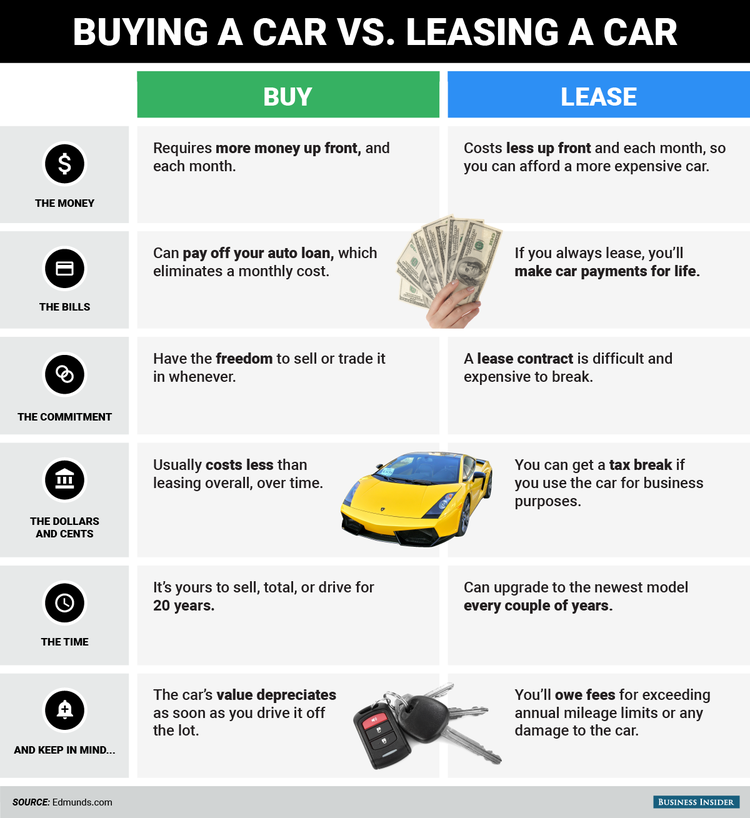
Leasing Vs. Buying: Simple Comparison
Here’s a quick look at the differences:
| Feature | Leasing | Buying |
|---|---|---|
| Ownership | No | Yes |
| Monthly Payment | Usually lower | Usually higher |
| Down Payment | Often lower | Can be higher |
| Mileage Limit | Yes | No |
| End of Term | Return or buy | Keep or sell |
| Customization | Limited | Full freedom |
How Lease Payments Are Calculated
Lease payments are not random. Here’s what makes up your payment:
- Depreciation: The car’s value drop during your lease.
- Interest (money factor): The cost to borrow the car.
- Fees: Such as acquisition and disposition fees.
- Taxes: State and local taxes may apply.
Let’s use a simple example. Suppose you lease a car that costs $30,000. After three years, the car will be worth $18,000. That means you pay for $12,000 of value (plus interest and fees) over your lease.
Credit: www.eautolease.com
Example Lease Payment Breakdown
Here’s a typical calculation:
| Item | Amount |
|---|---|
| Car Price (Capitalized Cost) | $30,000 |
| Residual Value (after 3 years) | $18,000 |
| Depreciation Paid by You | $12,000 |
| Interest & Fees | $2,000 |
| Total Lease Cost | $14,000 |
| Monthly Payment (before tax) | $389 |
Types Of Car Leases
There are two main types:
Closed-end Lease
This is the most common type. You return the car at the end, and if it’s in good shape with normal miles, you walk away. You don’t worry about the car’s value.
Open-end Lease
Here, you might pay extra if the car’s value at the end is less than expected. This is more common for business leases.
For most people, closed-end leases are better because they’re simpler and have fewer risks.
Common Lease Terms Explained
Most leases last 24, 36, or 48 months. The longer the lease, the lower the payment—but you may pay more in the end because of extra fees or wear.
Mileage limits are important. If you drive more than the limit, you pay extra (often 15 to 30 cents per mile). If you drive less, you don’t get money back.
Upfront costs include the first payment, down payment, and fees. These can range from $1,000 to $3,000 or more.
What Happens At The End Of A Lease?
You have three main choices:
- Return the car. Walk away after paying any extra fees.
- Buy the car. Pay the set price (residual value) in your contract.
- Lease a new car. Start a new lease with a new car.
If you return the car, it will be checked for damage and for extra miles. If you have scratches, dents, or stains, you may pay more.
What You’re Responsible For
When you lease, you must:
- Keep the car in good shape.
- Stay under the mileage limit.
- Do regular maintenance (oil changes, tires, etc. ).
- Carry the right insurance (often higher than normal).
If you damage the car, you may pay at the end. If you go over the miles, you’ll get a bill.
Real-life Experience: My First Lease
The first time I leased a car, I felt nervous. I needed a reliable car for work, but I didn’t want a big loan. Leasing looked simple, and the payments were lower. I picked a small sedan with a 36-month lease and a 12,000-mile limit.
After three years, I had only 10,000 miles—much less than the limit. The car was in great shape because I kept it clean and did every oil change. When I returned it, I paid only a small fee. The process was much easier than selling a used car.
If you’re careful with your car and don’t drive too much, leasing can be stress-free.
Pros And Cons Of Leasing
Let’s look at the main benefits and drawbacks.
Pros
- Lower monthly payments mean you may afford a nicer car.
- You always drive a newer car with the latest safety and tech.
- Most repairs are covered under warranty.
- No worries about selling or trade-in value at the end.
Cons
- You don’t own the car—you’re just borrowing it.
- Mileage limits can be a problem for long-distance drivers.
- Customizing the car isn’t allowed (no big changes or stickers).
- Over time, leasing again and again can cost more than buying and keeping a car.
When Leasing Makes Sense
Leasing works best if:
- You like driving a new car every few years.
- You want predictable payments and fewer repair costs.
- You drive a normal amount (not too many miles).
- You take good care of cars.
But, if you drive a lot, want to keep a car for a long time, or like to customize, buying may be better.
Who Should Avoid Leasing?
Leasing may not be for you if:
- You drive more than 15,000 miles per year.
- You want to own your car for many years.
- You use your car for rough work (like construction).
- You want to make big changes to your car.
How To Get The Best Lease Deal
Here are my top tips after years of experience:
- Negotiate the car price, not just the monthly payment. Dealers may offer low payments but charge more for the car.
- Look for lease specials. Many car companies run deals with extra-low payments.
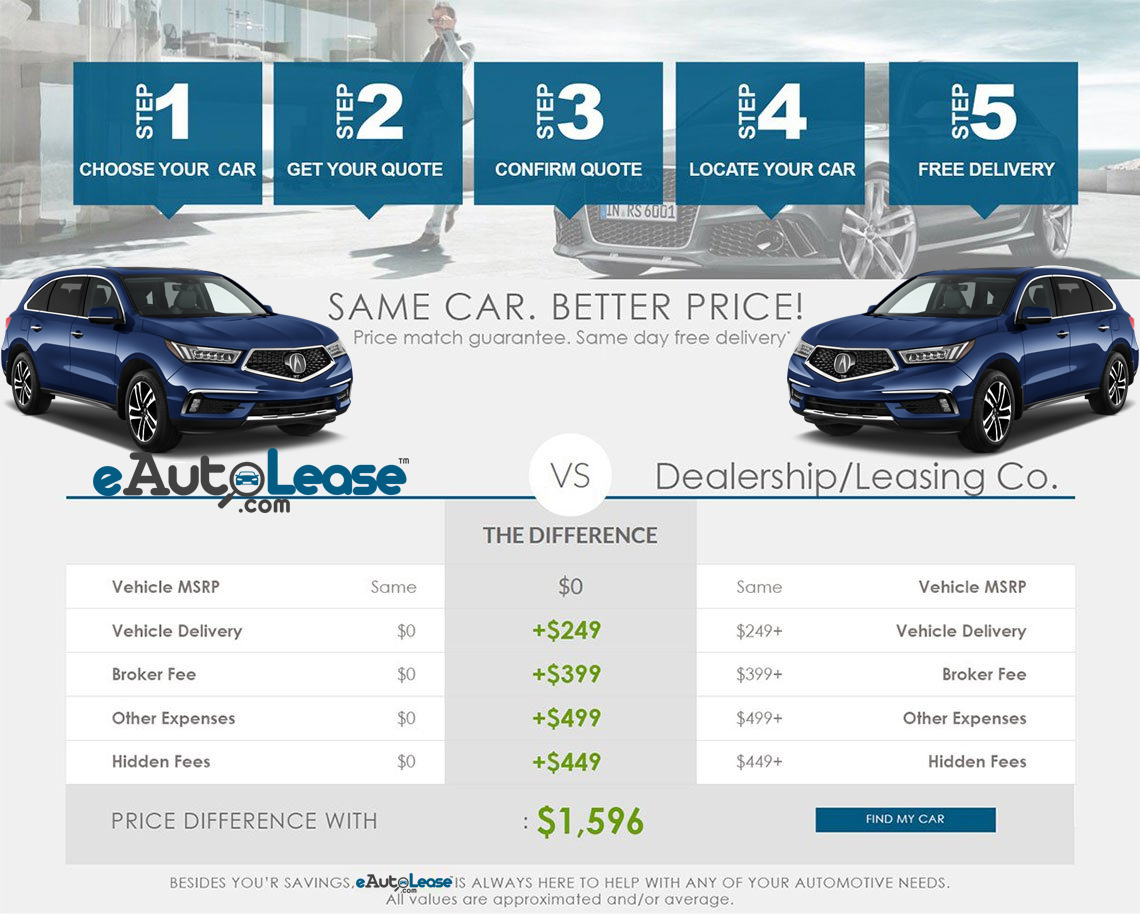
- Check all fees. Ask about acquisition, disposition, and any hidden fees.
- Read the fine print. Make sure you understand mileage limits, wear-and-tear rules, and what happens at the end.
- Compare the money factor. This is the interest rate. A lower money factor means a cheaper lease.
- Consider gap insurance. This pays the difference if your leased car is totaled and the insurance payout is less than the car’s value.

Credit: www.eautolease.com
What Surprises Most First-time Leasers
From my experience and talking to others, here are two things people often miss:
- Excess wear charges can add up. Even small scratches or stains may cost you at the end. Take care of the car, and fix small things before you return it.
- Lease-end fees are real. Many people don’t know about the disposition fee (often $300-$500) when you return the car. Plan for this cost.
Leasing And Credit Scores
To lease a car, you need a good credit score. Most companies want a score of 700 or above. If your score is lower, you may pay more or need a bigger down payment.
If you make all payments on time, leasing can help build your credit history.
Leasing A Used Car: Is It Possible?
Yes, some dealers offer used car leases. These are less common, and the savings may be smaller. Used leases can be good if you want a low payment and don’t mind an older car. Check the car’s history and warranty before you sign.
Special Types Of Leases
Some people may hear about:
- Single-payment leases: You pay all the lease costs upfront. This can save money but is risky if you lose or crash the car.
- Subleasing: Taking over someone else’s lease. This can be a cheap way to lease for a short time, but make sure you understand the contract.
How Leasing Works For Businesses
Businesses lease cars to save money and keep their fleets up to date. The rules are similar, but there may be tax advantages for companies. For business owners, talk to a tax expert to learn more.
Leasing Trends In 2026
Leasing is still popular in the US, but things have changed. Due to recent supply chain issues, some monthly payments are higher than before. Electric and hybrid cars are now easier to lease, and many brands offer deals to attract drivers. According to recent data, about 20% of new cars in the US are leased as of early 2026.
Electric And Hybrid Car Leasing
Leasing an electric vehicle (EV) or hybrid can be smart. Technology is changing fast, and you avoid long-term risks. Some states offer extra rebates for leasing EVs. Be sure to ask about home charging and warranty coverage.
Things To Watch Out For
- Early termination fees: If you end your lease early, you may pay a big penalty.
- Wear-and-tear rules: Some companies are stricter than others. Ask for a list of what counts as “normal” wear.
- Gap insurance: Not all leases include this. It protects you if your car is lost or totaled.
Leasing Vs. Subscription Services
Some car companies now offer car subscriptions. You pay one fee, and it covers the car, insurance, and maintenance. You can swap cars every few months. These are more expensive but offer more freedom. Compare carefully before you choose.
Here’s a comparison:
| Feature | Leasing | Subscription |
|---|---|---|
| Car Choice | One car for the lease | Swap cars often |
| Included Services | Car, sometimes maintenance | Car, insurance, maintenance |
| Monthly Cost | Lower | Higher |
| Flexibility | Fixed term | More flexible |
Leasing Myths Vs. Facts
Many people believe these myths:
- “Leasing is always cheaper.” Not true—sometimes buying and keeping a car is cheaper over many years.
- “You can’t negotiate a lease.” You can! Negotiate the car price, fees, and even the money factor.
- “Only businesses lease cars.” Many regular people lease, not just companies.
Final Thoughts: Should You Lease A Car?
Leasing a car can be a smart choice for some and a bad fit for others. If you love new cars, want lower payments, and don’t drive too much, leasing is worth a look. If you want to own a car for a long time, or if you drive a lot, buying may be better.
From my personal experience, leasing made sense when I needed a safe, reliable car for a short time. I liked the simple payments and not worrying about repairs. But when I wanted to keep a car for many years, buying was the clear winner.
Take your time, run the numbers, and ask questions at the dealership. Always read the contract. If you do your homework, you’ll avoid surprises and drive away happy.
If you want to learn more about different types of car leases, check out this Wikipedia page on vehicle leasing.
Frequently Asked Questions
What Happens If I Go Over My Mileage Limit?
If you drive more miles than your lease allows, you pay a fee for each extra mile. This can be 15 to 30 cents per mile, so extra miles can add up fast.
Can I End My Lease Early?
Yes, but you may pay a big fee. Early termination fees can be thousands of dollars. Always read your contract and ask the dealer before you sign.
Is Leasing Better Than Buying For Tax Reasons?
For most people, there are no big tax benefits to leasing. But if you use your car for business, some lease costs may be tax-deductible. Ask a tax expert for your situation.
Can I Lease A Used Car?
Yes, some dealers offer used car leases. These are less common, and the payments may not be much lower. Check the car’s history and warranty.
What Do I Need To Qualify For A Car Lease?
You need a good credit score (usually 700+), proof of income, and a valid driver’s license. The better your credit, the lower your payment.
Leasing a car doesn’t have to be confusing. With the right knowledge and a little planning, you can find a deal that fits your needs—and drive with confidence.