How Much Do All Terrain Tires Cost: 2026 Price Guide
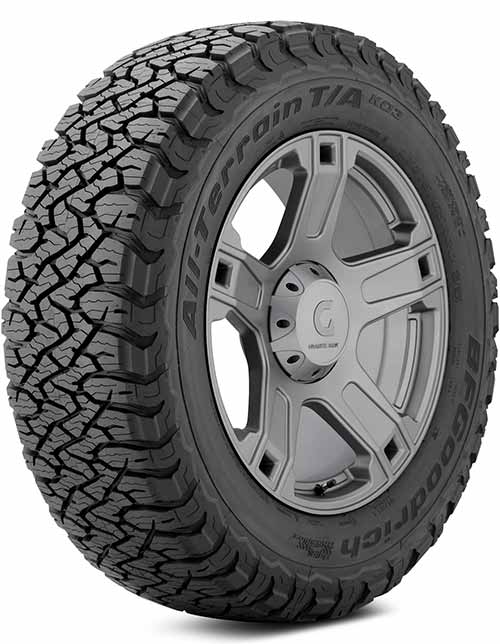
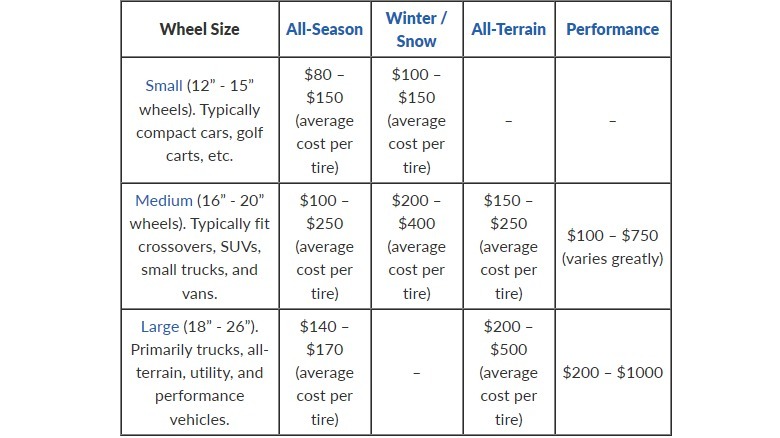
All-terrain tires usually cost $120 to $500 per tire in the United States. A full set of four often costs $600 to $2,000 before installation. After mounting, balancing, taxes, tire disposal, and related services, a realistic total is about $800 to $2,500.
Smaller tires for crossovers and light SUVs tend to sit at the lower end. Large 17-, 18-, 20-, and 22-inch tires for pickup trucks can cost much more. Heavy-duty LT all-terrain tires also cost more than passenger-rated tires because they use stronger construction and carry heavier loads.
Your vehicle, tire size, load rating, brand, driving needs, and local shop prices all affect the final bill.
Typical All-Terrain Tire Prices in the USA
A single all-terrain tire commonly falls into one of these price ranges:
| Tire type | Typical price per tire | Typical set of four |
|---|---|---|
| Budget crossover or SUV tire | $120–$190 | $480–$760 |
| Mid-range SUV or light-truck tire | $170–$280 | $680–$1,120 |
| Premium all-terrain tire | $240–$400 | $960–$1,600 |
| Large or heavy-duty LT tire | $280–$500+ | $1,120–$2,000+ |
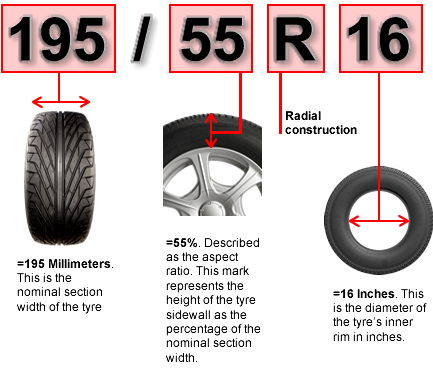
These are planning ranges, not fixed prices. Retail prices change by tire size, season, promotions, stock, and retailer. A 265/70R17 tire may cost far less than a 35×12.50R20 tire, even when both are marketed as all-terrain tires.
A basic set for a compact SUV may cost less than $700. A premium set for a full-size pickup may cost more than $1,500. A large set for a lifted truck can exceed $2,000 before installation.
What Changes the Price of All-Terrain Tires?
The tire’s size and construction have the greatest effect on price. Brand name matters, but it is only one part of the total cost.
Tire size
Larger tires need more rubber, stronger materials, and larger molds. They also have lower production volume in some sizes.
For example:
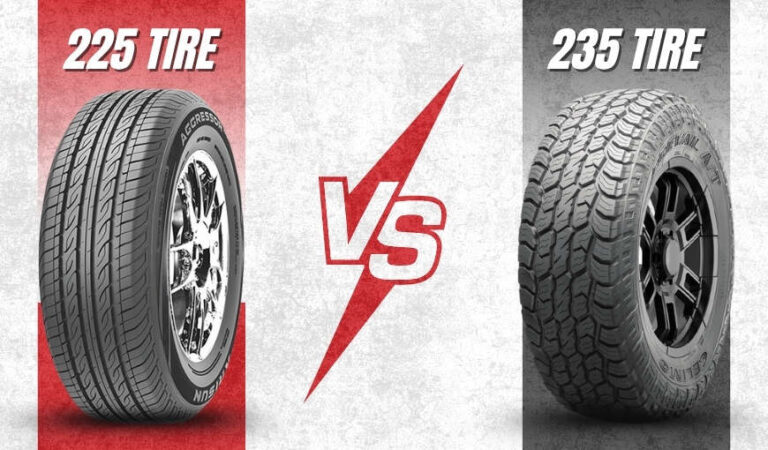
- A 225/65R17 all-terrain tire for a crossover may cost $130 to $220.
- A 265/70R17 tire for a half-ton pickup may cost $180 to $320.
- A 285/70R17 or 285/75R16 tire may cost $220 to $380.
- A 35×12.50R20 tire may cost $300 to $500 or more.
Do not choose a larger tire only because it looks better. A different tire size can affect speedometer accuracy, suspension clearance, braking, fuel use, steering, and the vehicle’s load capacity.
Passenger-rated versus LT-rated tires
Passenger-rated tires often have a smoother ride and lower price. They are common on crossovers, family SUVs, and light-duty trucks used mainly on pavement.
LT tires are built for heavier loads and demanding work. They often have:
- Stronger sidewalls
- Higher load ratings
- More durable casing materials
- Greater resistance to punctures in some conditions
- A firmer ride
- Higher purchase and replacement costs
LT tires are not automatically better for every driver. If you use a half-ton truck for commuting and light travel, a passenger-rated or C-metric all-terrain tire may provide better comfort and lower cost. If you carry heavy loads or tow often, the correct LT tire may be the safer choice.
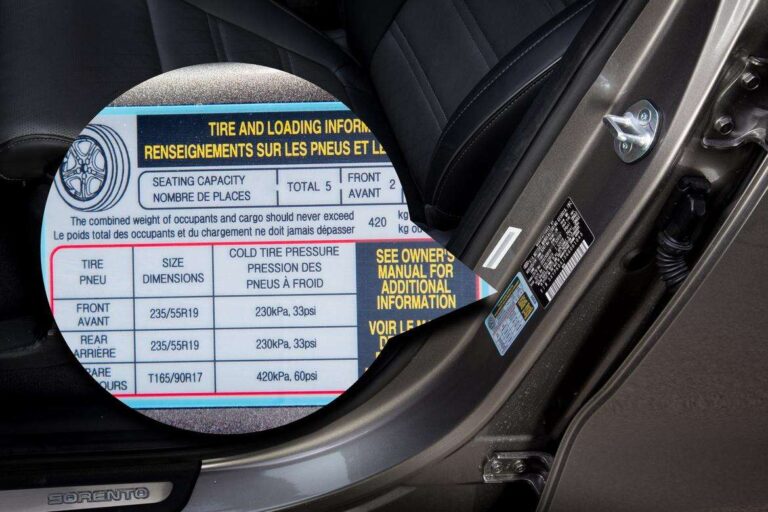
Always follow the vehicle placard and owner’s manual. Do not install a tire with a load rating below the vehicle maker’s requirement.
Brand and tire design
premium tires often cost more because of their tread compounds, casing design, testing, warranty terms, and market position. Some are designed for quiet highway use. Others focus on mud, rocks, snow, or heavy loads.
An all-terrain tire is a compromise. It may provide more off-road grip than a highway tire, but it can produce more road noise and use more fuel. A tire with an aggressive tread may also wear faster on pavement if it is poorly maintained or driven hard.
Severe-snow rating
Some all-terrain tires carry the Three-Peak Mountain Snowflake symbol, also called the 3PMSF symbol. This means the tire meets a defined snow-traction performance requirement for severe snow service.
The symbol does not mean the tire is a dedicated winter tire. It also does not guarantee safe traction on ice. Still, it can matter for drivers in states such as Colorado, Montana, Utah, Wyoming, Michigan, and parts of New England.
A 3PMSF-rated tire may cost more than a similar all-terrain tire without that rating.
Local supply and promotions
Prices can change based on:
- Tire shortages
- Seasonal demand
- Rebates
- Online sales
- Installation packages
- Shipping costs
- Regional labor rates
- The number of tires in stock
Shopping during a rebate period may lower the final cost. However, compare the full installed price. A low tire price can be offset by shipping, mounting, or disposal fees.
How Much Does It Cost to Install All-Terrain Tires?
Installation usually adds $20 to $60 per tire, or about $80 to $240 for four tires. Some shops charge more for large wheels, LT tires, run-flat tires, oversized tires, or difficult vehicles.
A typical installation bill may include:
| Service | Common USA price range |
|---|---|
| Mounting and balancing | $20–$50 per tire |
| Tire disposal | $2–$10 per tire |
| New valve stems | $3–$10 per tire |
| Tire pressure sensor service | $0–$25 per tire |
| Road-hazard coverage | $10–$40 per tire |
| Four-wheel alignment | $100–$250 |
| Shipping | $0–$150 for a set |
Some retailers include mounting and balancing in the tire price. Others list each fee separately.
A normal tire replacement does not always require an alignment. An alignment is more useful when the vehicle pulls to one side, the steering wheel is off-center, or the old tires show uneven wear. If you install a different tire size or have changed the suspension, ask the shop whether an alignment check is needed.
Example installed costs
Example 1: Compact SUV
- Four tires at $170 each: $680
- Mounting and balancing: $120
- Disposal and valve stems: $32
- Sales tax: varies by state
- Estimated total before tax: $832
Example 2: Half-ton pickup
- Four tires at $260 each: $1,040
- Mounting and balancing: $160
- Disposal and valve stems: $40
- Estimated total before tax: $1,240
Example 3: Heavy-duty pickup
- Four LT tires at $360 each: $1,440
- Mounting and balancing: $200
- Disposal and valve stems: $45
- Alignment check or service: $0–$200
- Estimated total before tax: $1,685 to $1,885
These examples are hypothetical calculations. Your local quote may differ.
What Is the Total Cost of Owning All-Terrain Tires?
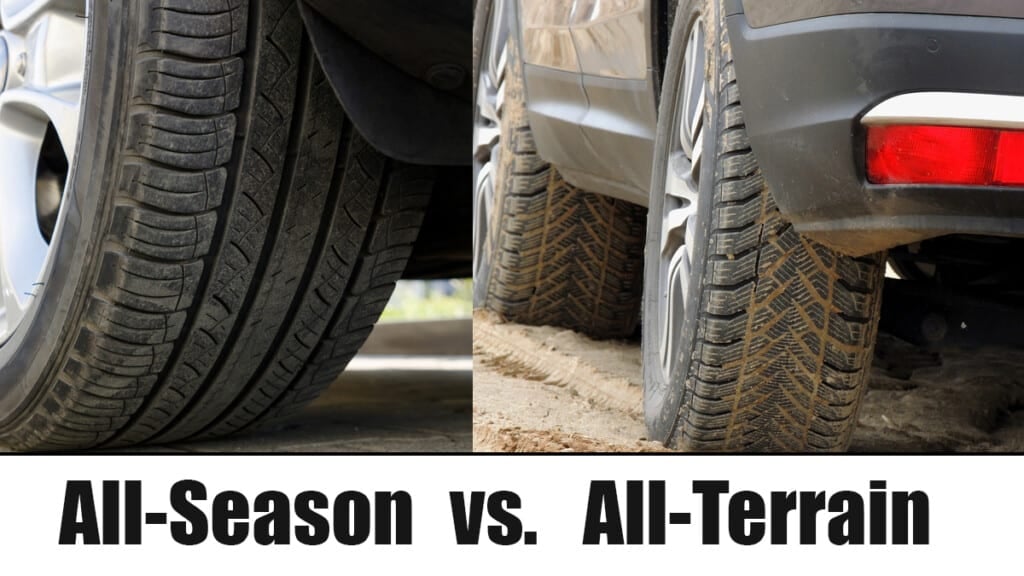
The purchase price is only part of the cost. Rotation, inflation checks, repairs, and replacement timing affect the long-term value.
Rotation and maintenance
Many tire makers recommend rotating tires at intervals listed in the owner’s manual or tire warranty. A shop may charge $20 to $60 for a rotation, although some retailers include free rotations with purchase.
Correct inflation is one of the simplest ways to protect tire life. Use the pressure on the vehicle’s door-jamb label, not the maximum pressure molded into the tire sidewall. Check pressure when the tires are cold.
Poor alignment, worn suspension parts, hard acceleration, and underinflation can wear all-terrain tires quickly. Aggressive tread does not protect a tire from poor maintenance.
Tire life
All-terrain tire life varies widely. A reasonable planning range is 30,000 to 60,000 miles, but the actual result may be lower or higher.
Mileage depends on:
- Tire compound and tread design
- Vehicle weight
- Drive type
- Alignment
- Rotation schedule
- Inflation pressure
- Highway versus off-road use
- Towing and payload
- Driving style
- Climate and road surfaces
A tire warranty may offer a mileage estimate, but that estimate has conditions. Read the warranty for rotation records, tread-depth limits, time limits, and coverage exclusions.
Cost per mile
You can compare value with a simple calculation:
Cost per mile = total tire cost ÷ expected miles
For example:
- A $900 set lasting 40,000 miles costs about 2.25 cents per mile.
- A $1,300 set lasting 55,000 miles costs about 2.36 cents per mile.
The cheaper set is not always the better value. A tire that costs more may last longer or provide a better ride. A tire that costs less may be the better choice if it matches your use and performs well enough.
This calculation excludes fuel, repairs, installation, and the cost of downtime.
Are All-Terrain Tires Worth the Extra Cost?
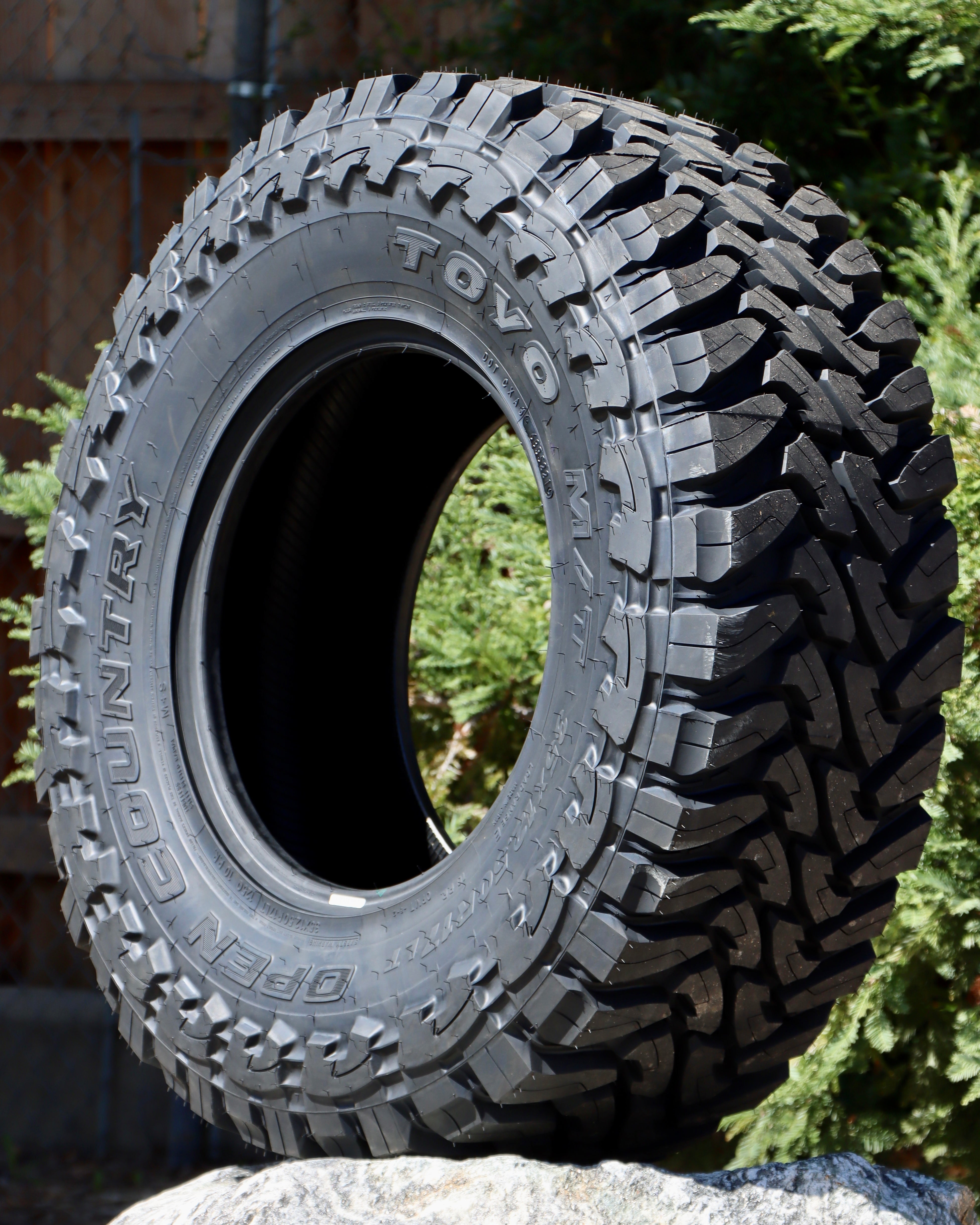
All-terrain tires can be worth the added cost when you regularly drive on gravel, dirt, sand, forest roads, construction sites, or snow-covered roads. They can also help drivers who want more tread strength and traction than a standard highway tire provides.
They may not be worth it for a vehicle used almost entirely on smooth pavement. A highway tire may offer:
- Lower road noise
- Better fuel economy
- Smoother handling
- Longer tread life in some cases
- Lower purchase cost
An all-terrain tire is not a substitute for a winter tire in every climate. Dedicated winter tires generally use compounds and tread features designed for low temperatures, snow, and ice. If winter driving is your main concern, compare winter tires rather than assuming an all-terrain tire is enough.
Mud-terrain tires are another option, but they are usually louder and less comfortable on highways. They may also cost more and wear faster during daily road use.
How to Choose All-Terrain Tires Without Overspending
Start with the vehicle, not the tire brand. Check the driver’s door placard and owner’s manual for the approved size, load range, speed rating, and pressure.
Then follow these steps:
-
Write down the exact tire size.
A size such as P265/70R17 is not the same as LT265/70R17. -
Confirm the load and speed ratings.
The replacement tire should meet or exceed the vehicle maker’s requirements. -
Decide where you drive most.
Choose based on your real use: highway, gravel, snow, rocks, sand, or mixed driving. -
Compare the installed price.
Ask for tire cost, shipping, mounting, balancing, disposal, taxes, and warranty fees. -
Check the manufacturing date.
The U.S. National Highway Traffic Safety Administration recommends checking tire age and condition. A tire’s date code appears in the DOT identification number on the sidewall. -
Review the warranty rules.
Some mileage warranties require regular rotations and proof of service. -
Check clearance before changing size.
A larger tire can rub the fender, suspension, or frame during turns or compression. -
Replace tires in the correct pattern.
On many vehicles, the newest tires belong on the rear axle, especially when replacing only two tires. Follow the tire maker and vehicle maker’s guidance.
The lowest advertised price is not always the lowest total cost. A slightly higher quote may include installation, road-hazard coverage, free rotations, or a better warranty.

When Should You Replace All Four Tires?
Replacing all four tires is often the simplest and safest option, especially on all-wheel-drive vehicles. Different tire diameters can make the drivetrain work harder and may affect handling.
Some vehicles allow replacement of only one or two tires if the tread-depth difference stays within the manufacturer’s limit. The correct limit depends on the vehicle and drivetrain. Ask the dealer or read the owner’s manual before replacing fewer than four tires.
Replace a tire when it has:
- Tread at or below the legal limit
- Cracks, bulges, or cuts
- Exposed cords
- A damaged sidewall
- Repeated air loss
- Severe uneven wear
- Impact damage
- Age-related deterioration
The federal minimum tread depth in the United States is commonly described as 2/32 of an inch, but tires can lose wet traction before reaching that point. Tire makers may recommend replacement earlier. Tires exposed to strong sunlight, heat, or long storage may age faster than mileage alone suggests.
Do not repair a tire with sidewall damage. A qualified tire professional should inspect punctures, especially after driving on a flat tire.
Common Mistakes That Increase All-Terrain Tire Costs
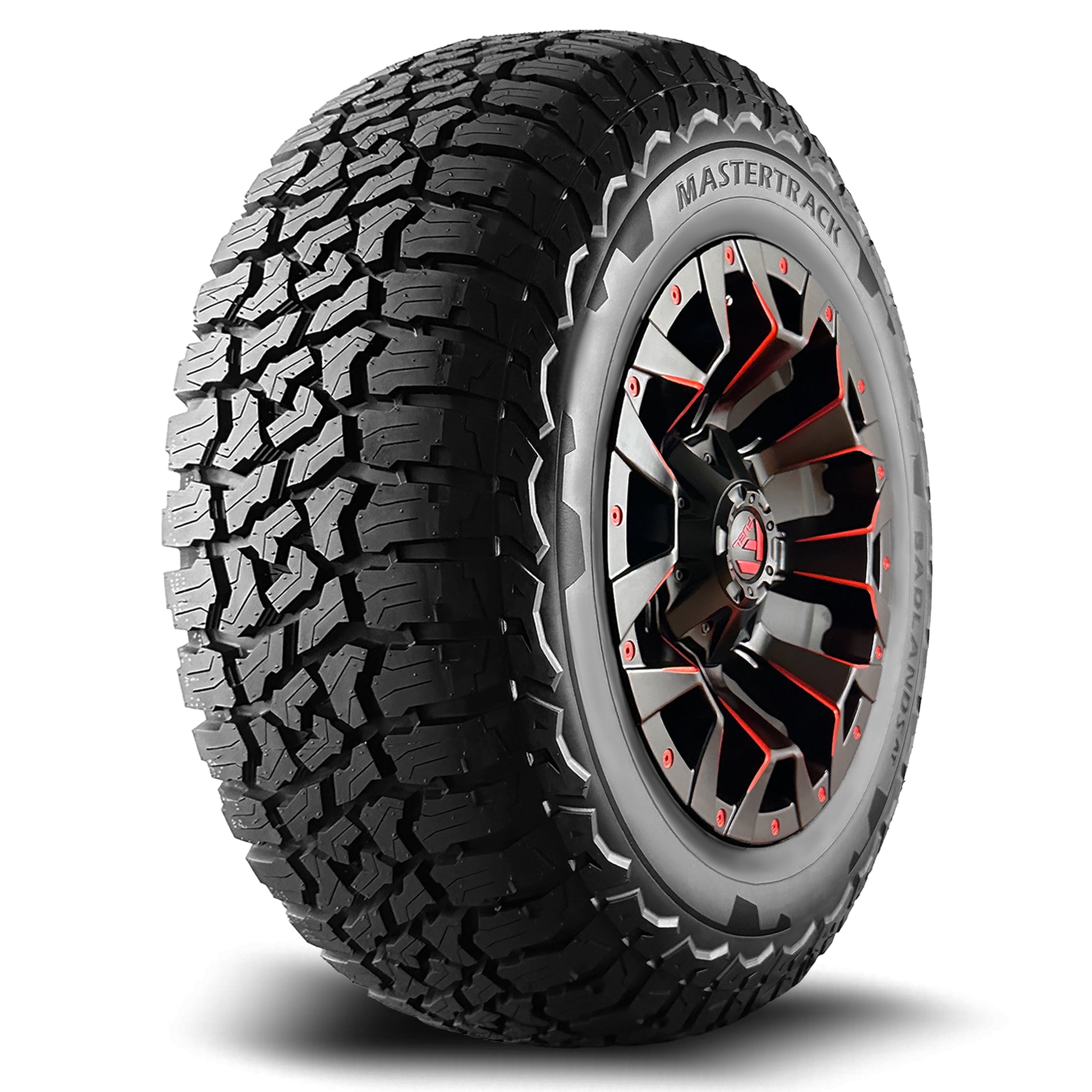
Several buying mistakes can turn a planned $1,000 purchase into a much larger bill.
Choosing a size that needs vehicle changes
Oversized tires may require a lift kit, different wheels, trimming, or recalibration. They can also reduce acceleration and braking performance. Measure clearance before purchase.
Buying an LT tire for a light-use SUV
An LT tire may be unnecessary for a crossover used for commuting. Its extra weight and stiff construction can reduce comfort and fuel economy.
Ignoring the wheel
A tire must fit the wheel width and diameter. The wheel must also have the correct bolt pattern, offset, and load capacity. A tire shop can verify fitment, but the vehicle owner remains responsible for avoiding incompatible parts.
Skipping pressure checks
Underinflation creates heat, increases wear, and can damage the tire. Overinflation can reduce the contact patch and make the ride harsh. Use the vehicle maker’s cold-pressure specification.
Mixing tire types without checking
Mixing all-terrain, highway, winter, or mud-terrain tires can change handling. On AWD and 4WD vehicles, different rolling diameters may create mechanical problems.
Treating road-hazard coverage as a full warranty
Road-hazard plans may cover some punctures but exclude sidewall damage, off-road damage, improper inflation, racing, or normal wear. Read the written terms before paying for coverage.

How to Get an Accurate All-Terrain Tire Quote
Ask at least two or three U.S. retailers for an out-the-door price. Give each retailer the same information:
- Vehicle year, make, and model
- Exact tire size
- Current load and speed rating
- Number of tires
- Desired installation date
- Whether you need an alignment
- Whether you want road-hazard coverage
Ask these questions:
- Is mounting and balancing included?
- Are new valve stems included?
- Is tire disposal included?
- Are taxes and shipping included?
- What is the tire’s manufacture date?
- Does the tire have a mileage warranty?
- Are rotations included?
- What happens if the tire does not fit?
- Does the shop service TPMS sensors?
Use the vehicle placard and owner’s manual as the main fitment sources. Tire retailers can help compare products, but a sales listing should not replace the vehicle manufacturer’s specifications.
Useful safety references include the NHTSA tire safety guide, the NHTSA tire recall search, and the Federal Trade Commission guide to buying tires.
Frequently Asked Questions
Are all-terrain tires more expensive than regular tires?
Usually, yes. All-terrain tires often use deeper tread, stronger casing materials, and more complex tread designs. The difference may be small for crossover sizes but much larger for heavy-duty pickup sizes.
How much do four all-terrain tires cost for a truck?
A common range is $800 to $1,600 for four tires, before installation. Large LT tires, premium models, and oversized fitments can push the price above $2,000.
Do all-terrain tires reduce gas mileage?
They can. Extra weight, deeper tread, higher rolling resistance, and lower inflation can reduce fuel economy. The change varies by tire, vehicle, pressure, speed, and driving route.
How long do all-terrain tires last?
Many last about 30,000 to 60,000 miles, but there is no universal mileage figure. Maintenance, alignment, vehicle weight, and road use have a major effect.
Should I buy all-terrain tires for winter driving?
It depends on your climate and roads. Look for the 3PMSF symbol if you need certified severe-snow performance. For frequent ice, packed snow, or very low temperatures, dedicated winter tires may provide better control.
Can I replace only two all-terrain tires?
Sometimes, but confirm the tread-depth limit and drivetrain requirements first. AWD vehicles may need all four tires to have closely matched rolling diameters.
Bottom Line: Budget About $800 to $2,500 Installed
For most drivers in the United States, a full set of all-terrain tires costs about $600 to $2,000 before installation and $800 to $2,500 installed.
A compact SUV owner may spend closer to $800. A full-size pickup owner may spend $1,200 to $1,700. Oversized or heavy-duty truck tires can cost more than $2,000.
Before buying, confirm the exact tire size, load rating, clearance, and drivetrain requirements. Then compare the complete installed price rather than the tire price alone. The right all-terrain tire is the one that fits the vehicle, matches the roads you use, and provides a sensible balance between purchase cost, safety, comfort, and service life.