How To Find Tire Pressure On Tire: Easy Guide
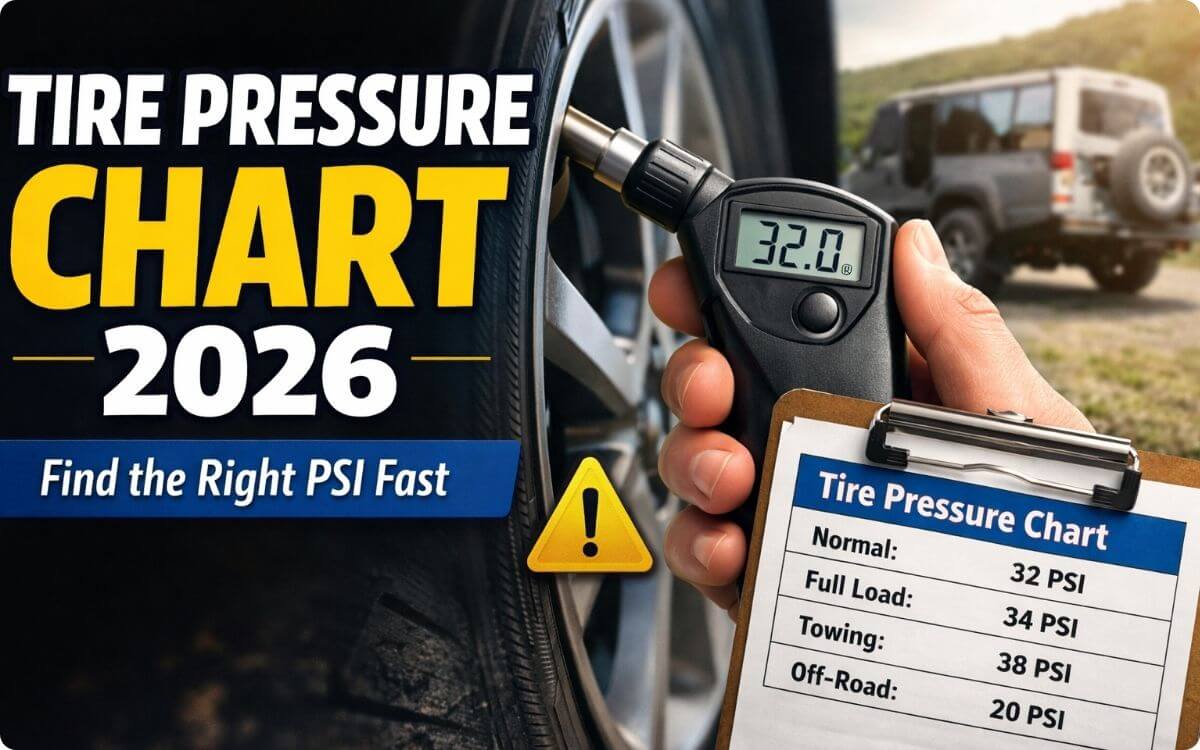
In the United States, the correct tire pressure for your car is usually not printed as the recommended setting on the tire itself. Find it first on the Tire and Loading Information label inside the driver’s door frame. You can also find it in the owner’s manual.
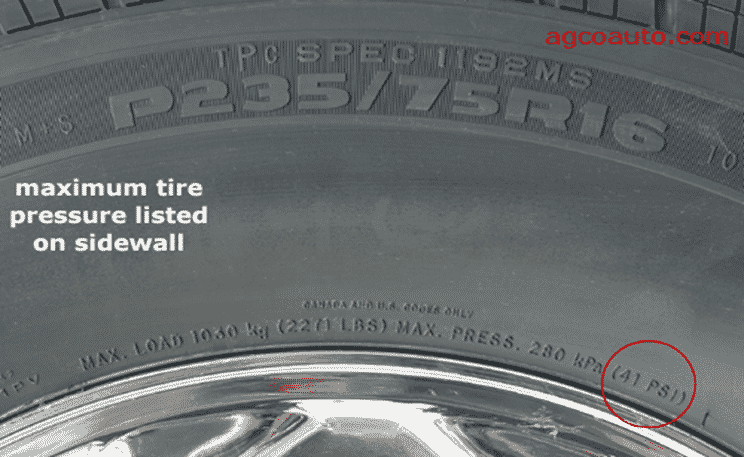
The number molded into the tire sidewall is usually the tire’s maximum cold inflation pressure, not the pressure your vehicle needs. Use a tire pressure gauge to check the air in each tire, and check the tires when they are cold.
Where to Find the Correct Tire Pressure
The best place to find your vehicle’s recommended tire pressure is the label inside the driver’s door area.
Look in these places:
- The driver’s-side doorjamb
- The inside edge of the driver’s door
- The glove box
- The owner’s manual
- The vehicle manufacturer’s official website or app
The doorjamb label often lists the recommended pressure for the front tires, rear tires, and spare tire. It may also show the correct tire size and the vehicle’s weight limits.
The pressure may appear as PSI, which means pounds per square inch. Some labels also show kPa, or kilopascals. Most tire gauges sold in the United States use PSI.
For example, a label might show:
| Tire position | Recommended cold pressure |
|---|---|
| Front tires | 35 PSI |
| Rear tires | 35 PSI |
| Temporary spare | 60 PSI |
This example is only a sample. Always use the numbers on your own vehicle’s label or in its manual.

Does the Tire Sidewall Show the Right Pressure?
The tire sidewall usually shows a maximum pressure, but that number is not normally the correct setting for your vehicle.
Look around the outer sidewall for wording such as:
- MAX PRESS
- MAX INFL
- MAXIMUM PRESSURE
- INFLATE TO
You may see a marking such as “MAX PRESS 44 PSI.” This means the tire may be rated for up to 44 PSI under the conditions set by the tire maker. It does not mean you should inflate the tire to 44 PSI.
Your vehicle maker selects the recommended pressure based on factors such as:
- Vehicle weight
- Suspension design
- Steering response
- Braking balance
- Tire size
- Load capacity
- Ride comfort
- Fuel use
The tire sidewall also contains other information. The tire size may look like P225/65R17 or LT265/70R17. That code tells you about the tire’s type, width, construction, aspect ratio, and wheel size. It does not by itself tell you the correct pressure for the vehicle.
Why the sidewall number can cause problems
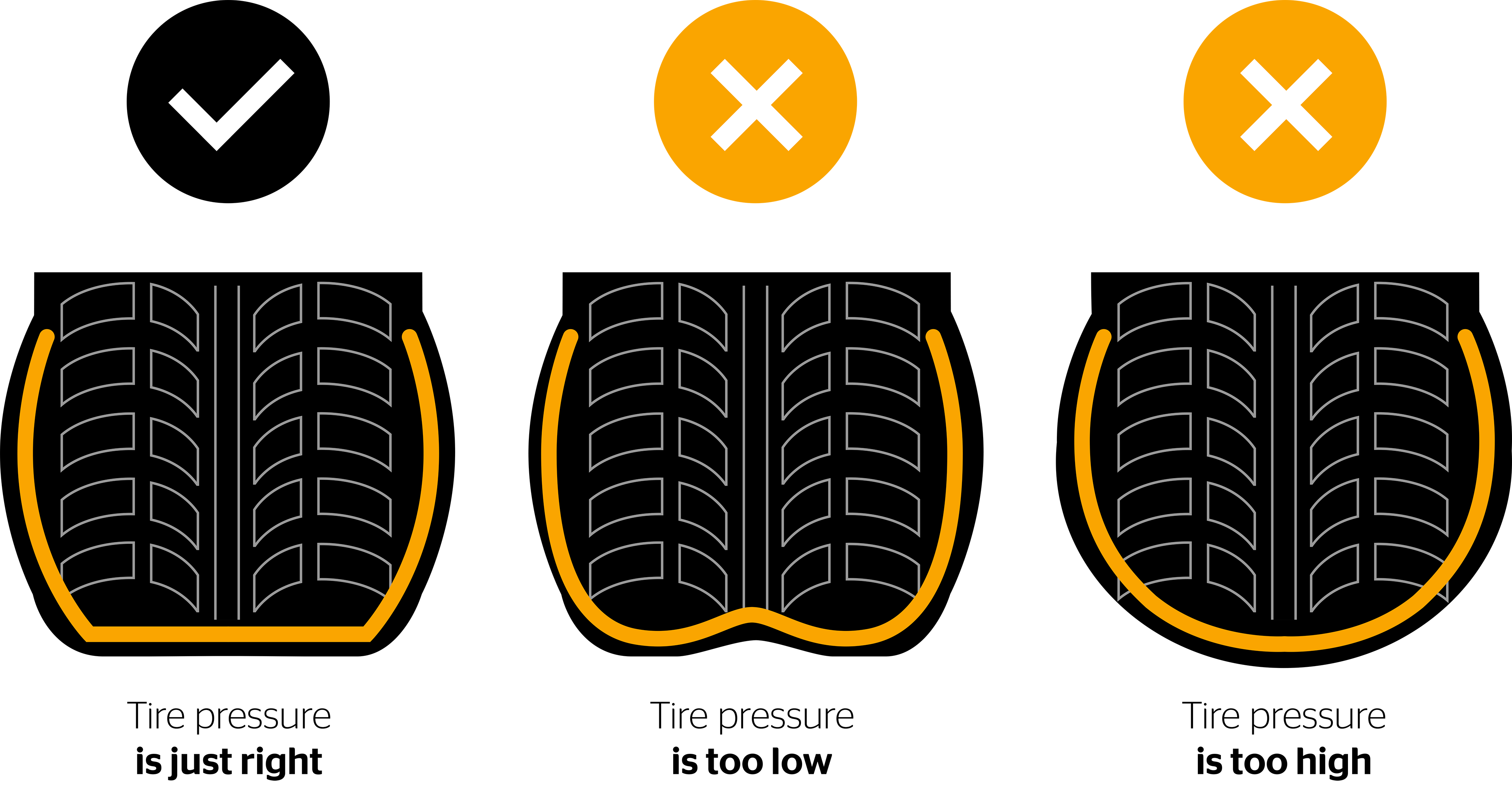
Using the sidewall maximum as your normal pressure can make the tire too firm. Overinflation may reduce the tire’s contact area with the road and can make the ride harsh.
Underinflation can also cause problems. It may increase heat buildup, tire wear, rolling resistance, and the risk of tire damage. The National Highway Traffic Safety Administration advises drivers to check tire pressure regularly and follow the vehicle maker’s recommended pressure.

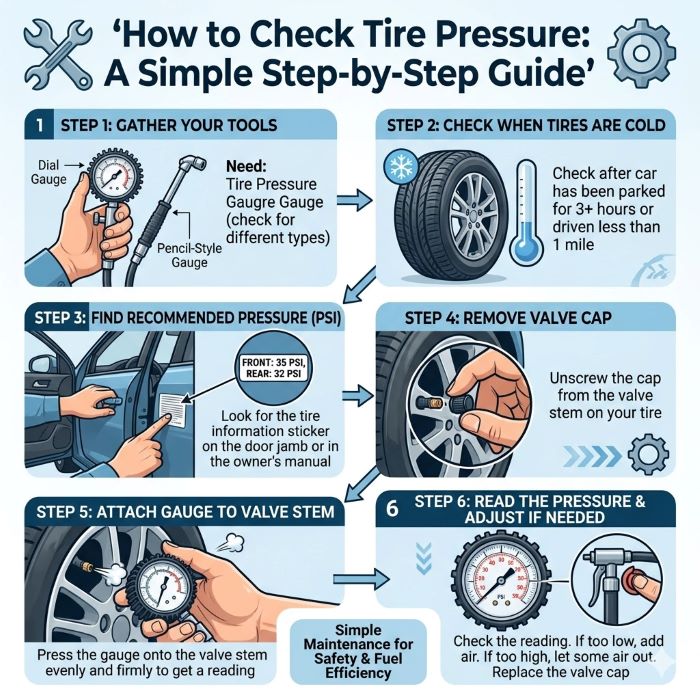
How to Check Tire Pressure With a Gauge
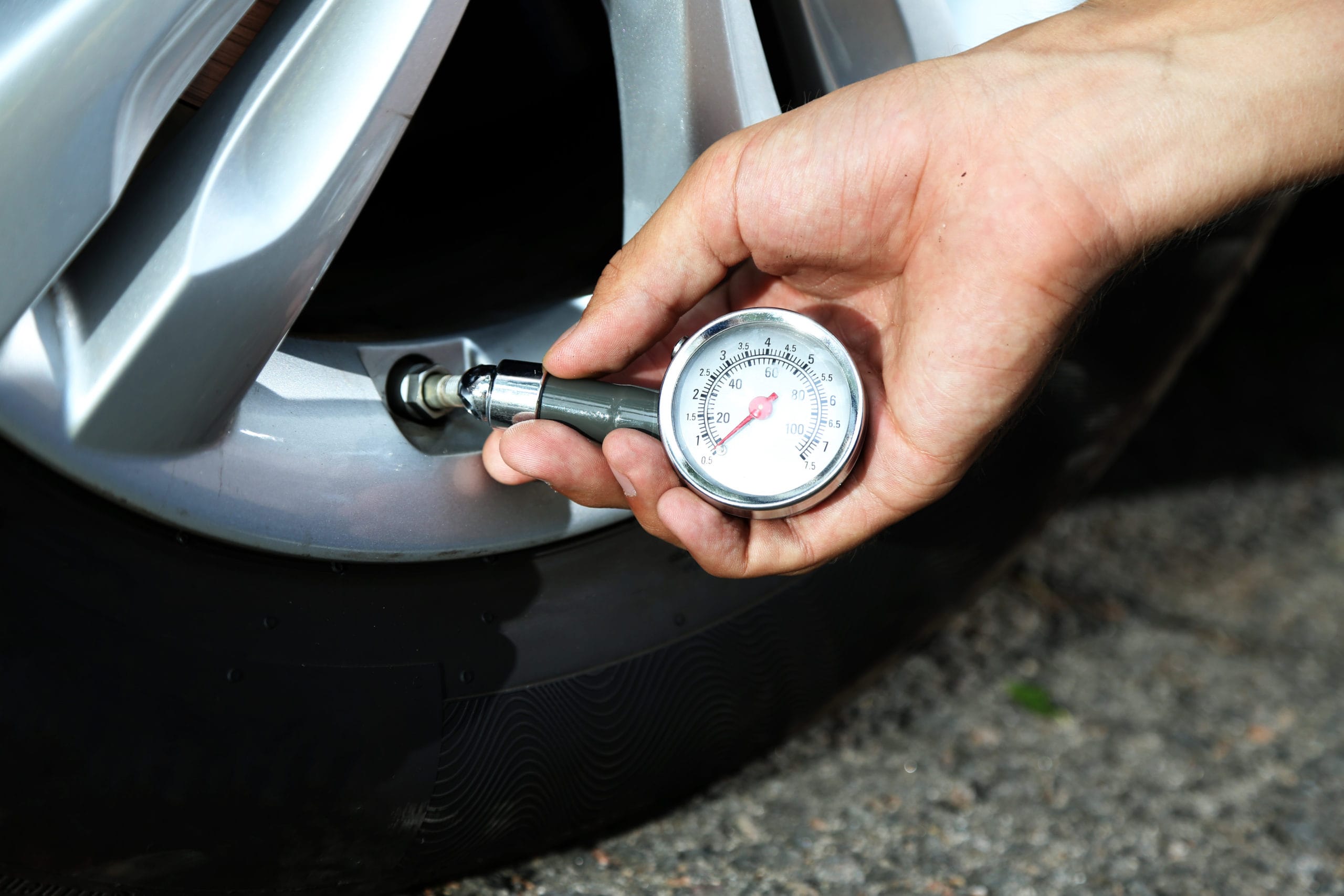
You need a tire pressure gauge and access to air. A digital gauge or a basic pencil-style gauge can work if it is in good condition.
Follow these steps:
-
Check the tires when they are cold.
Check them before driving, or after the vehicle has been parked for about three hours. Driving warms the air inside the tire and raises the reading. -
Remove the valve stem cap.
The valve stem is the small metal or rubber tube on the wheel. Keep the cap in a safe place. -
Press the gauge firmly onto the valve stem.
A short hiss may occur. Keep the gauge straight and sealed to the valve. -
Read the pressure.
Compare the reading with the cold pressure on the doorjamb label. -
Add air if needed.
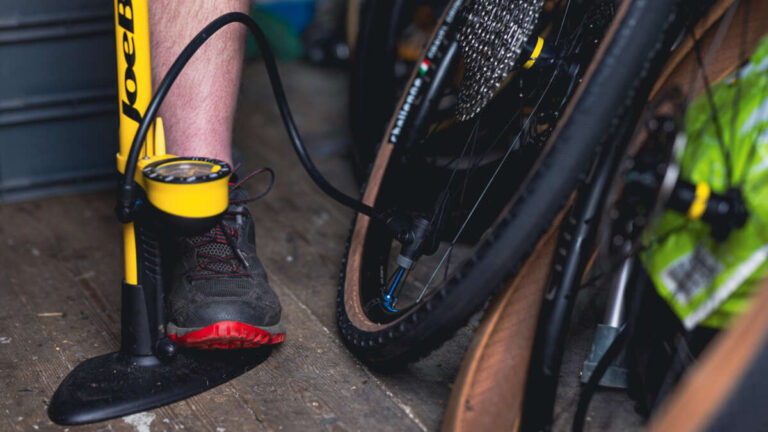
Use an air pump in short bursts. Check the pressure again after each burst. -
Release air if the tire is too high.
Many gauges have a small release button. You can also press the center pin in the valve stem briefly with a suitable tool. -
Replace the valve cap.
The cap helps keep dirt and moisture away from the valve. -
Repeat the process on all tires.
Do not check only the tire that looks low. A tire can lose air without looking flat.
A good result is a reading that matches the recommended cold pressure on the vehicle label. If the tire loses pressure again soon, do not simply keep adding air. The tire may have a puncture, damaged valve, loose wheel, or bead leak.
How to Find Tire Pressure Without a Door Sticker
If the doorjamb label is missing or unreadable, check the owner’s manual. Search the index for tire pressure, inflation pressure, or tires.
You can also contact the vehicle manufacturer or a qualified tire shop. Give them:
- Vehicle year
- Make and model
- Trim level
- Tire size
- Whether the vehicle has standard or optional wheels
Do not rely only on a general internet search. One vehicle model can use different tire sizes and pressure settings across different years and trims.
A replacement door label may be available through the vehicle manufacturer or a dealer. Some vehicles also display tire pressure information in the dashboard menu, but this display may show the current pressure rather than the recommended pressure. Check the manual to confirm what the screen means.
If you bought a used vehicle, confirm that the tires match the vehicle’s approved size. A past owner may have installed different tires or wheels. The pressure on the old tire sidewall may not match the pressure recommended for your vehicle.

How to Read the Tire Pressure Monitoring System
Most newer vehicles sold in the United States have a Tire Pressure Monitoring System, or TPMS. The system uses sensors to warn you when one or more tires are significantly underinflated.
A TPMS warning light looks like a flat tire with an exclamation point. It usually turns on when the system detects low pressure.
TPMS is useful, but it should not replace a pressure gauge.
The system may not tell you:
- The exact pressure in every tire
- Which tire has a slow leak
- Whether the pressure is too high
- Whether the spare tire has low pressure
- Whether the sensor is working correctly
Some vehicles show individual pressure readings on the dashboard. Others only show a warning light.
If the TPMS light comes on:
- Check all four tires with a gauge.
- Check the spare if the vehicle has a full-size spare or a monitored spare.
- Inflate the tires to the vehicle maker’s cold pressure.
- Drive as directed by the owner’s manual so the system can update.
- Seek service if the light stays on or flashes.
A TPMS light that flashes and then remains on may indicate a system fault rather than simple low pressure. The vehicle manual explains the warning pattern for that model.

When Should You Check Tire Pressure?
Check tire pressure at least once each month and before a long trip. Check it more often when temperatures change sharply or when you suspect a leak.
Cold weather can lower tire pressure. The pressure may drop by about 1 PSI for each 10-degree Fahrenheit decrease in temperature, although the actual change can vary. This is a useful rule of thumb, not a replacement for measuring the tire.
Check pressure before driving when possible. If you must check a warm tire, do not release air just to reach the cold-pressure number. Wait until the tire is cold, then measure it again.
You should also check pressure:
- Before carrying a heavy load
- Before towing a trailer
- After installing new tires
- After repairing a puncture
- When the vehicle pulls to one side
- When the steering feels different
- When the TPMS warning appears
- When one tire looks lower than the others
Some vehicles list a different pressure for heavy loads or towing. Follow the label and owner’s manual for those conditions. Do not guess by adding the maximum pressure shown on the tire sidewall.
What If the Tire Pressure Is Wrong?
The correct response depends on whether the tire is low, high, damaged, or losing air.
If the tire is slightly low
Add air until it reaches the recommended cold pressure. Recheck it later when the tire is cold.
If the tire is very low
Inspect the tire before driving. Look for a nail, screw, cut, bulge, cracked sidewall, or damaged wheel. A tire that is nearly flat may have internal damage even if you inflate it again.
If the tire is flat or visibly damaged, use the spare if it is safe to do so, or call roadside assistance. Follow the vehicle manual for spare-tire use.
If the tire is overinflated
Release air in small amounts and check the reading often. Do this when the tire is cold if possible.
If the tire keeps losing air
A repeated pressure loss may indicate:
- A puncture
- A leaking valve core
- A damaged valve stem
- A leak where the tire meets the wheel
- A bent or cracked wheel
- Tire damage from driving while underinflated
Have the tire inspected by a qualified tire professional. Do not use a plug or sealant as a permanent answer without checking the tire’s condition and the product’s limits.
If the tire looks fine but the warning stays on
Check the pressure with a separate gauge. If all tires have the correct pressure, the TPMS may need time to reset, or a sensor may need service. Consult the owner’s manual.
Common Mistakes to Avoid
Avoid these mistakes when checking tire pressure:
-
Using the sidewall maximum as the normal pressure
Use the driver’s door label or owner’s manual instead. -
Checking only one tire
All tires can lose air, even if only one looks low. -
Checking after a long drive and releasing air
Warm tires read higher. Measure them cold when possible. -
Trusting appearance alone
Modern radial tires can look normal while underinflated. -
Ignoring the spare tire
A spare with low pressure may not help during a roadside emergency. -
Assuming front and rear pressures are always the same
Some vehicles require different settings. -
Forgetting the units
Do not confuse PSI with kPa. A reading of 240 kPa is about 35 PSI, while 240 PSI would be dangerously high for a normal passenger vehicle. -
Using a damaged or inaccurate gauge
Compare a questionable gauge with one from a tire shop or replace it. -
Overlooking tire damage
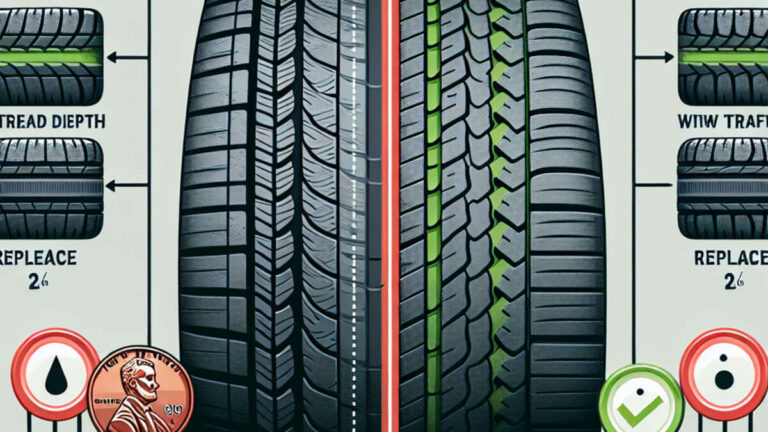
Correct pressure cannot make a cut, bulge, exposed cord, or severe tread problem safe.
Tire Pressure Example: PSI and kPa
The vehicle label may list pressure in PSI, kPa, or both.
Useful approximate conversions include:
| Pressure | Approximate equivalent |
|---|---|
| 30 PSI | 207 kPa |
| 32 PSI | 221 kPa |
| 35 PSI | 241 kPa |
| 36 PSI | 248 kPa |
| 40 PSI | 276 kPa |
| 44 PSI | 303 kPa |
To convert PSI to kPa, multiply PSI by about 6.895.
For example:
35 PSI × 6.895 = about 241 kPa
Use the exact unit shown on your gauge. Do not round a reading too far when the tire is near its recommended pressure.

Frequently Asked Questions
Where is tire pressure printed on a tire?
The tire sidewall usually prints the tire’s maximum cold inflation pressure. The vehicle’s recommended tire pressure is normally on the driver’s doorjamb label or in the owner’s manual.
Is the maximum PSI on the tire the correct pressure?
Usually, no. The maximum PSI is the tire’s rated limit under stated conditions. Your vehicle maker’s recommended cold pressure is the number you should normally use.
How do I know if my tire pressure is low?
Use a tire pressure gauge. Do not judge by appearance alone. A TPMS warning can also indicate low pressure, but a gauge gives you the actual reading.
Should I check tire pressure when the tires are hot or cold?
Check tires when they are cold. Measure them before driving or after the vehicle has been parked for about three hours. Do not release air from a warm tire just to match the cold-pressure number.
What tire pressure should I use for a full-size spare?
Use the pressure listed for the spare on the vehicle label or in the owner’s manual. A full-size spare may require a different pressure from the road tires.
Can I drive with the tire pressure light on?
Only drive far enough to reach a safe place or tire service after checking the tires, if possible. A tire with very low pressure or visible damage should not be driven on. Driving on an underinflated tire can cause further damage.
Conclusion
To find the correct tire pressure, start with the driver’s doorjamb label or the owner’s manual. Treat the number on the tire sidewall as a maximum rating, not the normal setting for your vehicle.
Check all tires with a reliable gauge when they are cold. Include the spare, watch for repeated pressure loss, and have damaged or leaking tires inspected before driving any distance.
For official safety information, see the National Highway Traffic Safety Administration tire safety guidance and the tire information in your vehicle owner’s manual.