How To Dispose Of Car Seat After Accident: Safe Steps
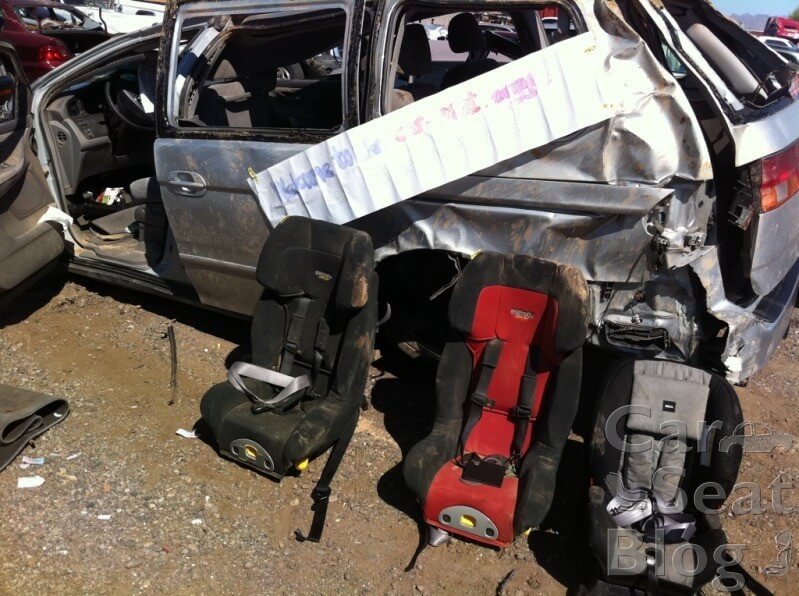
If a car seat was in a crash, do not donate or resell it until you know it is safe. In the United States, the National Highway Traffic Safety Administration (NHTSA) advises replacing a child restraint after a moderate or serious crash. A seat may qualify for continued use only after a truly minor crash and only when the seat maker allows it.
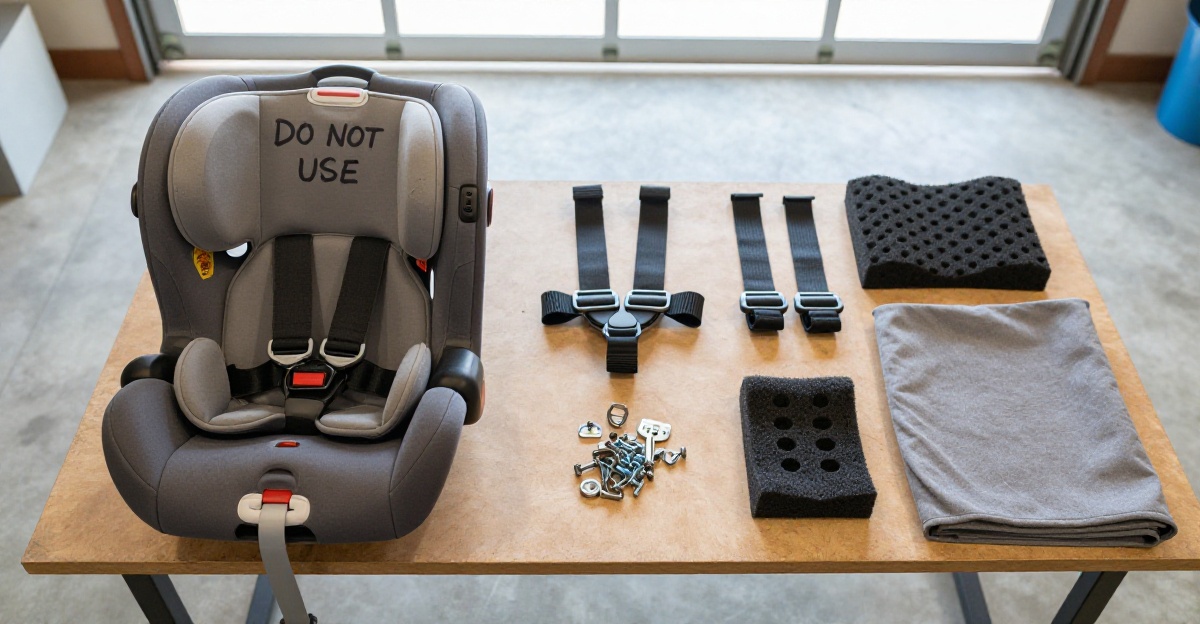
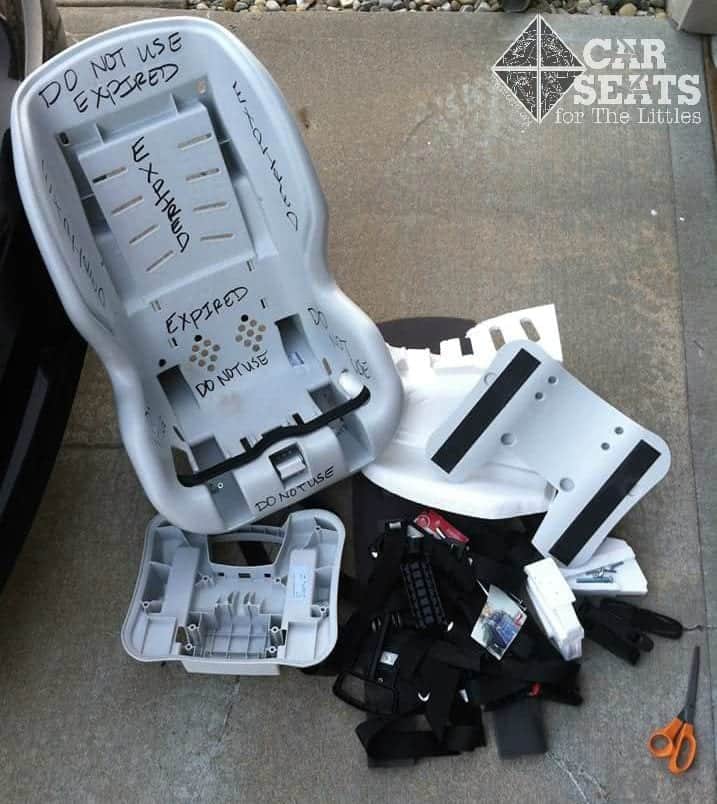
When replacement is needed, contact your auto insurer and the car seat maker first. Then dispose of the old seat so no one can use it by mistake: remove the cover, cut the harness and straps, mark the seat “DO NOT USE,” and follow your local waste or recycling rules.
First, Decide Whether the Seat Must Be Replaced
A car seat does not need visible damage to have been affected by a crash. The shell, belt path, harness, foam, or attachment points may have damage that is hard to see.
NHTSA lists these five conditions for a minor crash:
- You could drive the vehicle away from the crash site.
- The vehicle door nearest the child restraint was not damaged.
- No one in the vehicle suffered an injury.
- The airbags did not deploy.
- The car seat has no visible damage.
If any one of these points is false, replace the car seat. This includes the base of an infant seat if the base was installed during the crash.
Even when all five conditions are true, check the seat’s manual or contact the manufacturer. Some manufacturers recommend replacing a seat after every crash. The manufacturer’s instructions may be stricter than NHTSA’s general guidance.
Replace the seat after these crash events
Replace the seat if:
- An airbag deployed.
- Anyone in the vehicle was injured.
- The vehicle could not be driven from the scene.
- The door beside the seat was damaged.
- The seat has cracks, dents, stress marks, loose parts, or other visible damage.
- The seat was not installed correctly during the crash and you cannot confirm its condition.
- The manufacturer says the seat must be replaced after any crash.
- You cannot identify the seat, its model, or its instructions.
Do not keep using a seat simply because the child was not sitting in it. A seat can still be loaded by the crash forces when it is empty.
What if the crash was minor?
If the crash meets all five NHTSA conditions, the seat may still be usable. Read the manual and inspect the seat closely. Look at the shell, harness, buckle, padding, belt path, lower anchors, tether hardware, and base.
If you are unsure, replacement is the safer choice. A local child passenger safety technician can help inspect the installation, but a technician may not be able to certify that hidden crash damage is absent. The manufacturer makes the final recommendation for that seat model.
Contact Your Insurance Company Before Throwing the Seat Away
Your insurance company may cover the replacement of a child restraint after a covered crash. Coverage depends on your policy, the state, the type of claim, and the insurer’s rules.
Before disposal:
- Take clear photos of the seat, base, harness, labels, and any visible damage.
- Record the brand, model name, model number, date of manufacture, and expiration date.
- Save the owner’s manual if you have it.
- Ask the insurer whether it needs the seat for inspection.
- Ask whether the insurer will reimburse a replacement and what proof it needs.
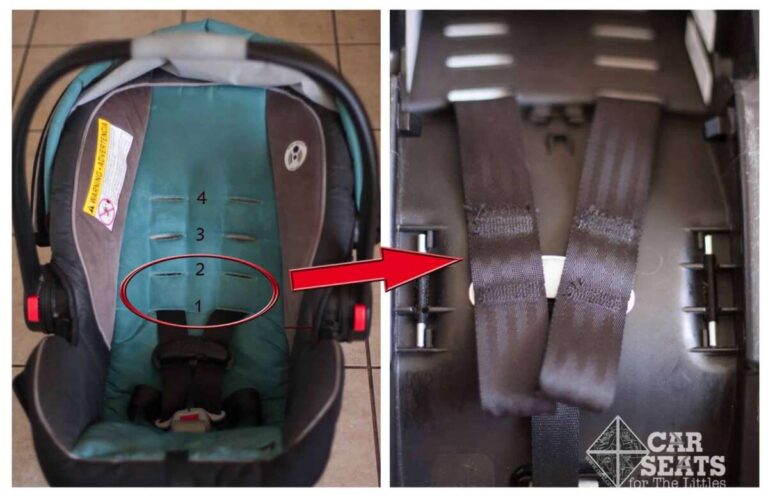
The model and manufacture date are often printed on a white or gray label on the seat shell. You may also find them on the base, side, back, or bottom of the restraint.
Do not cut up the seat until the insurer confirms that it does not need the old restraint. Once the claim is complete, ask how the company wants you to dispose of it.

How to Dispose of a Car Seat Safely
The goal is to stop another person from finding the seat and using it. A loose car seat placed beside a trash container can look usable, even when it has crash damage or has expired.
Step 1: Check for a local recycling or take-back option
Start with these options:
- The car seat manufacturer’s take-back program.
- A local child passenger safety event.
- A household hazardous waste or hard-plastic recycling program.
- Your city or county solid waste office.
- A retailer recycling event.
- Your waste hauler’s bulky-item service.
Recycling rules vary by location. Many recycling centers do not accept car seats because they contain several materials joined together. A program may accept the seat only during special events or may ask you to remove fabric and straps first.
Use your city, county, or waste company website for current instructions. Do not place the seat in your curbside recycling bin unless the local program specifically accepts it.
Step 2: Remove detachable parts
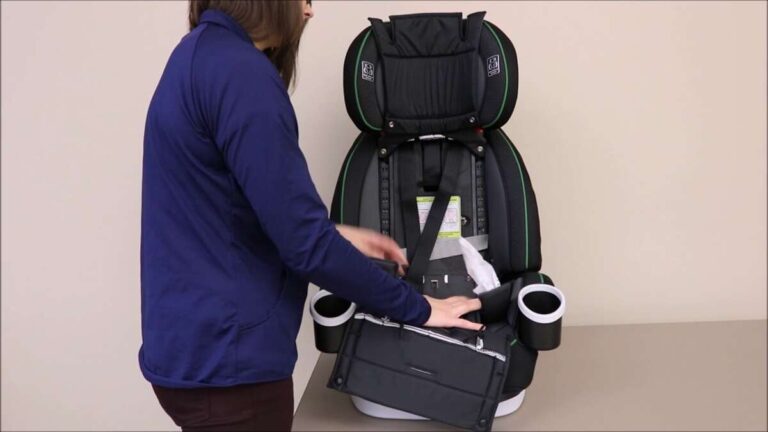
Remove parts that can come off without damaging the main shell, such as:
- The fabric cover.
- Infant inserts.
- Cup holders.
- Padding.
- Canopies.
- Removable harness pads.
- The base, if it is a separate piece.
Keep the parts together until you know whether the insurer or recycling program needs them. Some programs give different instructions for covers, foam, and plastic shells.
Step 3: Make the restraint unusable
If the seat will go to the trash, damage the parts that make it function as a child restraint.
- Cut the harness straps.
- Cut the crotch strap and lower anchor straps if they are separate.
- Cut the top-tether strap.
- Remove or damage the buckle when practical.
- Mark the plastic shell with permanent ink or paint.
- Write “CRASHED—DO NOT USE” or “EXPIRED—DO NOT USE” in large letters.
Do not damage the seat until you have completed any insurance process. Also, use care with scissors, knives, and tools.
Step 4: Follow local trash instructions
Place the unusable seat in a trash bag or wrap it if your waste service requires that. Some communities want large plastic items placed beside the bin. Others require a bulky-item appointment.
If you must place it out for collection, put it out close to pickup time. This reduces the chance that someone will take it from the curb.
Quick disposal decision table
| Situation | Best next action |
|---|---|
| The insurer has not inspected the seat | Keep the seat and contact the insurer |
| The seat is safe under NHTSA’s minor-crash conditions | Check the manual before continued use |
| The seat must be replaced after a crash | Contact the manufacturer and local waste service |
| The seat is expired or recalled | Do not donate or resell it; render it unusable |
| A local recycling program accepts car seats | Follow that program’s preparation rules |
| No recycling option exists | Cut the straps, mark it clearly, and use local trash service |
Can You Donate or Sell a Car Seat After a Crash?
No. Do not donate or sell a car seat that was involved in a crash unless the manufacturer has clearly determined that it remains safe and the seat is otherwise within its useful life.
Most organizations will not accept a crashed seat. A charity, thrift store, shelter, or family may not be able to verify the crash history or inspect hidden damage. Passing the seat to another person can put a child at risk.
Do not give away a seat that is:
- Crashed.
- Expired.
- Recalled.
- Missing its manual or required parts.
- Missing its date or model label.
- Damaged by heat, water, mold, or improper storage.
- Missing a working harness or buckle.
A seat that was not used during the collision may be reusable if it was stored elsewhere and did not experience the crash forces. For example, an unused spare seat in a home closet was not part of the crash. Still, check its expiration date, recall status, condition, and manufacturer instructions.
Check for Recalls and Expiration Before Disposal
A recall is different from ordinary wear. A recalled seat may have a defect that affects the harness, buckle, shell, padding, or instructions.
Find the model number and manufacture date on the seat label. Then search the NHTSA recall database and the manufacturer’s recall page. You can also contact the maker directly.
Do not rely only on the brand name. The same brand can sell many models with different recall notices. The model number and manufacture date help identify the correct product.
Car seats also have expiration dates. The date may appear on a label or in the manual. If the seat has expired, do not donate it or use it for another child. Dispose of it in the same way as a damaged seat.
Why expiration matters
Materials can age. Heat, sunlight, cleaning, storage, and repeated use may affect plastic, foam, straps, and buckles. The manufacturer’s expiration period is based on the design, materials, testing, and parts support for that product.
An expired seat may look clean and strong but still fall outside the maker’s safety guidance.
What to Do With an Infant Car Seat Base
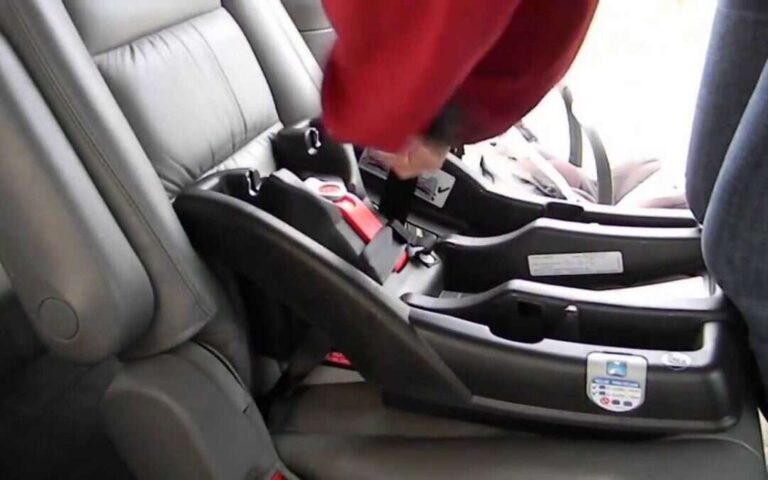
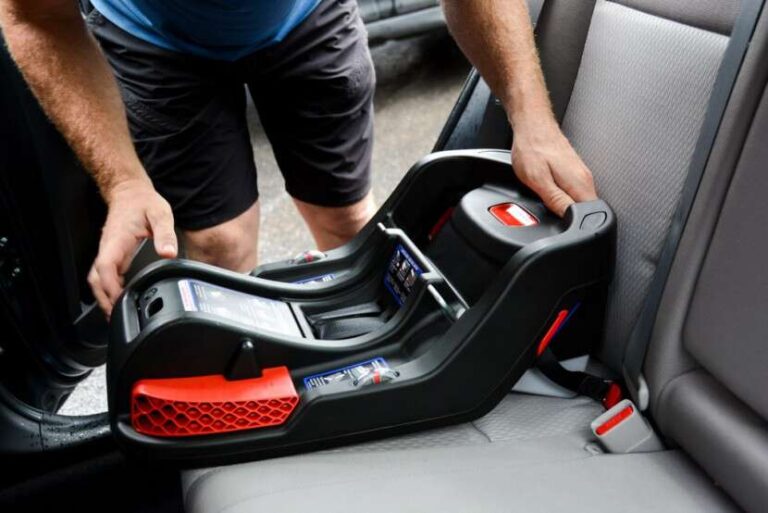
Replace the base if it was installed in the vehicle during the crash and the crash meets the replacement conditions.
Do not replace only the carrier and continue using the old base without checking it. The base and carrier work as a system. The base can have hidden damage around the belt path, lower-anchor connectors, load leg, shell, or attachment points.
If the infant carrier was in the vehicle but the base was at home, the base did not experience the crash forces. It may not need replacement, but inspect it for damage and check its expiration and recall status.
If you replace a carrier, confirm that the new carrier is compatible with the existing base. Some brands use different base designs across models. Never assume that a base from one model fits another just because the brand is the same.

What to Do If the Seat Was in a Flood, Fire, or Severe Weather Event
A crash is not the only reason to retire a car seat.
Replace a seat that has been:
- In a vehicle fire.
- Exposed to flood water or sewage.
- Soaked with unknown chemicals.
- Covered with mold that cannot be fully removed.
- Damaged by extreme heat.
- Dropped from a significant height.
- Stored in conditions outside the manufacturer’s instructions.
Water and heat can affect materials that do not show obvious damage. Contact the manufacturer for model-specific advice, but do not use a contaminated or heat-damaged seat while waiting for an answer.
For flood-damaged items, ask your local waste authority about disposal. Flood debris may have special handling rules.

Common Mistakes to Avoid
Do not keep using the seat because it “looks fine”
Hidden damage is the main concern. A visual check cannot prove that a seat has the same strength as before a crash.
Do not put an intact crashed seat on the curb
Someone may take it and use it. Cut the straps and mark the shell before disposal.
Do not place it in curbside recycling without checking
Many recycling systems reject car seats. The seat may contain mixed materials, metal, foam, and fabric.
Do not wash away the labels
The model and date labels may be needed for insurance, recall checks, or manufacturer support. Photograph them before cleaning or cutting the seat.
Do not use a homemade repair
Do not replace harness straps, drill the shell, glue cracks, or use non-approved hardware. Only use parts and repairs approved by the manufacturer.
Do not assume a police report settles the question
A police report may document the crash, but the seat maker’s instructions determine whether that specific restraint can be used again.

Questions to Ask the Car Seat Manufacturer
Have this information ready:
- Brand and model.
- Model number.
- Manufacture date.
- Date of the crash.
- Whether the seat was occupied.
- Whether airbags deployed.
- Whether the vehicle could be driven away.
- Whether the door beside the seat was damaged.
- Whether anyone was injured.
- Photos of the seat and labels.
Ask these direct questions:
- Does this model need replacement after this type of crash?
- Does the base also need replacement?
- Does the company offer a recycling or take-back program?
- Which parts should be removed before disposal?
- Can the seat be inspected, or must it be replaced?
- Are replacement parts available, and are they approved for this model?
Write down the answer and the name of the representative. If the instructions differ from the manual, ask the company to confirm them in writing.
Frequently Asked Questions
Should I cut the straps on a car seat after an accident?
Yes, if the seat is being discarded and the insurer or manufacturer no longer needs it. Cut the harness and other restraint straps, then write “DO NOT USE” on the shell. This helps prevent accidental reuse.
Can I throw a car seat in the garbage?
Often, yes, but local rules differ. Check with your city, county, or waste company first. Prepare the seat by cutting the straps and marking it clearly. Do not put it in curbside recycling unless your local program accepts car seats.
Does insurance pay for a replacement car seat after a crash?
It may. Coverage depends on your policy and claim. Contact the insurer before disposing of the seat, take photos, and ask what documentation it needs.
Does a car seat need replacement after a fender-bender?
Not always. Under NHTSA’s minor-crash guidance, the seat may remain usable only if all five minor-crash conditions are met and the manufacturer permits continued use. If one condition is not met, replace it.
Can I recycle a crashed car seat?
Some programs accept them, but acceptance is not universal. Contact the manufacturer, local recycling center, waste authority, or retailer event before delivery. Follow that program’s instructions for removing fabric, foam, straps, and metal.
Conclusion
To dispose of a car seat after an accident, first determine whether it must be replaced. NHTSA’s minor-crash conditions provide a useful starting point, but the manufacturer’s instructions may require replacement after any crash.
Before disposal, contact your insurer and record the seat’s details. Then check local recycling or take-back options. If the seat goes to the trash, cut the straps, mark it “DO NOT USE,” and follow local waste rules. Never donate or sell a crashed, expired, recalled, or damaged child restraint.