

Most often it's caused by worn tires, wheel imbalance, brake issues, or engine and drivetrain problems.
I’ve worked on dozens of cars and written about vehicle troubleshooting for years, so I know how unsettling it is when you feel a shake under your hands or through the floor. This article explains why is my car shaking when i drive, how to find the root cause, what fixes work best, and when to seek professional help. Read on for clear steps, real-world tips, and simple tests you can do today.
Common causes of shaking while driving
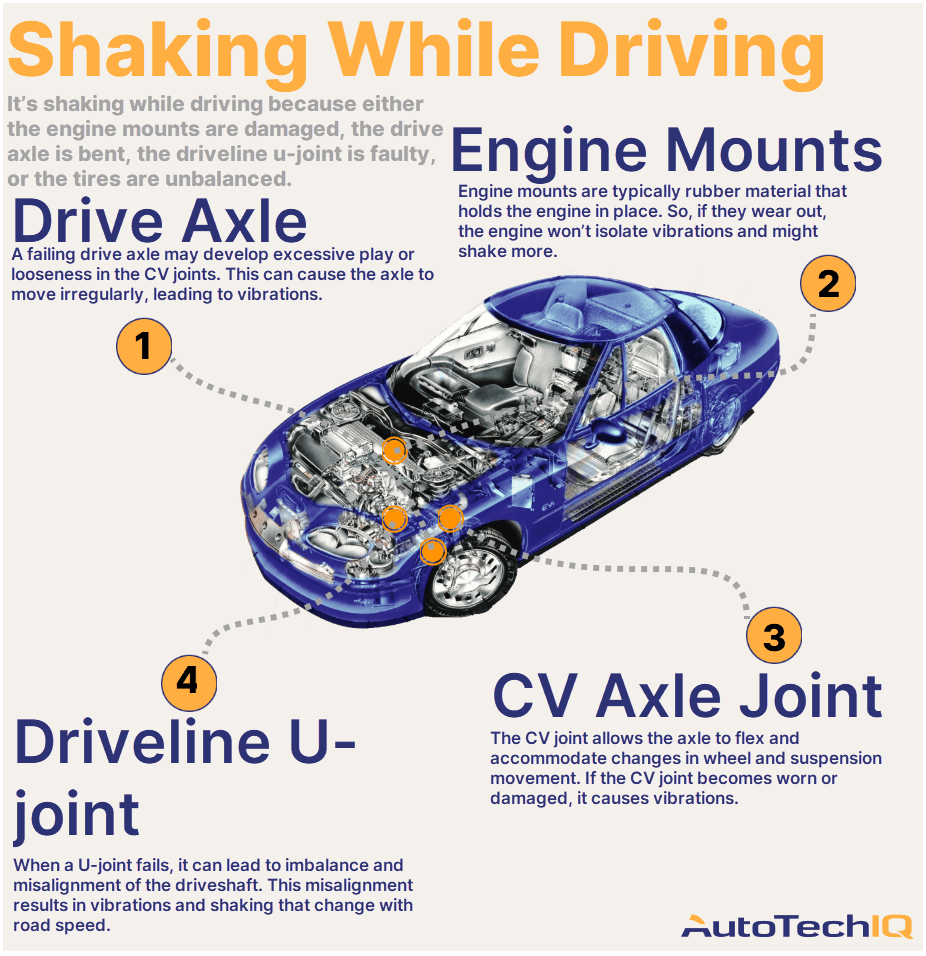
Cars shake for many reasons. Some are simple and cheap to fix. Others can signal a safety problem. Here are the most frequent causes I see in the shop and on the road.
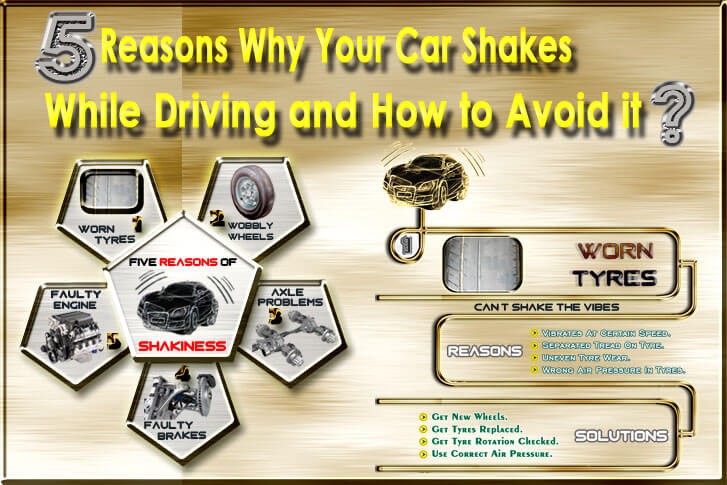
- Tire imbalance or uneven wear — A small wobble often comes from tires that are out of balance or have cupping, flat spots, or uneven tread.
- Wheel damage or bent rim — Hitting a pothole can bend a wheel. A bent rim causes vibration at specific speeds.
- Tire separation or bulge — The tire’s internal structure can separate. This causes a rhythmic thump or violent shake.
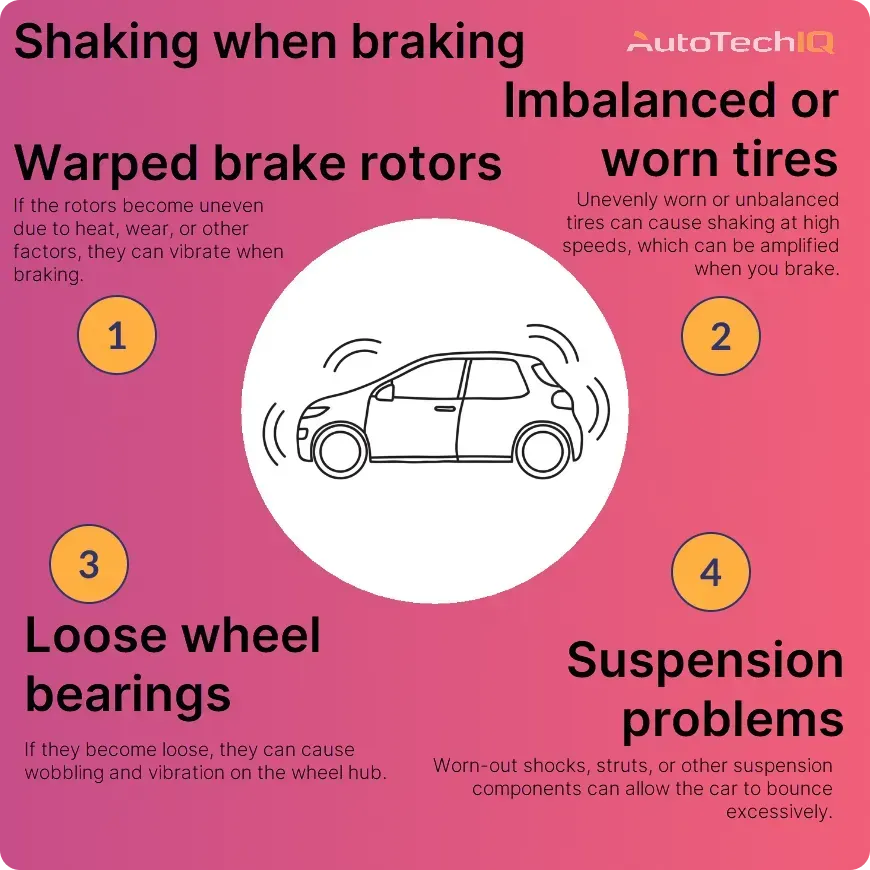
- Brake problems — Warped rotors or stuck calipers make the car shake when braking or at certain speeds.
- Suspension or steering component wear — Worn tie rods, ball joints, or wheel bearings create shaking, looseness, or a wandering feel.
- Engine misfire or mount failure — If the engine is misfiring, rough, or the motor mounts are worn, the whole car can vibrate, often worse at idle or under load.
- Drivetrain issues — Problems with CV joints, driveshaft balance, or U-joints cause vibration that changes with speed or when accelerating.
I’ve personally diagnosed many of these causes by listening, feeling, and testing at different speeds. Knowing where the shake comes from helps avoid unnecessary repairs.
How to diagnose the shake: step-by-step tests
A systematic approach saves time and money. Try these simple checks in a safe area before you go to a shop.
- Visual quick check
- Inspect all tires for tread damage, bulges, or nails.
- Look at wheels for obvious bends or missing lug nuts.
- Check for fluid leaks or loose parts under the car.
- Speed-based testing
- Drive at low speed in a parking lot. Note whether vibration appears at idle, low speed, or highway speed.
- Increase speed slowly. If the shake stops or starts at a specific speed, it often points to wheel balance or tires.
- Brake gently from speed. If vibration appears when braking, suspect brake rotors or pads.
- Steering and suspension checks
- While parked, wiggle the wheels by hand to feel for play in wheel bearings or tie rods.
- Listen for clicking or popping while turning; that suggests CV joint issues.
- Engine-focused checks
- Observe if the shake is worse at idle or under acceleration. Engine misfire or bad mounts often show this pattern.
- Look for the check engine light and scan codes if possible.
PAA-style questions (quick answers)
What if the vibration only happens over bumps?
Usually a suspension or shock absorber issue. Worn shocks let the car bounce and feel unstable.
Does wheel alignment cause shaking?
Misalignment can cause uneven tire wear, which eventually leads to shaking, but it rarely causes immediate violent vibration.
Can bad gas make the car shake?
Poor fuel or a clogged injector can cause engine roughness and mild shaking, often with a check engine light.
These steps helped me narrow problems quickly on real cars. If your car is shaking at highway speeds, note the exact speed range — that detail is gold for diagnosis.
Common fixes and what to expect
Once you identify the likely cause, here are common repairs and realistic expectations.
- Tire balancing and rotation
- Cost: usually low. Time: 30–60 minutes.
- Effect: fixes most speed-specific vibrations when tires are the cause.
- Tire replacement
- Cost: moderate to high depending on tire.
- Effect: mandatory for bulges, severe wear, or separation.
- Wheel repair or replacement
- Cost: low to moderate for straightening; moderate for new wheels.
- Effect: repairs wobble and restores balance.
- Brake service (resurface or replace rotors, replace pads)
- Cost: moderate.
- Effect: stops shaking during braking and restores smooth feel.
- Suspension and steering repairs (tie rods, wheel bearings, control arms)
- Cost: varies; can be moderate to high.
- Effect: restores handling and eliminates road-induced shakes.
- Engine tune, spark plug/injector service, and motor mount replacement
- Cost: low to moderate.
- Effect: removes engine-related vibrations and improves power.
From my experience, drivers often delay fixing a small vibration. That almost always leads to higher costs later. Addressing the cause early keeps repairs small and safe.
When to see a mechanic immediately
Some signs mean you should stop driving and get professional help right away.
- Severe shaking that affects steering control.
- Loud clunking, grinding, or metal-on-metal sounds.
- Smoke, burning smell, or fluid leaks.
- Vibration that starts suddenly after hitting a pothole.
- Check engine light with rough running and strong shaking.
If the shaking compromises your ability to control the vehicle, pull over safely and call for a tow. In my shop, cars towed in for these symptoms often had wheel damage or severe drivetrain failure that would be dangerous to drive.

Prevention and regular maintenance tips
Preventing shaking is mostly about routine checks and small fixes.
- Rotate and balance tires every 5,000 to 7,500 miles to spread wear evenly.
- Replace tires before sidewall damage or tread depth gets too low.
- Replace brake pads and service rotors on schedule per your owner’s manual.
- Inspect suspension components annually or when you feel unusual road feedback.
- Use quality tires and keep them inflated to the recommended pressure.
- Address unusual noises or handling changes promptly.
Consistent maintenance reduces the chance you’ll ask, why is my car shaking when i drive, down the road. I once kept a commuter car smooth for five years by rotating tires regularly and catching a bent wheel early.

Frequently Asked Questions of why is my car shaking when i drive
Why does my car shake at high speeds but not at low speeds?
High-speed shaking often points to wheel imbalance, tire separation, or bent rims. These problems create resonance at certain speeds that you don’t feel at low speeds.
Why does my car shake when I brake?
Shaking during braking usually means warped rotors or uneven brake pad contact. A brake inspection and rotor service typically fix the issue.
Could bad alignment make my car shake?
Poor alignment usually causes uneven tire wear and pulling rather than sudden shaking, but worn tires from misalignment can later cause vibration.
Why does my car shake while idling?
Shaking at idle often indicates an engine misfire, bad spark plugs, or worn motor mounts. A quick engine scan can reveal misfire codes.
Can a wheel bearing cause shaking?
Yes. A worn wheel bearing often causes a low-frequency rumble that increases with speed and may change when turning.
Is it safe to keep driving if my car shakes sometimes?
If the shake is mild and doesn’t affect control, short careful drives to a repair shop are usually fine. Strong shaking, loss of steering control, or sudden onset require stopping and getting help.
Conclusion
Feeling a shake while driving is frustrating and can be a warning sign. Most cases of why is my car shaking when i drive trace back to tires, wheels, brakes, suspension, or engine issues. Start with the simple checks outlined here, act quickly, and prioritize safety. If you’re unsure, have a trusted mechanic inspect the car — early diagnosis saves time and money.
Take action today: check your tires and brakes, note when the shake happens, and schedule an inspection if the problem persists. Share your experience or questions below — I’ll help you troubleshoot the next steps.