
Most cars overheat from low coolant, a stuck thermostat, failed fans, or a leaking radiator.
I’ve spent years fixing cooling problems in cars of all makes and ages. If you’re asking “why is my car overheating,” this guide walks you through simple checks, common causes, safe diagnostics, and reliable fixes. Read on for clear steps you can take now, plus tips I learned the hard way in the shop and on the road.
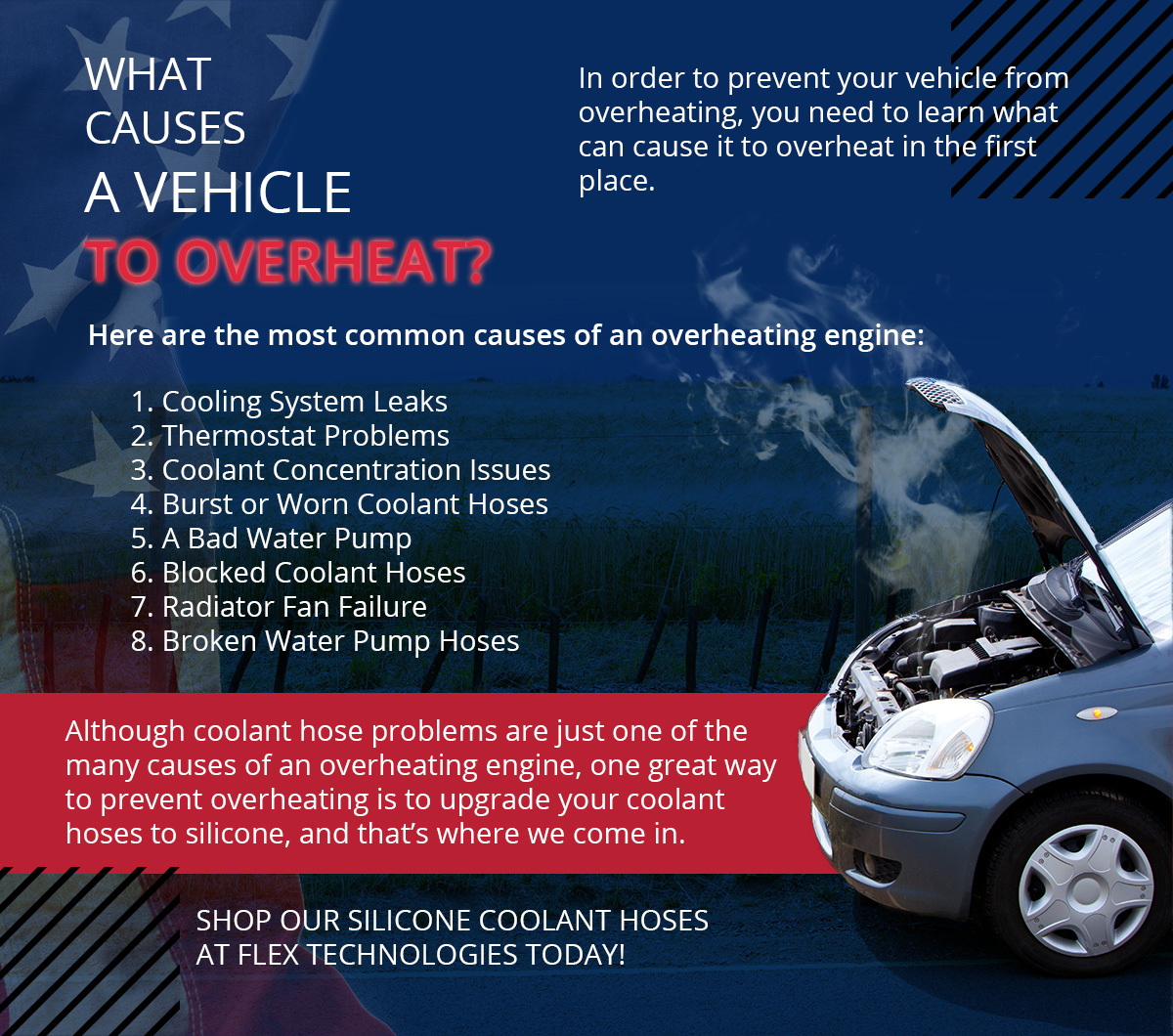
Common causes of overheating
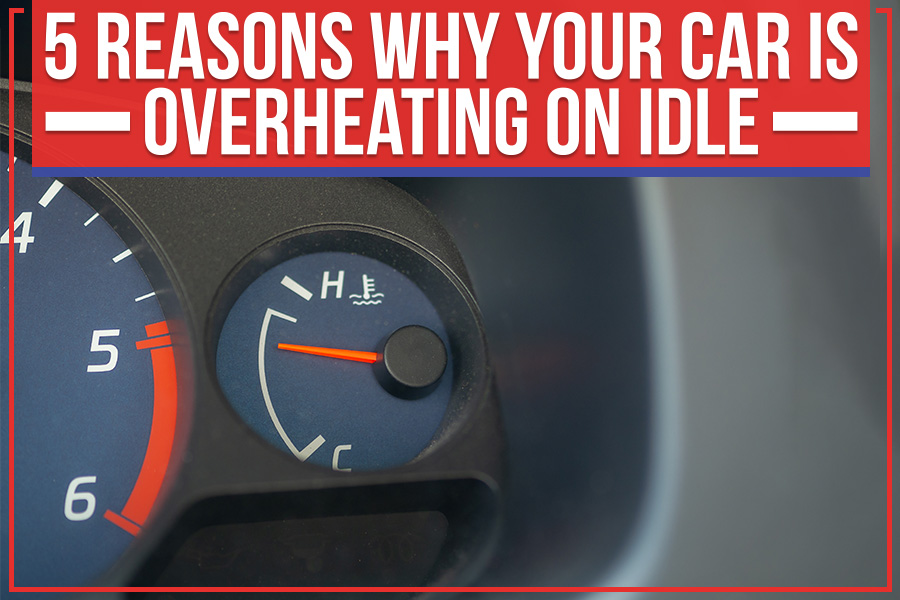
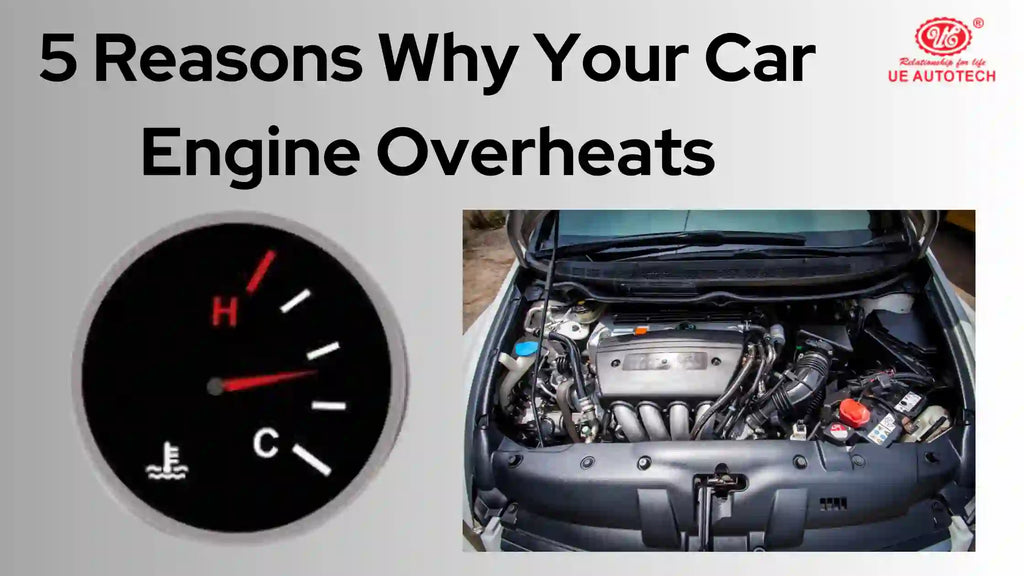
Cars overheat for a few repeatable reasons. Knowing the usual suspects helps you diagnose faster and avoid costly damage.
- Low coolant level
- Coolant loss is the top cause of why is my car overheating. A low reservoir or leak makes the engine run hot quickly.
- Broken or stuck thermostat
- A thermostat that won’t open prevents coolant flow. That often explains sudden temperature jumps.
- Radiator problems
- Blocked fins, internal corrosion, or a leak reduce cooling. A clogged radiator causes persistent overheating.
- Failed water pump
- If the pump can’t circulate coolant, the engine will heat fast. Look for coolant puddles or a loose belt.
- Radiator fan issues
- Electric fans not turning on or a broken fan clutch make hot traffic or idling dangerous.
- Head gasket failure
- A blown head gasket can allow exhaust gases into the coolant. This causes overheating plus white smoke or oil contamination.
- Air in the system
- Trapped air blocks coolant flow and leads to hot spots. Bleeding the system often fixes this.
These causes cover most roadside and shop cases of why is my car overheating. In my work, low coolant and fan faults show up most often.
How the cooling system works, simply
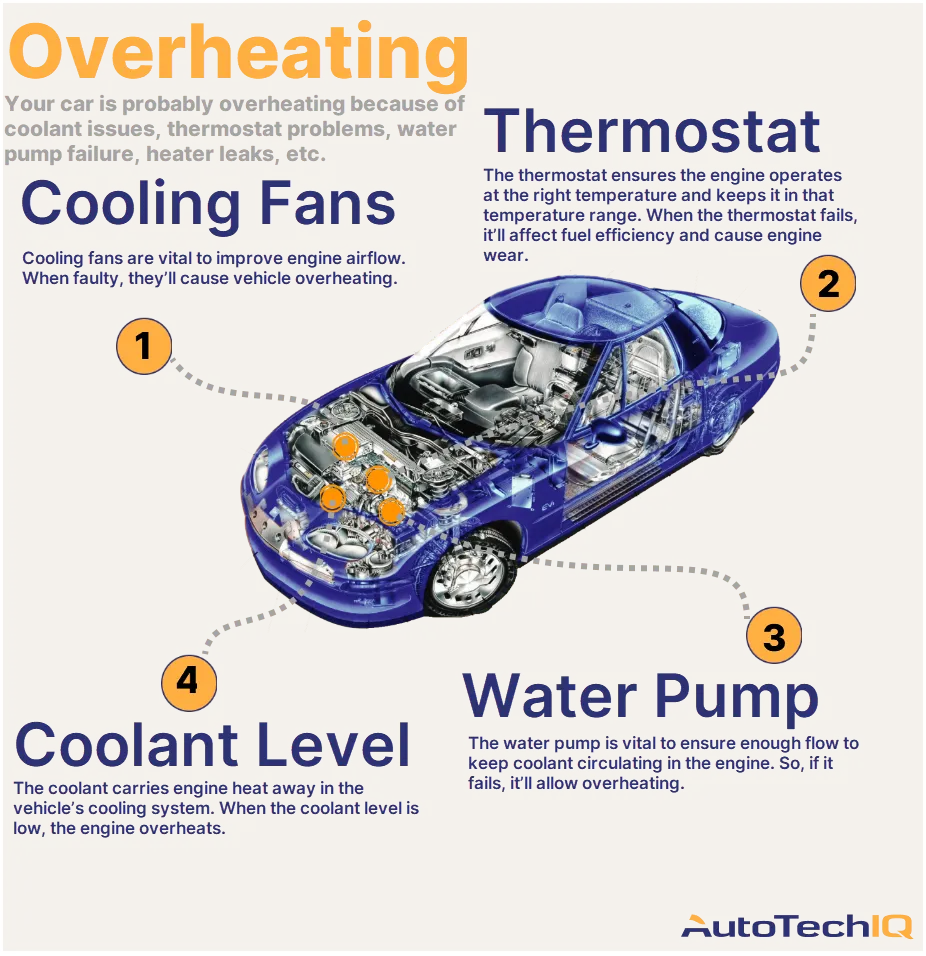
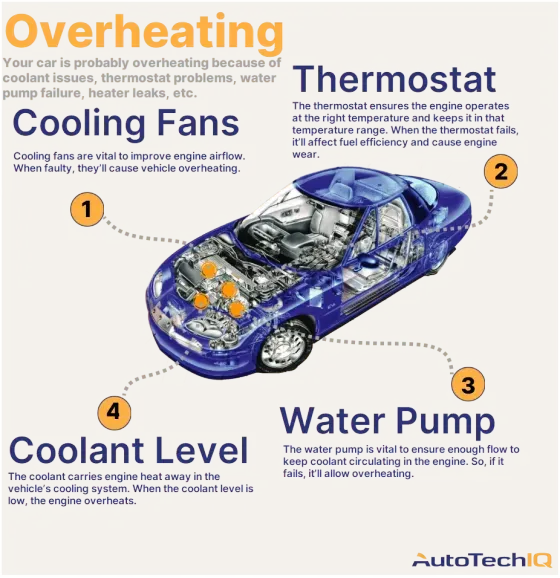
Understanding basics makes diagnosis easier. The cooling system keeps engine temps steady with a few parts that work as a team.
- Engine produces heat as it burns fuel.
- Coolant absorbs heat and flows through the engine.
- The thermostat controls coolant flow to the radiator.
- The radiator dumps heat to the air using fans and airflow.
- The water pump moves coolant through the loop.
When any part stops working, the balance breaks and you’ll ask, “why is my car overheating?” Think of the system like a home heating loop—if the pump, valves, or vents fail, rooms get too hot.
Symptoms and risks of overheating
Spotting signs early reduces repair cost and prevents major engine damage.
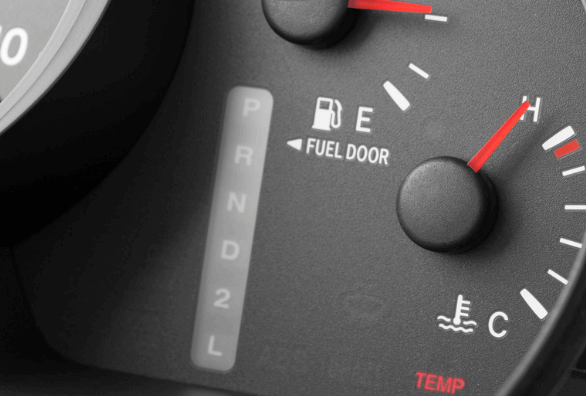
- Warning lights and temperature gauge climbing
- A quick rise on the gauge often precedes engine damage.
- Steam or strong coolant smell
- Steam from under the hood means boiling coolant or a leak.
- Loss of power or rough running
- Overheating can cause detonation and poor performance.
- Visible leaks or puddles
- Fresh coolant on the ground points to hoses, radiator, or water pump issues.
- Milky oil or white exhaust smoke
- These suggest a head gasket problem, a serious cause of why is my car overheating.
In my early days, I ignored a small coolant drip and later replaced a warped head. Small symptoms can signal big trouble.

Diagnosing the problem safely
Follow safe steps to narrow down why is my car overheating. Always work on a cool engine or use protective gear.
- Check coolant level
- With the engine cold, open the reservoir cap. Low fluid is an immediate clue.
- Inspect hoses and radiator
- Look for cracks, bulges, or wet spots.
- Watch the thermostat and fan
- Start the car and see if the radiator fan kicks on as temperature rises.
- Check for leaks and pressure-test
- A pressure tester finds hidden leaks and helps find a failing head gasket.
- Look for oil or coolant mixing
- Milky oil means coolant is entering the engine, a serious sign.
- Bleed the system if air is suspected
- Follow the manufacturer’s steps to remove trapped air.
If you find something obvious, address it. If not, a shop scan and pressure test will locate hidden causes of why is my car overheating.
Fixes and DIY steps you can try
Many fixes are simple and affordable. Try these safe DIY steps before heading to a mechanic.
- Top off coolant
- Use the right 50/50 mix unless the owner’s manual says otherwise.
- Replace worn hoses and clamps
- Hoses cost little and can stop leaks that cause overheating.
- Replace the thermostat
- A faulty thermostat is cheap to swap and often fixes overheating.
- Clean the radiator
- Remove debris from fins and consider a gentle flush if the coolant is dirty.
- Test or replace the radiator fan
- Electric fans and relays can fail. Swap if the fan doesn’t turn on.
- Replace the water pump
- A failing pump needs replacement to restore flow.
- Repair leaks and pressure-test afterward
- Fixing leaks restores coolant and prevents repeated temperature spikes.
If the head gasket is the cause, consider professional repair. I’ve patched small leaks myself but never risk a full engine rebuild at home.
Preventive maintenance to avoid overheating
Regular care cuts the odds that you’ll wonder why is my car overheating at a bad time.
- Check coolant level monthly
- A quick glance prevents gradual loss.
- Replace coolant per schedule
- Old coolant loses additives and corrodes parts.
- Inspect belts, hoses, and clamps
- Replace cracked or soft components.
- Keep the radiator clean
- Remove leaves and bugs that block airflow.
- Test the cooling fan and sensors periodically
- Sensors and relays can fail and go unnoticed.
From my experience, people who follow a simple checklist rarely end up stranded with an overheated engine. It’s preventive work that pays.
Frequently Asked Questions of why is my car overheating
Why is my car overheating only when idling?
Idling reduces airflow through the radiator, so a bad fan or low coolant will let the engine heat up. Check the fan operation and coolant level first.
Can driving with an overheating engine cause permanent damage?
Yes. Running hot can warp the head, crack the block, or blow a head gasket. Stop driving and cool the engine to avoid severe repairs.
How much does it cost to fix an overheating problem?
Costs vary widely: thermostat and hoses are inexpensive, while head gasket repairs can be costly. Most common fixes are modest if caught early.
Is it safe to add water instead of coolant?
Adding water in an emergency is okay short-term, but use proper coolant as soon as possible to protect against corrosion and freezing.
How long can I drive after the temperature gauge rises?
You should stop as soon as it’s safe. Driving even a few miles with high heat risks major engine damage. Pull over, let the engine cool, then assess.
Conclusion
Overheating usually stems from a few common failures: low coolant, thermostat issues, leaks, pump problems, or fan faults. Spotting signs early and running basic checks can save you time and money. Take action: check your coolant, inspect hoses and fans, and don’t delay a professional test if symptoms persist. If this article helped, consider sharing your experience below, subscribing for more car-care guides, or asking a specific question in the comments.