
GMC stands for General Motors Company, a brand known for trucks, SUVs, vans, and commercial vehicles.
The answer to “what does GMC car stand for” has a longer story than many drivers expect. GMC began with commercial trucks and became a major General Motors brand with a strong focus on utility, towing, off-road use, and premium truck design. This guide explains the name, history, vehicle lineup, and key differences between GMC and Chevrolet.
What Does GMC Car Stand For?
GMC stands for General Motors Company. However, the brand name has an older link to the phrase “General Motors Truck Company,” which reflected GMC’s early focus on trucks and commercial vehicles.
Today, GMC is not a separate company from General Motors. It is a vehicle brand within the General Motors family. The brand sells trucks, SUVs, vans, and fleet vehicles in the United States and other markets.
When people ask what does GMC car stand for, they usually want to know three things:
• What the letters mean
• Whether GMC is owned by General Motors
• How GMC differs from Chevrolet
The simple answer is that GMC is General Motors’ truck-focused brand. Its models often share engines, platforms, and technology with Chevrolet vehicles, but GMC usually has its own styling, features, trim levels, and pricing.

The History Behind the GMC Name
The history of GMC reaches back to the early 1900s. General Motors formed through a series of acquisitions, including truck makers and other vehicle companies. The company later brought several truck operations together under the GMC name.
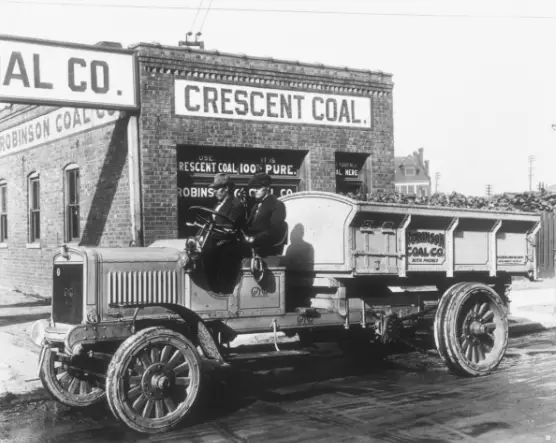
GMC became well known for building work trucks. These vehicles served businesses, farmers, construction crews, delivery companies, and government fleets. That background helped shape the brand’s image as a maker of strong and useful trucks.
Over time, GMC moved beyond basic work vehicles. It added comfortable cabins, advanced technology, powerful engines, and upscale materials. Modern GMC models can serve as family vehicles during the week and serious towing tools on the weekend.
The GMC name also appeared in military production during World War II. GMC built trucks for military use, which helped strengthen its reputation for durability. That history does not mean every modern GMC is built for military-level work, but it does explain the brand’s long connection with tough trucks.
Does GMC Mean “General Motors Corporation”?
For many years, GMC was linked with General Motors Corporation, the former legal name of General Motors. General Motors changed its corporate name to General Motors Company after its restructuring in 2009.
The GMC brand name stayed the same. As a result, some older explanations say GMC stands for “General Motors Corporation,” while modern references connect it with “General Motors Company” or the historical “General Motors Truck Company.”
For today’s shoppers, the most useful answer is General Motors Company. The important point is that GMC is a General Motors brand with deep truck-making roots.
Is GMC a Car Brand or a Truck Brand?
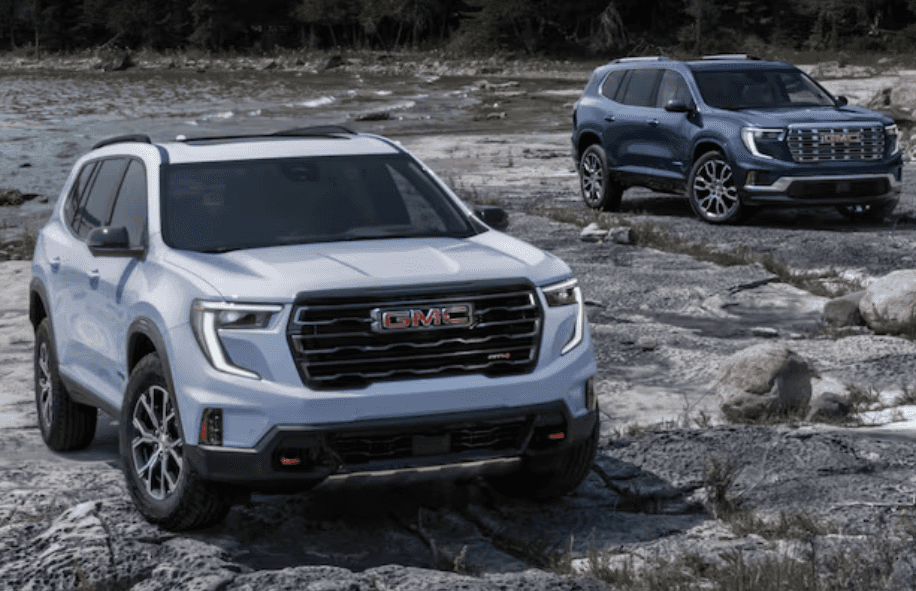
GMC is often called a car brand, but it does not currently focus on traditional passenger cars. Its lineup centers on trucks, SUVs, vans, and electric utility vehicles.
The word “car” is often used in a broad way to describe any personal vehicle. In that sense, a GMC vehicle may be called a GMC car. Technically, though, most GMC products are trucks or truck-based SUVs.
GMC’s main vehicle groups include:
• Pickup trucks such as the Canyon and Sierra
• Full-size SUVs such as the Yukon and Yukon XL
• Crossover SUVs such as the Terrain and Acadia
• Commercial vans such as the Savana
• Electric models such as the Hummer EV pickup and SUV
This focus gives GMC a clear identity. The brand aims at drivers who need cargo space, towing ability, ground clearance, or a more upscale truck experience.
GMC vs. Chevrolet: What Is the Difference?
GMC and Chevrolet are both owned by General Motors. They often use related platforms, engines, transmissions, and safety systems. Still, the two brands are not exactly the same.
Chevrolet usually has a wider and more value-focused lineup. It sells cars, compact vehicles, sports cars, trucks, and SUVs. GMC focuses more closely on trucks, SUVs, commercial vehicles, and upscale features.
Here are common differences between similar models:
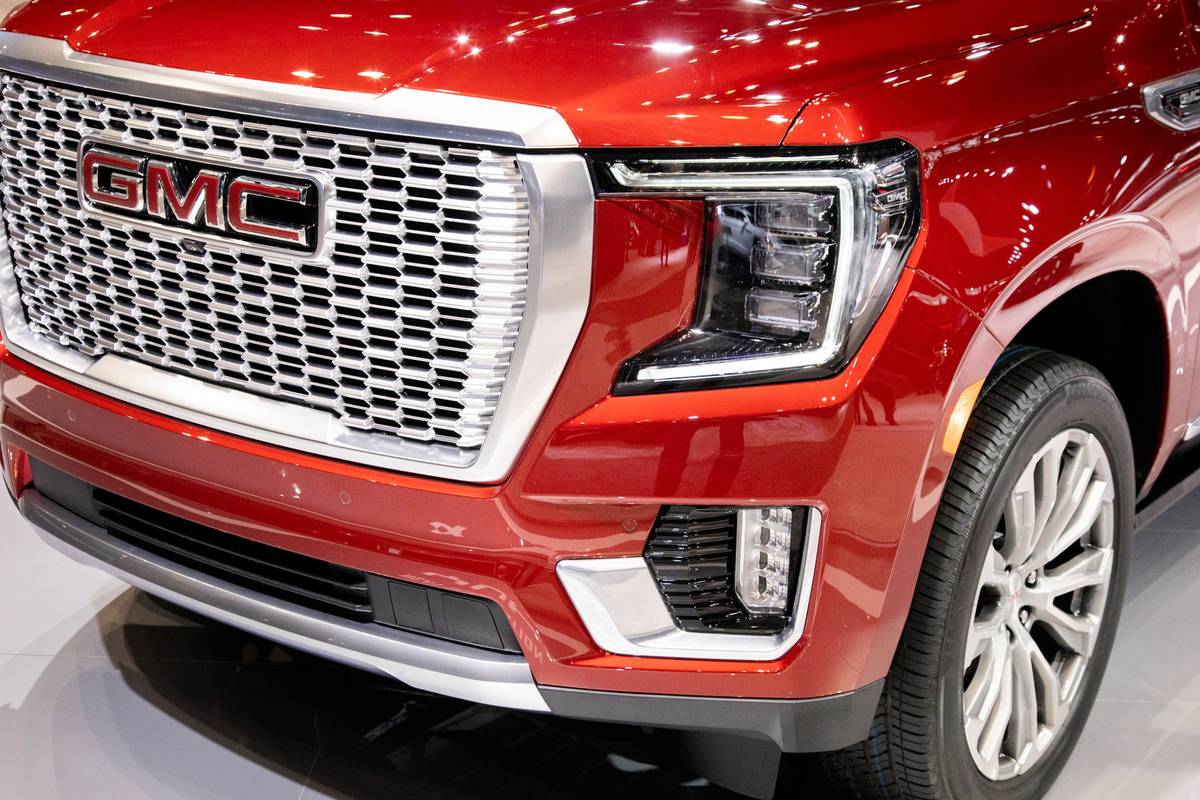
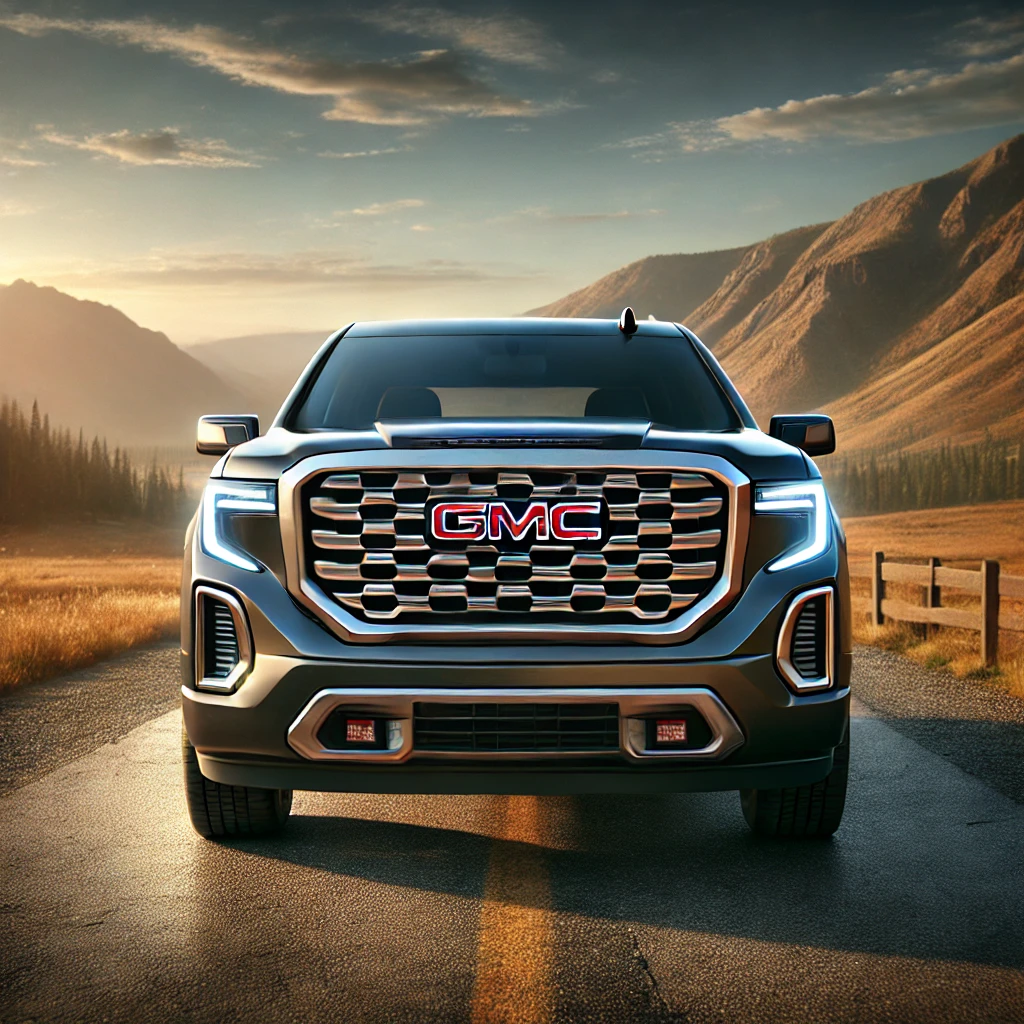
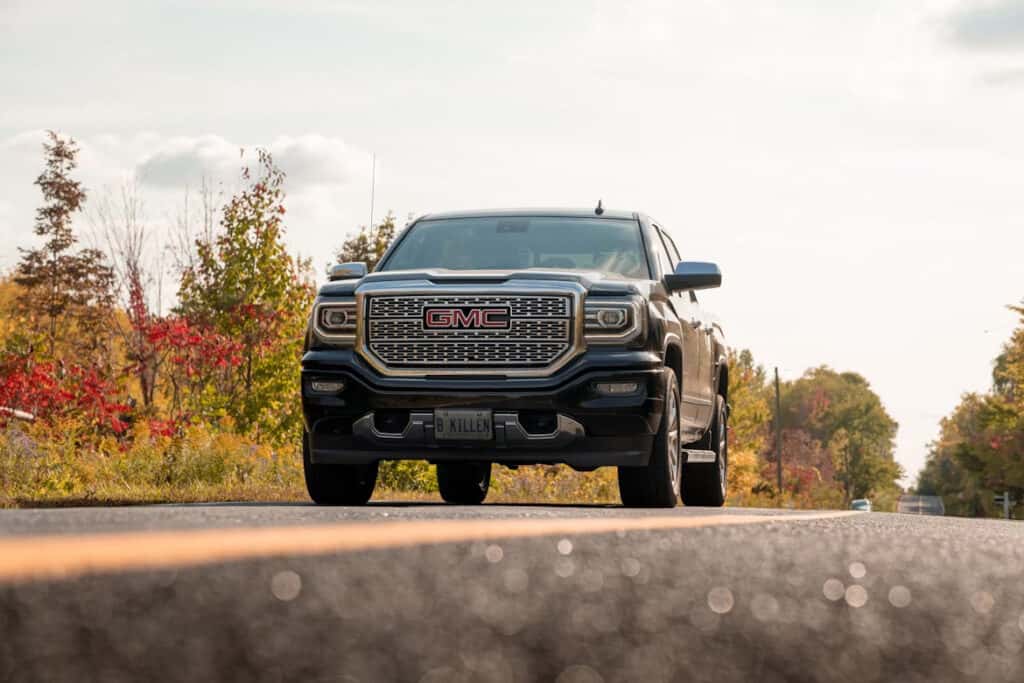
• Exterior design: GMC vehicles often use a bold grille and more squared-off styling.
• Interior materials: Higher GMC trims may offer richer materials and more comfort features.
• Trim names: GMC uses trims such as Elevation, AT4, Denali, and the new-generation luxury-focused grades.
• Off-road equipment: AT4 models often include features such as all-terrain tires, skid plates, or extra ground clearance.
• Luxury equipment: Denali models usually offer premium upholstery, larger screens, special styling, and advanced comfort features.
• Price: A similar GMC may cost more than its Chevrolet counterpart because of its design and equipment.
For example, the GMC Sierra and Chevrolet Silverado are closely related full-size pickups. They may share major mechanical components, but they offer different designs, trim structures, and customer experiences.
The GMC Canyon and Chevrolet Colorado also share a platform and many technical elements. However, a buyer may choose the Canyon for its Denali luxury trim or AT4 off-road model.
The best choice depends on how you plan to use the vehicle. A Chevrolet may provide excellent value, while a GMC may offer a more upscale feel or a trim that better fits your needs.
What Makes GMC Vehicles Different?
The meaning behind GMC is closely tied to capability. The brand builds vehicles for drivers who want strength but do not want to give up comfort.
Towing and Hauling Capability
GMC trucks offer several engine and axle choices. Depending on the model and equipment, a Sierra can tow heavy trailers, boats, campers, or work equipment.
Towing capacity is not based on the engine alone. It also depends on:
• Cab style
• Bed length
• Drive system
• Axle ratio
• Trailer package
• Payload
• Vehicle weight
• Hitch setup
Always check the exact towing guide for the model year and configuration. A truck with the largest engine may not have the highest rating if it lacks the right package.
Off-Road Features
GMC uses the AT4 name for many off-road-oriented models. These vehicles may include four-wheel drive, hill descent control, all-terrain tires, recovery equipment, and protective underbody parts.
The AT4 badge does not make a vehicle unstoppable. Tires, driver skill, weather, trail conditions, and ground clearance still matter. Think of the equipment as a better set of tools, not a promise that every trail will be easy.
Premium Denali Models
Denali is GMC’s best-known luxury trim. It adds special grille designs, upgraded seats, premium audio, larger wheels, and extra technology.
A Denali can feel more like a luxury vehicle than a basic work truck. Still, it remains a truck or SUV at heart. Buyers should consider whether they need the extra capability or mainly want the comfort and appearance.
Electric Innovation
GMC has also entered the electric vehicle market. The Hummer EV shows how the brand is combining electric power with off-road performance and large-truck design.
Electric trucks can deliver strong low-speed torque and smooth acceleration. However, range may change with cold weather, heavy loads, towing, speed, and tire choice. A person who frequently pulls a trailer should study real-world range tests instead of relying only on the official estimate.
Common GMC Models Explained
Understanding the lineup makes the answer to what does GMC car stand for more practical.
GMC Sierra
The Sierra is GMC’s full-size pickup truck. It competes with vehicles such as the Chevrolet Silverado, Ford F-150, Ram 1500, and Toyota Tundra.
The Sierra is available in several forms, including:
• Light-duty Sierra 1500
• Heavy-duty Sierra 2500 HD
• Heavy-duty Sierra 3500 HD
• Off-road AT4 models
• Luxury Denali models
• Electric Sierra versions in selected markets
It may suit someone who needs a daily driver, work truck, towing vehicle, or family vehicle with a large cabin.
GMC Canyon
The Canyon is a midsize pickup. It is easier to park than a full-size truck and can still provide useful towing and cargo ability.
The Canyon works well for drivers who want an open bed but do not need the size of a Sierra. Off-road versions can appeal to outdoor users, while higher trims add comfort and technology.
GMC Yukon
The Yukon is a full-size SUV with three rows of seats. It shares much of its engineering with the Chevrolet Tahoe, but it has GMC-specific styling and trim choices.
The Yukon XL adds more rear cargo space. This can help large families, travelers, and people who carry sports equipment or business supplies.
GMC Acadia
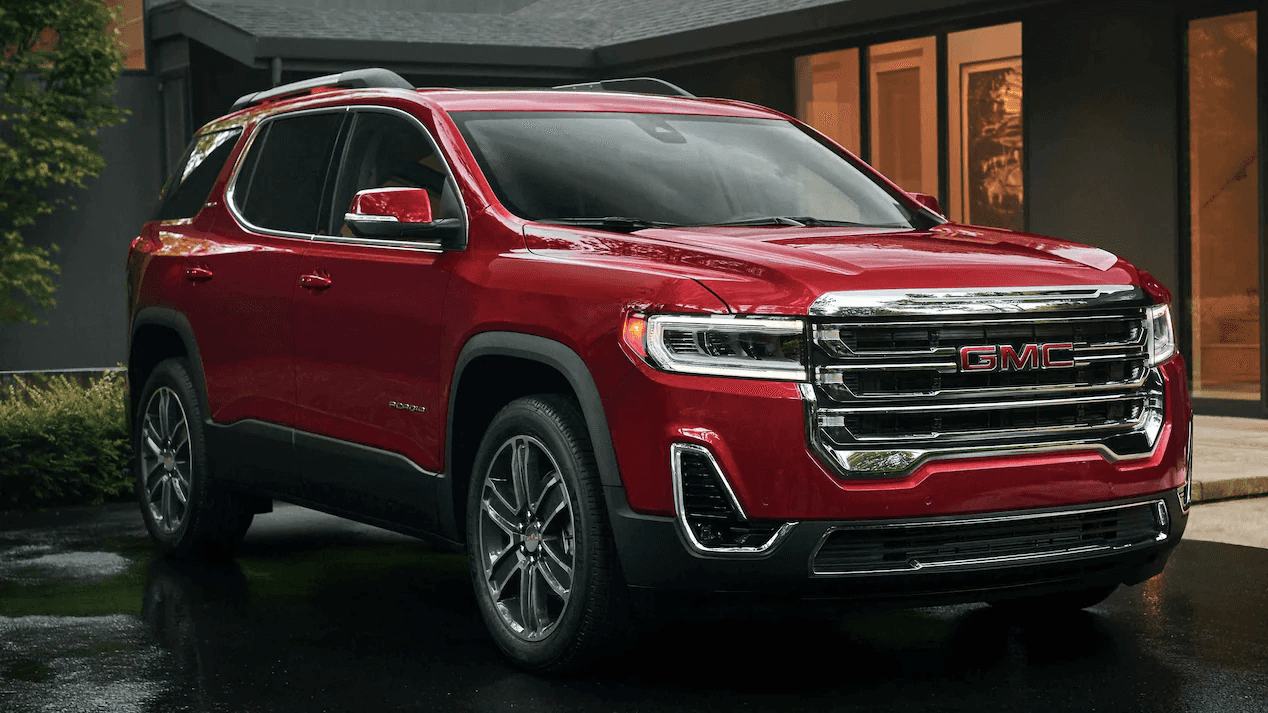
The Acadia is a midsize SUV designed for family use. It offers seating, cargo room, available all-wheel drive, and modern driver-assistance features.
Compared with the Yukon, the Acadia is easier to manage in crowded areas and generally uses less fuel. It may be a better fit for daily family trips than heavy towing.
GMC Terrain
The Terrain is a smaller SUV. It targets drivers who want a raised seating position and flexible cargo space without moving into a large truck-based SUV.
Its compact size makes it practical for city driving. As with any SUV, buyers should compare rear-seat room, cargo space, fuel use, and safety features before choosing.
GMC Savana
The Savana is a full-size van sold for passenger and commercial use. Businesses may use it for transport, service work, delivery, or equipment storage.
It is an example of GMC’s long connection with fleet and commercial vehicles.
Are GMC Vehicles Reliable?
GMC reliability varies by model, engine, transmission, maintenance history, and model year. No brand produces a perfect vehicle every year.
A well-maintained GMC can last for many years, especially when the owner follows the service schedule. Trucks used for towing, construction, or heavy loads may experience more wear than vehicles used for light commuting.
Before buying a new or used GMC, review:
• Recalls for the exact model year
• Warranty coverage
• Service records
• Transmission and engine history
• Tire and brake condition
• Rust, especially on older trucks
• Towing and payload needs
• Repair costs in your area
Independent reliability surveys can help, but they are not a guarantee. A survey may combine several models or years, so it is better to study the exact vehicle you plan to buy.
A vehicle inspection is especially important with a used GMC truck. A mechanic can check the frame, suspension, four-wheel-drive system, cooling system, and signs of hard towing.
One common mistake is judging a used truck by its clean paint and polished interior. A truck can look perfect while hiding worn suspension parts or a stressed transmission. Maintenance records are often more valuable than appearance.
Is GMC Worth the Extra Cost?
A GMC may be worth the higher price if you value its styling, interior quality, trim choices, or available features. It may also make sense if GMC offers the exact towing or off-road setup you need.
The higher price may not be worthwhile if you only want basic transportation. In that case, a comparable Chevrolet or another brand may provide better value.
Compare the full cost, not just the monthly payment. Include:
• Purchase price
• Interest charges
• Insurance
• Fuel or charging costs
• Tires
• Routine service
• Expected resale value
• Accessories and towing equipment
For example, a Denali can be attractive because it feels refined and powerful. But if you rarely tow, travel off-road, or need a large truck, a smaller SUV may save money and be easier to live with.
How to Choose the Right GMC Vehicle
Start with your daily needs, not the badge. The GMC name may suggest strength, but the right model depends on your routine.
Use this simple process:
- List how many people you carry most weeks.
- Measure the trailer, tools, or equipment you need to transport.
- Decide whether you need a bed, cargo area, or third-row seats.
- Check your local parking space and garage height.
- Compare fuel, electric range, or charging needs.
- Choose two or three trims to compare.
- Test-drive the exact configuration you may buy.
- Confirm towing, payload, warranty, and service costs.
Do not assume that four-wheel drive is always necessary. It can improve traction in certain conditions, but it adds weight, cost, and maintenance needs. Good tires and careful driving matter just as much in many situations.
If you tow, bring your trailer details to the dealer. Ask for the exact vehicle’s maximum loaded trailer weight, payload rating, hitch rating, and tongue-weight limit. These numbers help prevent unsafe guesses.
GMC Name and Badge Terms to Know
GMC uses several trim and technology names. Learning them can make vehicle shopping easier.
• Elevation: A modern trim with distinctive styling and useful features.
• AT4: An off-road-focused trim available on several GMC trucks and SUVs.
• Denali: A premium trim with luxury-oriented design and equipment.
• Sierra HD: Heavy-duty Sierra trucks designed for demanding towing and hauling.
• Pro: A work-focused trim that may emphasize practical equipment and value.
• AWD: All-wheel drive, which can send power to multiple wheels as needed.
• 4WD: Four-wheel drive, often used for low-traction or off-road conditions.
• Trailering package: Equipment that may improve towing ability, but the exact contents vary by model.
Trim names can change over time. Always check the official specifications for the model year you are considering.
Frequently Asked Questions About What Does GMC Car Stand For
What does GMC car stand for?
GMC stands for General Motors Company. The brand has historical ties to the name General Motors Truck Company because of its early focus on trucks.
Is GMC owned by Chevrolet?
No. GMC and Chevrolet are separate brands owned by General Motors. They may share platforms and mechanical parts, but they have different designs, trim levels, and marketing positions.
Is GMC a luxury brand?
GMC is not strictly a luxury brand, but it offers upscale models. Denali trims provide premium materials and features, while other GMC trims focus more on work, value, or off-road use.
Are GMC and Chevy trucks the same?
GMC and Chevrolet trucks can share engines, frames, transmissions, and other components. They are not identical because their styling, features, trim choices, and prices can differ.
Does GMC make cars?
GMC mainly makes pickup trucks, SUVs, vans, and electric utility vehicles. It does not focus on traditional sedans or small passenger cars.
What is the difference between GMC Sierra and Chevy Silverado?
The Sierra and Silverado are closely related full-size pickups from General Motors. The Sierra often offers different styling and more premium trim choices, while the Silverado may provide a broader range of value-focused configurations.
What does GMC Denali mean?
Denali is GMC’s premium trim level. It usually includes upgraded interior materials, unique exterior details, larger wheels, advanced technology, and added comfort features.
Is GMC good for towing?
Many GMC trucks are well suited to towing when properly equipped. The exact capacity depends on the engine, cab, drivetrain, axle, hitch, payload, and trailering package.
Conclusion
GMC stands for General Motors Company, but its identity comes from a much longer history of building trucks and commercial vehicles. Today, GMC offers pickups, SUVs, vans, off-road models, luxury Denali trims, and electric vehicles.
The brand shares engineering with Chevrolet, yet it offers its own design, features, and ownership experience. When comparing a GMC, focus on the exact model, trim, towing rating, maintenance record, and total cost rather than relying on the badge alone.
Use this guide to narrow your choices, check the official specifications for your model year, and schedule a thorough test drive. If you have experience with a GMC truck or SUV, share your thoughts in the comments or explore more vehicle buying guides before making your decision.