
TC on a car usually means traction control, a safety system that limits wheelspin.
If you see “TC,” “TCS,” or a car-with-squiggly-lines symbol, your vehicle is telling you about its traction control system. This guide explains what does TC mean on a car, how the system works, why the light appears, and what you should do next.
What Does TC Mean on a Car?
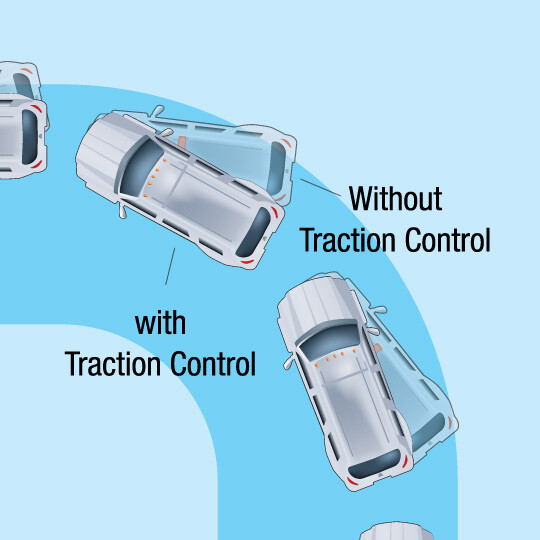
TC usually means traction control. It is an electronic safety feature that helps your tires grip the road when they begin to spin.
When you accelerate on a wet, icy, snowy, or loose surface, one or more wheels may lose traction. The traction control system detects this loss of grip and takes action. It may reduce engine power, apply the brake to a spinning wheel, or use both methods.
The goal is simple: keep the tires connected to the road and help the car move in the direction you want.
The exact name can vary by automaker. You may see:
• TC, meaning traction control
• TCS, meaning traction control system
• TRAC, used by some Toyota models
• ASR, used by some European brands
• ESC or ESP, referring to electronic stability control
Traction control and stability control often work together, but they are not exactly the same. Traction control limits wheelspin during acceleration. Stability control helps prevent a skid when the car begins to move sideways or drift from the driver’s intended path.

How Does a Traction Control System Work?
A traction control system uses several sensors to monitor the car while it moves. The system compares wheel speeds and looks for signs that one wheel is spinning faster than the others.
The main parts often include:
• Wheel-speed sensors that measure how fast each tire rotates
• An engine control module that analyzes sensor data
• A brake control unit that can apply pressure to an individual wheel
• A throttle system that can reduce engine power
• A yaw sensor that helps related stability systems detect vehicle movement
For example, imagine your front tires are on a wet road after a rainstorm. You press the gas pedal, but one tire starts spinning faster than the other. The system sees the difference in wheel speed.
It may then:
- Reduce fuel or throttle input.
- Lower engine torque.
- Apply the brake to the spinning wheel.
- Restore power as the tire regains grip.
You may feel a brief vibration, hear a clicking sound, or notice the engine respond more slowly. That is often normal when the system is actively correcting wheelspin.
Modern systems work very quickly. The driver may only notice a flashing dashboard light and a slight change in acceleration. In simple terms, traction control acts like a careful co-driver who eases off the gas when the tires need help.
What Does the TC Light Mean?
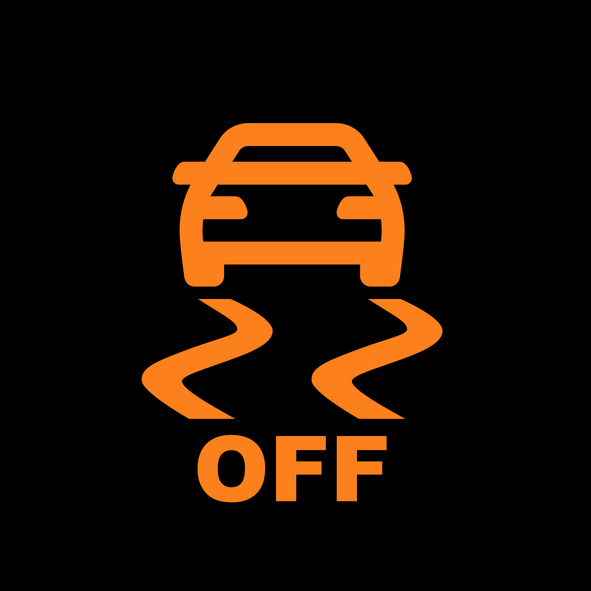
The meaning of the TC light depends on whether it is flashing or staying on.
A flashing TC light usually means the system is working. The car has detected wheelspin and is trying to improve traction. This often happens during hard acceleration on rain, snow, gravel, mud, or ice.
A steady TC light can mean one of several things:
• The traction control system is turned off
• The system has detected a fault
• A wheel-speed sensor is dirty or damaged
• The car has a problem with the anti-lock brake system
• The vehicle has entered a reduced safety mode
Some cars display a message such as “Traction Control Off,” “Service Traction Control,” or “Check ESC.” Your owner’s manual is the best source for the exact meaning of the warning.
A steady light does not always mean the car will stop working. However, it may mean that a useful safety feature is no longer available. Drive carefully and arrange an inspection if the light remains on.
If the TC light appears with the ABS light, brake warning light, or stability control light, take the warning more seriously. These systems share parts and data, so one fault can affect several features.

Why Is the TC Light On?
A traction control warning can come from a small sensor issue or a larger brake and control problem. The most common causes include the following.
Wheel-Speed Sensor Problems
Wheel-speed sensors sit near the wheels and monitor tire rotation. Road salt, mud, rust, or damaged wiring can affect their signals.
A faulty sensor may also trigger the ABS light or stability control warning. A diagnostic scan can help identify which wheel is reporting an unusual reading.
Damaged or Uneven Tires
Traction control depends on accurate wheel-speed information. Tires with very different tread depths, sizes, or inflation pressures can confuse the system.
Using mismatched tires on an all-wheel-drive vehicle can be especially harmful. Always follow the tire size and replacement guidance in the owner’s manual.
Bad Road Conditions
The light may flash because the road is slick, not because the car has a fault. Snow, ice, wet leaves, loose gravel, and sand can all cause normal traction control activity.
If the light flashes briefly and then turns off, the system may be working exactly as designed.
Faulty Steering or Stability Sensors
The system may also depend on steering-angle, yaw, or acceleration sensors. If one of these sensors loses its calibration or fails, the car may disable traction control and stability control.
A steering wheel alignment issue can sometimes affect the steering-angle sensor.
Engine or Throttle Problems
Some vehicles reduce engine power to control wheelspin. A throttle body problem, engine-control fault, or wiring issue may therefore trigger a traction control message.
This is one reason a professional scan is more useful than replacing parts based only on the dashboard symbol.
The System Was Turned Off
Many cars have a button marked “TC,” “TCS,” or a skidding-car icon. Pressing it may turn traction control off or reduce its intervention.
A light may stay on until you press the button again, restart the car, or restore normal settings. Check the instrument display and owner’s manual before assuming there is a mechanical failure.

Is It Safe to Drive With the TC Light On?
It may be safe to drive a short distance if the car feels normal and the light is steady. However, the vehicle may have less protection against wheelspin and loss of control.
Use extra care in rain, snow, and icy conditions. Avoid sudden acceleration, sharp turns, and high speeds until you know why the light is on.
Stop driving and seek help if you notice:
• Poor braking performance
• A brake pedal that feels soft
• Severe loss of engine power
• Unusual steering behavior
• Loud grinding or clicking from a wheel
• Several warning lights appearing at once
• A flashing warning light that does not stop
Never treat the TC light as a replacement for careful driving. Traction control cannot create grip where none exists. It can help manage a loss of traction, but bald tires, excessive speed, and ice can still overwhelm the system.

What Is the Difference Between TC, ABS, and ESC?
These systems are related, but each has a different job.
Traction Control
Traction control limits wheelspin when you accelerate. It helps the tires maintain grip with the road.
Anti-Lock Braking System
ABS prevents the wheels from locking during hard braking. It rapidly adjusts brake pressure so you can keep steering while slowing down.
Electronic Stability Control
ESC helps keep the vehicle traveling in the direction you intend. It can reduce engine power and apply individual brakes when the car begins to skid or rotate.
Here is a simple example:
• TC helps when the tires spin as you pull away from a stop.
• ABS helps when the tires might lock during emergency braking.
• ESC helps when the vehicle starts sliding around a curve.
The National Highway Traffic Safety Administration recognizes electronic stability control as an important vehicle safety technology. Still, these systems assist the driver. They do not cancel the laws of physics.
Should You Turn Traction Control Off?
Most drivers should leave traction control on during normal driving. It is especially useful on wet roads, during rain, and when accelerating from a slippery intersection.
There are a few situations where temporarily turning it off may help. If the vehicle is stuck in deep snow, sand, or mud, the system may reduce engine power too much. A small amount of wheelspin can sometimes help the tires dig out.
Use this approach carefully:
- Turn the system off only if the owner’s manual allows it.
- Use gentle throttle input.
- Clear the vehicle as soon as possible.
- Turn traction control back on immediately afterward.
Some vehicles do not fully disable the system. They may only allow more wheelspin or switch to a special driving mode.
Do not turn traction control off to drive faster on public roads. That choice can make a skid harder to control, especially for drivers who are not trained in vehicle dynamics.

How to Fix a TC Warning Light
Start with simple checks, but do not ignore a warning that returns.
- Check whether the TC button was pressed accidentally.
- Turn the vehicle off, wait a moment, and restart it.
- Check tire pressure in all four tires.
- Look for a flat, damaged, or badly worn tire.
- Confirm that the tire sizes match the vehicle’s requirements.
- Notice whether ABS, brake, or check-engine lights are also on.
- Read the owner’s manual for the specific symbol.
- Have the car scanned for diagnostic trouble codes.
A basic code reader may not communicate with the ABS or stability control module. In that case, a repair shop may need a professional scan tool.
Avoid replacing a wheel sensor based only on a guess. A damaged wire, wheel bearing, tone ring, fuse, or control module can create similar symptoms. Accurate diagnosis saves money and prevents a new part from failing to solve the real problem.
A common mistake is to clear the light without fixing the cause. The warning may disappear for a short time, but the safety system can still be unavailable.
What Does TC Mean on a Car in Different Situations?
The same letters can have different meanings depending on the dashboard, button, or vehicle brand.
If TC appears beside a skidding-car symbol, it almost certainly refers to traction control. If it appears in an information menu, it may refer to a trip computer or another feature on some models.
Look at the location and wording:
• A flashing skidding-car symbol usually means traction control is active.
• A steady skidding-car symbol may indicate the system is off or has a fault.
• “TC Off” usually means traction control has been disabled.
• “Service TC” usually means the system needs diagnosis.
• A menu label may have a different meaning, so check the manual.
This is why the owner’s manual matters. Dashboard symbols are not perfectly identical across every car, truck, and SUV.

Practical Tips for Using Traction Control
Good driving habits help traction control work effectively.
• Keep all tires properly inflated.
• Replace tires before the tread becomes unsafe.
• Use the correct tire size and type.
• Slow down before entering a wet or icy curve.
• Accelerate smoothly on slippery surfaces.
• Leave more space for braking in poor weather.
• Keep traction control on unless a specific situation requires otherwise.
• Treat repeated warning lights as a repair issue.
One useful lesson from real-world vehicle checks is that tire condition often explains poor traction before an electronic part does. Drivers sometimes focus on the dashboard light while overlooking low pressure, worn tread, or two different tire brands on the same axle.
Also remember that traction control does not improve braking distance on ice. It mainly helps during acceleration and directional control. Winter tires, safe speed, and good judgment remain essential.
Frequently Asked Questions About What Does TC Mean on a Car
Does TC mean traction control?
Yes, TC usually means traction control. It is a system that limits wheelspin when a tire loses grip during acceleration.
Can I drive with the traction control light on?
You may be able to drive carefully if the car feels normal and the light is steady. However, traction control may not work, so get the vehicle checked, especially before driving in rain, snow, or ice.
Why is my TC light flashing?
A flashing TC light usually means the system is actively controlling wheelspin. This is common when accelerating on wet, snowy, icy, or loose roads.
Why will my TC light not turn off?
The light may stay on because traction control was switched off or because the system detected a fault. A damaged wheel-speed sensor, tire issue, ABS problem, or wiring fault can cause the warning.
Should traction control be on or off?
Keep traction control on for normal driving. You may briefly turn it off when stuck in deep snow, sand, or mud, but follow the vehicle manufacturer’s instructions.
Is traction control the same as stability control?
No. Traction control limits wheelspin during acceleration, while stability control helps correct sideways movement or a developing skid. Many vehicles use both systems together.
How much does it cost to fix a TC light?
The cost depends on the cause. A simple sensor or wiring repair may be fairly affordable, while a wheel bearing, ABS module, or stability control component can cost much more.
Conclusion
TC on a car usually means traction control. The system watches wheel speed, reduces wheelspin, and works with ABS and stability control to help keep your vehicle on the road.
A flashing TC light often shows normal operation. A steady light may mean the system is off or has a fault. Check your tires, confirm the system is enabled, drive carefully, and arrange a proper diagnostic scan if the warning remains.
Understanding what does TC mean on a car helps you respond calmly instead of guessing. Check your owner’s manual, maintain your tires, and ask a qualified technician to inspect repeated warnings. Share this guide with another driver who wants to understand their dashboard better.