

What to do in a car accident: stay safe, call for help, document the scene, and report the crash promptly.
Knowing what to do in a car accident can protect your health, preserve key evidence, and make the insurance process much easier. The first few minutes may feel confusing, but a simple plan helps you stay calm and avoid common mistakes. This guide explains the safest steps, what information to collect, when to call the police, and how to handle injuries, insurance, and legal concerns.

What to do in a car accident immediately
Your first priority is safety. A crash can create new dangers from moving traffic, leaking fuel, broken glass, fire, or damaged power lines. Take a slow breath, look around, and focus on the next safe step.
Follow this order:
- Stop your vehicle. Never leave the scene unless you need emergency medical help.
- Turn on your hazard lights.
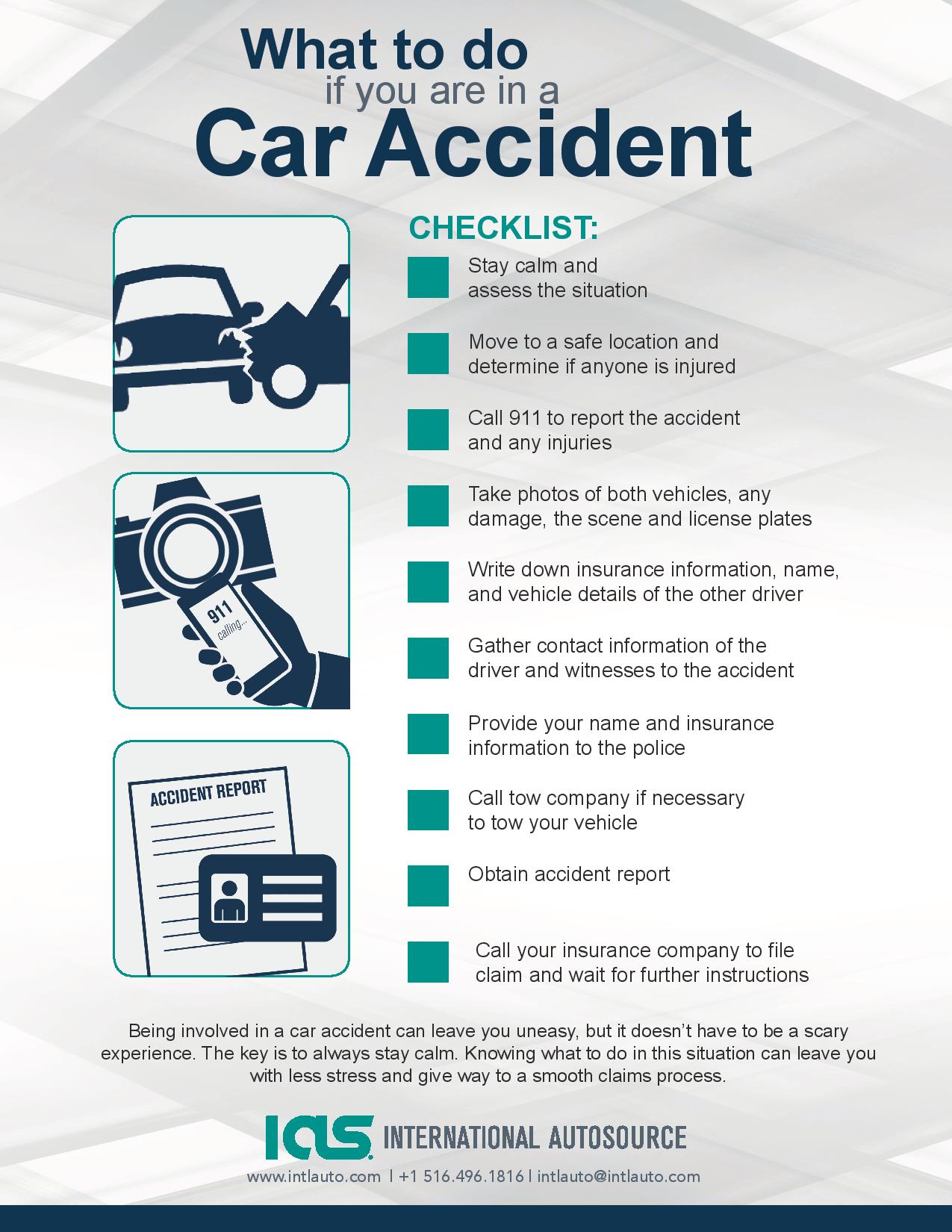
- Check yourself and your passengers for injuries.
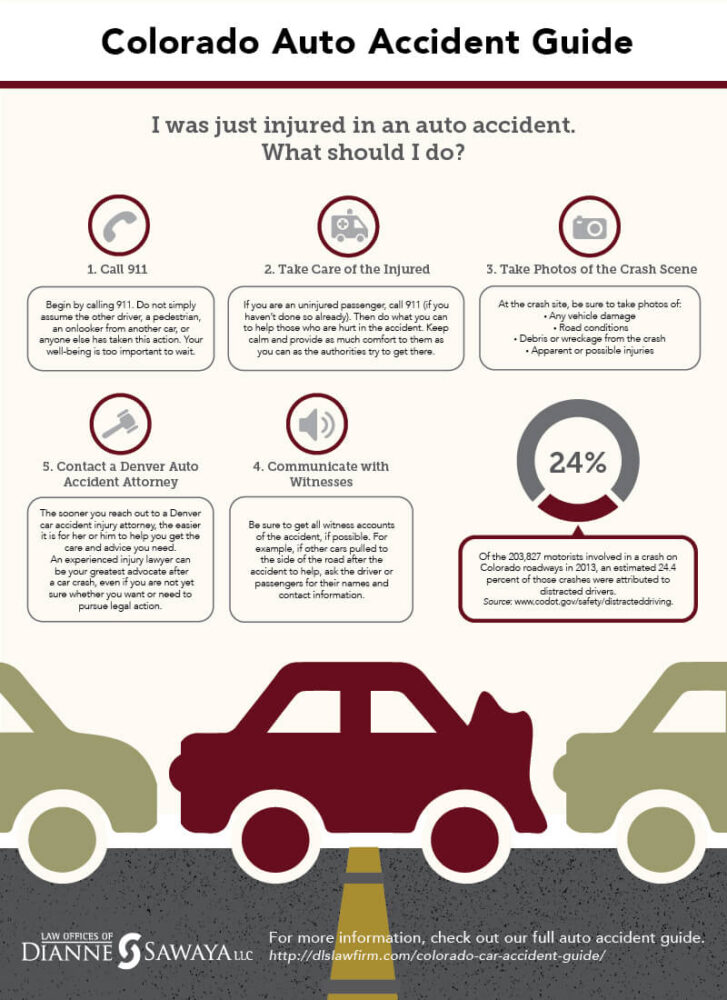
- Call 911 if anyone is hurt, trapped, unconscious, or in danger.
- Move to a safe place if the vehicles can be moved and the road is unsafe.
- Exchange information with the other driver.
- Document the scene with photos and notes.
If your vehicle is blocking traffic, move it to the shoulder or another safe area when possible. Do not move an injured person unless there is an immediate threat, such as fire or another collision. Moving someone with a neck or back injury can make the harm worse.
What to do in a car accident may change based on the crash. A minor parking lot bump is different from a serious highway collision. Still, safety, emergency care, and accurate records matter in nearly every case.
Check for injuries and call 911
Check for serious symptoms before discussing damage to the cars. Some injuries do not appear right away. Shock and adrenaline can hide pain for hours.
Call 911 when:
• Anyone has trouble breathing, severe bleeding, chest pain, confusion, or loss of consciousness.
• Someone reports neck, back, head, or severe abdominal pain.
• A person cannot move, stand, or speak normally.
• A vehicle is on fire, leaking fuel, or carrying a dangerous substance.
• The crash blocks traffic or creates a risk to other drivers.
• The other driver leaves the scene.
Tell the dispatcher your location, the number of vehicles, and whether anyone is injured. Give clear details, but do not guess about fault or the exact speed of the vehicles.
If you have minor pain, dizziness, headache, or stiffness, seek medical care as soon as possible. A medical record can help your treatment and can also connect your symptoms to the crash. Follow the doctor’s advice and keep copies of bills, prescriptions, and discharge papers.
Children, older adults, and people with prior injuries may need extra attention. A child may not explain pain clearly, while an older person may face a higher risk of complications. When in doubt, ask emergency personnel for guidance.
Move to a safe location when possible
Many secondary crashes happen because people remain in or near vehicles on a busy road. If the cars still run and no one has a serious injury, turn on your hazard lights and move to a safer location.
Before moving a vehicle, consider these points:
• Do not drive away from the crash scene.
• Do not move a vehicle if moving it could worsen an injury.
• Do not stand between vehicles or in an active traffic lane.
• Stay behind a guardrail when one is available.
• Use a flashlight at night, but never stand in the road to take photos.
If a car cannot move, stay inside with your seat belt fastened when that is safer than getting out. If there is fire, smoke, or another urgent threat, leave the vehicle and move far from traffic.
Do not attempt repairs at the scene. A damaged tire, leaking fluid, or bent steering part may fail without warning. Wait for law enforcement, roadside assistance, or a tow company.
Exchange information with the other driver
Once everyone is safe, exchange basic information. Be polite, but keep the conversation focused on facts. Do not argue about who caused the crash.
Collect:
• Full name and contact details
• Driver’s license number
• Insurance company and policy number
• Vehicle make, model, year, and color
• License plate number and state
• Owner’s name if the driver does not own the vehicle
• Location and time of the crash
• Names and contact details of witnesses
A photo of the other driver’s license, insurance card, and license plate can reduce errors. Ask permission before photographing a person’s documents, and protect private information when sharing files.
Avoid saying “I’m sorry” in a way that sounds like an admission of fault. You can show concern without accepting blame. For example, say, “I’m glad no one appears badly hurt,” rather than, “The crash was my fault.”
Do not agree to pay cash or sign a statement at the scene. The full cost of an injury or vehicle repair may not be clear for days. What to do in a car accident includes protecting your interests while remaining respectful.
Report the crash to police
You should report a crash when someone is injured, a vehicle cannot be driven, public property is damaged, a driver may be impaired, or the other driver refuses to exchange information. Many states also require a report when property damage reaches a specific dollar amount.
Local rules vary. Check your state’s Department of Motor Vehicles or law enforcement website for reporting deadlines and requirements. In some areas, you must file a separate crash report even if an officer does not come to the scene.
When officers arrive:
• Give your driver’s license, registration, and insurance information.
• Explain what you observed in a clear and factual way.
• Mention any pain or symptoms.
• Point out witnesses and available video.
• Ask how to obtain the incident or report number.
Read any document before signing it. If you are unsure what a form means, ask the officer to explain it. Never guess when answering questions. It is acceptable to say that you do not know or do not remember.
The police report is useful, but it is not always a final decision about fault. Insurance companies may review photographs, vehicle damage, traffic laws, witness statements, medical records, and other evidence.
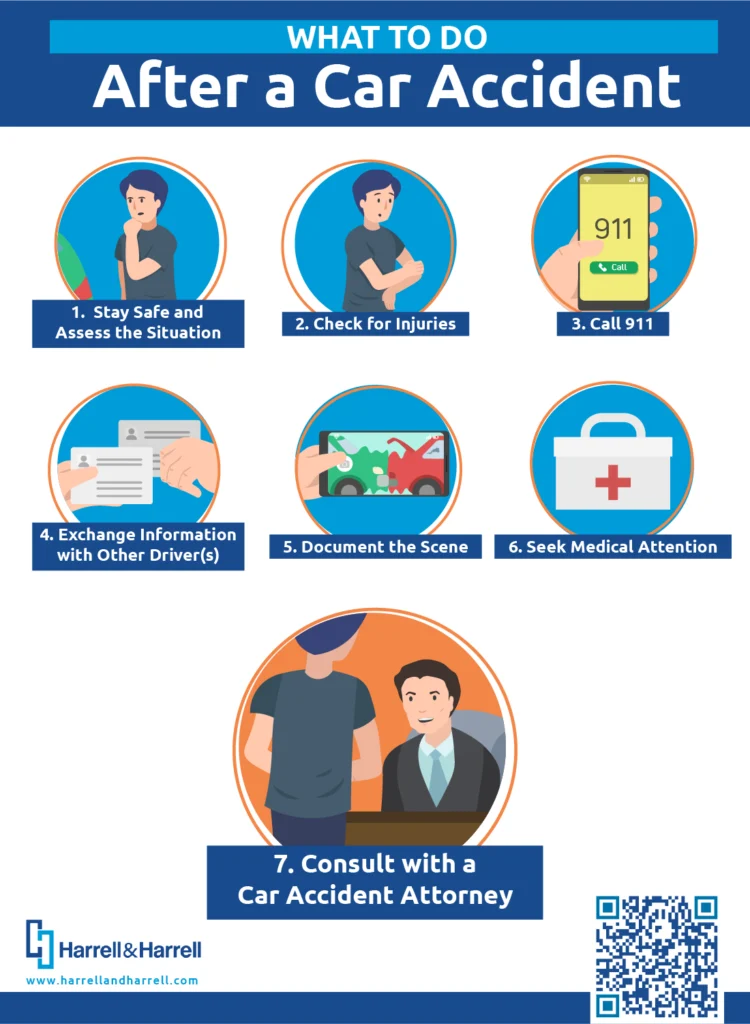
Document the accident scene
Photos and notes can preserve details that disappear quickly. Take pictures only when it is safe. Never walk into traffic for a better angle.
Photograph:
• The position of every vehicle
• Damage from far away and close up
• License plates
• Skid marks, debris, and broken parts
• Traffic signs, signals, lane markings, and road conditions
• Weather, lighting, and nearby hazards
• Visible injuries, if appropriate
Make a simple drawing of the road. Mark the direction each car traveled, the point of impact, and the location of traffic signals or signs. Write down what happened while your memory is fresh.
Your notes may include:
• The exact time and location
• The lane and direction of travel
• What you saw and heard
• Statements made by the other driver
• Names of witnesses
• The arrival time of police or medical workers
Do not edit, filter, or add dramatic captions to your photos. Save the original files and back them up. Preserve dashcam video, nearby security footage information, and vehicle telematics data if available.
A common mistake is taking only a photo of the damaged bumper. Wider scene photos often show the facts that matter most, such as a blocked lane, poor visibility, or a missing traffic sign.
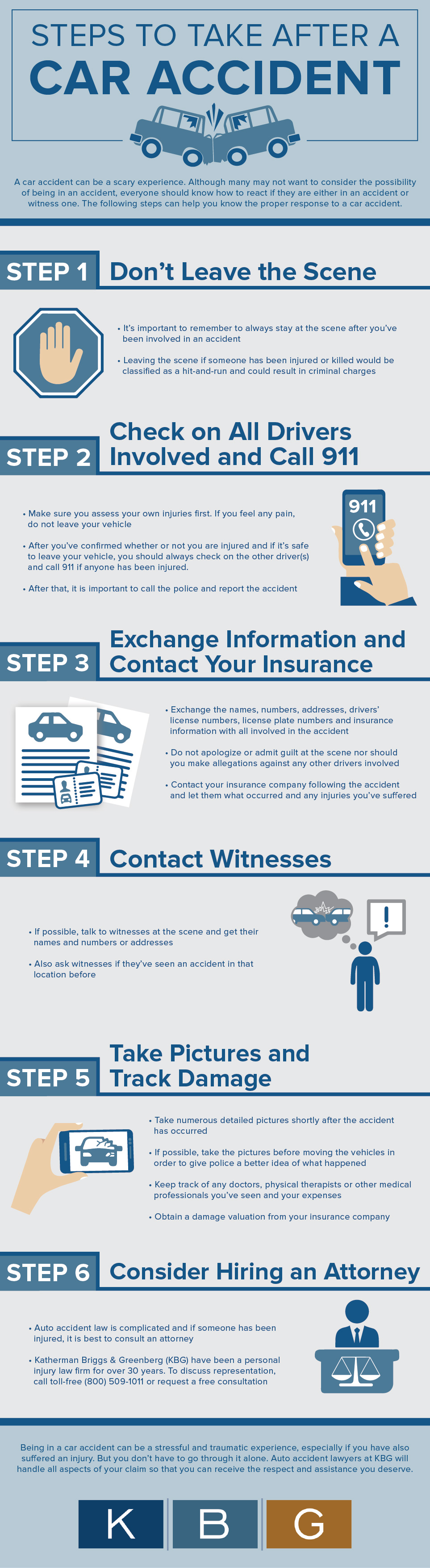
Notify your insurance company
Contact your insurer as soon as practical, even when the crash seems minor. Your policy may require prompt notice. Delayed reporting can make the claim harder to investigate.
Provide:
• The date, time, and location
• The vehicles and people involved
• The police report number
• A basic description of the damage
• Information about injuries
• Photos and witness details
Answer questions honestly and stick to what you know. Do not provide a recorded statement to another driver’s insurer before you understand your rights. You can ask for time to review the request or speak with a lawyer.
Your insurance company may explain coverage such as:
• Liability coverage for damage or injuries you cause
• Collision coverage for damage to your vehicle
• Comprehensive coverage for non-crash events
• Medical payments or personal injury protection
• Uninsured or underinsured motorist coverage
Coverage rules depend on your policy and state law. A deductible may apply to your own vehicle repairs. Ask how the insurer will inspect the car, whether you may choose a repair shop, and how rental transportation works.
Do not authorize major repairs before the insurer has a chance to inspect the vehicle unless needed to prevent further damage. Keep receipts for towing, storage, repairs, medicine, and other reasonable crash-related costs.
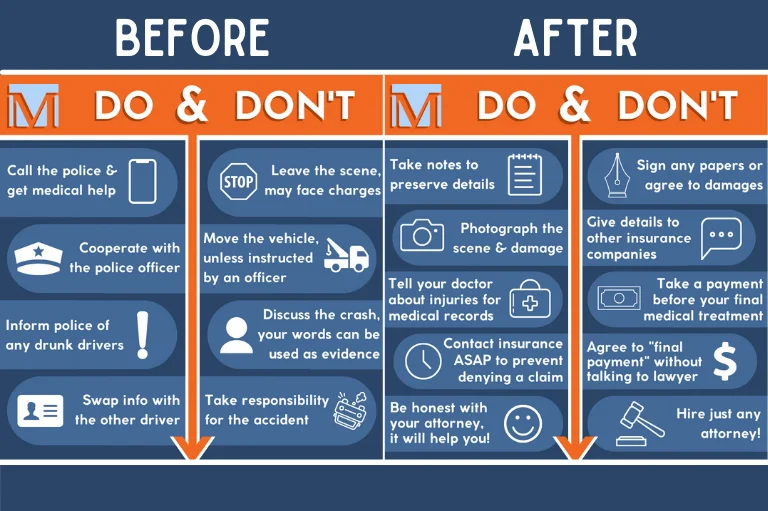
Seek medical care and track symptoms
Some crash injuries appear slowly. Whiplash, concussions, soft tissue injuries, and stress reactions may begin hours or days later. A person can feel fine at the scene and still need medical care.
Contact a health professional if you notice:
• Neck or back pain
• Headache, dizziness, or confusion
• Numbness or weakness
• Blurred vision
• Nausea or unusual tiredness
• Trouble sleeping or strong anxiety
• Increasing pain or reduced movement
Keep a daily symptom log. Note the pain level, affected body part, treatment, missed work, and activities you cannot perform. Follow medical instructions and attend follow-up visits.
Do not minimize symptoms because the car has little damage. Vehicle damage and bodily injury do not always match. A low-speed crash can still cause pain, especially when the head is turned or the body is in an awkward position.
Medical information is private. Share relevant records with your insurer or lawyer when needed, but avoid posting injury details or crash opinions on social media. Public posts can be misunderstood and may affect a claim.
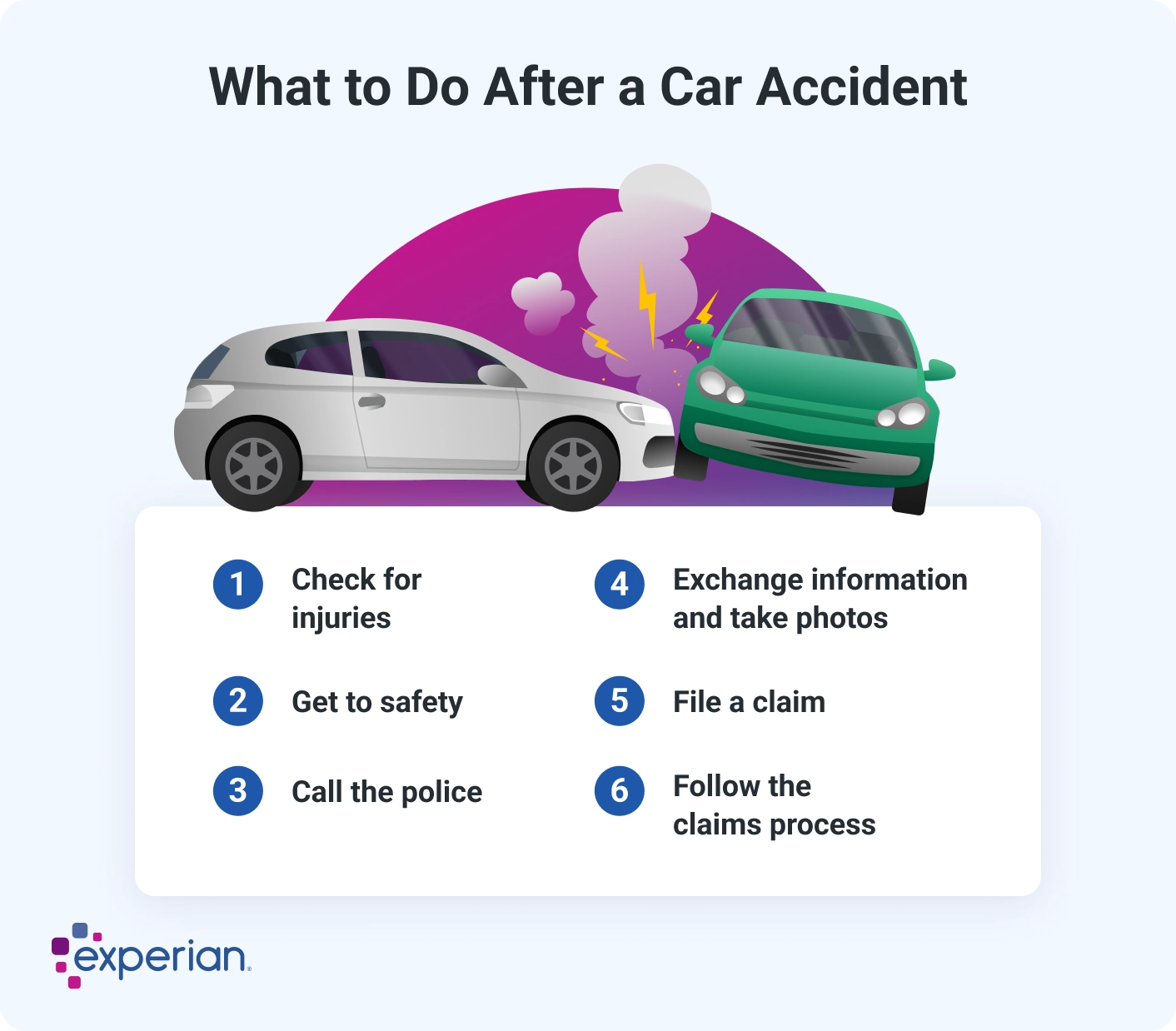
Protect your legal and financial interests
A car accident claim may involve property damage, medical bills, lost wages, pain, and other losses. Fault rules differ across the United States. Some states use comparative negligence, while others use different systems and deadlines.
Consider speaking with a personal injury attorney when:
• You have a serious or lasting injury.
• The other driver denies responsibility.
• Several vehicles were involved.
• The other driver was uninsured or underinsured.
• Your insurer delays, denies, or undervalues the claim.
• You cannot work because of the crash.
• A death occurred.
A lawyer can review evidence and explain deadlines. That does not mean every crash requires a lawsuit. Many claims settle through insurance, but informed advice can prevent an avoidable mistake.
Avoid these actions:
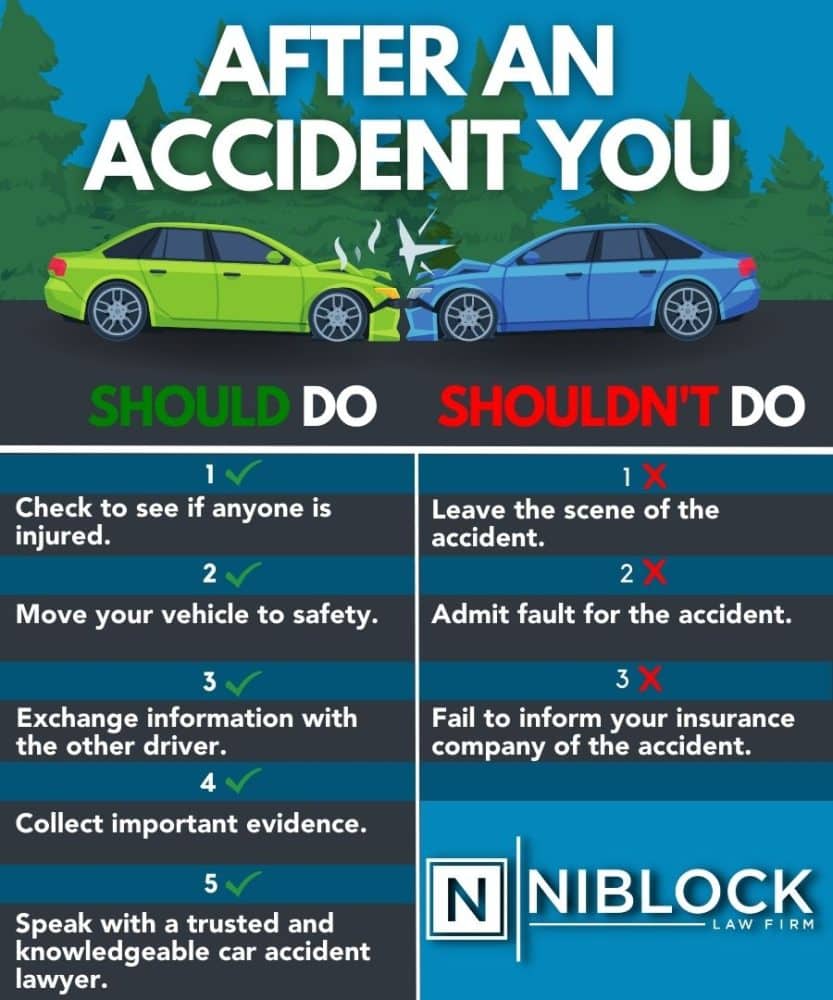
• Do not admit fault at the scene.
• Do not exaggerate or hide symptoms.
• Do not sign a settlement before understanding future medical needs.
• Do not repair or discard the vehicle before evidence is preserved.
• Do not post blame, speed claims, or angry comments online.
• Do not accept a check marked as a final settlement without reviewing it.
Keep a file with the police report, insurance letters, medical records, bills, photos, repair estimates, wage records, and notes. Think of it as a paper trail that tells the full story from beginning to end.
What to do in a car accident with no visible damage
Even when the cars look fine, exchange information and report the crash when required. Hidden damage can affect sensors, alignment, bumpers, or internal safety systems.
Take photos of both vehicles and ask your insurer whether an inspection is needed. Watch for delayed pain and seek medical advice if symptoms appear.
Do not assume a small bump has no legal or insurance importance. A vehicle may have a hidden defect, and a minor collision can reveal an injury later. Careful documentation costs little and may prevent problems.
What to do in a car accident caused by a hit-and-run driver
Call 911 and report the hit-and-run at once. Do not chase the fleeing vehicle. Chasing can cause another collision and may put you in danger.
Write down everything you remember, including:
• Vehicle color, make, model, and plate details
• Direction of travel
• Driver description
• Time and location
• Damage caused by the impact
Look for witnesses, nearby cameras, and businesses that may have recorded the event. Contact your insurer promptly and ask about uninsured motorist coverage. Some policies and states require quick notice or special forms for hit-and-run claims.
What to do in a car accident involving an uninsured driver
Still exchange information and call the police if appropriate. Ask the other driver for a name, address, phone number, and vehicle details, even if they cannot show insurance.
Notify your own insurer quickly. Uninsured or underinsured motorist coverage may help with certain losses, but coverage limits, deductibles, and rules vary. Do not agree that the crash is settled simply because the other driver offers cash.
Save the police report and all bills. If injuries or major losses are involved, legal advice may help you understand available options.
Mistakes to avoid after a car crash
The wrong action after a crash can create confusion or weaken a claim. These mistakes are common because people are stressed and trying to move on quickly.
Avoid:
• Leaving before exchanging information or receiving help
• Failing to report an injury
• Guessing about speed, distance, or fault
• Posting photos or opinions online
• Throwing away damaged items
• Giving an insurer an incomplete account
• Ignoring follow-up medical care
• Accepting the first settlement without checking future costs
A calm, factual approach works best. You do not need to solve the entire situation beside the road. Your job is to protect people, preserve facts, and begin the right reports.
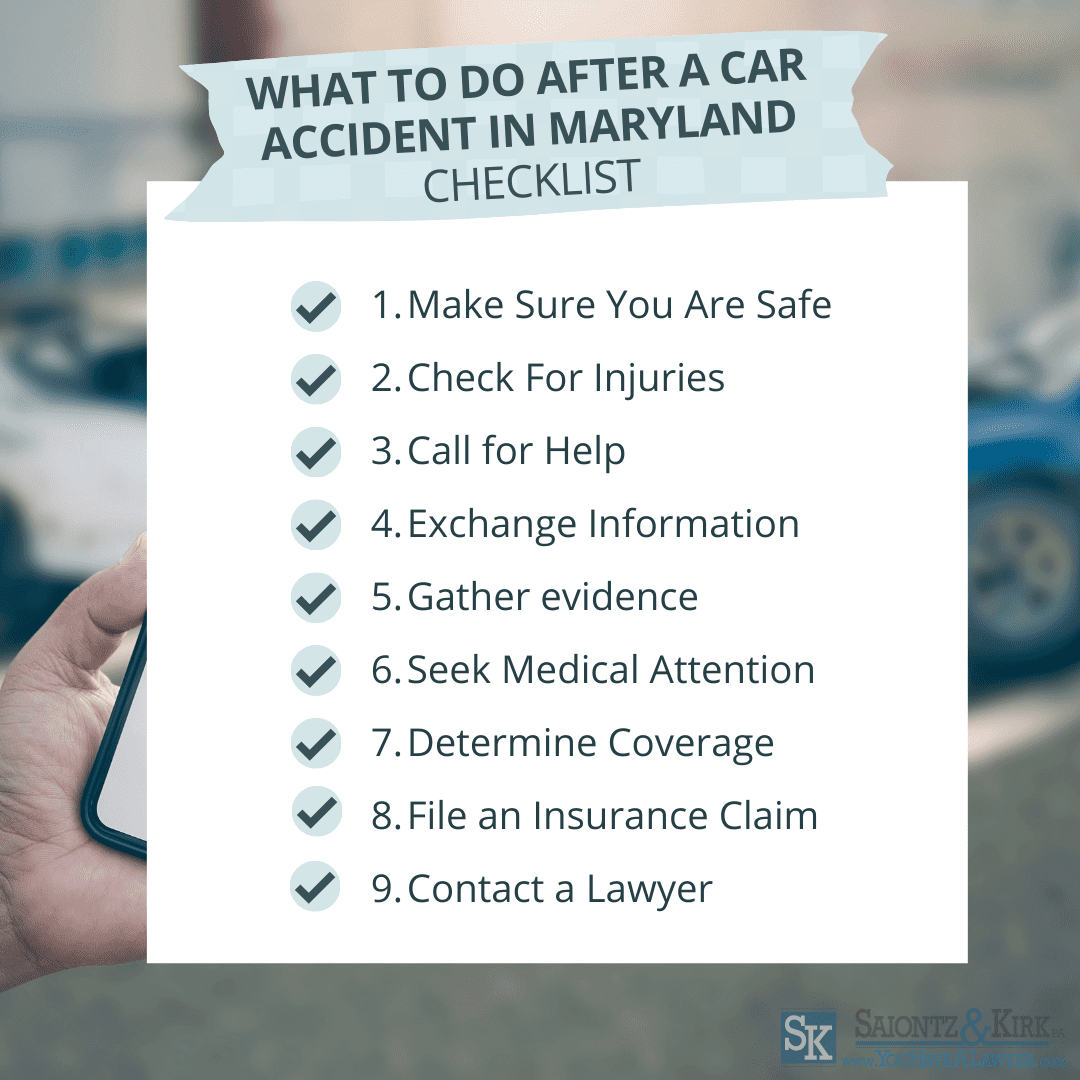
A simple car accident checklist
Save this checklist in your phone or glove box:
- Stop and turn on hazard lights.
- Check for injuries.
- Call 911 when needed.
- Move to safety if possible.
- Exchange driver, vehicle, and insurance details.
- Photograph the scene and damage.
- Collect witness information.
- Avoid admitting fault.
- Report the crash to your insurer.
- Seek medical care for symptoms.
- Keep records and receipts.
- Check local reporting rules and deadlines.
Having an emergency kit can also help. Keep a phone charger, flashlight, reflective item, first aid supplies, pen, paper, and insurance information in your vehicle. Do not store sensitive personal data where strangers can easily access it.
Frequently asked questions about what to do in a car accident
Should I call the police after a minor car accident?
Call the police when someone is injured, a vehicle cannot move, property is damaged, a driver may be impaired, or local law requires a report. Even after a minor crash, an official report can help document what happened.
What should I do if I feel fine after a car accident?
Monitor yourself for delayed symptoms and seek medical care if pain, dizziness, headache, numbness, or confusion develops. Notify your insurer and keep records, because some injuries may not appear immediately.
Do I have to move my car after a crash?
Move the vehicle only when it is safe, no one has a serious injury, and the vehicle can be driven. If moving it creates risk, leave it in place, turn on hazard lights, and wait for emergency personnel.
Should I apologize after a car accident?
You can express concern without admitting fault. Avoid statements such as “I caused the crash,” because the facts may not be clear at the scene.
What information should I exchange after a car accident?
Exchange names, phone numbers, driver’s license details, insurance information, license plate numbers, vehicle details, and witness contacts. Photograph the documents when practical and lawful.
How long do I have to report a car accident?
The deadline depends on state law and your insurance policy. Report the crash to your insurer as soon as practical, then check your state’s official rules for any separate filing requirement.
Should I talk to the other driver’s insurance company?
You may need to provide basic information, but be careful with recorded statements and settlement offers. For serious injuries or disputed fault, consider getting legal advice before signing documents.
Conclusion
Knowing what to do in a car accident helps you protect your health, safety, evidence, and financial rights. Stop, check for injuries, call for help, move away from danger when possible, exchange information, document the scene, notify your insurer, and seek medical care when needed.
Every crash is different, and state laws and insurance policies vary. Save this guide, review your coverage, and keep a small emergency kit in your vehicle. Taking a few prepared steps now can make a stressful day easier to manage later.