

Your car AC may blow warm air because of low refrigerant, poor airflow, electrical faults, or a failed cooling part.
When you ask, “why is my car AC blowing warm air,” the answer is often simple, but finding the exact cause takes careful testing. A weak compressor, blocked condenser, leaking hose, bad fuse, or clogged cabin air filter can all feel similar from the driver’s seat. This guide explains the most likely causes, safe checks, repair costs, and signs that your vehicle needs professional AC service.

Why is my car AC blowing warm air?
The most common reason is low refrigerant caused by a leak. Your car’s air conditioning system needs the correct refrigerant level to absorb heat from the cabin and release it outside.
However, refrigerant is not normally “used up.” If the level is low, the system usually has a leak. The leak may be in a hose, seal, condenser, evaporator, or compressor.
Other common reasons include:
• A failed AC compressor or compressor clutch
• A clogged cabin air filter
• A blocked condenser
• A faulty cooling fan
• A blown fuse or bad relay
• A stuck blend door inside the dashboard
• A damaged pressure sensor
• Electrical wiring problems
• Incorrect AC settings
The first step is to notice when the warm air starts. If the air was cold yesterday but suddenly becomes warm today, an electrical fault, leak, or compressor problem may be present. If cooling has slowly weakened over several weeks, low refrigerant or a dirty filter is more likely.

Common causes of warm air from a car AC
Low refrigerant
Low refrigerant is one of the top answers to why is my car AC blowing warm air. Refrigerant carries heat away from the cabin. When the level drops, the evaporator may not get cold enough to cool the air.
You may also hear hissing near the engine bay or see oily marks around AC parts. Refrigerant leaks often leave behind a small amount of oil because the compressor oil travels through the system.
Adding refrigerant may restore cooling for a short time, but it does not repair the leak. A proper repair requires a leak test, evacuation, and recharge with the exact refrigerant amount listed for your vehicle.
A failing AC compressor
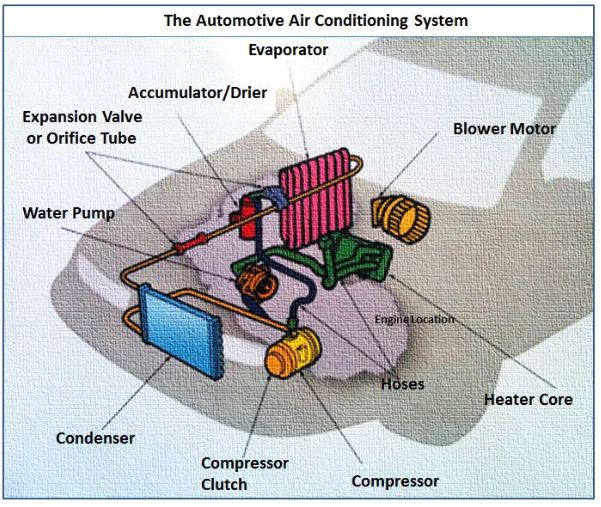
The compressor acts like the heart of the AC system. It moves refrigerant through the lines and helps create the pressure needed for cooling.
A damaged compressor may make grinding, squealing, or rattling sounds. In some cases, the compressor clutch will not engage when you turn on the AC. A broken belt, bad clutch coil, or internal compressor failure can all stop cooling.
A clogged cabin air filter
The cabin air filter cleans air before it enters the passenger area. When it becomes packed with dust, leaves, or pollen, airflow drops.
A clogged filter may make the AC feel warm even when the evaporator is cold. You may notice weak airflow from every vent, a musty smell, or more dust inside the vehicle.
This is often an easy and low cost fix. Check your owner’s manual for the filter location and replacement schedule. Many vehicles need a new cabin air filter every 12,000 to 20,000 miles, but dusty roads may shorten that interval.
A dirty or blocked condenser
The condenser sits near the front of the vehicle, close to the radiator. It releases heat from the refrigerant into outside air.
Road dirt, bugs, leaves, or bent fins can block airflow. When the condenser cannot release heat, the AC may blow warm air, especially while the car is stopped.
A gentle rinse with low pressure may remove surface dirt. Avoid high pressure, since it can bend the thin fins and make the problem worse.
A failed cooling fan
The condenser needs airflow. At low speeds, an electric cooling fan provides much of that airflow.
If the fan does not run, the AC may work while driving but blow warm air at stoplights or in traffic. The engine may also run hotter than usual.
A bad fan motor, relay, fuse, wiring connection, or temperature control module can cause this issue. Do not place your hands near the fan, even when the engine seems off. Some fans can start without warning.
A bad blend door
Your vehicle uses blend doors inside the HVAC case to direct and mix air. A blend door may be stuck in the heat position even when the AC system is working.
This problem often causes one vent to blow warm air while another vent feels cooler. You may hear clicking behind the dashboard when changing the temperature setting.
A scan tool may be needed to find HVAC control faults. Repair can involve an actuator, wiring, or dashboard parts.

How to diagnose warm AC air at home
You can perform a few safe checks before booking service. These checks will not replace professional pressure testing, but they can help narrow down the problem.
1. Check the AC settings
Set the system to:
• Maximum cooling
• Recirculate
• Highest fan speed
• Airflow through the center vents
• Windows closed
Recirculation is important because it cools cabin air instead of pulling in hot air from outside. Make sure the temperature control is not set to heat and that the vents are open.
2. Compare airflow strength
Place your hand over the center vent. Strong airflow that feels warm points toward a cooling problem, such as low refrigerant or a compressor fault.
Weak airflow points more toward a clogged cabin filter, blocked evaporator, blower motor problem, or vent issue.
3. Listen for compressor operation
With the engine running, turn the AC on. You may hear a soft click as the compressor clutch engages. On some newer vehicles, the compressor uses variable control and may not make a clear click.
Do not rely on sound alone. Some compressors can spin while failing to pump refrigerant.
4. Look for obvious leaks
Inspect AC hoses, fittings, and the area near the compressor. Oily dirt can signal a refrigerant leak.
Do not touch unknown fluids or open refrigerant lines. Refrigerant can cause frostbite, and releasing it into the air is harmful and restricted by environmental rules.
5. Check the cabin air filter
If the filter is dark, wet, or filled with debris, replace it. A clean filter improves airflow and helps protect the blower motor.
6. Watch the cooling fan
With the AC running, check whether the electric cooling fan operates when appropriate. Keep your hands, hair, and tools away from moving parts.
If the fan does not run, stop the test and arrange a repair. Continuing to use the AC may increase pressure in the system.
7. Check the AC fuse
Your owner’s manual will show the correct fuse and relay locations. Replace a blown fuse only with one of the same rating.
If the replacement fuse blows again, there is an electrical fault. Do not install a larger fuse. That can damage wiring or create a fire risk.

Why is my car AC blowing warm air on one side?
Warm air on one side often points to a blend door problem, low refrigerant, or a dual zone climate control issue.
Many vehicles have separate temperature controls for the driver and passenger. If one side is cold and the other side is warm, first set both controls to the same temperature and turn off dual zone mode.
If the difference remains, the system may have:
• A stuck blend door actuator
• A failed temperature sensor
• Low refrigerant
• A blocked evaporator passage
• A control module fault
Low refrigerant can sometimes cause uneven cooling because the evaporator does not cool across its full surface. A professional technician can measure system pressures and check vent temperatures to separate a refrigerant problem from a blend door problem.

Why is my car AC blowing warm air while idling?
If the AC becomes warm at idle but cools while driving, the condenser may not be getting enough airflow. A failed electric fan is a common cause.
A weak compressor can also struggle at low engine speed. A dirty condenser, high refrigerant pressure, or a slipping compressor clutch may create the same symptom.
This pattern matters because it gives a technician a useful clue. Tell the repair shop exactly when the air turns warm, such as at stoplights, in heavy traffic, or after the vehicle warms up.
In my experience working through AC complaints, drivers often say, “It works fine on the highway.” That detail can save testing time. It usually shifts attention toward airflow, fan operation, or compressor performance instead of the cabin filter alone.
Why is my car AC blowing warm air after a recharge?
If the AC blows cold after a recharge but becomes warm again soon, the system likely has a refrigerant leak. The new refrigerant escaped through the same damaged part.
A recharge can also fail if:
• The wrong refrigerant was used
• The system was overfilled
• Air or moisture remains inside
• The compressor is damaged
• The leak is large
Modern vehicles may use R 134a or R 1234yf refrigerant. These refrigerants are not interchangeable, and the correct type is listed on the vehicle label under the hood.
Avoid repeated do it yourself recharge attempts. Overcharging can raise system pressure and damage expensive parts. It can also hide the real fault and make later diagnosis harder.

Professional tests that find the problem
A qualified AC technician usually follows a clear test process. This is safer and more accurate than guessing from vent temperature.
The inspection may include:
Checking the AC request and compressor operation
Measuring high side and low side pressures
Testing for leaks with approved equipment
Inspecting condenser and radiator airflow
Checking fuses, relays, wiring, and control signals
Measuring vent temperature
Testing blend door movement
Recovering, evacuating, and recharging the system
Pressure readings must be interpreted with outside temperature, engine speed, refrigerant type, and system design in mind. A single pressure gauge reading cannot identify every fault.
Technicians should recover refrigerant with certified equipment rather than venting it. Environmental rules require proper handling, and some newer refrigerants are mildly flammable or require special service tools.

Repair costs and what affects them
The cost of fixing a car AC system depends on the failed part, vehicle design, refrigerant type, and labor time. A cabin air filter is usually inexpensive, while a compressor or evaporator can cost much more.
Typical cost categories include:
• Cabin air filter: low cost
• Fuse, relay, or electrical repair: low to moderate cost
• Refrigerant leak test and recharge: moderate cost
• Condenser or cooling fan: moderate to high cost
• Compressor replacement: high cost
• Evaporator replacement: high cost because dashboard removal may be required
Ask the shop for a written estimate. It should explain the failed part, refrigerant type, labor, warranty, and whether a leak test was completed.
The cheapest recharge is not always the best repair. A proper diagnosis may cost more at first, but it can prevent repeated charges and protect the compressor.

Mistakes to avoid when the AC blows warm air
When people wonder why is my car AC blowing warm air, they often reach for a recharge can right away. That approach can work only when the refrigerant is slightly low and no major fault exists.
Avoid these mistakes:
• Adding refrigerant without checking for a leak
• Mixing refrigerant types
• Overcharging the system
• Using sealant without understanding the risks
• Replacing the compressor before testing the system
• Touching moving cooling fans
• Ignoring unusual noises
• Continuing to drive when the engine overheats
One mistake I have seen often is replacing parts based only on a pressure gauge sold for home use. These gauges provide limited information. A system can show normal low side pressure while still having a blocked expansion valve, weak compressor, or airflow problem.
When to stop driving and seek help
Warm AC alone is usually not an emergency, but some related signs need quick attention.
Seek service soon if you notice:
• A burning smell
• Smoke or melted wiring
• Loud belt or compressor noise
• Engine overheating
• Refrigerant oil around a damaged hose
• A cooling fan that does not operate
• Repeated blown fuses
• Sudden loss of airflow with dashboard noise
An AC belt or compressor failure can sometimes affect other engine accessories. On some vehicles, the same serpentine belt drives the alternator, water pump, or power steering system.
If the temperature gauge rises, turn off the AC and stop safely. Engine overheating can cause serious damage, even if the original complaint was only warm cabin air.
How to prevent future AC problems
Good maintenance helps the system work longer, although no schedule can prevent every leak or compressor failure.
Use these habits:
• Run the AC for a few minutes each month, even in cool weather
• Replace the cabin air filter on schedule
• Keep leaves and dirt away from the condenser
• Use the correct refrigerant for your vehicle
• Repair leaks instead of adding refrigerant repeatedly
• Watch for new smells, noises, or weak airflow
• Have the system inspected before extreme summer heat
Running the AC periodically helps circulate compressor oil through the system seals. It also gives you an early warning if cooling performance changes.
My practical tip is to test the AC before the first hot week of summer. Finding a weak fan or small leak in spring is far less stressful than discovering it during a long road trip in July.
Frequently Asked Questions About Why Is My Car AC Blowing Warm Air
Why is my car AC blowing warm air but the fan is working?
A working blower fan only proves that air can move through the vents. Low refrigerant, a failed compressor, a blocked condenser, or a blend door fault can still prevent that air from becoming cold.
Can a bad fuse make my car AC blow warm air?
Yes. A blown fuse or failed relay can stop the compressor, cooling fan, or climate control module from operating. Replace a fuse only with the same rating, and have the circuit tested if it fails again.
Is it safe to add refrigerant myself?
Some recharge kits are made for consumers, but using them incorrectly can overcharge the system or expose you to refrigerant. A professional leak test and measured recharge is safer and more reliable.
Why does my AC get warm when the car is stopped?
Warm air at idle often indicates a failed condenser fan, blocked condenser, high system pressure, or a weak compressor. The system may cool while driving because outside airflow temporarily hides the fault.
How long does a car AC recharge last?
A recharge should last for years when the system is sealed and working correctly. If cooling fades within days or weeks, a leak or another mechanical problem is likely present.
Can a dirty air filter cause warm AC air?
Yes, a clogged cabin air filter can reduce airflow so much that the AC feels warm. It may not be the true cooling fault, but replacing the filter can restore normal air volume.
Conclusion
When you ask why is my car AC blowing warm air, start with the simple checks: confirm the settings, compare airflow strength, inspect the cabin filter, and notice whether cooling changes at idle or while driving. The most common deeper causes include low refrigerant from a leak, compressor trouble, condenser airflow problems, electrical faults, and blend door issues.
Avoid guessing with repeated recharge cans. A proper diagnosis protects your wallet, your vehicle, and the environment. If the AC makes strange noises, blows warm air after a recharge, or causes the engine to run hot, schedule a professional inspection. Use these steps to make a better repair decision, and share your symptoms or questions below.
