

Your car smells like burning rubber when a belt, tire, clutch, brake, or hot engine part overheats.
Understanding why does my car smell like burning rubber can help you spot a small issue before it becomes a costly repair. The odor may come from a slipping belt or a tire rubbing against the body, but it can also signal an overheated brake, clutch, electrical wire, or fluid leak. This guide explains the likely causes, warning signs, safe checks, and the right time to stop driving.
Why does my car smell like burning rubber?
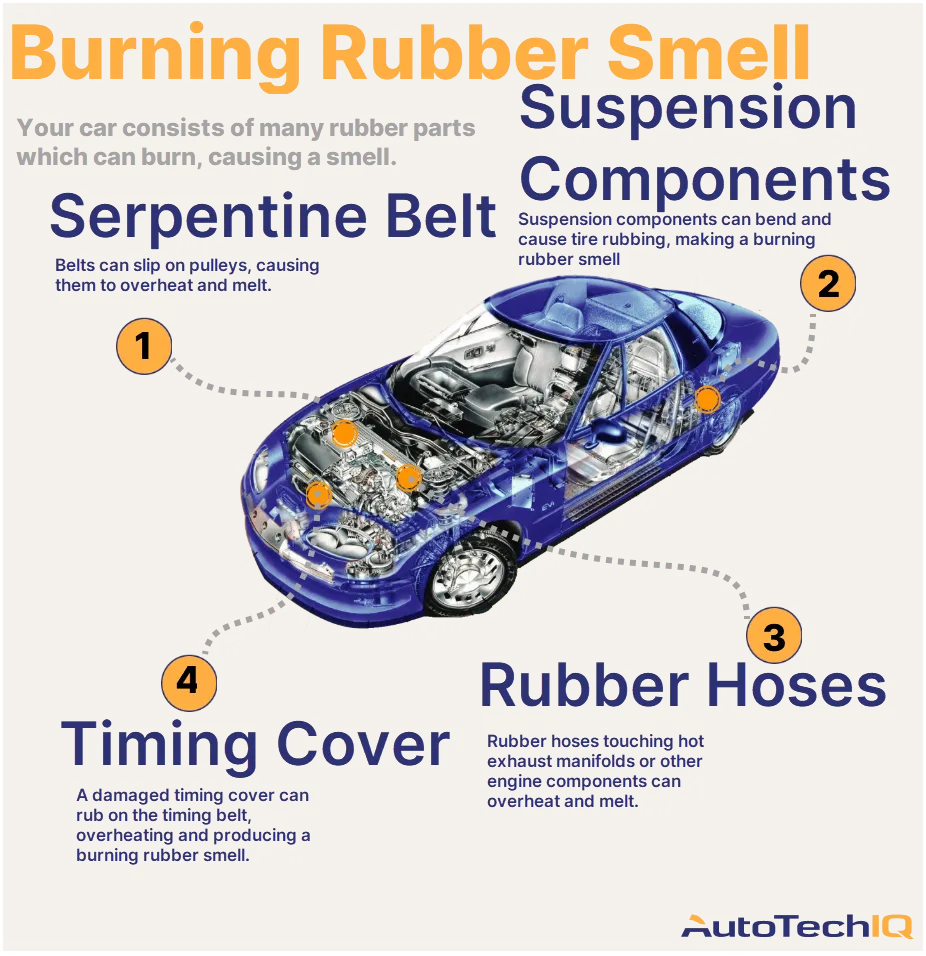
A burning rubber smell usually means that rubber, plastic, or another material is rubbing, slipping, or touching a hot surface. The odor may appear after hard acceleration, heavy braking, a long drive, or even normal driving.
The smell can come from the engine bay, wheel area, underbody, or inside the cabin. Finding the location and timing of the odor is often the fastest way to narrow down the cause.


Common reasons include:
• A slipping or damaged serpentine belt
• A tire rubbing against the fender or suspension
• An overheated brake
• A slipping manual transmission clutch
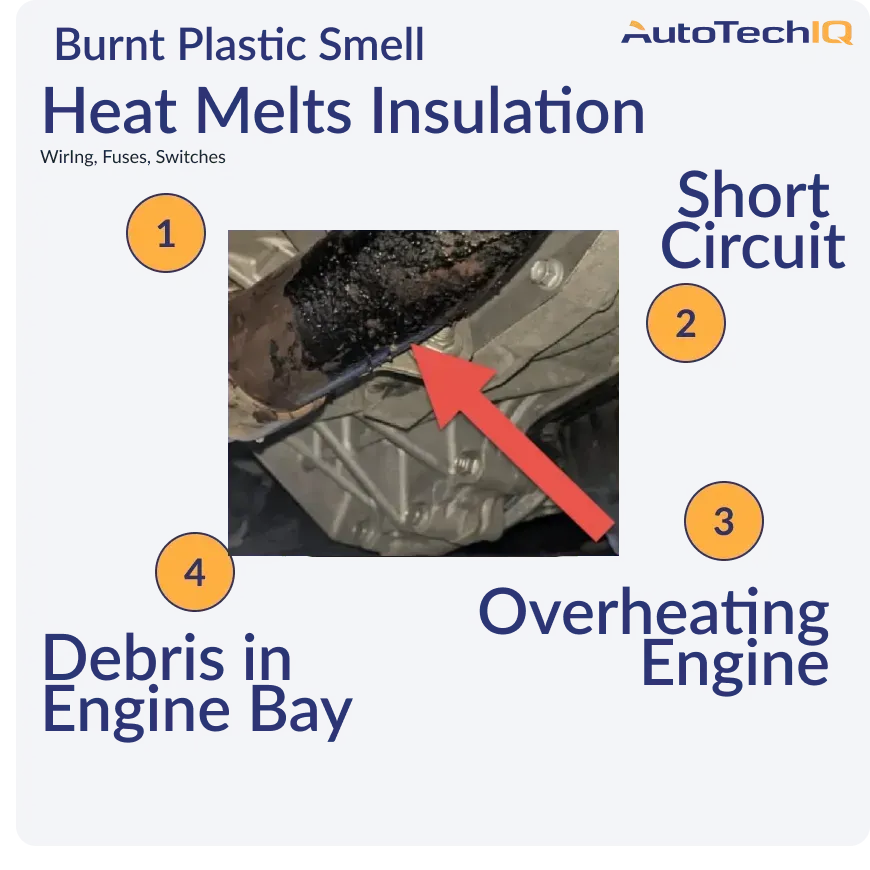
• A melted wire coating or plastic part
• Oil or coolant leaking onto a hot engine surface
• A plastic bag or road debris stuck beneath the vehicle
A short smell after driving through deep water may be harmless if moisture reaches a hot belt or exhaust part. However, a strong, repeated, or worsening odor deserves attention.

Common causes of a burning rubber smell
Slipping serpentine belt
The serpentine belt powers important parts such as the alternator, power steering pump, air conditioning compressor, and sometimes the water pump. If the belt slips, it creates heat through friction. That heat can produce a sharp rubber smell.
A worn belt may also make a squealing or chirping sound. You may notice the smell when you turn on the air conditioner, start the car, or turn the steering wheel at low speed.
Look for:
• Cracks, frayed edges, or shiny glazed areas on the belt
• A loose or weak belt tensioner
• A seized pulley


• Squealing during startup
Do not reach near a running engine to inspect the belt. Moving parts can cause serious injuries.
Tire rubbing against the vehicle
A tire can rub against the wheel well, splash shield, mud flap, or suspension part. This often happens after installing larger tires, using the wrong wheel size, carrying a heavy load, or damaging a suspension component.
The odor may be strongest near one wheel. You may also see black rubber marks inside the wheel well or along the tire sidewall.
Turn the steering wheel fully left and right while the vehicle is parked. With the engine off, inspect for fresh scuff marks. Do not drive far if the tire sidewall is damaged, since sidewall damage can lead to a sudden tire failure.
Overheated brakes
Brakes create heat by design, but excessive heat can produce a burning odor. A sticking brake caliper, seized parking brake, worn brake pad, or dragging brake shoe may keep one brake in contact with the rotor or drum.
This is one of the more serious answers to why does my car smell like burning rubber. An overheated brake can reduce stopping power and damage the rotor, wheel bearing, or brake fluid.
Warning signs include:
• One wheel feels much hotter than the others
• The car pulls to one side
• Smoke near a wheel
• A soft or low brake pedal
• A grinding or scraping sound
Never touch a brake rotor after driving. It can remain dangerously hot for a long time.
Slipping manual transmission clutch
In a manual car, a worn or overheated clutch can smell like burning rubber or burnt paper. The odor often appears after riding the clutch, towing, hill starts, or repeated stop-and-go driving.
A slipping clutch may cause the engine speed to rise without a matching increase in road speed. The clutch pedal may also engage very high, or the car may struggle to move under load.
A brief smell after a difficult hill start does not always mean the clutch has failed. Repeated smells, poor acceleration, or continued slipping call for a professional inspection.
Electrical wiring or melted plastic
A damaged wire, overloaded circuit, loose connection, or failing electrical component can heat the plastic insulation. This smell may resemble burning rubber, hot plastic, or melting vinyl.
Electrical odors can come from the dashboard, fuse box, engine bay, headlights, blower motor, or stereo wiring. A flickering light, blown fuse, smoke, or warm switch increases the risk.


Turn off the vehicle and leave it in a safe place if you see smoke or suspect an electrical fire. Do not replace a fuse with one that has a higher rating.
Oil or coolant leaking onto hot parts
Oil, coolant, power steering fluid, or another fluid can drip onto the exhaust manifold or other hot engine parts. The result may smell like burning rubber even though rubber is not the source.
Oil usually creates a smoky, oily odor. Coolant may smell sweet. A leak may leave wet spots under the vehicle or produce smoke from the engine bay after parking.
Fluid leaks should not be ignored. Low oil can damage the engine, while coolant loss can lead to overheating.
Road debris under the car
Plastic bags, cardboard, road tar, or other debris can stick to the exhaust system. The hot exhaust then melts the material and creates a strong smell.
This cause is common after driving over litter or a low object. If the smell begins suddenly and disappears after a short time, check beneath the vehicle once it has cooled completely.
Never crawl under a car supported only by a jack. Use approved jack stands, or ask a repair shop to inspect it.
New tires, brakes, or engine parts
New tires, brake pads, belts, and plastic components can release a mild odor during their first few uses. Manufacturing residue and protective coatings may heat up and fade.
This smell should be light and temporary. It should not come with smoke, pulling, poor braking, or a worsening odor. If it continues for several drives, have the installation checked.
How to identify where the smell comes from
The location of the odor provides useful clues. Try to notice where it is strongest without touching hot parts or opening a pressurized cooling system.
Smell from the front of the car
A front-end odor may point to:
• The serpentine belt
• An accessory pulley
• A fluid leak
• A radiator fan or electrical wire
• A stuck plastic bag near the exhaust
If the smell appears when the air conditioner runs, the compressor or belt system deserves special attention.


Smell from one wheel
A smell from one wheel often suggests a dragging brake or tire contact. Compare the odor from each corner after a short drive, but do not touch the wheels.
If one wheel gives off smoke or intense heat, stop driving. A repair technician can safely test the brake and wheel bearing.
Smell inside the cabin
An odor inside the cabin may come through the ventilation system. Possible sources include an engine leak, blower motor problem, wiring issue, or material caught near the air intake.
Switch the ventilation to recirculate mode. If the smell becomes weaker, the source may be outside the cabin. If it remains strong, turn off the vehicle and arrange an inspection.
Smell from underneath the vehicle
An underbody smell may come from exhaust contact, melted debris, a leaking fluid, or a damaged heat shield. Look for hanging plastic, fresh drips, smoke, or loose panels after the car cools.
Avoid parking over dry grass when the exhaust system may be hot. A hot exhaust can ignite dry material.
What to do when your car smells like burning rubber
Safety comes first. Do not continue driving simply because the car still feels normal. Some problems create heat long before a warning light appears.
Follow these steps:
Pull over in a safe location.
Turn off the engine.
Move away from traffic if possible.
Check for smoke, flames, or leaking fluid from a safe distance.
Let the vehicle cool before inspecting it.
Look for tire damage, belt debris, melted plastic, or fluid spots.
Call roadside assistance if the smell is strong or the cause is unclear.
Do not open the radiator cap while the engine is hot. Pressurized coolant can cause severe burns.
You should stop driving and seek immediate help when you notice:
• Smoke or flames
• A strong electrical or melting-plastic odor
• A tire with sidewall damage
• A brake that is smoking or extremely hot
• Loss of braking power
• A rising temperature gauge
• A flashing warning light
• A belt that is broken or missing
A useful lesson from many roadside problems is that drivers often wait for a dashboard warning. That can be a mistake. Smell is an early warning system, much like a smoke alarm in your home.


Can you diagnose the problem at home?
You can perform a basic visual check, but you should not attempt risky repairs without the right tools and training. Start only when the vehicle is parked on level ground, the engine is off, and hot parts have cooled.
Check the following:
• Inspect the serpentine belt for cracks, fraying, or missing sections.
• Look inside the wheel wells for fresh tire marks.
• Compare tire pressure with the door-jamb label.
• Search for fluid spots beneath the vehicle.
• Look for melted plastic near the exhaust.
• Check for smoke or damaged wiring.
• Review the owner’s manual for warning light meanings.
Do not spray water on hot brakes, belts, or exhaust parts. Sudden cooling can damage components, and steam can burn you.
Avoid using belt dressing as a permanent fix. It may hide noise for a short time while the real problem remains. A technician should test belt tension, pulley movement, brake temperature, tire clearance, and electrical circuits.

How much does it cost to fix?
Repair costs vary by vehicle, location, part quality, and labor rate. A simple inspection or debris removal may cost little or nothing. A belt, tire, brake, clutch, or electrical repair can range from modest to expensive.
Typical cost factors include:
• Diagnosis time
• Replacement parts
• Labor access
• Vehicle design
• Damage to nearby components
• Whether the repair is urgent
A worn serpentine belt is usually less costly than an overheated engine or failed clutch. A dragging brake can become more expensive if it damages the rotor, caliper, bearing, or tire.


Ask the shop for a written diagnosis. It should explain the failed part, the evidence found, the repair needed, and whether the car is safe to drive.

How to prevent a burning rubber smell
Regular maintenance can prevent many causes of why does my car smell like burning rubber. Follow the service schedule in your owner’s manual, not only the oil-change reminder.
Helpful habits include:
• Check tire pressure each month.
• Inspect tires for uneven wear.
• Replace cracked or worn belts.
• Keep the engine bay free of oil and debris.
• Avoid resting your foot on a manual clutch pedal.
• Do not overload the vehicle.
• Have new wheels and tires checked for proper clearance.
• Repair fluid leaks early.
• Use the correct fuse size.
• Inspect brakes if the car pulls or a wheel becomes hot.
During routine service, ask the technician to inspect belt tension, brake movement, tire clearance, and underbody shields. Small checks can prevent larger failures.

Mistakes to avoid
One common mistake is assuming that every burning smell comes from the engine. Tires, brakes, wiring, clutches, and exhaust parts can create similar odors.
Another mistake is touching the suspected source. Hot brakes and exhaust components can cause serious burns even after the engine is off.
Avoid these actions:
• Do not keep driving to “see if it goes away” when smoke is present.
• Do not ignore a tire with sidewall damage.
• Do not pour water on hot components.
• Do not work under a car held up by a basic jack.
• Do not install a larger fuse.
• Do not rely only on dashboard warning lights.
When asking why does my car smell like burning rubber, consider the event that came before the odor. Did you brake hard, turn sharply, tow a load, drive over debris, or use the air conditioner? That detail can help a technician find the cause faster.

Frequently Asked Questions
Is it safe to drive when my car smells like burning rubber?
It may be safe for a very short distance only when the smell is mild, there is no smoke, and the vehicle has no handling, braking, or temperature problems. A strong or repeated odor means you should stop driving and arrange an inspection.
Why does my car smell like burning rubber after driving?
The cause may be a slipping belt, overheated brake, clutch slip, tire rubbing, or material touching the exhaust. The timing and location of the smell can help identify the source.
Why does my car smell like burning rubber when the air conditioner is on?
The air conditioner adds load to the serpentine belt and compressor. A worn belt, weak tensioner, or failing compressor can slip and create heat when the system runs.
Can low tire pressure cause a burning rubber smell?
Low tire pressure increases tire flex and heat, especially at highway speed or under a heavy load. Check the pressure when the tires are cold and inspect for damage before driving far.
Can a bad brake caliper smell like burning rubber?
Yes. A sticking caliper can keep the brake pad against the rotor, creating intense heat and a rubber-like odor. The car may pull, and one wheel may become much hotter than the others.
Why does a manual car smell like burning rubber?
A manual car may smell this way when the clutch slips or overheats. Frequent clutch riding, hill starts, towing, and a worn clutch can all increase heat and wear.
Should I check the serpentine belt while the engine is running?
No. Never place your hands, clothing, or tools near a running belt. Turn off the engine, wait for the parts to cool, and use a professional inspection if the belt looks damaged.
Conclusion
A burning rubber smell is a warning, not just an unpleasant odor. The cause may be simple road debris, but it can also involve a slipping belt, dragging brake, damaged tire, overheated clutch, electrical fault, or fluid leak.
When asking why does my car smell like burning rubber, focus on three clues: where the smell is strongest, when it appears, and whether smoke, heat, noise, or warning lights are present. Pull over when the odor is strong, let the car cool, and get professional help when the cause is not clear.
Your car often gives small signals before a major failure. Take those signals seriously, schedule an inspection, and share this guide with another driver who may need it.