Do You Check Oil When The Car Is Running: Safe Answer
No, check engine oil with the engine off, parked level, and after a short cooling period.
Knowing whether to check oil when the car is running can prevent burns, false readings, and costly engine damage. The safest method is simple: warm the engine if your owner’s manual recommends it, switch it off, wait a few minutes, and then read the dipstick on level ground. This guide explains the correct process, common mistakes, and the few cases where vehicle instructions may differ.
Why You Should Not Check Engine Oil While the Car Is Running
You should not check engine oil while the engine is running. The oil is moving through the engine, so it may not have settled in the oil pan. This can make the dipstick show a level that is lower or less reliable than the true reading.
A running engine also has moving belts, pulleys, fans, and hot parts near the dipstick. Loose clothing, jewelry, hair, or hands can get caught. Hot oil and engine parts can also cause serious burns.
When people ask, “Do you check oil when the car is running?” the safest answer is no. Turn the engine off before opening the hood or removing the dipstick.
The Best Time to Check Your Oil
The best time depends on your vehicle’s owner’s manual. Many automakers recommend checking oil after the engine has reached normal operating temperature, then waiting about five minutes after shutting it off.
This short wait lets oil drain from the engine passages back into the oil pan. The oil then forms a more accurate pool for the dipstick to measure.
For a cold check, park the car overnight and inspect it before starting the engine. A cold reading is safe and useful, but it may differ slightly from a warm reading. The key is to use the same method each time.
Check your oil when:
- The vehicle is parked on level ground.
- The engine is off.
- The car has been off for several minutes after normal driving, if the manual recommends a warm check.
- The dipstick is clean and fully seated before reading.
- The vehicle has not been parked on a steep slope.
If you are unsure whether to check oil when the car is running or off, choose off. It is safer and is the standard method for most vehicles.

How to Check Engine Oil Correctly
Checking engine oil takes only a few minutes. Follow these steps for a dependable reading.
-
Park on level ground. A flat driveway or parking area helps the oil settle evenly in the pan.
-
Turn off the engine. Set the parking brake and place the vehicle in Park or first gear, depending on the transmission.
-
Wait several minutes. Five minutes is common after a warm engine, but follow your owner’s manual.
-
Open the hood and find the oil dipstick. It often has a yellow or orange handle, but some vehicles use a different color.
-
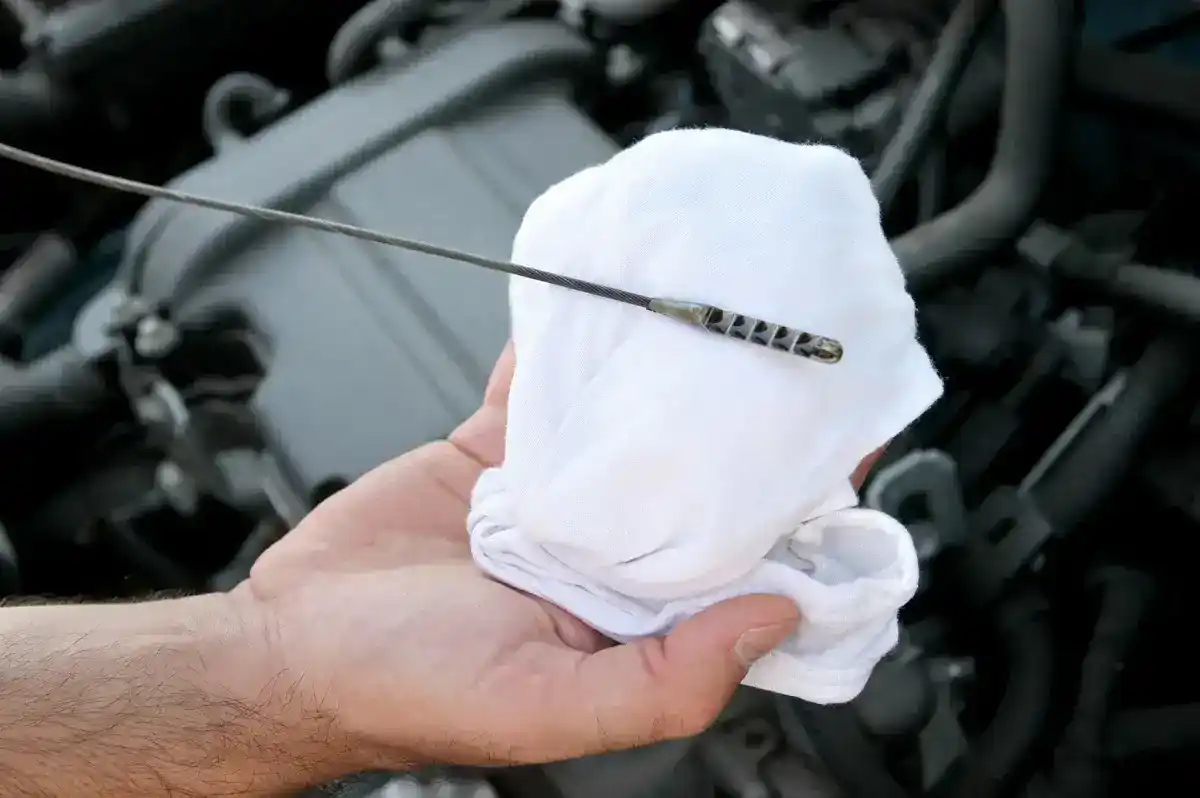
Pull out the dipstick and wipe it clean with a lint-free cloth or paper towel.
-
Push the dipstick fully back into its tube. Make sure it is seated all the way.
-
Remove it again and hold it horizontally. Look at the oil mark between the low and full lines.
-
Add oil only if the level is low. Pour a small amount at a time, then wait and check again.
-
Replace the dipstick and oil filler cap securely.
The oil should usually sit between the two marks. Do not assume that adding oil up to the top of the dipstick tube is correct. That can overfill the engine.

What the Dipstick Reading Means
Most dipsticks have two lines, dots, or shaded areas. One mark means the minimum safe level, and the other means full. The space between them often represents about one quart, but this varies by engine.
If the oil is below the low mark, add the oil type listed in your owner’s manual. Add about half a quart, wait a minute, and check again. Small additions help prevent overfilling.
If the oil level is slightly above the full mark, avoid adding more. If it is far above the mark, have the excess removed. Too much oil can cause the crankshaft to whip the oil into foam. Foamy oil may not lubricate the engine well.
Oil color alone does not tell the full story. Fresh oil may be amber, while used oil often becomes brown or black. A better check includes:
- Oil level
- Oil texture
- Strong fuel smell
- Coolant-like color or creamy residue
- Metal particles
- Unusual oil loss between services
A milky appearance under the oil cap can sometimes point to moisture or coolant contamination. Short trips can also cause light condensation, so one sign does not confirm a major repair. Ask a qualified technician to inspect it before making a decision.

Why Oil Level Can Change After Driving
Engine oil expands as it warms. This is one reason the reading can change slightly between a cold check and a warm check. Oil also moves through the filter, galleries, and other engine parts while the vehicle is running.
Some oil burns during normal engine use. Older engines may consume more oil because of worn piston rings, valve seals, or leaks. A sudden drop deserves attention, especially if you see oil spots under the car or smell burning oil.
Oil level may also appear different because the car is parked at an angle. Even a small slope can move oil away from the dipstick tube. This is why level ground matters when you check oil when the car is running or off. For an accurate result, always check it with the engine off and the car level.

Can You Check Oil Immediately After Driving?
You can check engine oil after driving, but do not check it while the engine is still running. Turn off the vehicle and wait for the period listed in the owner’s manual.
Waiting helps in two ways. First, it allows oil to return to the pan. Second, it reduces the chance of touching hot parts or splashing hot oil.
If the engine is extremely hot, wait longer. Use care near the exhaust manifold, radiator, cooling fan, and other hot components. Electric cooling fans can start even after the engine is switched off, so keep your hands away from moving parts.
A common mistake is checking oil right after pulling into a parking space. The engine is off, but the oil may still be distributed throughout the engine. This can produce a reading that is lower than the settled level.

What About Cars Without a Dipstick?
Some newer vehicles do not have a traditional oil dipstick. Instead, they use an electronic oil level sensor and display the result on the dashboard or infotainment screen.
For these vehicles, the measurement process can be different. The system may require:
- A level parking surface
- A warm engine
- A stopped engine
- A specific waiting time
- A menu selection on the instrument panel
The display may not work if the car is moving or if the oil temperature is outside the required range. Never guess the procedure. Check the owner’s manual because the sensor system is not identical across brands.
If your car has an electronic oil level check, the answer to “Do you check oil when the car is running?” may still be no. Many systems measure oil only after the engine stops. Some vehicles may provide instructions that involve running the engine first, followed by a shutoff and waiting period.

Special Cases That Cause Confusion
Engine oil, transmission fluid, and differential fluid are not checked in the same way. Many automatic transmissions require a warm, running engine and a specific gear position for a fluid check. That rule does not usually apply to engine oil.
Do not use transmission fluid instructions for engine oil. The fluids serve different systems, and the measuring methods are different.
Some engines also have unusual dipstick designs or more than one fluid reservoir. Diesel engines, performance cars, motorcycles, and hybrid vehicles may have special steps. The owner’s manual is the final authority for your specific model.
If the manual says to check oil with a running engine, follow that exact instruction and keep clear of belts, fans, and hot parts. Such instructions are uncommon for a normal engine oil dipstick, but vehicle designs can vary.

How Often Should You Check Engine Oil?
A good routine is to check engine oil about once a month and before a long road trip. Check it more often if the engine is older, the vehicle has high mileage, or you notice oil spots.
You should also check the level when:
- The oil warning light appears.
- The engine makes new ticking or knocking sounds.
- You smell burning oil.
- Blue smoke comes from the exhaust.
- You notice lower oil pressure or an oil leak.
- The vehicle has recently had an oil change.
An oil pressure warning light is more serious than a reminder that an oil change is due. If the red oil pressure light stays on while the engine runs, pull over safely and shut the engine off. Driving with low oil pressure can damage bearings, the crankshaft, and other parts within minutes.

Mistakes to Avoid When Checking Oil
Small errors can lead to a wrong reading or engine trouble. Avoid these common mistakes:
- Checking oil while the engine is running.
- Checking on a steep hill or sloped driveway.
- Reading the dipstick without wiping it first.
- Failing to push the dipstick fully into the tube.
- Adding a full quart before taking a second reading.
- Using the wrong oil viscosity or specification.
- Confusing the oil filler cap with another fluid cap.
- Ignoring repeated oil loss.
- Overfilling the engine.
- Touching hot parts without care.
One practical lesson is to keep a clean cloth and the correct oil in the trunk. I have found that rushed checks often lead to spilled oil, missed readings, or adding too much. A calm, repeatable process works much better than trying to check everything in a hurry.
What I Do When a Reading Looks Wrong
If the dipstick is dry, do not start the engine until you add the correct oil and investigate why the level is so low. Add oil gradually and recheck it. A dry dipstick can mean the engine is dangerously low, though the exact amount depends on the dipstick and oil pan design.
If the level is suddenly much higher than normal, do not assume the engine is overfilled from an oil change. Fuel or coolant may have entered the crankcase. Both problems require professional diagnosis.
If the oil looks normal but the warning light remains on, stop driving and seek help. The light may indicate low oil pressure, a failed sensor, a clogged pickup, or another serious fault. The dipstick cannot confirm oil pressure.
For the clearest result, repeat the check after the car has sat on level ground for the same amount of time. Consistent conditions make changes easier to spot.
Frequently Asked Questions About Checking Oil
Do you check oil when the car is running?
No, most vehicles should have their engine oil checked with the engine off. Let the oil settle for several minutes before reading the dipstick.
Should I check engine oil hot or cold?
Follow the owner’s manual. Many vehicles call for a warm engine followed by a five-minute wait, while a cold check after the car sits overnight is also useful when done consistently.
How long should I wait to check oil after driving?
Wait about five minutes after shutting off a normally warm engine unless the manual gives a different time. Wait longer if the engine or oil is extremely hot.
What happens if you check oil while the car is running?
The reading may be inaccurate because oil is circulating through the engine. You also risk contact with hot oil, belts, pulleys, fans, and other moving parts.
Can I add oil while the engine is running?
Turn the engine off before adding oil. This reduces the risk of injury and prevents oil from spilling onto moving or hot engine components.
How much oil should I add when the level is low?
Add a small amount, such as half a quart, then wait and recheck the dipstick. Do not exceed the full mark because overfilling can harm engine operation.
Conclusion
The safest answer to “Do you check oil when the car is running?” is no. Turn the engine off, park on level ground, wait for the oil to settle, and use the dipstick correctly. Check your owner’s manual for the exact warm or cold procedure, since electronic oil systems and special engines may work differently.
Make oil checks a simple monthly habit. Catching a low level or unusual oil condition early can protect your engine and save you from a major repair. Take a few minutes before your next long drive, and share your vehicle’s oil-check routine or questions in the comments.