

If you love climbing, you know how important your climbing shoes are. They help you grip the rock, balance, and climb higher. But many climbers forget to clean and care for their shoes. Dirty shoes slip more, smell bad, and wear out quickly. Clean shoes help you climb better and last longer. I learned this the hard way—after a muddy hike to the crag, my shoes felt stiff and slippery for weeks. When I finally cleaned them, they felt almost new again. In this guide, I’ll share everything you need to know about cleaning and caring for your climbing shoes, using simple words and clear steps.
Why Cleaning Your Climbing Shoes Matters
Climbing shoes are not cheap. Good pairs cost $80–$200. They’re made of rubber, leather, and synthetic materials. Dirt and sweat break these down over time. If you care for your shoes, they can last two to three years, even with regular climbing. Without care, you might need new shoes every six months. Clean shoes also give better grip, which can make a huge difference on tough routes.
A recent survey by Outdoor Gear Lab showed that climbers who cleaned their shoes monthly had shoes that lasted 25% longer than those who did not. That means more climbs and less money spent.
Understanding Your Climbing Shoes
Before you clean, it helps to know your shoe’s materials. Most climbing shoes have:
- Rubber soles (for grip)
- Leather uppers (for comfort)
- Synthetic uppers (for flexibility)
- Velcro or laces
Some shoes use only synthetic materials, while others use only leather. Each needs a different cleaning method. Check the label or the brand’s website if you’re unsure.
| Material | Main Benefit | Cleaning Note |
|---|---|---|
| Rubber | Grip and durability | Easy to clean, avoid harsh chemicals |
| Leather | Comfort and shape | Do not soak, use mild soap |
| Synthetic | Lightweight, dries fast | Can handle more water, avoid hot water |
Knowing your materials helps you avoid mistakes that can ruin your shoes.
How Often Should You Clean Climbing Shoes?
How often you clean depends on how much you climb. If you climb indoors three times a week, clean them once a month. If you climb outdoors, clean after every muddy or dusty trip. If your shoes smell, clean them right away.
A simple rule: Clean when you notice dirt, smell, or loss of grip. Don’t wait until they look terrible.
Step-by-step Guide To Cleaning Climbing Shoes
Cleaning climbing shoes is simple but needs care. Here’s how I do it, based on years of climbing and shoe care.
1. Gather Your Supplies
You’ll need:
- Soft brush (old toothbrush works)
- Mild soap (dish soap or hand soap)
- Warm water (not hot)
- Cloth or sponge
- Towel
- Optional: Shoe deodorizer, baking soda
2. Remove Loose Dirt
First, tap your shoes together outside. This knocks off loose dirt and grit. Then use the brush to scrub away dust and small stones. Pay attention to the seams and rubber edges.
3. Wash The Uppers
Fill a bowl with warm water and add a few drops of mild soap. Dip your cloth or sponge in the water. Gently wipe the outside of your shoes. For leather, don’t soak—just wipe. For synthetic, you can use more water, but avoid hot water.
If you see stains, scrub gently with the brush. Never use bleach or harsh chemicals. These can damage both leather and rubber.
4. Clean The Soles
Dirty rubber loses grip. Take your brush and scrub the soles. If there’s sticky mud, use a bit more soap. Rinse with a damp cloth. Make sure all soap is gone, as it can make rubber slippery.
A non-obvious tip: If your rubber feels slick, rub it with a little sandpaper (very gently) to restore grip. This is something many beginners don’t know. I learned it from an experienced climber at my local gym.
5. Clean The Inside
Sweat collects inside the shoe. To clean, use your damp cloth with soap and wipe inside. For bad smells, sprinkle baking soda inside, let it sit for a few hours, then shake out.
If your shoes are really smelly, you can use a shoe deodorizer spray. Make sure it’s safe for climbing shoes.
6. Rinse And Dry
After cleaning, use a damp cloth to rinse off all soap. Never soak climbing shoes fully in water. Place them in a shady, airy spot to dry. Avoid direct sun or heat, as this can shrink leather and melt glue.
Stuff shoes with newspaper to help them dry faster and keep their shape.
7. Final Touches
Once dry, check for any damage. Loose stitching or peeling rubber should be fixed before your next climb. If you notice problems, take your shoes to a repair shop or contact the brand.
Common Mistakes To Avoid
Many climbers make mistakes when cleaning their shoes. Here are some to watch out for:
- Using hot water: This can shrink leather and damage glue.
- Soaking shoes: Especially bad for leather, can cause them to lose shape.
- Using harsh chemicals: Bleach, alcohol, or heavy cleaners ruin both rubber and leather.
- Drying in sun or with heat: Sun and heaters can warp shoes and break down materials.
- Skipping regular cleaning: Dirt builds up and causes permanent damage.
I once left my shoes in the car after a rainy climb. The heat and moisture caused them to smell terrible and the glue started to come apart. It’s better to clean and dry them right away.
Caring For Climbing Shoes Between Cleans
Cleaning is important, but daily care matters too. Here are tips to keep shoes fresh:
- Air out after every climb: Don’t leave shoes in your bag.
- Store in a cool, dry place: Avoid hot cars or damp basements.
- Use shoe bags: Keeps shoes safe from dust and moisture.
- Don’t walk in them off the wall: Save the rubber for climbing.
- Rotate pairs: If you climb often, use two pairs. This gives each time to dry.
These habits help shoes last longer and prevent smells.
How To Fix Common Shoe Problems
Even with care, shoes sometimes need fixes. Here’s how to handle common issues:
Smelly Shoes
Bad smell is common. Sweat builds up, especially with tight shoes. To fix:
- Sprinkle baking soda inside after each climb.
- Use shoe deodorizer spray.
- Wash insoles if removable.
Loose Rubber
Rubber can peel away after months of use. If small, use shoe glue to fix. For big problems, go to a repair shop.
Stretched Leather
Leather stretches over time. If your shoes feel loose, try soaking them very briefly in cold water, then wear them as they dry. This can help them shrink a bit, but don’t overdo it.
Broken Laces Or Velcro
Replace laces with climbing-specific ones. For Velcro, clean the strips with a brush to remove lint.
When To Resole Climbing Shoes
The rubber on your shoes wears out after many climbs. Resole means putting new rubber on the bottom. It costs $30–$50, but it’s cheaper than new shoes. Good to resole when:
- You see holes in the rubber
- Grip feels weak
- Uppers are still in good shape
Many climbers resole shoes once a year. Some companies offer mail-in resoling.
| Resole Cost | New Shoe Cost | Average Lifespan |
|---|---|---|
| $30–$50 | $80–$200 | 1–2 years (with regular care) |
Resoling gives new life to your shoes and saves money.
Storing Climbing Shoes Properly
Storage matters as much as cleaning. Shoes stored wrong can get moldy, lose shape, or smell bad. Here’s how to store them:
- Always dry shoes fully before storing.
- Keep in a breathable bag—not plastic.
- Store in a cool place, away from sun and heat.
- If storing long-term, stuff with paper to keep shape.
If you travel often, pack shoes in a separate bag to keep them safe.
Tips For Extending Shoe Life
Here are some extra tips from my own experience and from expert climbers:
- Clean shoes regularly: Even quick wipes help.
- Use a shoe brush: Brushing rubber before each climb improves grip.
- Don’t wear shoes while walking: Only put them on before climbing.
- Dry shoes naturally: Never use a dryer or heater.
- Rotate shoes: Using two pairs reduces wear.
- Check for damage often: Fix small issues before they become big.
A climber I met once said, “Treat your shoes like your hands—keep them clean and dry, and they’ll help you climb longer. ”
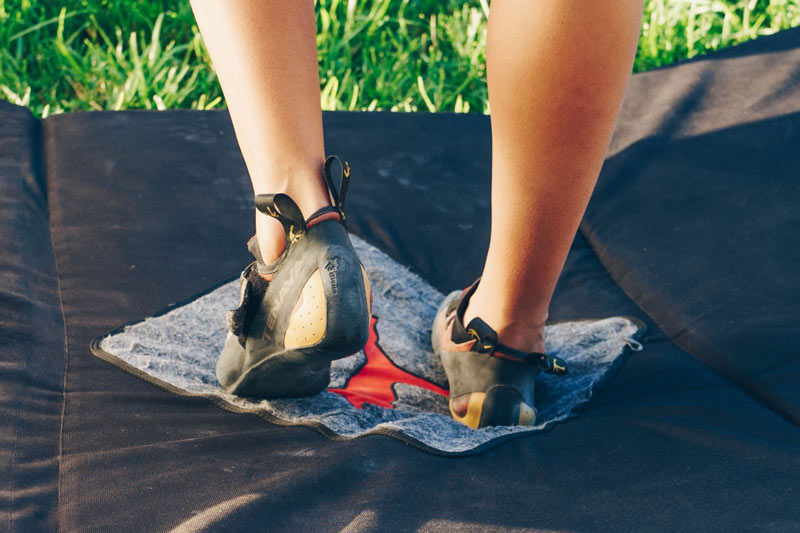
Credit: www.climbinganchors.com.au
Cleaning Climbing Shoes: Indoor Vs Outdoor
Indoor climbing shoes get less dirty but still need care. Chalk, sweat, and rubber build up. Outdoor shoes get dirt, mud, and sand.
- Indoor: Clean monthly, focus on smell and chalk.
- Outdoor: Clean after each trip, focus on dirt and mud.
If you switch between indoor and outdoor, keep one pair for each. This keeps both cleaner.
Are Washing Machines Safe For Climbing Shoes?
Many people ask if it’s okay to use a washing machine. Most brands say no. Machines can ruin the glue, stretch leather, and damage rubber. If you must, use only cold water, gentle cycle, and put shoes in a pillowcase.
Never use dryers.
But hand cleaning is always safer and keeps shoes lasting longer.
How To Deodorize Climbing Shoes
Smell is a big issue. Tight shoes mean sweaty feet, and sweat leads to bacteria. Here’s how to fight smell:
- Air shoes out after each climb.
- Use baking soda or shoe deodorizer.
- Wash insoles if possible.
- Avoid leaving shoes in closed bags.
An interesting fact: Studies show that shoes stored in open air have 70% less bacteria than those kept in bags.
Comparing Climbing Shoe Brands On Care Needs
Different brands use different materials. Some are easier to clean than others.
| Brand | Material | Ease of Cleaning |
|---|---|---|
| La Sportiva | Leather/Synthetic | Medium (avoid soaking) |
| Scarpa | Synthetic | Easy (dries fast) |
| Five Ten | Leather | Medium (wipe only) |
| Evolv | Synthetic | Easy (can wash gently) |
Check your brand’s website for specific care tips.
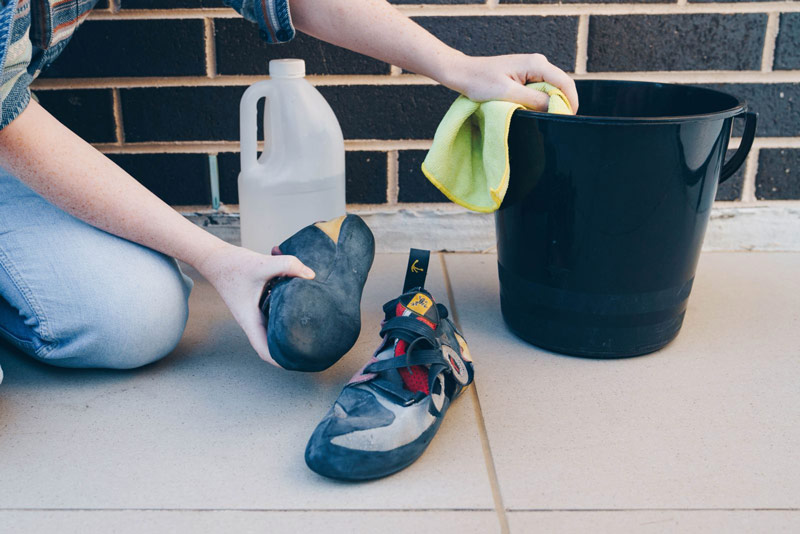
Credit: www.climbinganchors.com.au
Extra Tips For Beginners
If you’re new to climbing, here’s what helped me most:
- Don’t rush cleaning. Take your time.
- Start with a soft brush and mild soap.
- Ask at your local gym—many staff have great shoe care advice.
- Watch for changes in grip. If rubber feels slippery, clean or lightly sand.
Many beginners forget the soles. Clean them before every climb for best grip.
Expert Insights On Climbing Shoe Care
Experts say that shoe care is one of the easiest ways to improve climbing. Simple habits—like brushing soles and airing shoes—can help you climb better and save money. Shoe manufacturers recommend cleaning shoes monthly, drying them naturally, and avoiding harsh chemicals.
A study by the American Alpine Club found that shoes cared for properly lasted 30% longer and performed better on difficult routes.
If you want more info, the Climbing Magazine website has detailed guides and expert tips.

Credit: www.peakmountaineering.com
Frequently Asked Questions
How Do I Clean The Rubber On My Climbing Shoes?
Use a soft brush and mild soap. Scrub gently. Rinse with a damp cloth to remove soap. For extra grip, gently sand with fine sandpaper.
Can I Put Climbing Shoes In The Washing Machine?
It’s not recommended. Machines can damage glue and stretch leather. If you must, use cold water and gentle cycle, but hand washing is safer.
How Do I Get Rid Of Bad Smells In Climbing Shoes?
Air out after each climb. Sprinkle baking soda inside. Use deodorizer spray. Wash insoles if possible.
How Often Should I Clean My Climbing Shoes?
Clean monthly if you climb indoors. Clean after every muddy outdoor trip. Clean right away if shoes smell or lose grip.
What Should I Do If The Rubber Is Peeling Off?
For small areas, use shoe glue. For big problems, go to a repair shop or resole. Don’t climb with damaged shoes.
Caring for your climbing shoes is simple, but it makes a big difference. Clean shoes grip better, smell fresher, and last longer. I learned from experience—just a few minutes of care after each climb saved me money and improved my performance.
With these tips, you can keep your shoes in great shape and focus on climbing your best.