

Most automatic cars do have clutch components, but they usually work without a driver-operated clutch pedal.
The question “does automatic car has clutch” sounds simple, but the real answer depends on the type of automatic transmission. Traditional automatics, dual-clutch transmissions, automated manuals, and CVTs use different parts and control methods. This guide explains how each system works, what can fail, and how to care for it.
Does an automatic car have a clutch?
Yes, most automatic cars have some form of clutch. The key difference is that the clutch works automatically through hydraulic pressure, electronic controls, or both.
A manual car has one main clutch that the driver controls with a pedal. An automatic car may have several internal clutch packs, a lockup clutch, or two computer-controlled clutches. These parts connect and disconnect engine power without requiring the driver to shift by hand.
So, when people ask, “does automatic car has clutch,” the best answer is:
• A traditional automatic usually has internal clutch packs and a torque converter.
• A dual-clutch transmission has two mechanical clutches.
• An automated manual transmission has a regular clutch operated by computers and actuators.
• A CVT may use a torque converter, launch clutch, or another starting device.
• Most automatic cars do not have a clutch pedal.
Think of the system like an elevator operator hidden inside the gearbox. You choose Drive, and the transmission selects the correct connection for you.

How does a traditional automatic transmission use a clutch?
A traditional automatic transmission usually uses a torque converter instead of a driver-operated clutch. The torque converter allows the engine to keep running while the car is stopped, even when the wheels are not turning.
Inside the transmission, however, several clutch packs control the gears. These clutch packs contain friction plates and steel plates. Hydraulic fluid presses them together to engage a gear.
The torque converter
The torque converter sits between the engine and transmission. It uses transmission fluid to transfer engine power.
It has three main parts:
• Impeller, which is connected to the engine
• Turbine, which sends power to the transmission
• Stator, which improves fluid flow and low-speed torque
At low speed, the torque converter allows some slip. This makes stopping smoother. It also helps the car move away from a stop without stalling the engine.
Many modern torque converters also include a lockup clutch. At cruising speed, this clutch connects the engine and transmission more directly. It reduces slip, lowers heat, and can improve fuel economy.
Internal clutch packs
A traditional automatic transmission may have multiple clutch packs and bands. The transmission computer controls them by directing fluid through small passages and solenoids.
When a clutch pack engages, it locks certain gears together. When it releases, another gear set can take over. This process creates automatic gear changes.
This is why the answer to “does automatic car has clutch” is not simply no. The clutch is still there, but it is inside the transmission and does not need direct driver control.

Does an automatic car have a clutch pedal?
Most automatic cars do not have a clutch pedal. They usually have only two pedals:
• Brake pedal
• Accelerator pedal
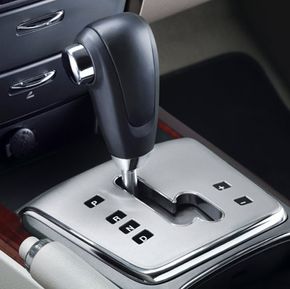
The transmission handles clutch engagement, gear selection, and release on its own. The driver normally selects Park, Reverse, Neutral, or Drive.
A manual car has three pedals:
• Clutch
• Brake
• Accelerator
The clutch pedal lets the driver disconnect the engine from the transmission. This is needed when starting, stopping, or changing gears manually.
Some older vehicles and special models may use unusual pedal layouts, but the common automatic car has no clutch pedal. The absence of a pedal does not mean the vehicle has no clutch parts.
This distinction explains why many new drivers wonder, “does automatic car has clutch?” They cannot see or operate the clutch, yet the transmission may still contain several of them.

Do all automatic transmissions use the same type of clutch?
No. Automatic transmissions use different designs. The word “automatic” describes how the transmission changes gears, not one single mechanical layout.
Traditional automatic transmission
This type uses a torque converter and internal clutch packs. It is common in many cars, trucks, and SUVs.
Its strengths include:
• Smooth takeoff
• Easy stop-and-go driving
• Good towing ability in many models
• Long service life with proper maintenance
Dual-clutch transmission
A dual-clutch transmission, or DCT, uses two clutches. One clutch manages odd gears, such as first, third, and fifth. The other manages even gears, such as second, fourth, and sixth.
The next gear can be ready before it is needed. This allows very fast shifts and strong performance.
However, a DCT may feel less smooth at low speed. Slow parking maneuvers can create heat and wear, especially when the driver repeatedly creeps forward.
Automated manual transmission
An automated manual transmission uses a standard manual gearbox and clutch. Electric or hydraulic actuators operate the clutch and select gears.
This design can be efficient and simple, but some systems produce noticeable pauses or jerks during shifts. The computer is doing the work that a driver normally does with a clutch pedal and gear lever.
Continuously variable transmission
A CVT does not use fixed gears in the same way as a traditional automatic. It uses pulleys and a belt or chain to provide a wide range of ratios.
Some CVTs use a torque converter. Others use a launch clutch or a wet clutch. The design varies by manufacturer and model.
Therefore, the answer to “does automatic car has clutch” depends on the transmission model. Always check the owner’s manual or service information for the exact system in your car.

What is the difference between a manual clutch and an automatic clutch?
A manual clutch is controlled by the driver. Pressing the clutch pedal separates the engine from the transmission. Releasing the pedal reconnects them.
An automatic clutch is controlled by the transmission system. Sensors, fluid pressure, solenoids, actuators, and software decide when the clutch should engage or release.
Here is a simple comparison:
| Feature | Manual transmission | Automatic transmission |
|---|---|---|
| Clutch pedal | Yes | Usually no |
| Clutch control | Driver | Hydraulic or electronic system |
| Gear selection | Driver | Transmission computer |
| Main starting device | Mechanical clutch | Torque converter or automated clutch |
| Driving effort | Higher | Lower in traffic |
| Common clutch wear | Clutch disc and pressure plate | Clutch packs, lockup clutch, or DCT clutches |
A manual clutch often wears from repeated slipping during starts. Automatic clutch parts can also wear, but the causes may include overheated fluid, low fluid pressure, electrical faults, or incorrect control signals.

What causes clutch problems in an automatic car?
Automatic clutch problems can develop slowly or appear suddenly. The symptoms depend on the transmission design.
Common causes include:
• Low transmission fluid
• Incorrect or old transmission fluid
• Overheating
• Worn friction plates
• Failed solenoids
• Weak hydraulic pressure
• Faulty speed or pressure sensors
• Software or control module faults
• Aggressive driving
• Towing beyond the vehicle’s limits
Burned or dirty fluid is a warning sign. Transmission fluid does more than reduce friction. It also carries heat and creates hydraulic pressure. If the fluid is low or badly degraded, clutch engagement may become weak or harsh.
A common mistake is adding the wrong fluid. Automatic transmission fluids are not always interchangeable. Using the wrong type can cause slipping, shuddering, noise, or premature damage.
What are the signs of a worn automatic transmission clutch?
A failing automatic clutch may show several warning signs. One symptom alone does not prove the clutch is bad, because sensors, solenoids, and other parts can create similar problems.
Watch for these signs:
• Engine speed rises without a matching increase in vehicle speed
• Delayed engagement when selecting Drive or Reverse
• Hard or sudden gear changes
• Shuddering during acceleration
• A burning smell
• Dark or contaminated transmission fluid
• Transmission warning lights
• Loss of movement in one or more gears
• A whining, humming, or grinding sound
Slipping is one of the clearest signs. For example, the engine may rev high while the car moves slowly uphill. This can happen when a clutch pack cannot hold the required power.
Do not keep driving for weeks with severe slipping. Continued use creates more heat and friction material. A small repair may become a full transmission rebuild if the problem is ignored.

How can you protect the clutch in an automatic car?
Good driving habits can reduce heat and wear. They cannot prevent every failure, but they can help the transmission last longer.
Follow these practical steps:
- Check the owner’s manual for the correct fluid type and service schedule.
- Have leaks repaired quickly.
- Come to a full stop before shifting from Reverse to Drive.
- Avoid racing the engine during gear engagement.
- Use the parking brake on hills instead of holding the car with the accelerator.
- Follow the manufacturer’s towing limits.
- Allow the transmission to warm up in very cold conditions.
- Avoid repeated hard launches unless the vehicle is designed for them.
- Do not ignore slipping, shuddering, or delayed engagement.
- Use a qualified repair shop for transmission diagnosis.
Some automatic transmissions require fluid changes. Others use a “lifetime” fluid claim, but lifetime does not always mean the fluid can never degrade. Heat, heavy loads, and stop-and-go traffic can shorten fluid life.
The correct service plan depends on the vehicle. A careful technician should verify the transmission code, fluid specification, level procedure, and temperature requirements before servicing it.

Can you drive an automatic car like a manual car?
You can control some parts of an automatic transmission, but you should not treat every automatic like a manual.
Many cars have Low, Sport, manual-select, or paddle-shift modes. These features let you request a gear or limit gear changes. The transmission computer still protects the engine and gearbox.
Avoid these habits:
• Shifting into Park before the car fully stops
• Selecting Reverse while moving forward
• Holding the vehicle on a hill with the accelerator
• Moving the shifter repeatedly while the wheels are spinning
• Keeping a DCT creeping for long periods in heavy traffic
• Using Neutral to coast without a clear reason
A careful driver uses the brake pedal to hold the car at a stop. On a hill, the parking brake can reduce strain. These small habits matter because clutch packs and torque converters generate heat when they slip.

Does an automatic car have better fuel economy than a manual?
Modern automatic transmissions can match or exceed manual fuel economy. This is due to more gears, improved shift control, lockup clutches, and better software.
Older automatic transmissions often lost more power through the torque converter. Modern lockup systems reduce that loss during steady driving.
Fuel economy still depends on many factors:
• Engine size
• Vehicle weight
• Transmission design
• Driving speed
• Tire pressure
• Traffic conditions
• Driving style
• Maintenance
A DCT can be efficient because it uses direct mechanical clutches. A CVT can keep the engine near an efficient speed. A traditional automatic can also perform well when its fluid, software, and mechanical parts are healthy.
So, “does automatic car has clutch” is not only a repair question. The clutch design also affects comfort, performance, fuel use, and long-term ownership cost.
Automatic transmission clutch repair and replacement
Repair costs vary widely. A simple fluid leak or solenoid problem may cost far less than replacing worn clutch packs.
A proper diagnosis may include:
• Road testing
• Checking transmission fluid level and condition
• Scanning for diagnostic trouble codes
• Measuring hydraulic pressure
• Inspecting wiring and connectors
• Checking for software updates
• Testing shift solenoids
• Examining transmission temperature data
A trouble code does not always identify the failed part. For example, a gear-ratio code may result from clutch wear, low pressure, a damaged sensor, or a valve body problem.
Ask the repair shop for a clear explanation. The technician should tell you what was tested, what failed, and why the repair is needed. Replacing parts without testing can waste money.
In some cases, rebuilding the transmission makes sense. In others, replacement is more practical. The right choice depends on vehicle age, mileage, parts availability, warranty, and the condition of the rest of the car.
Frequently Asked Questions About Does Automatic Car Has Clutch
Does an automatic car have a clutch or not?
Yes, most automatic cars have internal clutch parts, but they usually do not have a clutch pedal. The transmission controls these clutches automatically.
Do automatic cars need clutch replacement?
Some automatic cars need clutch replacement when their clutch packs, lockup clutch, or DCT clutches wear out. The repair depends on the transmission type and the specific failure.
How long does an automatic transmission clutch last?
There is no fixed lifespan. Fluid condition, traffic, towing, driving habits, heat, and vehicle design can affect clutch life.
Can low transmission fluid damage the clutch?
Yes, low fluid can reduce hydraulic pressure and cooling. This may cause slipping, heat buildup, and rapid clutch wear.
Is a dual-clutch transmission the same as a manual transmission?
A dual-clutch transmission uses mechanical clutches like a manual transmission, but computers control the clutch and gear changes. The driver usually does not operate a clutch pedal.
Does a CVT have a clutch?
Some CVTs use a torque converter, while others use a launch clutch or another starting mechanism. The exact design depends on the vehicle.
Can you replace an automatic clutch yourself?
Automatic clutch repair is usually complex and requires special tools, measurement equipment, and transmission knowledge. Basic fluid checks may be suitable for an owner, but internal repairs are best handled by a trained technician.
Conclusion
The answer to “does automatic car has clutch” is yes in many cases, but the clutch is usually hidden inside the transmission and controlled automatically. Traditional automatics use torque converters and clutch packs, while DCTs and automated manuals use mechanical clutches managed by computers. CVTs may use a torque converter or launch clutch.
Learn which transmission your car uses, follow the correct fluid service plan, and act quickly when you notice slipping, shuddering, delayed engagement, or burning smells. Check your owner’s manual today, and share this guide with another driver who wants to understand how an automatic transmission works.
