

Introduction
To get a mildew smell out of a car, remove the moisture source, clean the damp areas, dry the cabin fully, and replace the cabin air filter if needed. In the United States, this problem often follows rain, flooding, high humidity, wet floor mats, or a leaking door or sunroof seal.
A spray may hide the odor for a short time. It will not solve the cause. If moisture stays under the carpet or inside the heating, ventilation, and air-conditioning system, the smell will return.

What Causes a Mildew Smell in a Car?
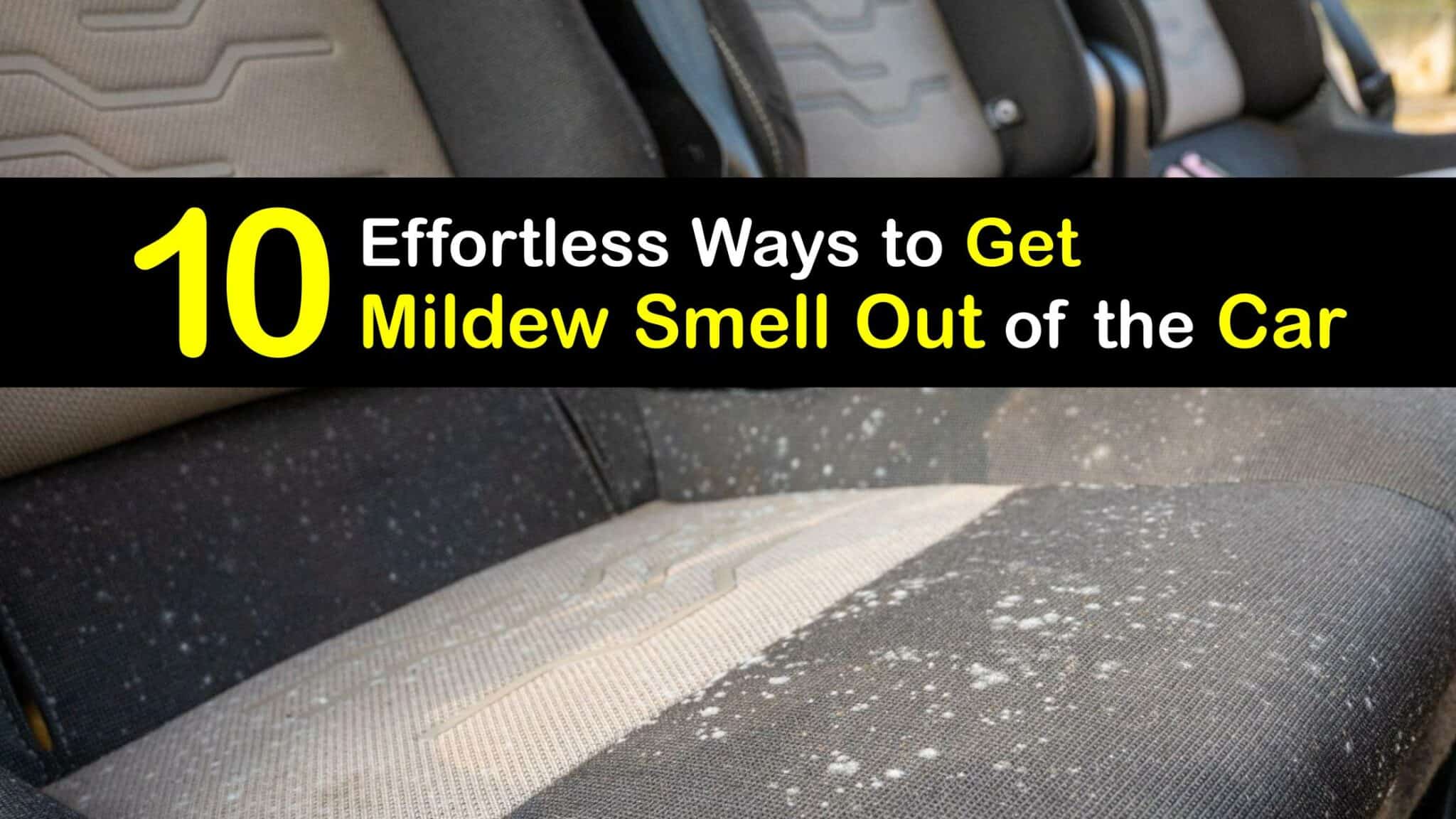
A mildew smell usually means that moisture has stayed in a dark, closed area long enough for mold or mildew to grow. The source may be easy to see, such as a wet mat. It may also be hidden below the carpet or inside the ventilation system.
Common causes include:
- Wet clothing, umbrellas, shoes, or towels left in the car
- Damp carpet or floor mats
- A clogged air-conditioning drain
- A leaking sunroof, windshield, door seal, or trunk seal
- Water entering through a damaged body panel
- A wet spare-tire well
- A dirty or wet cabin air filter
- Flood water or storm damage
- Moisture inside the heater or air-conditioning housing


Mildew odors often smell earthy, sour, or musty. A sweet smell may point to an engine coolant leak. A burnt smell may signal an electrical or mechanical problem. Do not treat every unusual odor as mildew.
Check these areas first
Use your hands and eyes to inspect:
- Front and rear floor mats
- Carpet near the doors
- The area under the seats
- The trunk and spare-tire well
- The headliner near the sunroof
- The bottom of the doors
- The cabin air filter
- The air vents
- The carpet beneath removable trim
Press a clean paper towel into the carpet. If it picks up moisture, the carpet is not dry enough. Also look for water marks, stains, peeling adhesive, rust, or damp padding.
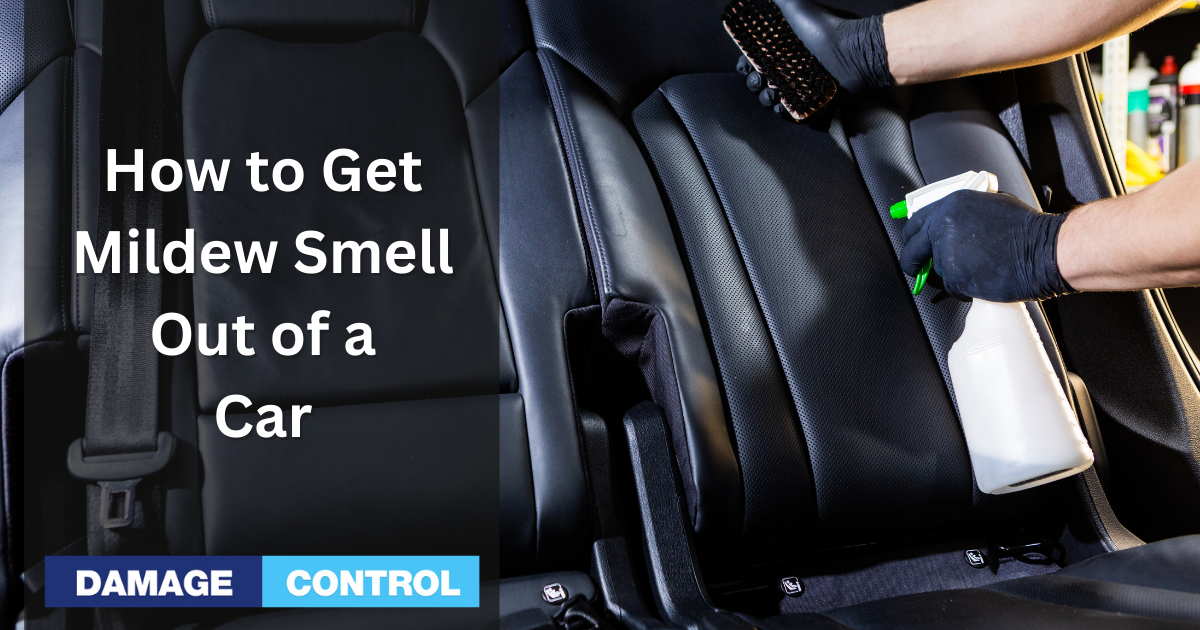
How to Get Mildew Smell Out of a Car: Step-by-Step
Follow the steps in order. Cleaning before drying the car can make the smell worse.
1. Remove everything from the car
Take out the floor mats, child seats, seat covers, trash, blankets, and personal items. Check each item for dampness.
Wash fabric items according to their care labels. Let them dry fully before putting them back. If a porous item has deep mold growth or a strong odor that will not leave, replacement may be safer and easier than repeated cleaning.
2. Find and stop the water leak
Do not begin with air freshener. First, find out why the car became wet.
Look for:
- Wet carpet after rain
- Water stains around the windshield
- Damp areas near a sunroof
- Moisture inside a door
- Water in the trunk
- A wet spare-tire well
- Condensation near the dashboard
- Water dripping from the headliner
- A clogged air-conditioning drain
To test for an outside leak, have one person sit inside while another gently sprays water over one area at a time. Use plain water from a hose. Do not use high pressure, which may force water past seals that normally hold.
A professional may need to inspect the body seals, drains, air-conditioning housing, or carpet padding. If the leak remains, the odor will likely return.


3. Dry the cabin as soon as possible
Remove standing water with a wet-dry vacuum. A household vacuum that is not rated for liquids can be dangerous and may be damaged.
Then open the doors or windows in a safe, dry place. Use fans to move air through the cabin. A dehumidifier in a garage can help pull moisture from the air, but keep the car and electrical cords dry and follow the equipment instructions.
For faster drying:
- Lift the carpet edge if the vehicle design allows it.
- Check the foam padding under the carpet.
- Remove wet floor mats from the vehicle.
- Blot seats with clean towels.
- Keep air moving across, not only at, the wet area.
- Use heat with care. Excess heat can harm plastic, leather, glue, and electronics.
The car is not dry just because the surface feels dry. Carpet padding can hold water for days. Press a dry towel into several spots, including under the seats and near the doors.
4. Clean hard surfaces
Wash plastic, vinyl, rubber, and painted interior surfaces with a mild car-interior cleaner or a small amount of mild soap and water. Apply the cleaner to a cloth rather than soaking electrical parts.
Wipe:
- Door panels
- Cup holders
- Seat rails
- Plastic trim
- Trunk panels
- Rubber seals
- The area around the floor
Dry each surface after cleaning. Do not flood the dashboard, switches, speakers, seat controls, or air-bag areas.
5. Clean fabric and carpet
Vacuum first. This removes loose dirt and spores from the surface.
Next, use a cleaner made for the material. Follow the label and test it on a hidden area. Apply only enough liquid to clean the fabric. Too much water can push moisture deeper into the padding.
For cloth seats and carpet:
- Vacuum the area.
- Apply a fabric or carpet cleaner.
- Agitate gently with a soft brush.
- Extract the dirty liquid with a wet-dry vacuum or extractor.
- Wipe away residue.
- Dry the area completely with airflow.
For leather or coated leather, use a cleaner made for automotive leather. Do not use household mold chemicals unless the product label specifically allows that material and use.
If mold covers a large area, has soaked into padding, or returns after cleaning, replace the affected padding or seek professional cleaning.
6. Replace or inspect the cabin air filter
A cabin air filter cleans air that enters the passenger area. If it is dirty, damp, or moldy, it can spread a musty smell through the vents.
The filter location varies. It may be behind the glove box, under the dashboard, or near the windshield cowl. Check the owner’s manual before removing it.
Replace the filter if it is:
- Wet
- Stained
- Caked with dirt
- Covered with visible mold
- Producing a smell when the fan runs


A new filter will not fix a wet HVAC housing or clogged drain. It is one part of the solution, not a cure by itself.
7. Clean the ventilation system carefully
Turn the fan on and note when the odor appears.
- If the smell is strongest when the fan starts, inspect the cabin filter and air intake.
- If it appears when the air conditioner runs, the evaporator case or drain may be damp or dirty.
- If it appears only when heat runs, debris or moisture may be inside the heater box.
Use only an HVAC cleaner that is labeled for automotive use. Follow the product directions. Do not spray liquid into vents, switches, or electrical parts without clear instructions.
If the odor continues, ask a mechanic to inspect the HVAC case and air-conditioning drain. The evaporator naturally becomes wet during cooling. The drain must carry that water outside the car.
8. Air out the car and check the result
After cleaning, run the fan with the windows open for a short time. Then let the vehicle sit closed for several hours and check the smell again.
A successful cleanup should produce:
- No wet areas
- No strong odor when the car is closed
- No odor that returns when the fan starts
- No new water marks after rain
- No damp cabin filter
- No visible mold on cleaned surfaces
Repeat the inspection after the next heavy rain or after using the air conditioner. That check can reveal a leak that was missed.
Which Cleaning Method Should You Use?
The best method depends on the surface and the size of the affected area.
| Affected area | Best first step | Main caution |
|---|---|---|
| Rubber floor mats | Wash and dry outside the car | Do not reinstall while damp |
| Cloth mats or carpet | Vacuum, clean, extract, and dry | Padding may stay wet |
| Cloth seats | Use an automotive fabric cleaner | Avoid soaking seat electronics |
| Leather seats | Use a leather-safe cleaner | Do not use harsh bleach products |
| Plastic trim | Wipe with mild cleaner | Keep liquid away from switches |
| Cabin air filter | Inspect and replace if damp or dirty | Check the owner’s manual |
| Air vents or HVAC case | Use a labeled automotive HVAC cleaner or seek service | Do not spray blindly into vents |
| Flooded carpet | Professional inspection may be needed | Hidden padding and wiring may be affected |
Can vinegar remove mildew smell?
Diluted white vinegar may reduce some odors on certain hard, washable surfaces. It is not a reliable fix for mold inside carpet padding, seat foam, or an HVAC system.
If you use it, test a hidden area first and never mix vinegar with bleach or other cleaners. The smell of vinegar can also linger in fabric.
Can baking soda remove the odor?
Baking soda can absorb some surface odor when placed in a dry container inside the car. It does not remove the moisture or mold source.
Use it only after cleaning and drying. Do not scatter large amounts into vents, switches, seat tracks, or carpet where the powder may be hard to remove.
Should you use bleach?
Bleach is usually a poor choice for a car interior. It can discolor fabric, weaken materials, damage metal, and create harmful fumes. It also may not reach mold below carpet or inside foam.


Never mix bleach with ammonia, vinegar, acids, or other cleaners. The U.S. Environmental Protection Agency advises following product labels and using suitable protection during mold cleanup.
What Not to Do
Avoid these common mistakes:
- Do not cover the smell with perfume or an air freshener.
- Do not leave wet mats inside the car.
- Do not soak carpet without a way to extract the water.
- Do not use a regular household vacuum on standing water.
- Do not spray bleach into vents.
- Do not mix cleaning chemicals.
- Do not use an ozone generator as a first step.
- Do not ignore a leak because the odor goes away for a few days.
- Do not run the air conditioner for long periods if water is pooling inside the car.
- Do not clean major mold growth without proper protection and ventilation.
Ozone can react with materials inside a vehicle and may irritate the lungs. It also does not replace source removal, cleaning, and drying. Use caution with any treatment that makes strong claims about permanently removing mold odor.

When Should You Call a Professional?
Professional help makes sense when the smell comes from hidden areas or when the car has had serious water damage.
Ask for an inspection if:
- The car was exposed to flood water.
- Mold covers a large area.
- The carpet padding remains wet.
- The smell returns after two cleaning attempts.
- The odor comes from the vents.
- Water continues to enter the vehicle.
- Electrical parts, seat controls, or air bags may have been wet.
- You have asthma, severe allergies, or another condition affected by mold.
- You cannot dry the interior within a reasonable time.
Flood water can contain sewage, chemicals, and other hazards. A flooded vehicle may also have hidden corrosion in wiring and safety systems. The National Highway Traffic Safety Administration warns that flood-damaged vehicles can have serious problems even after they look clean.
A professional detailer can clean and extract the interior. A mechanic or body shop can find leaks and inspect HVAC drains. These are separate jobs, and you may need both.

How Much Work Does the Problem Need?
Use the smallest safe solution that matches the cause.
Small surface problem:
A wet mat or spilled drink may need removal, washing, vacuuming, and full drying.
Moderate problem:
Damp carpet, a dirty cabin filter, or a minor leak may need extraction, filter replacement, and seal repair.
Large problem:
Flooding, mold under the carpet, or odor from the HVAC case may need partial interior removal and professional service.
The key decision is not how strong the odor is. It is where the moisture and contamination are located. A mild smell from hidden wet padding can require more work than a strong smell on a removable mat.
How to Keep the Mildew Smell From Coming Back
Prevention starts with moisture control.
- Remove wet items after rain or snow.
- Dry floor mats before returning them.
- Keep drains clear.
- Check door, trunk, and sunroof seals.
- Inspect the spare-tire well after heavy rain.
- Replace the cabin air filter as listed in the owner’s manual.
- Use the air conditioner periodically to help reduce cabin humidity.
- Clean spills promptly.
- Do not store wet sports gear in the car.
- Check for damp carpet after a car wash or storm.


If windows fog often or the cabin feels damp, check for a leak instead of relying on an air freshener.

FAQs About Removing Mildew Smell From a Car
How long does it take to remove a mildew smell from a car?
A small, surface-level odor may improve in one day after cleaning and drying. A wet carpet pad, HVAC problem, or active leak can take several days or require repairs. The smell may return until the source is fixed.
Will leaving coffee grounds in the car remove mildew odor?
Coffee grounds may mask or absorb a small amount of odor, but they do not remove mold or moisture. They can also spill and create a new stain. Clean and dry the vehicle instead.
Why does the smell return when I turn on the air conditioner?
The odor may come from a damp evaporator case, a clogged drain, or a contaminated cabin air filter. Have the filter and HVAC drain checked if cleaning the cabin does not solve the issue.
Can I wash car carpet in the driveway?
You can clean removable mats outdoors if local water rules allow it. Avoid soaking built-in carpet unless you can extract and dry the padding. Water trapped under the carpet can make the problem worse.
Is a mildew smell dangerous?
A brief musty smell does not prove a serious health hazard, but mold and damp materials can irritate some people. People with asthma, allergies, or immune problems may be more sensitive. Leave the vehicle and seek professional help if the odor causes breathing trouble or other symptoms.
Conclusion
The lasting way to remove a mildew smell from a car is to control moisture, clean the affected materials, dry the hidden padding, and inspect the cabin air filter and HVAC system. Start with the mats and carpet, but do not stop there if the odor returns.
If the car has flood damage, a continuing leak, or mold inside the ventilation system, use a qualified detailer, mechanic, or body shop. The next action is simple: remove the mats, inspect the carpet and trunk, and look for the water source before applying any odor product.
