

Most car fabric stains come out with prompt blotting, mild soap, clean water, and gentle drying.
If you are searching for “does how to get stains out of car fabric,” you likely need a safe method that works without leaving rings, fading, or musty smells. The right approach depends on the stain, fabric, and age of the mark. This guide explains how to clean car upholstery with simple tools, avoid common mistakes, and know when professional cleaning is the better choice.
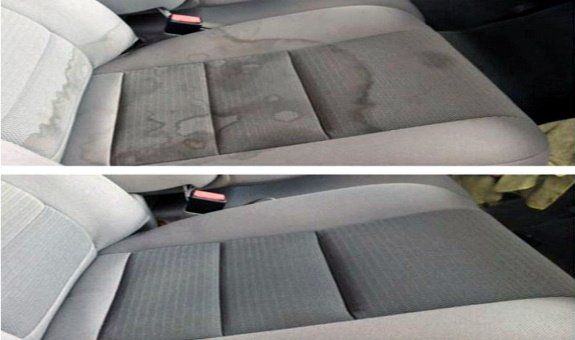
Does how to get stains out of car fabric depend on the stain?
Yes. The best answer to “does how to get stains out of car fabric” depends on what caused the mark. Coffee, grease, ink, mud, milk, and vomit each react in different ways.
A water-based stain often responds well to blotting and mild soap. An oil-based stain may need a gentle degreaser. Protein stains, such as milk or blood, need cool water because heat can set them into the fabric.
Before cleaning, check your vehicle manual or the upholstery label. Most cloth seats can handle mild water-based cleaning, but some fabrics have coatings that can fade or become stiff when soaked.
Common car fabric stains
• Coffee and soda: These leave dark rings and sticky sugar behind.
• Grease and oil: These create shiny patches and attract more dirt.
• Mud: Dried mud can often be removed without liquid at first.
• Milk and food: These may leave a sour smell as bacteria break them down.
• Ink: Ink can spread quickly when rubbed.
• Makeup: Foundation and lipstick often contain oils and waxes.
• Pet stains: These may need odor treatment as well as surface cleaning.
• Blood: Cold water is safer than warm water for protein-based stains.
Knowing the stain type helps you choose the least harsh method. Think of the fabric like skin: start with the gentlest treatment and increase strength only when needed.
What should you do before cleaning car upholstery?
The first step in learning does how to get stains out of car fabric is preparation. A rushed cleaning job can push dirt deeper into the seat or spread a small stain across a larger area.
Park the car in a shaded, well-ventilated place. Direct sun can dry cleaner too fast and create uneven marks. Open the doors or windows so the fabric can dry fully after cleaning.
Gather these supplies:
• A vacuum with a soft brush attachment
• White microfiber cloths
• A soft-bristle brush
• A small bowl
• Mild liquid dish soap or upholstery cleaner
• Distilled water, if available
• A spray bottle
• Baking soda for odor control
• A dry towel
• Cotton swabs for small spots
Avoid colored towels. Their dye can transfer to light upholstery. Also avoid stiff brushes, chlorine bleach, strong solvents, and large amounts of water.
Test the cleaner first
Test any cleaner on a hidden area, such as the lower side of the seat. Apply a small amount, wait several minutes, and blot it dry. Check for color loss, texture changes, or a water ring.
This small test can prevent a costly mistake. Some dark fabrics hide damage until they dry, so do not skip this step.

How to get stains out of car fabric step by step
For most fresh stains, does how to get stains out of car fabric begin with one simple rule: blot, do not rub. Rubbing can spread the stain and push it below the surface.
Follow these steps:
- Remove loose material
Pick up food, dirt, or dried mud with a spoon or vacuum. Do not press crumbs into the fibers.
- Blot fresh liquid
Use a dry white cloth. Press down gently and lift the cloth. Repeat with a clean part of the cloth until little moisture transfers.
- Mix a mild cleaning solution
Add about one teaspoon of mild dish soap to two cups of warm water. The solution should be lightly soapy, not thick with foam.
- Apply a small amount
Dip a microfiber cloth into the mixture and wring it out well. The cloth should be damp, not dripping. Apply the solution to the cloth rather than flooding the seat.
- Work from the outside inward
Start at the outer edge of the stain and move toward the center. This helps prevent a dark ring from forming around the spot.
- Brush gently if needed
Use a soft brush with short, light strokes. Stop if the fabric begins to fuzz or change texture.
- Remove soap residue
Use a second cloth dampened with clean water. Blot the area until you remove as much soap as possible.
- Dry the fabric
Press a dry towel over the spot. Leave the doors or windows open until the upholstery is completely dry.
- Vacuum the dry area
Once dry, vacuum the fabric again. This lifts the fibers and removes loosened residue.
A common detailing mistake is using too much cleaner. More product does not mean better results. Soap left inside the seat can attract dirt and create a stiff, sticky patch.

How to remove specific stains from car fabric
The search phrase does how to get stains out of car fabric often covers several different problems. Use the method below that matches your stain.
Coffee and tea stains
Blot the spill as soon as possible. Then use a small amount of mild soap solution and blot from the edge toward the center.
Coffee with cream or milk is more difficult because it contains fat and protein. Clean the visible mark, rinse away soap residue, and treat the odor after the seat dries.
Soda and juice stains
Soda and juice leave sugar behind. Even when the color fades, the sticky residue can attract dirt.
Blot the liquid first. Follow with mild soap and clean water. Use a damp cloth to remove residue, since leftover sugar can make the seat feel tacky.
Grease and oil stains
Remove solid grease with the edge of a spoon. Do not smear it across the fabric.
Sprinkle a small amount of baking soda or cornstarch over the oily area. Let it sit for 15 to 30 minutes, then vacuum it up. After that, use a mild upholstery cleaner made for fabric. Test the product first, because some cleaners can leave a pale ring.
Mud stains
Let wet mud dry when possible. Trying to wipe wet mud can spread it through the weave.
Once dry, vacuum the area well. If a mark remains, use a damp cloth with mild soap. Blot rather than scrub.
Ink stains
Ink needs care because it can spread fast. Do not use hairspray, paint thinner, or nail polish remover unless the vehicle maker specifically approves it.
Blot around the outer edge with a clean cloth. For a small mark, use a fabric-safe stain remover after testing it in a hidden spot. If the ink spreads or covers a large area, a professional detailer is safer.
Milk and food stains
Remove solid food first. Blot liquid and clean the area with a mild soap solution.
Milk can smell worse after it dries because it may soak into the foam beneath the fabric. If odor remains after cleaning and drying, the spill may have reached the seat padding. In that case, surface cleaning alone may not solve the problem.
Blood stains
Use cold water, not hot water. Heat can cause blood proteins to bond more firmly with fabric fibers.
Blot with a cold, damp cloth. A small amount of mild soap may help. Wear disposable gloves when cleaning blood or other bodily fluids, and disinfect tools after use.
Pet stains and vomit
Remove solid material with paper towels or a scraper. Blot the moisture, then clean the area with a fabric-safe enzyme cleaner.
Enzyme cleaners can help break down organic residue and reduce odor. Follow the label, avoid soaking the seat, and allow the area to dry fully.
Makeup stains
Lift excess makeup with a spoon or dry cloth. Avoid rubbing, since foundation and lipstick may contain oils.
Use a small amount of fabric-safe cleaner. Blot several times, then rinse the spot lightly with a clean damp cloth.

How to remove old stains from car upholstery
Old stains are harder because the residue has dried into the fibers or foam. Still, does how to get stains out of car fabric can work on many older marks if you use patience instead of force.
First, vacuum the seat. Then place a damp, warm cloth over the mark for a few minutes. This softens dried residue without soaking the whole cushion.
Apply a small amount of upholstery cleaner and let it sit for the time listed on the product. Gently agitate the fabric, blot the area, and remove residue with a clean damp cloth.
You may need two or three light treatments. Allow the fabric to dry between attempts so you can judge the real result. Repeated heavy scrubbing can damage fibers more than the stain itself.
Some stains will not fully disappear. Bleach damage, dye transfer, permanent ink, rust, and deeply set oil may have changed the fabric. In such cases, cleaning may improve the appearance but cannot restore the original color.

How to clean car fabric without leaving water rings
Water rings form when moisture carries dirt to the edge of a damp area. They are common on cloth seats and door panels.
To reduce this risk, clean a slightly wider section around the stain instead of treating one tiny spot. Keep the fabric evenly damp, not wet. Use a dry towel to pull moisture out after cleaning.
These tips also help:
• Use distilled water when hard tap water leaves mineral marks.
• Do not pour cleaner directly onto the seat.
• Avoid cleaning only the center of a large visible panel.
• Dry the upholstery quickly with airflow.
• Do not sit on the seat until it is fully dry.
If a ring appears, lightly dampen the surrounding area with clean water and blot it evenly. This can help blend the edge. Do not repeat this many times, because excess moisture may reach the foam.
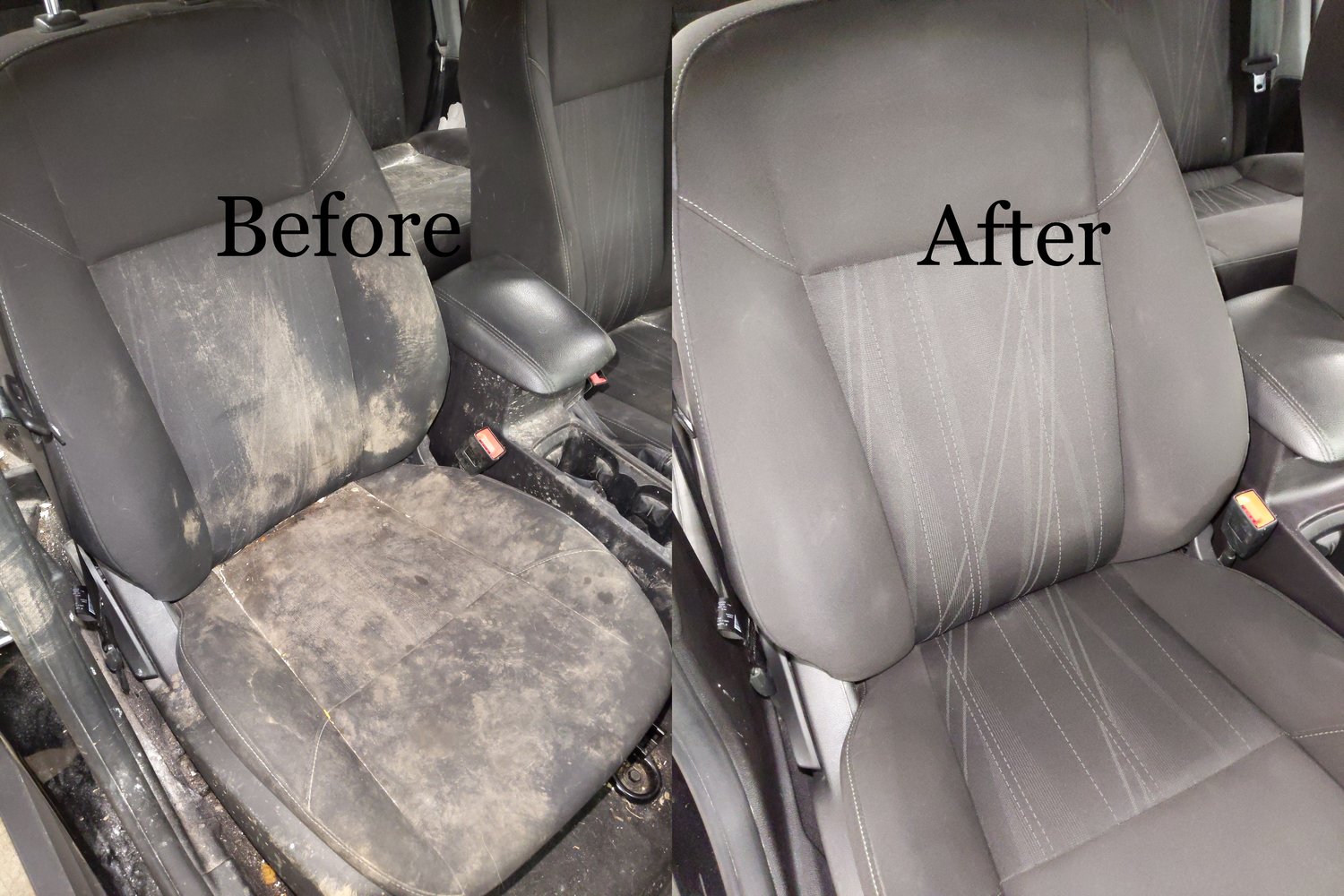
How to remove bad smells from car fabric
A stain can disappear while its smell remains. This often happens when milk, food, sweat, or pet waste reaches the foam below the cloth.
Start by cleaning the visible residue. Then apply a fabric-safe enzyme cleaner if the odor comes from an organic spill. Let it work as directed, but never saturate the cushion.
For light odors, sprinkle baking soda over dry fabric. Leave it for several hours, then vacuum thoroughly. Baking soda may absorb some surface odor, but it cannot fix contamination deep inside the foam.
Avoid covering smells with air freshener. That only mixes two odors and may irritate passengers. If a strong smell returns after several cleanings, professional extraction may be needed.

What mistakes should you avoid when cleaning car seats?
Many poor results come from using the wrong method, not from the stain itself. When people ask does how to get stains out of car fabric, these mistakes are often the reason a simple mark became worse.
• Do not scrub hard. Friction can spread the stain and damage the weave.
• Do not soak the seat. Water can reach foam, wiring, sensors, and seat tracks.
• Do not use bleach. It can remove color and weaken fabric.
• Do not mix cleaners. Some combinations create harmful fumes.
• Do not use a steam cleaner without checking the upholstery instructions.
• Do not use a hair dryer on high heat. It may set stains or damage synthetic fibers.
• Do not close the car while the seats are damp. Trapped moisture encourages mildew and odor.
• Do not ignore the seat belt. Cleaners can weaken belt fibers or affect the retraction system.
In my experience with car-care problems, the most avoidable error is rushing the drying stage. A seat may feel dry on top while the foam beneath remains wet. Good airflow and patience matter as much as the cleaner.
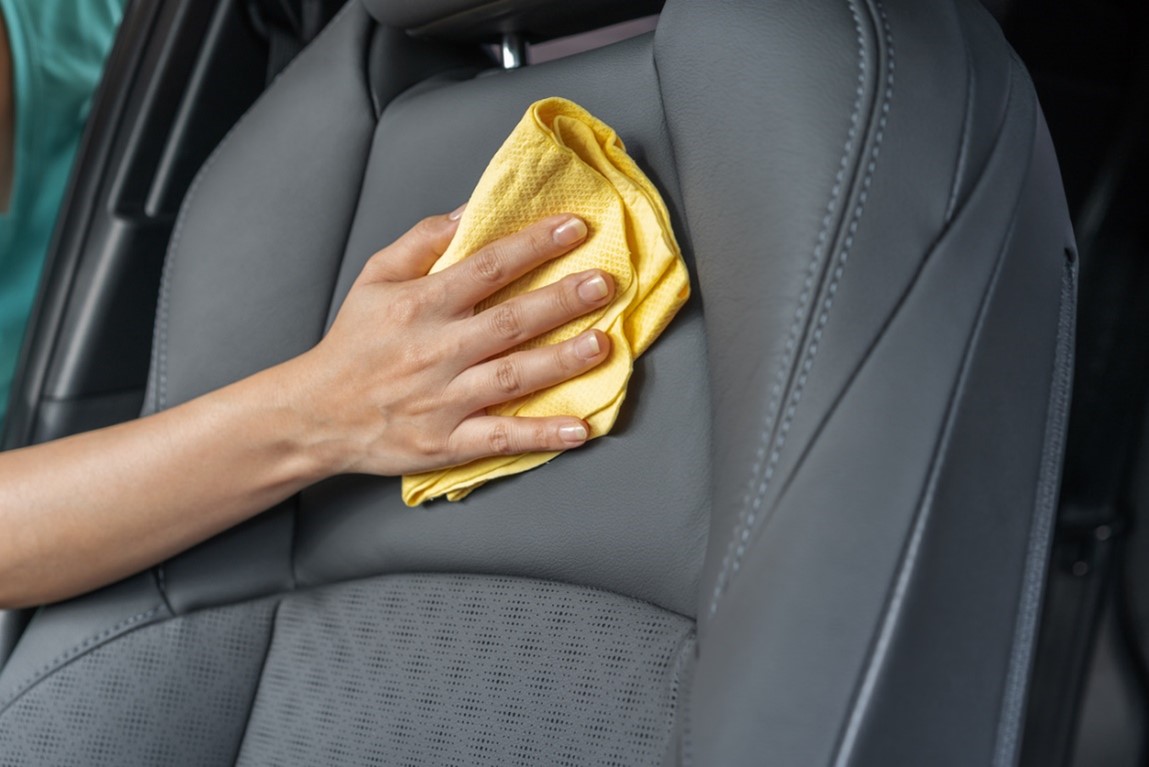
When should you hire a professional car detailer?
Home cleaning is suitable for small, fresh stains. Professional help makes more sense when the stain is large, old, oily, or deeply embedded.
Consider professional upholstery cleaning when:
• The stain reaches the seat foam.
• The car has a strong sour, urine, or mildew smell.
• The fabric has widespread discoloration.
• Ink, dye, or permanent marker has spread.
• You have already used several products.
• The vehicle has heated seats, seat sensors, or complex electrical systems.
A professional may use hot-water extraction or specialized fabric treatment. These methods can remove more soil, but they also use more moisture. Ask how the technician will protect electronics and how the seat will be dried.
A reputable detailer should inspect the fabric first and explain what result is realistic. No honest cleaner can promise that every old stain will vanish.
How can you prevent future car fabric stains?
Prevention makes does how to get stains out of car fabric much easier later. A few small habits can protect the seats and reduce cleaning time.
• Use a cup with a secure lid.
• Keep wipes and a clean cloth in the glove box.
• Do not leave groceries or open food on the seats.
• Use a washable pet cover.
• Vacuum seats and floor mats each month.
• Clean spills as soon as they happen.
• Keep muddy shoes off the seat.
• Apply only a fabric protector approved for automotive upholstery.
Fabric protectors may help liquids bead on the surface, but they are not stain-proof. They also need proper use and reapplication. Always follow the product label and test a hidden area.
A small emergency kit is useful. Keep microfiber towels, paper towels, a soft brush, and a travel-size fabric cleaner in the trunk.
How does fabric type affect stain removal?
Automotive seat fabric may contain polyester, nylon, acrylic, cotton blends, or special coatings. Synthetic fabrics are common because they resist wear, but they can still discolor or hold oily residue.
Light-colored fabric shows stains quickly. Dark fabric may hide dirt but can show water rings and faded patches. Textured fabric can trap crumbs and dust deep between the fibers.
Perforated or heated seats require extra care. Liquid can enter holes and reach internal components. Use very little moisture and avoid aggressive extraction unless the vehicle maker or a trained professional approves it.
If the fabric label gives a cleaning code, follow it. A “W” usually indicates water-based cleaning, while an “S” may indicate solvent-based care. Some materials show a combination code. When no label exists, use a mild method and test first.
Frequently Asked Questions
Does how to get stains out of car fabric work on every stain?
No method works on every stain. Fresh water-based marks are usually easier to remove, while permanent dye, bleach damage, and old oil stains may only improve.
What is the safest cleaner for cloth car seats?
A mild soap solution or automotive fabric cleaner is usually a safe starting point. Test it on a hidden area, use a small amount, and remove the residue with a clean damp cloth.
Can I use baking soda on car upholstery?
Yes, baking soda can help absorb light surface odors when the fabric is dry. Vacuum it completely afterward, and do not treat it as a substitute for cleaning deep spills.
Does vinegar remove stains from car fabric?
Diluted vinegar may reduce some odors, but it is not ideal for every automotive fabric. Its smell can linger, and it may not remove grease or deeply set stains, so test it carefully before use.
Can I use a steam cleaner on cloth car seats?
Only if the upholstery and vehicle maker allow it. Excess heat and moisture can damage coatings, affect adhesives, or reach seat electronics.
How long does car upholstery take to dry?
Lightly damp fabric may dry in a few hours with good airflow. Thick cushions can take longer, so check the seams and padding before closing the car or using the seat.
Why does a stain come back after cleaning?
A returning stain may mean residue remains in the foam or that moisture pulled hidden soil back to the surface. A deeper extraction or professional cleaning may be necessary.
Conclusion
The best answer to does how to get stains out of car fabric is to act quickly, identify the stain, and use the mildest method that can work. Blot fresh spills, avoid soaking the seat, test every cleaner, and give the upholstery enough time to dry.
For old, oily, or deep stains, patience is more useful than aggressive scrubbing. Start with the steps in this guide, and consider a professional detailer when odor or discoloration reaches the foam. Share this guide with another car owner, and explore more car-care resources to keep your interior clean and comfortable.
