

Introduction
If you drive without required car insurance in the United States, you may face a ticket, fines, license or registration suspension, vehicle impoundment, and higher insurance costs. If you cause a crash, you may also have to pay for injuries and property damage yourself.
Rules differ by state. Most states require drivers to show financial responsibility, usually through auto liability insurance. A few states allow other options, such as a cash deposit or bond. Some states also have narrow exceptions for certain drivers or vehicles.
The safest step is simple: do not drive until you confirm that you have active coverage that meets your state’s minimum limits. Check your policy, contact your insurer, and use your state motor vehicle agency for exact rules.


What does “not having car insurance” mean?
Not having car insurance can mean several different things:
- You never bought an auto insurance policy.
- Your policy expired because you did not pay the premium.
- You canceled the policy before getting replacement coverage.
- You have insurance, but its limits are below your state’s legal minimum.
- You have a policy, but it does not cover the car or driver involved.
- You have coverage but cannot show proof during a traffic stop.
- You are driving a borrowed, rented, or employer-owned vehicle without confirmed coverage.
These situations do not always lead to the same result. A driver who cannot show proof may only need to provide evidence later. A driver with no active coverage may receive a citation and lose driving privileges.
Liability insurance versus full coverage
Liability insurance pays for certain injuries or property damage you cause to other people. It does not usually pay to repair your own car after a crash you caused.
“Full coverage” is not a legal policy term. People often use it to describe a policy with:
- Liability coverage
- Collision coverage
- Comprehensive coverage
- Uninsured or underinsured motorist coverage, where available
Collision coverage may help repair your car after a covered crash. Comprehensive coverage may cover events such as theft, hail, falling objects, or animal strikes. These coverages still have limits, exclusions, and deductibles.
Insurance card versus active coverage
Proof of insurance is not the same as insurance itself. An insurance card only shows that a policy was reported as active for a stated period. If the policy was canceled or suspended, the card may not protect you.
Many states allow electronic proof of insurance. Acceptance rules vary, so keep a current paper or digital copy available.

What happens if you are caught driving without insurance?
The exact penalty depends on your state, driving history, and whether you caused a crash. A first offense may be handled differently from repeated offenses.
Common consequences include:
| Possible consequence | What it can mean |
|---|---|
| Traffic ticket | You may receive a citation and court date. |
| Fine | The amount can rise for repeat offenses. |
| License suspension | You may lose the legal right to drive for a set period. |
| Registration suspension | The state may suspend the vehicle’s registration or plates. |
| Vehicle impoundment | Police may tow or hold the vehicle. |
| reinstatement fees | You may need to pay fees before driving again. |
| Proof of future insurance | The state may require an SR-22 or similar filing. |
| Higher premiums | Insurers may treat the lapse as a high-risk event. |
| Criminal charge | Some states treat repeat or serious violations more severely. |
The law may also require an uninsured vehicle to stay off public roads. In some cases, a car can be registered only after the owner provides proof of coverage.


A lapse can cause trouble even if you were not stopped
Some states receive electronic notices from insurers when a policy ends. A state motor vehicle agency may then ask you to prove that you replaced the policy or stored the vehicle legally.
Do not assume that an unused car is automatically exempt. A vehicle parked on private property may not need insurance in some situations, but registration, financing, leasing, and state rules can change the answer.
New Hampshire and other state differences
New Hampshire is often misunderstood. It does not follow the same compulsory auto insurance system used by most states, but drivers may still be financially responsible for damage they cause. After certain crashes or violations, the state may require proof of financial responsibility.
This does not mean driving uninsured is risk-free. Other states also have special rules for deposits, self-insurance, antique vehicles, military members, and vehicles that are not operated on public roads.
Use your state’s official motor vehicle or insurance department website for the rule that applies to you. The National Association of Insurance Commissioners provides a directory of state insurance departments at content.naic.org/state-insurance-departments.
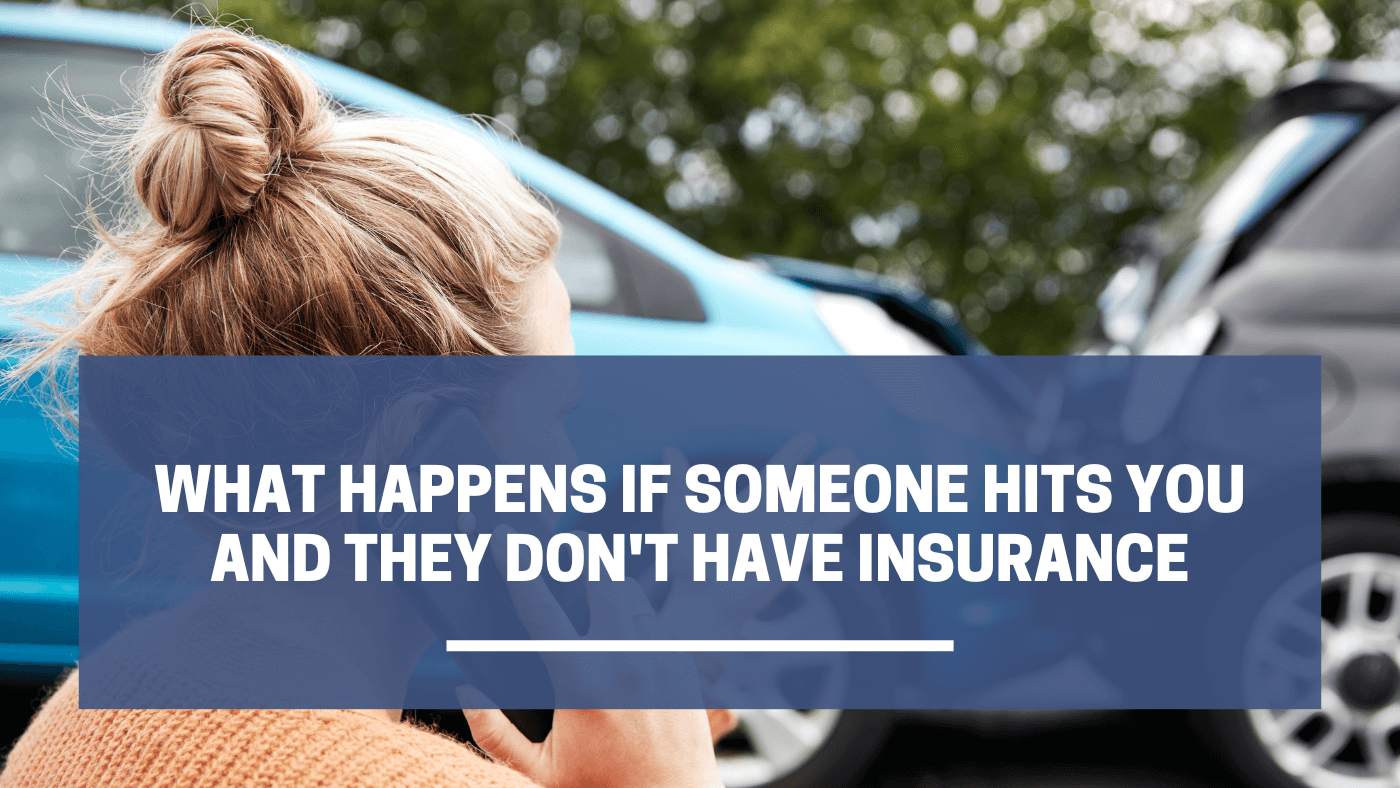
What happens if you cause a crash without insurance?
If you cause a crash while uninsured, the financial risk can be much larger than a ticket. You may be personally responsible for the other driver’s repair costs, medical bills, lost income, and other legally recoverable losses.
The amount can be far higher than the value of your car. A minor crash may involve a few thousand dollars in damage. A serious injury can lead to medical costs, long-term care, lost wages, and a lawsuit.
You may have to pay the other driver directly
If you are legally at fault and have no liability insurer, the injured person may:
- File a claim against you.
- Send the claim to their own insurer, if their policy applies.
- File a lawsuit.
- Seek collection of a judgment under state law.
A court judgment may affect your bank account, wages, property, or other assets. Collection rules differ by state, and some income or property may be protected. Do not assume that having little money makes the claim disappear.
“No-pay, no-play” laws can limit some claims
A few states have laws that restrict certain claims by uninsured drivers. These laws are often called no-pay, no-play rules. The limits vary and may apply only to specific damages, such as noneconomic losses.
They do not usually erase responsibility for damage you caused. You may still owe compensation for the other person’s vehicle damage or medical costs.
What if the other driver caused the crash?
If another driver caused the collision, you may still have a claim against that driver. However, being uninsured can create separate penalties and may affect certain parts of your recovery under state law.
Your own uninsured motorist coverage cannot help if you did not buy it. Collision coverage may repair your vehicle after a covered loss, subject to the deductible and policy terms. Speak with an attorney or your state insurance department if the crash involved serious injury or disputed fault.
Do not agree to pay at the scene
After a crash:


- Stop and stay at the scene.
- Call 911 when anyone may be hurt or the law requires a report.
- Exchange contact and vehicle information.
- Take safe photos of the scene and damage.
- Do not lie about your insurance status.
- Do not sign a payment agreement without legal advice.
- Notify any insurer that may apply, such as a household or employer policy.
If anyone is injured, you receive legal papers, or fault is disputed, contact a licensed attorney promptly.
Will insurance cover an accident if your policy lapsed?
Usually, an insurer looks at whether the policy was active at the exact time of the crash. If your policy ended before the accident, the insurer may deny the claim because no coverage existed then.
A late payment does not always mean immediate cancellation. Some policies provide a grace period, but the length and effect depend on the policy and state law. A payment may also be accepted conditionally while the insurer reviews the account.
Call the insurer and ask for written confirmation of:
- The policy’s cancellation date
- Whether coverage was active at the time of the event
- Whether a reinstatement occurred
- Any gap between cancellation and reinstatement
- The claim reporting process
Do not assume that buying a new policy after a crash covers an earlier loss. Insurance generally does not cover an event that happened before the policy began.
What if you had insurance but forgot your proof?
This is different from having no insurance. If your policy was active, you may be able to show proof later and have the charge reduced or dismissed. The result depends on the state, court, and reason for the stop.
Gather:
- Your insurance card
- The policy number
- The insurer’s contact details
- The effective and expiration dates
- Any notice showing the policy was active on the stop date
Never edit an insurance card or present an old card as current proof.
What if someone else was driving your car?
The answer may depend on:
- Who owned the car
- Whether the driver had permission
- The policy’s named drivers and exclusions
- Where the car was registered
- Whether the driver lived in your household
- Whether the driver had separate insurance
In many situations, insurance follows the vehicle first, but this is not universal. Excluded drivers, commercial use, rental cars, and household members can change the result. Read the policy and ask the insurer before allowing someone else to drive.

What should you do if your car insurance lapsed?
Do not drive the car until you confirm that coverage is active. A short lapse can still create legal and financial problems.
Follow these steps
Check the policy status.
Review your insurer’s app, website, email, or billing notice. Confirm the exact cancellation date.Call the insurer.
Ask whether the policy can be reinstated without a gap. Get the answer in writing.Do not backdate coverage.
Give accurate information about when the vehicle was uninsured. Backdating or hiding a lapse can create a fraud problem and may void coverage.Compare replacement coverage.
Make sure the new policy meets your state’s minimum liability limits. If the car is financed or leased, check the lender’s higher coverage requirements.Ask about state filings.
Your state may require an SR-22, FR-44, bond, deposit, or other proof of financial responsibility after a lapse or violation.Update the motor vehicle agency.
Follow instructions about registration, plates, insurance notices, or reinstatement.Keep proof in the car.
Save the current card on your phone and keep a paper copy if your state permits or recommends it.


If you cannot afford the premium
Ask the insurer about payment plans, removing optional coverage, changing deductibles, or adding eligible discounts. Do not reduce liability limits below the legal minimum without checking state rules.
If you will not drive the car for an extended period, ask the DMV and lender about lawful storage options. Canceling insurance while leaving the car registered or financed can still cause problems.
Never use a fake insurance card or buy a policy based only on a very low quote. Confirm the insurer is licensed in your state through your state insurance department.

How much insurance do you need?
Every state sets its own minimum financial responsibility rules. Minimum coverage is the least you may legally carry, not a guarantee that it will protect your assets.
For example, a state may require limits written as 25/50/25:
- $25,000 for bodily injury to one person
- $50,000 for bodily injury in one crash
- $25,000 for property damage in one crash
This example is only for explanation. Your state’s actual limits may differ.
Minimum limits may not be enough
Suppose you cause a crash with:
- $40,000 in medical bills
- $15,000 in lost income
- $30,000 in vehicle damage
If your liability limits cover only $25,000 for one injured person and $25,000 for property damage, you could face a gap. The injured person or vehicle owner may seek the unpaid amount from you.
Higher limits often provide more protection. Umbrella insurance may add liability coverage, but it usually requires minimum underlying limits and may exclude some risks.
Coverage to consider
Depending on your situation, ask about:
- Bodily injury liability
- Property damage liability
- Collision coverage
- Comprehensive coverage
- Uninsured motorist coverage
- Underinsured motorist coverage
- Medical payments coverage
- Personal injury protection, in states that use no-fault rules
- Rental reimbursement
- Roadside assistance
Your choice should reflect your state, assets, vehicle value, medical coverage, driving habits, and tolerance for risk. A licensed insurance professional can explain policy terms, but read the contract before buying.

Common mistakes to avoid
Driving “just a short distance”
A short trip still places you on a public road. Distance does not remove the insurance requirement or protect you from a crash.


Assuming a parked car needs no insurance
A stored vehicle may qualify for a different arrangement in some states. But an active registration, loan, lease, or homeowners association rule may still require coverage.
Buying insurance after the crash
A new policy normally covers future events, not a loss that already happened. Be truthful about the start date and the accident date.
Believing the other driver’s insurance solves everything
The other driver’s policy may apply when that driver caused the crash. It does not erase your own uninsured-driving violation, and disputes over fault can delay payment.
Letting someone else drive an uninsured car
The driver may face a citation, but the owner may also face penalties. The vehicle’s registration and insurance status can matter even when the owner is not behind the wheel.
Ignoring letters from the DMV or court
Missing a deadline can lead to registration suspension, a default judgment, added fees, or a warrant in some cases. Read the notice and respond by the stated date.
Frequently asked questions
Can I drive without car insurance if I have never been stopped?
You may avoid an immediate ticket, but driving uninsured remains risky and may violate state law. A crash, registration check, or electronic insurance notice can expose the lapse.
Can my license be suspended for no insurance?
Yes. Many states can suspend a driver’s license, vehicle registration, or both. Reinstatement may require proof of insurance, fees, and an SR-22 or similar filing.
Is driving without insurance a felony?
Usually, a first offense is treated as a traffic or misdemeanor violation, but state law varies. Repeat offenses, fraud, driving on a suspended license, or a serious crash can lead to more severe charges.
Can I go to jail for driving without insurance?
Jail is not the usual result for a simple first offense, but it can be possible in some states or when other violations are involved. Check the citation and seek legal advice if a court appearance is required.
Can I buy car insurance with a lapse in coverage?
Yes. Insurers commonly ask about prior coverage and may charge more after a lapse. Give accurate dates and ask whether the insurer must file an SR-22 or other form.
Conclusion
Driving without car insurance in the USA can lead to fines, suspended driving privileges, impoundment, higher premiums, and personal responsibility for crash costs. The consequences depend on your state, the length of the lapse, your driving record, and whether anyone was injured.
If your coverage ended, stop driving, contact the insurer, confirm the legal requirements with your state motor vehicle agency, and obtain active coverage before using the car. If a crash already happened, preserve records and seek legal help before signing an agreement or ignoring a claim.
Official resources
- National Association of Insurance Commissioners: State Insurance Departments
- Insurance Information Institute: Auto Insurance
- Your state’s official motor vehicle agency and insurance department websites