

Yes, you can store a car in some storage units in the United States—but not in every unit or at every facility. Many self-storage companies allow vehicle storage in enclosed units, outdoor spaces, or covered parking areas. The rules depend on the facility’s lease, local fire code, insurance requirements, and the type of vehicle.
Before you move your car in, confirm four things:
- The facility allows vehicle storage.
- The unit or parking space is large enough.
- Your insurance and registration meet the lease terms.
- The car will not create a fire, leak, pest, or access problem.
A car can sit safely in storage for weeks, months, or longer when it is prepared well. A poorly prepared car may return with a dead battery, flat tires, mold, rust, or engine trouble.

What types of vehicle storage are available?
Storage facilities usually offer one of three options: an enclosed storage unit, an outdoor parking space, or covered vehicle storage. Each option has a different level of protection, cost, and access.
Enclosed storage units
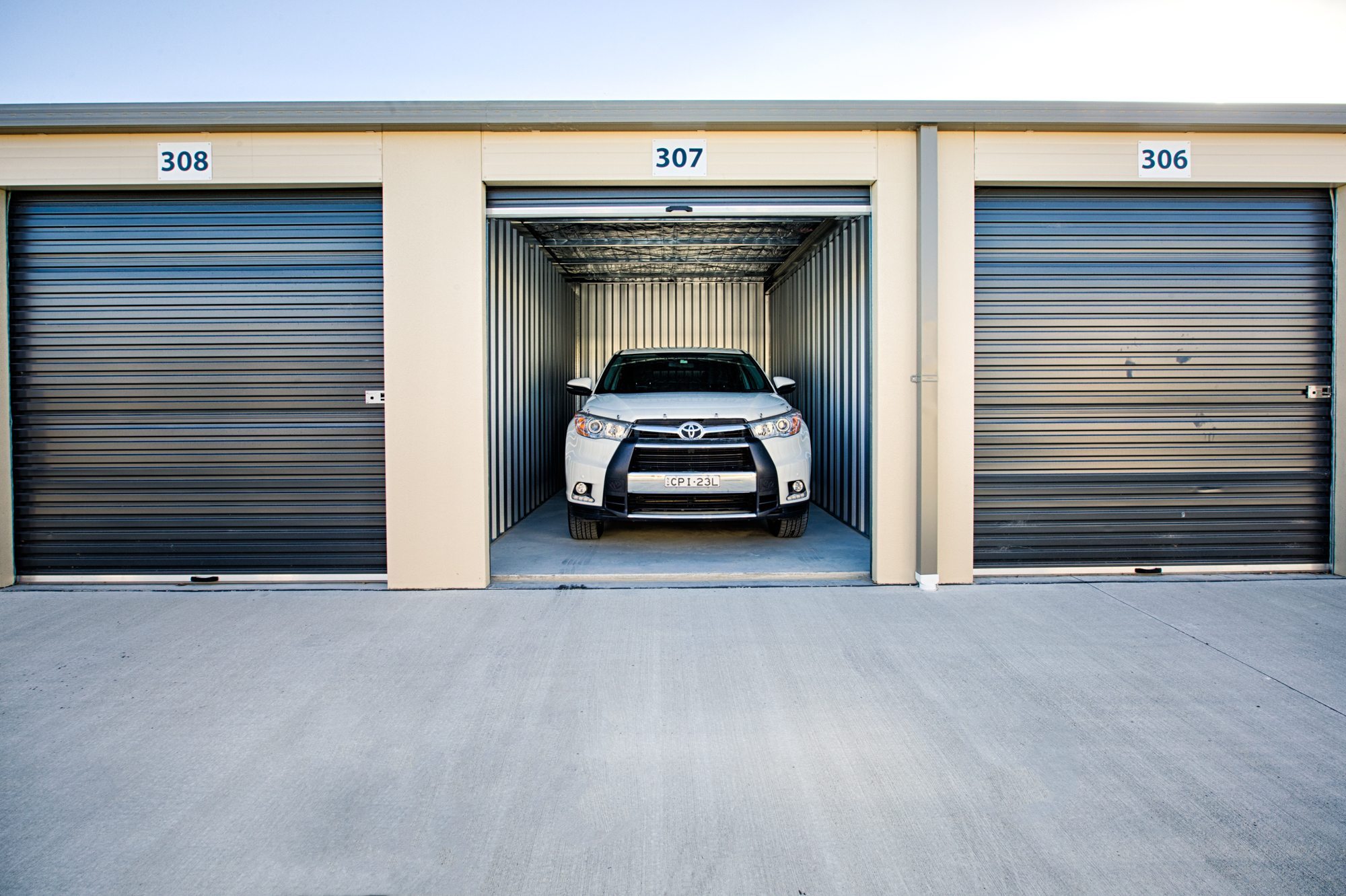
An enclosed unit protects the car from sun, rain, snow, and some airborne dirt. It also gives more privacy than an outdoor space.
However, a standard storage unit may not be designed for a vehicle. Check the following before signing a lease:
- Door width and height
- Interior length and width
- Floor condition
- Ventilation
- Lighting
- Vehicle access
- Rules about fuel and battery storage
- Whether the facility allows a running engine inside the unit
Do not assume that a large unit is automatically approved for car storage. The manager must confirm that the unit is suitable and legal for that use.
Outdoor vehicle spaces
Outdoor spaces are often the simplest choice for a truck, SUV, boat, or larger vehicle. They may cost less than an enclosed unit, but they offer less protection.
An outdoor space may expose the car to:
- Ultraviolet light
- Rain and snow
- Wind-blown dirt
- Tree sap and bird droppings
- Temperature changes
- Theft or accidental damage
A weatherproof cover can help, but it should fit the vehicle well and allow moisture to escape. A loose tarp can rub against the paint and trap water.
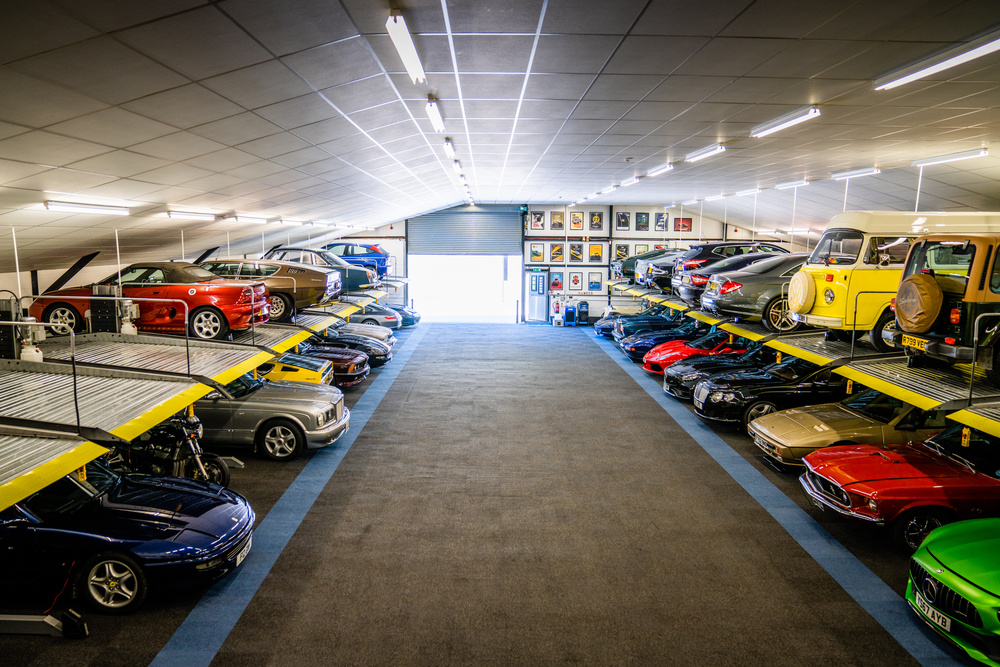
Covered parking
Covered storage sits between indoor and outdoor storage. A roof can reduce sun and precipitation damage, but the sides may remain open.
Covered parking may work well for a seasonal car, classic car, or recreational vehicle when a fully enclosed unit is unavailable. Ask whether the space has a gate, cameras, lighting, and enough room to open the car doors without striking nearby vehicles.
How do you know whether a storage unit will fit your car?
Measure the car and the storage space before renting. Use the vehicle’s full length, width, and height—not only the measurements listed in the owner’s manual.
Measure these parts of the car:
- Bumpers and hitch
- Side mirrors
- Roof rack
- Antenna
- Spoiler
- Lifted suspension
- Truck bed accessories
- Any cover or protective padding
Also measure the storage unit’s actual interior size. A unit advertised as 10 feet by 20 feet may have less usable space because of walls, door tracks, support posts, or a sloped floor.
Common size examples
the following examples are general planning guides, not guarantees. Vehicle dimensions vary by model and equipment.
| Vehicle type | Typical storage concern | Common planning choice |
|---|---|---|
| Small sedan | Length and door clearance | A unit around 10 × 20 feet may work |
| Midsize SUV | Extra width and height | A 10 × 20-foot unit may be tight |
| Full-size truck | Length, mirrors, and height | A larger unit or vehicle space may be better |
| Classic or project car | Room to work around the car | Choose a wider unit if permitted |
| Motorcycle | Smaller footprint | A small unit may work, subject to facility rules |
A 10 × 20-foot unit has about 200 square feet of floor area. That does not mean all 200 square feet is usable. You need space to drive in, open the door, and walk around the vehicle.
A useful rule is to allow extra clearance on every side. If the car barely fits, loading it may be difficult and removing it later may cause damage. Never rely only on a facility employee’s estimate; verify the measurements yourself.
Check the door, not just the unit
The unit door can be the limiting factor. A car may fit inside the room but fail to pass through the opening.
Ask for:
- Door width
- Door height
- Ramp angle
- Driveway width
- Turning space
- Interior clearance
- Whether the entrance has a raised threshold
Take special care with low sports cars. A steep ramp or raised door track can scrape the front bumper or undercarriage.
What should you ask the storage facility before renting?
Get permission in writing before storing the vehicle. A verbal answer may not protect you if the lease says something different.
Ask these questions:
- Does this facility allow cars in enclosed units?
- Does the lease permit a non-running or project vehicle?
- Are outdoor or covered vehicle spaces available?
- Must the vehicle be registered and operable?
- Must the car have current license plates?
- Is proof of insurance required?
- Are there limits on fuel in the tank?
- Can I disconnect the battery?
- Can I use a battery maintainer?
- Can I work on the car inside the unit?
- Are oil changes, repairs, or fluid draining prohibited?
- Is the space accessible 24 hours a day?
- What security measures protect the area?
- Does the facility require a lock supplied by the customer?
Storage leases often restrict hazardous materials, flammable liquids, mechanical work, and activities that could damage the property. Those rules can apply even when the facility accepts vehicle storage.
The U.S. Environmental Protection Agency treats used oil and automotive fluids as materials that require responsible handling. Do not drain oil, coolant, fuel, brake fluid, or other liquids into a storage unit or onto the property. Use a qualified service shop or a local household hazardous-waste program where available.

How should you prepare a car for storage?
Prepare the car based on the storage period. A vehicle stored for two weeks needs less work than one stored for six months.
1. Clean and dry the vehicle
Wash the exterior and remove road salt, dirt, and bird droppings. Clean the wheels and underside if possible.
Dry the car fully before covering it. Dirt can damage the paint under a cover, while trapped moisture can lead to corrosion or mildew.
Clean the interior as well:
- Remove food and drinks.
- Empty the glove box and trunk.
- Take out wet floor mats.
- Vacuum crumbs and debris.
- Check for signs of pests.
Do not leave valuables in the car. A storage facility’s insurance may not cover personal items inside a vehicle.
2. Change the oil for longer storage
For storage lasting several months, consider changing the engine oil and filter before parking the car. Used oil may contain combustion byproducts and contaminants.
Follow the vehicle manufacturer’s storage guidance. If the owner’s manual does not address long-term storage, ask a qualified mechanic. Do not add products to the fuel or oil unless the vehicle maker or a qualified professional recommends them.
3. Fill the fuel tank carefully
A nearly full fuel tank can reduce the amount of moist air inside the tank during temperature changes. But fuel rules vary by facility and local code.
Before filling the tank, ask the storage manager what the lease allows. Do not store spare gasoline cans, propane cylinders, or other fuel containers in the unit unless the facility and applicable rules clearly allow them.
If the car has a fuel leak, do not place it in storage. Have the leak repaired first.
4. Protect the battery
A car battery can lose charge while the vehicle sits. Modern cars also draw a small amount of power when parked.
Ask whether the facility allows:
- Battery removal
- Battery disconnection
- A battery maintainer
- Access to an electrical outlet
If you use a battery maintainer, use one made for the vehicle and follow its instructions. Do not run an extension cord through a doorway or use an unapproved electrical setup. Some facilities do not provide power inside units.
If you disconnect the battery, the car may lose clock settings, radio presets, or learned system data. Some vehicles may need a reset after reconnection.
5. Inflate the tires
Inflate the tires to the pressure listed on the vehicle’s door-jamb label or owner’s manual. Do not use the maximum pressure molded into the tire sidewall as the normal target unless the manufacturer says to do so.
For long storage, inspect the tires from time to time if the facility allows access. A car that sits in one position for a long period may develop flat spots. The risk depends on the tires, temperature, vehicle weight, and storage period.
Do not place the car on jacks unless a qualified mechanic advises it and the storage facility permits it. Improperly supported vehicles can fall and cause serious injury.
6. Use a breathable cover
Choose a cover made for indoor or outdoor use, based on where the car will sit. A breathable cover helps reduce dust while allowing some moisture to escape.
Avoid plastic sheeting placed directly over the car. It can trap condensation and rub against the paint.
If rodents are common in the area, ask the facility about pest control. Do not place loose poison inside the car where children, pets, or workers could contact it.
7. Record the car’s condition
Take dated photos of:
- All four sides
- Wheels and tires
- Windshield
- Interior
- Odometer
- Existing dents and scratches
- License plate and vehicle identification number
Keep copies of the lease, insurance documents, maintenance records, and photos. This record can help if a dispute occurs.

How often should you check a stored car?
Check the car at the frequency required by the lease and allowed by the facility. Monthly checks are a practical starting point for many long-term storage situations, but the right schedule depends on weather, security, battery condition, and the vehicle’s value.
During each visit, look for:
- Water inside the unit
- Roof or wall leaks
- Tire pressure loss
- Battery corrosion
- Rodent activity
- Fluid spots under the car
- Mold or musty odors
- Pest damage
- Tampering or forced entry
Do not start the engine inside an enclosed storage unit. Vehicle exhaust contains carbon monoxide, an odorless gas that can quickly become dangerous. If the car needs to run, move it outside first, follow the facility’s rules, and make sure the area is open and well ventilated.
Starting a car for only a few minutes may not fully recharge the battery or warm the engine and exhaust system. If the manufacturer provides a storage procedure, follow it. Otherwise, ask a qualified mechanic what maintenance schedule fits the vehicle.

Does insurance cover a car in a storage unit?
Do not assume that a storage company’s insurance covers your car. Storage facility insurance often covers the facility’s legal responsibility, not every loss involving a customer’s property.
Ask your auto insurer whether the policy covers a stored vehicle. Some owners reduce coverage on a car that is not driven, but dropping coverage can create problems if the car is stolen, damaged by weather, or required to remain insured under a loan or lease.
Before changing coverage, check:
- Your auto insurance policy
- The storage lease
- Your lender or leasing company agreement
- State registration requirements
- Whether the vehicle will be driven at any point
If the car is financed or leased, the lender may require collision and comprehensive coverage. A classic car may need a specialty policy with agreed-value terms and storage conditions.
Keep the vehicle identification number, title information, insurance declarations page, and storage contract in a secure place. Do not leave the title inside the stored car.

How much does it cost to store a car?
The price depends on the location, space type, vehicle size, security, access, and storage period. Enclosed units often cost more than outdoor spaces because they provide more protection and privacy.
Compare the full cost, not only the monthly rent:
- Monthly storage rent
- Administrative or setup fees
- Insurance or protection-plan charges
- Lock cost
- Transportation to the facility
- Battery maintenance
- Vehicle cover
- Tire service
- Required cleaning or repairs
A cheaper outdoor space may cost more over time if weather damages the paint or interior. An enclosed unit may protect the car better but may not allow electrical access or mechanical work.
For a valuable, rare, or modified car, security and environmental protection may matter more than the lowest monthly price. For an older daily driver, an outdoor space may be reasonable if the car is insured and protected from severe weather.

Common mistakes to avoid
The most common storage problems come from skipped checks and unclear lease terms.
Renting before measuring
A car that fits on paper may not fit through the door. Measure the car, door, ramp, and turning area.
Leaving food or trash inside
Food odors attract insects and rodents. Remove all food, paper waste, and scented items.
Using a sealed plastic cover
Plastic can hold moisture against the paint and promote mildew. Use a vehicle cover designed for the storage environment.
Ignoring leaks
A small oil or coolant leak can stain the floor, damage property, and violate the lease. Repair leaks before storage.
Leaving the parking brake set for a long time
The parking brake may stick after prolonged storage, especially in damp conditions. Follow the vehicle manufacturer’s guidance and ask a mechanic if you are unsure. The car must remain securely parked and unable to roll.
Storing loose fuel or chemicals
Gasoline, propane, solvents, and other flammable materials may violate the lease or local fire rules. Ask before bringing any hazardous material onto the property.
Dropping insurance without checking requirements
The storage company, lender, lessor, or state may impose requirements that affect coverage. Confirm the rules before making a change.
Starting the vehicle indoors
Never run a gasoline or diesel engine inside an enclosed unit. Move the car outdoors first.

Is storing a car in a storage unit worth it?
Storing a car can be worthwhile when you need protection from weather, lack a private garage, or want to preserve a seasonal, classic, or rarely used vehicle.
It may not be the best choice when:
- The car has an active leak.
- The unit is too small for safe access.
- The facility does not clearly permit vehicle storage.
- You need to perform repairs regularly.
- The monthly cost is greater than the car’s value.
- You cannot maintain insurance or inspect the vehicle.
For most owners, the best option is the storage type that balances protection, access, and total cost. An enclosed unit offers the most protection, while outdoor parking usually offers the simplest and least expensive arrangement.
Before you rent, measure the car, read the lease, confirm insurance, and ask how the facility handles batteries, fuel, repairs, and inspections.

FAQs about storing a car in a storage unit
Can you store a car that does not run?
Sometimes. Some facilities accept non-running vehicles, while others require the car to be registered, operable, and easy to move. Tell the manager that the vehicle does not run before renting. You may need a tow truck or a unit with drive-up access.
Can you store a car in a 10 × 20 storage unit?
A 10 × 20-foot unit may fit many sedans and some smaller SUVs, but the door and interior clearance decide whether it is practical. Measure the vehicle and opening. Leave enough room to enter and remove the car safely.
Should you put a car on jack stands during storage?
Usually, do not do this without specific guidance from a qualified mechanic. Jack stands can be useful for some long-term storage plans, but an improperly supported vehicle can fall. The facility may also prohibit work or equipment that could damage the floor.
Can you store a car with a full tank of gas?
That depends on the facility’s lease and applicable fire rules. Ask first. Never store spare fuel containers unless they are expressly allowed. A vehicle with a fuel leak should not be stored.
Can you work on a car inside a storage unit?
Many facilities prohibit repairs, oil changes, fluid draining, sanding, painting, and other mechanical work. Review the lease and ask the manager. Use a licensed repair shop for work involving fuel, fluids, lifting equipment, or electrical systems.
Conclusion
You can store a car in a U.S. storage unit when the facility permits it and the space meets the car’s size, access, safety, and insurance needs. The safest plan is simple: get written approval, measure everything, clean and prepare the vehicle, protect the battery and tires, and inspect the car during storage.
Before moving the car in, read the lease and confirm the rules with the storage manager and your insurer. If the vehicle has leaks, electrical problems, or special storage needs, have a qualified mechanic address them first.
