

Flying with a car seat is usually safest when your child uses it on the airplane, not only after you land. Buy your child a separate ticket, bring an FAA-approved child restraint system, and install it in an approved seat by following both the car seat and airline instructions.
This guide explains how to fly with a car seat in the United States, including airport security, airline rules, gate checking, rear-facing seats, booster seats, and common problems.
Introduction
Traveling with a car seat can feel like carrying a small piece of furniture through the airport. The good news is that a simple plan makes the trip much easier.
The safest setup is often:
- Buy a separate airplane seat for your child.
- Bring an FAA-approved car seat or child restraint.
- Install it in the airplane seat during the flight.
- Use the same seat in your rental car or family vehicle after landing.
U.S. airlines must follow federal safety rules, but each airline may set extra rules for seat size, boarding, baggage, and approved locations. Check your airline’s current policy before you travel. The Federal Aviation Administration (FAA) and the National Highway Traffic Safety Administration (NHTSA) also provide official guidance for child restraints.

Is a Car Seat Required on a U.S. Flight?
A car seat is generally not required for a child under age 2 on a U.S. flight. Many airlines allow a child under 2 to travel as a lap infant, but the FAA recommends using an approved child restraint for the entire flight.
A child who is 2 or older must have their own airplane seat. A child under 2 also needs a separate ticket if you plan to use a car seat on board.
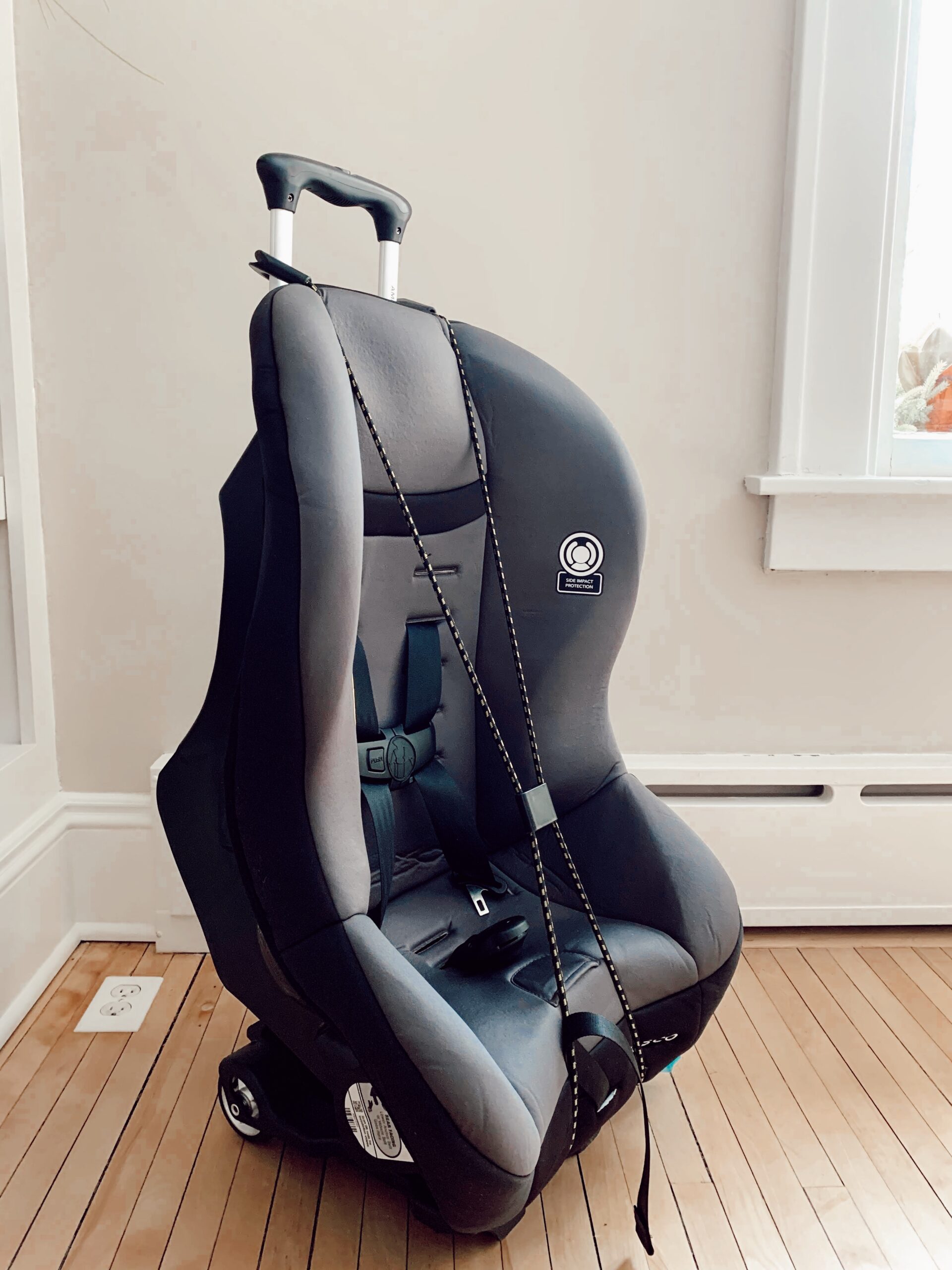
The FAA states that the safest place for a young child is in an approved child restraint, secured in their own seat. Holding a child on your lap does not provide the same protection during severe turbulence or an emergency.
What counts as an approved child restraint?
Look for a label on the car seat that says:
“This restraint is certified for use in motor vehicles and aircraft.”
The exact wording may vary slightly, but the label should clearly state that the restraint is approved for aircraft use. The seat must also fit your child according to the manufacturer’s height, weight, and age instructions.
A regular booster seat is different from a harnessed car seat. Most belt-positioning booster seats cannot be used during taxi, takeoff, or landing because they need an airplane lap belt and shoulder belt system that most aircraft seats do not have.
FAA-approved options
Common options include:
- Rear-facing infant car seats with an aircraft-use label
- Forward-facing harnessed car seats with an aircraft-use label
- Convertible car seats approved for aircraft use
- The FAA-approved CARES child aviation restraint for eligible children
CARES is a harness system made for use on an aircraft seat. It is not a car seat and cannot be used in a vehicle. It is designed for certain children who meet the manufacturer’s size limits, so check the current CARES instructions before relying on it.
The FAA’s Flying With Children page is the best place to confirm current federal guidance.

How to Choose the Right Car Seat for Air Travel
Choose a seat that is approved for aircraft use, fits your child, and can fit in the airplane seat without blocking another passenger’s exit.
A lightweight seat is easier to carry, but weight is not the only factor. A large seat may be safe in a car yet difficult to install in a narrow airplane row.
Use this quick decision guide
| Your situation | Practical choice |
|---|---|
| Infant who normally rides rear-facing | FAA-approved rear-facing infant or convertible seat |
| Toddler who still needs a harness | FAA-approved forward-facing convertible or combination seat |
| Child who meets CARES limits | CARES restraint, if suitable for the child and airline |
| Child who uses a belt-positioning booster | Use the airplane seat belt during flight; pack the booster for ground travel |
| Rental car after landing | Bring a car seat that fits the rental vehicle and your child |
Check these features before your trip
Aircraft approval: Find the aircraft-use label before leaving home.
Width: Measure the car seat at its widest point. Compare it with the airline’s published seat width when available. Airline seat widths can vary by aircraft, row, and class.
Installation method: Most aircraft seats use a lap belt only. The car seat must be approved for installation with that type of belt.
Weight and carrying needs: A car seat can be awkward in a terminal. A car seat travel cart, approved stroller attachment, or backpack-style carrier may help, but use these only as directed by the device maker.
Child fit: Do not move a child to forward-facing mode only because the flight is inconvenient. Follow the car seat manufacturer’s limits and NHTSA guidance.
Do not rely on an airline label alone
A car seat may be legal to use in a car but not approved for aircraft use. Check the physical label on the seat. Do not assume that an FAA-approved travel bag, stroller, or car seat accessory makes the restraint itself aircraft-approved.
How to Bring a Car Seat Through the Airport
You can usually take a child car seat through airport security when you are traveling with a child. The Transportation Security Administration (TSA) may inspect the seat and may ask you to place parts of it through the screening equipment.
TSA procedures can vary by airport and equipment. Allow extra time, especially if you are traveling with a stroller, breast milk, formula, or other child-care items.
The TSA guidance for traveling with children explains current screening rules.
Choose the best way to carry it
You have three common choices:
1. Carry the car seat onto the plane
This is the best choice when your child has a ticket and will use the seat during the flight.
You can:
- Carry it by hand
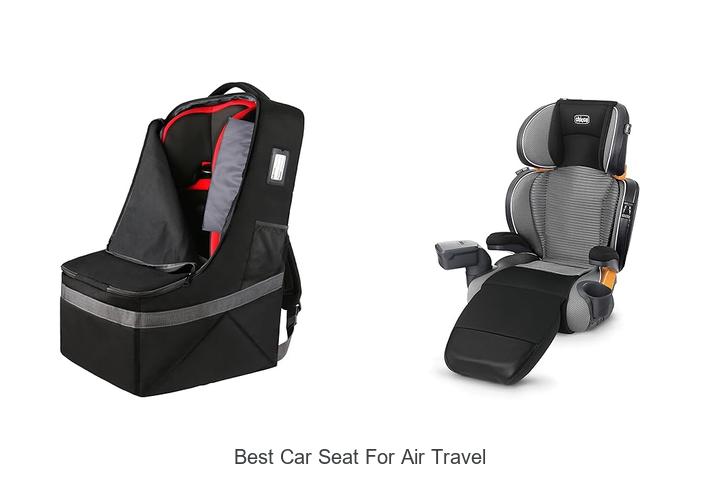
- Use a car seat travel bag
- Attach it to a luggage cart made for car seats
- Use an approved stroller or cart system
Do not place a car seat on top of rolling luggage unless the combination is stable and designed for that use. An unsecured seat can tip and injure someone.
2. Gate-check the car seat
Gate checking means you take the seat to the aircraft door and hand it to airline staff before boarding. Staff then place it in the aircraft hold and return it at the gate after landing, although delivery timing can vary.
Use a padded gate-check bag if you choose this option. A bag can protect the seat from dirt and some surface damage, but it cannot prevent all impact damage.
Inspect the seat after it is returned. If the shell is cracked, the harness is damaged, or parts are missing, do not use it until the manufacturer confirms that it is safe.
3. Check the car seat at the ticket counter
This option is convenient, but the seat may travel with checked baggage. That increases the chance of rough handling, delay, or loss.
If your child will use the seat on the airplane, do not check it at the ticket counter. Take it through security and bring it to the gate.
Step-by-Step: How to Install a Car Seat on an Airplane
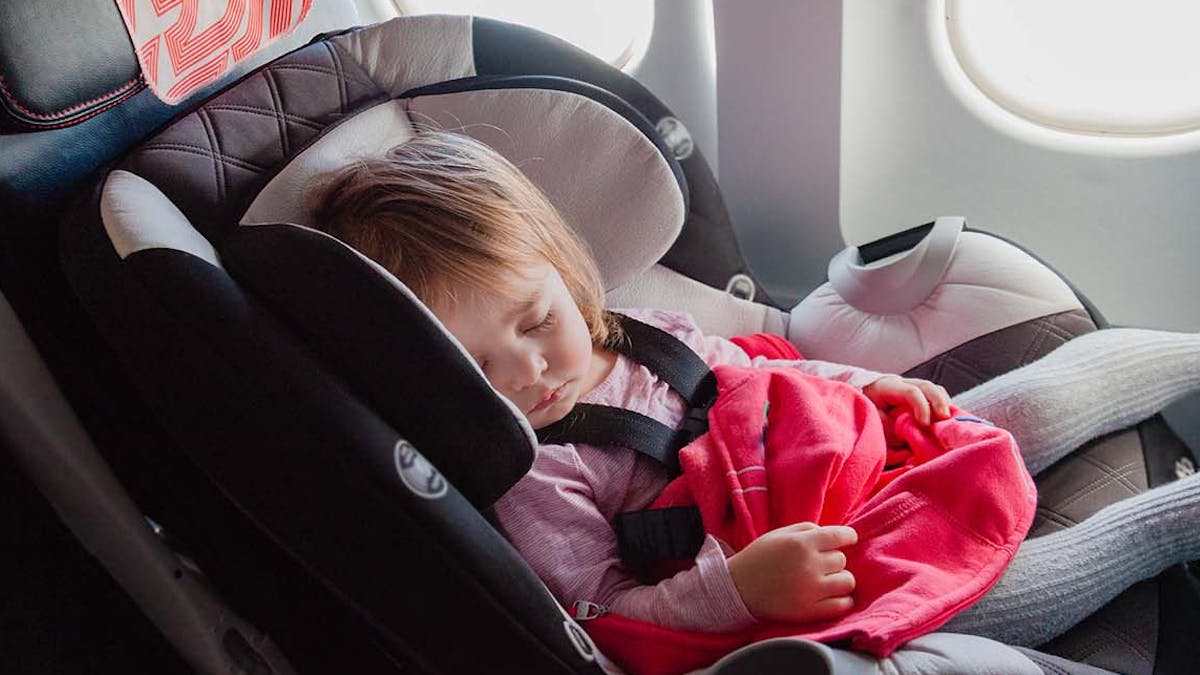
Install the car seat before the aircraft begins taxiing. If you need help, ask a flight attendant before the cabin door closes or while the aircraft is parked.
Step 1: Confirm the seat and child’s ticket
Your child needs their own assigned seat to use a car seat during the flight. A car seat cannot be installed in your lap or held in place by an adult.
Step 2: Ask about the approved seating location
A car seat is usually placed in a window seat. This helps keep the aisle clear and avoids blocking another passenger’s path to the exit.
Do not place a car seat in:
- An emergency exit row
- A row directly in front of or behind an exit row when airline rules prohibit it
- A location that blocks another passenger’s access to the aisle
- A seat where the car seat prevents normal evacuation
Some airlines may also limit car seats in certain bulkhead rows or seats with fixed armrests. Ask a flight attendant if you are unsure.
Step 3: Read the car seat manual
Find the aircraft installation section in the manual. If the manual is not in your travel bag, download a copy before the trip.
Aircraft installation may differ from vehicle installation. For example, the airplane may have only a lap belt, while your car may use lower anchors and a top tether.
Step 4: Place the car seat on the airplane seat
Set the car seat in the direction allowed by its manual. A rear-facing seat normally faces the back of the airplane. A forward-facing seat faces the front.
Make sure the seat does not press against the seat in front of it in a way that prevents the passenger’s seat from moving normally. A large rear-facing seat may not fit well in some rows.
Step 5: Thread the airplane lap belt
Route the lap belt through the approved belt path. Do not place the belt across the child or through a path meant for a vehicle shoulder belt unless the manual specifically permits it.
Keep the buckle in the area allowed by the car seat instructions. Do not place it under the seat shell if doing so prevents proper tightening or could damage the buckle.
Step 6: Tighten the belt
Pull the belt tight while pressing down on the car seat. The seat should not move more than about 1 inch from side to side or front to back when checked at the belt path.
This “1-inch” check is common car seat installation guidance, but the car seat manual controls if it gives a different method for aircraft use.
Step 7: Secure your child
Use the car seat’s internal harness. Tighten the harness so that you cannot pinch extra webbing at the child’s shoulder.
Remove bulky coats before buckling the child. A thick coat can create extra space under the harness and reduce its effectiveness. Use a blanket over the secured harness if the cabin is cold.
Step 8: Confirm with the crew
Ask a flight attendant to check the setup if you are uncertain. Crew members may need to verify that the seat is in an approved location and that it does not block access.
Signs the installation is correct
The car seat is likely installed properly when:
- The aircraft lap belt follows the correct belt path.
- The restraint is tight at the belt path.
- The seat does not move more than about 1 inch in any direction.
- The child’s harness is snug.
- The seat does not block the aisle or another passenger’s exit.
- The seat remains approved for the child’s size and travel direction.

What to Do if the Car Seat Does Not Fit
If the car seat is too wide, do not force it into the airplane seat. Forcing the seat can leave the belt loose or place pressure on the aircraft seat and restraint.
Try these steps:
- Check the aircraft seat width and your car seat width.
- Ask the gate agent whether another seat is available.
- Ask whether the armrest can be raised. Do not move an armrest unless airline staff permit it.
- Confirm that the car seat is in a window seat or another approved location.
- Ask a flight attendant for help before departure.
- If the seat cannot be used safely, follow the airline’s instructions for gate checking it.
An airline may require you to move seats if the restraint blocks another passenger or does not fit within the seat area. This is one reason to contact the airline before travel and arrive early at the gate.
Can you use a car seat in the middle seat?
Sometimes. The middle seat may be acceptable if the seat fits, the airline permits it, and it does not block access or prevent evacuation.
A window seat is often simpler because it keeps the car seat away from the aisle. The final decision rests with the airline and flight crew.
Can you use a car seat in the exit row?
No. Children and child restraints are not allowed in emergency exit rows. A car seat must not interfere with emergency evacuation.
Flying With a Rear-Facing Car Seat
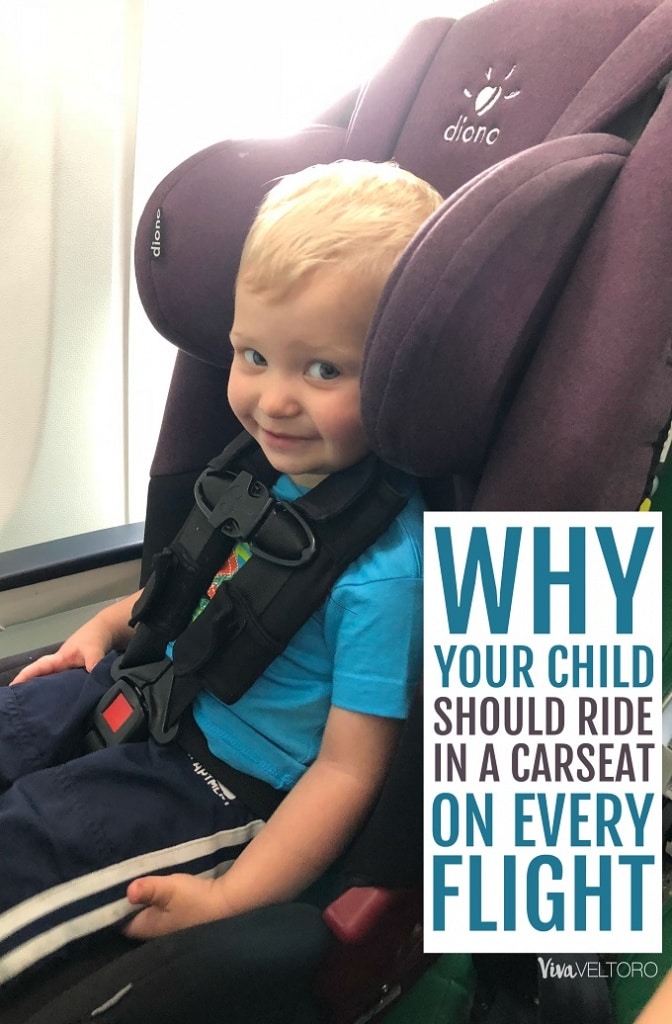
You can generally use an FAA-approved rear-facing car seat on a U.S. flight when it fits the aircraft seat and follows airline rules.
Rear-facing is often the safest travel position for infants and young toddlers because it supports the child’s head, neck, and spine in a crash. Do not turn the seat forward-facing just to make the airplane installation easier. Follow the seat maker’s instructions and your child’s stage.
Before boarding, check:
- Whether the rear-facing seat fits between the airplane seat rows
- Whether the seat’s base or handle must be adjusted
- Whether the aircraft lap belt reaches the approved belt path
- Whether the seat in front can recline normally
- Whether the car seat blocks another passenger’s path
If a rear-facing seat does not fit in a specific row, ask the crew about another location. Never leave the seat loose or use an unapproved installation method.
Flying With a Booster Seat
A belt-positioning booster seat is usually not used during taxi, takeoff, or landing. It needs the airplane’s lap belt and shoulder belt to position the belt correctly, but most aircraft passenger seats do not have shoulder belts.
You may bring a booster seat on the trip and use it in a vehicle after landing. Store it according to airline carry-on rules, or gate check it if permitted.
During the flight, the child should use the airplane seat belt as directed by the crew. The belt should sit low across the upper thighs or hips, not across the stomach. If the belt does not fit well, ask the airline crew for guidance.
Do not confuse a booster seat with an FAA-approved harness restraint. A harness system such as CARES has different instructions and size limits.

Airline, TSA, and FAA Rules: Who Decides What?
Several organizations affect your trip, but they do different jobs.
| Organization | Main role |
|---|---|
| FAA | Sets aviation safety rules and approves certain child restraint systems |
| TSA | Screens passengers and carry-on items at airport security |
| Airline | Applies boarding, seating, baggage, and aircraft-specific procedures |
| Car seat maker | Sets child size limits and installation instructions |
| NHTSA | Provides U.S. child passenger safety guidance and car seat information |
The FAA approval label does not guarantee that every airline seat will fit every car seat. Likewise, an airline’s baggage policy does not replace the car seat manufacturer’s instructions.
Before departure, check:
- The airline’s child restraint policy
- The airline’s carry-on and gate-check rules
- Your aircraft type, if available
- Your car seat’s aircraft-use label
- The car seat manual
- TSA’s current screening guidance
If you have a connecting flight, check every airline on the itinerary. A codeshare flight may be sold by one airline but operated by another.

Common Mistakes to Avoid
Buying a ticket but not an airplane seat
A child cannot use a car seat while sitting on an adult’s lap. If you want the car seat on board, your child needs a separate seat.
Checking the only car seat you brought
If the checked seat is delayed or damaged, you may have no safe restraint for the drive from the airport. If possible, carry the car seat on board or bring a backup plan for ground travel.
Using a booster during takeoff and landing
Most belt-positioning boosters are not approved for these parts of the flight. Follow the booster maker’s instructions and the flight crew’s directions.
Ignoring the aircraft-use label
A seat may be legal for motor vehicles but not for aircraft. Check the label before your travel day.
Leaving the harness loose
The airplane belt holds the car seat to the seat. The internal harness holds the child in the car seat. Both must be secured.
Adding aftermarket accessories
Avoid unapproved inserts, strap covers, trays, inflatable cushions, or belt extenders. Accessories can change how the restraint performs or interfere with its belt path.
Using a damaged car seat
Do not use a seat with cracks, broken parts, exposed foam, damaged harness webbing, or missing instructions. Contact the manufacturer when damage is uncertain.

A Practical Packing and Boarding Checklist
Before booking
- Decide whether your child will use a restraint on board.
- Check the airline’s child restraint rules.
- Confirm that your child needs a separate ticket.
- Measure the car seat.
- Check the FAA aircraft-use label.
- Plan how you will carry the seat through the airport.
Before leaving home
- Read the aircraft installation section in the manual.
- Pack the manual or save a digital copy.
- Remove loose accessories that are not approved by the manufacturer.
- Label the car seat and travel bag with your name and phone number.
- Check the seat for damage.
- Pack a lightweight blanket for use over the secured harness.
At the airport
- Arrive early.
- Tell the airline agent that you are traveling with a child restraint.
- Take the seat through TSA if your child will use it on board.
- Ask about the best seat location.
- Board early if the airline offers family or preboarding options.
At the gate
- Confirm that the seat fits the aircraft seat.
- Ask the crew about installation if needed.
- Gate check the seat only if you decide not to use it during the flight.
- Keep the gate-check receipt until the seat is returned.
After landing
- Inspect the seat if it was gate checked.
- Confirm that all parts are present.
- Install it correctly in the rental car or personal vehicle.
- Do not use it if it shows possible crash or handling damage.
Frequently Asked Questions
Can I bring a car seat on a plane for free?
Many U.S. airlines allow a car seat to travel as a carry-on item when it is used by a ticketed child, and many allow it to be checked without charging a baggage fee. Policies differ, so check the operating airline before travel.
Can I use a car seat without the base on an airplane?
Often, yes, if the car seat manufacturer allows installation without its base and provides an aircraft installation method. Many infant seats install without a base in a vehicle, but you must follow the manual. Do not guess.
Can I use LATCH or ISOFIX on an airplane?
Usually not. Most U.S. aircraft seats are designed for installation with the airplane lap belt. Do not use lower anchors unless the aircraft and restraint instructions specifically allow it.
Can a child sleep in a car seat on a flight?
A child may rest in an approved, properly installed car seat while seated. Keep the harness secured and follow the flight crew’s instructions. Do not place the child in a loose car seat, on the floor, or in an unapproved sleep device.
What if the airline says my car seat cannot be used?
Ask the crew to show you the specific issue, such as seat location, width, installation, or approval label. If the seat cannot be used safely or according to airline rules, follow the crew’s instructions and gate check it. Do not argue your way into an unsafe installation.

Conclusion
The safest way to fly with a car seat is to buy your child a separate seat and use an FAA-approved restraint throughout the flight. Check the label, read the manual, choose an approved location, secure the aircraft lap belt, and tighten the child’s harness.
Airline rules and aircraft layouts can differ. Confirm the policy with the operating airline before you travel, and ask the flight crew for help if the seat does not fit or the installation is unclear. A few minutes of planning can make the airport easier and the flight safer for everyone.
