

In the United States, most hybrid cars do not have to be plugged in. A standard hybrid, also called a self-charging hybrid, uses gasoline plus a small electric motor. It makes electricity through braking and the gas engine, then stores that energy in a battery.
A plug-in hybrid electric vehicle (PHEV) is different. You can drive a PHEV without charging it, but plugging it into a wall outlet lets it travel farther on electricity and use less gasoline.
The short answer is:
- Standard hybrid: No home charging is needed.
- Plug-in hybrid: Charging is optional, but useful.
- Mild hybrid: Usually does not need to be plugged in.
- All-electric vehicle: Must be charged from an external power source.

What kind of hybrid car do you have?
The charging answer depends on the vehicle type. “Hybrid” can describe more than one kind of powertrain.
Standard hybrid cars
A standard hybrid combines:
- A gasoline engine
- One or more electric motors
- A high-voltage battery
- A system that changes some braking energy into electricity
The battery charges while you drive. The system may also use the gasoline engine to generate power.
Examples in the U.S. market include many non-plug-in hybrid versions of sedans, SUVs, and pickup trucks. These vehicles do not need a dedicated charging cable or home charger.
Plug-in hybrid cars
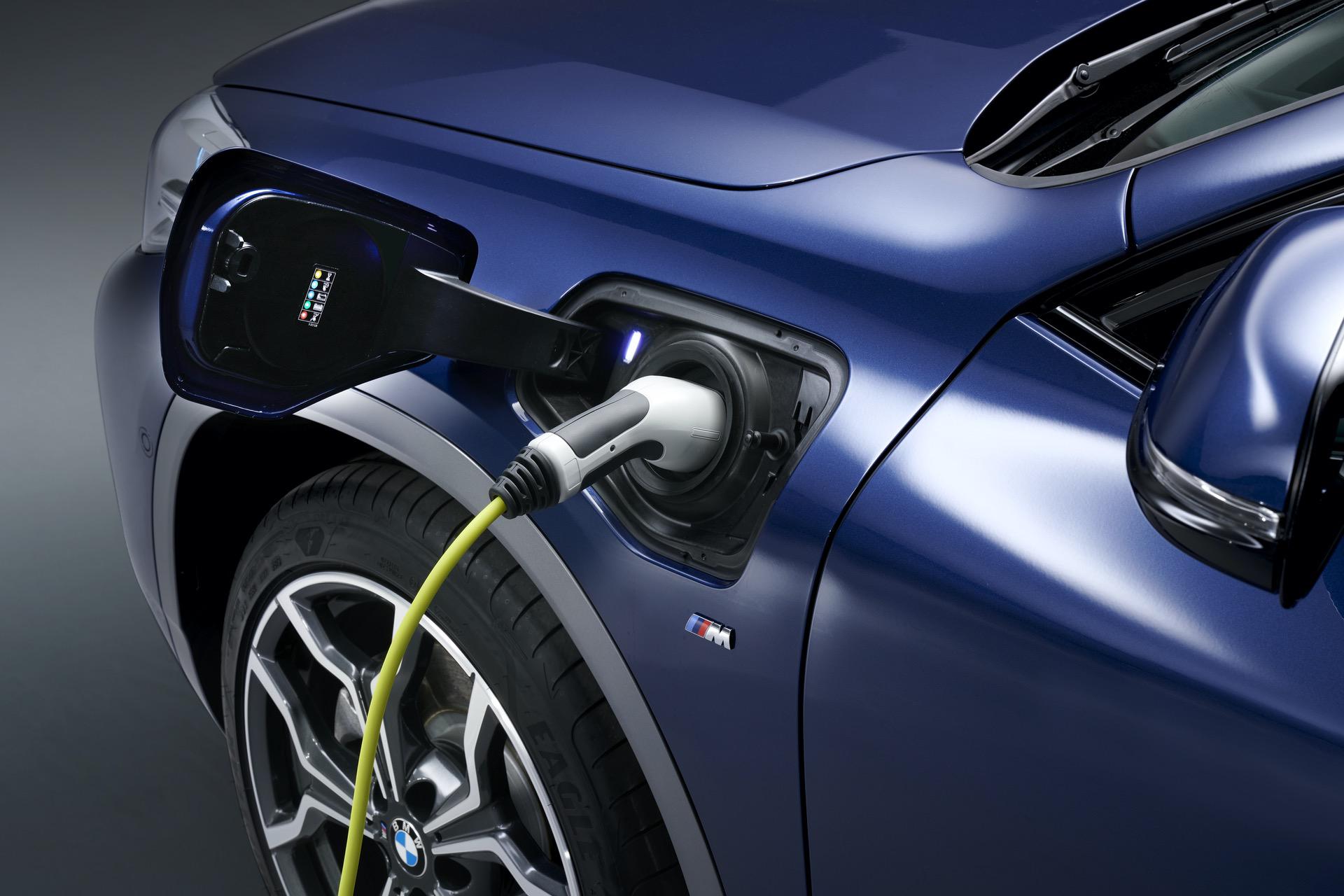
A plug-in hybrid, or PHEV, has a larger battery than a standard hybrid. It also has a charging port.
You can charge a PHEV at:
- A regular household outlet
- A 240-volt home charger
- Some public charging stations
A PHEV can often drive a limited distance on electricity alone. When the battery reaches its lower charge limit, the vehicle works much like a standard hybrid and uses gasoline.
The U.S. Department of Energy’s Alternative Fuels Data Center explains that plug-in hybrids can use electricity, gasoline, or both. The exact electric range depends on the model, battery size, weather, speed, and driving conditions.
Mild hybrid cars
A mild hybrid uses a smaller electric system to help the gasoline engine. It may support stop-start driving, acceleration, or accessories.
Most mild hybrids cannot drive on electric power alone for long. They generally do not need to be plugged in.
Hybrid versus electric vehicle
A hybrid still has a gasoline engine. An all-electric vehicle, or EV, does not.
This difference matters because an EV must receive energy from an external charger. A standard hybrid does not rely on a plug to keep its battery operating.
How does a hybrid car charge without being plugged in?
A standard hybrid charges its battery in two main ways: regenerative braking and engine-generated electricity.
Regenerative braking
When a normal gasoline car slows down, much of its motion becomes heat in the brake pads and rotors.
A hybrid can use its electric motor as a generator during deceleration. This creates electrical energy and sends it to the battery. The process is called regenerative braking, or regen.
The vehicle may recover energy when you:
- Lift your foot from the accelerator
- Coast downhill
- Press the brake pedal
- Slow down in traffic
The system cannot recover all the energy. Some energy still becomes heat, and the battery has limits. Even so, regenerative braking helps reduce wasted energy in city driving.
The gasoline engine can generate power
A hybrid’s gasoline engine can also turn a generator. The vehicle computer decides when to send power to the battery.
The engine may charge the battery when:
- The battery level is low
- The vehicle needs extra power
- The engine is operating efficiently
- The vehicle is traveling at higher speed
The engine does not usually fill the battery to 100% like a phone. Hybrid systems keep the battery within a controlled range to support long battery life and allow room to capture braking energy.
The battery charges during normal driving
You do not need to change your driving habits to charge a standard hybrid. The vehicle manages the process automatically.
You may see a battery gauge move up and down during a trip. That is normal. A hybrid may use electric power for a short time, recover energy during braking, and then use the engine again.
The battery gauge does not need to stay full for the car to work correctly.

Do plug-in hybrids have to be charged?
No. A plug-in hybrid can operate without being plugged in, but charging it gives you the main benefit of owning a PHEV.
If you do not charge a PHEV, it will usually:
- Use its available battery energy.
- Switch to hybrid operation as the battery reaches its lower limit.
- Use gasoline for most or all later driving.
- Recover some energy through regenerative braking.
The vehicle remains usable, but fuel economy may be lower than it would be with regular charging. A PHEV also carries a larger battery and charging equipment, so you may not receive the full value of that extra hardware.
When charging a PHEV makes the most sense
Charging is most useful when your daily drive fits within the vehicle’s electric range. For example, if a PHEV has a stated electric range of 30 miles and your daily round trip is 20 miles, charging at home may allow most routine trips to use little or no gasoline.
This is only a hypothetical example. Actual electric range can change with:
- Cold weather
- Highway speeds
- Steep hills
- Heavy cargo
- Strong air-conditioning or heating use
- Tire pressure
- Driving style
The U.S. Environmental Protection Agency lists official fuel economy and electric-range estimates through its FuelEconomy.gov database. Use the exact model and model year when comparing vehicles.
What happens if you never charge a PHEV?
A PHEV will generally continue to drive as a hybrid. However, you may notice:
- More gasoline use than the advertised combined result
- Less electric-only driving
- Higher fuel costs
- No benefit from your local electricity rate
- A reason to consider a standard hybrid instead
A PHEV may still make sense if you want electric driving near home and gasoline range for long trips. It may make less sense if you cannot charge at home or work and rarely use public charging.

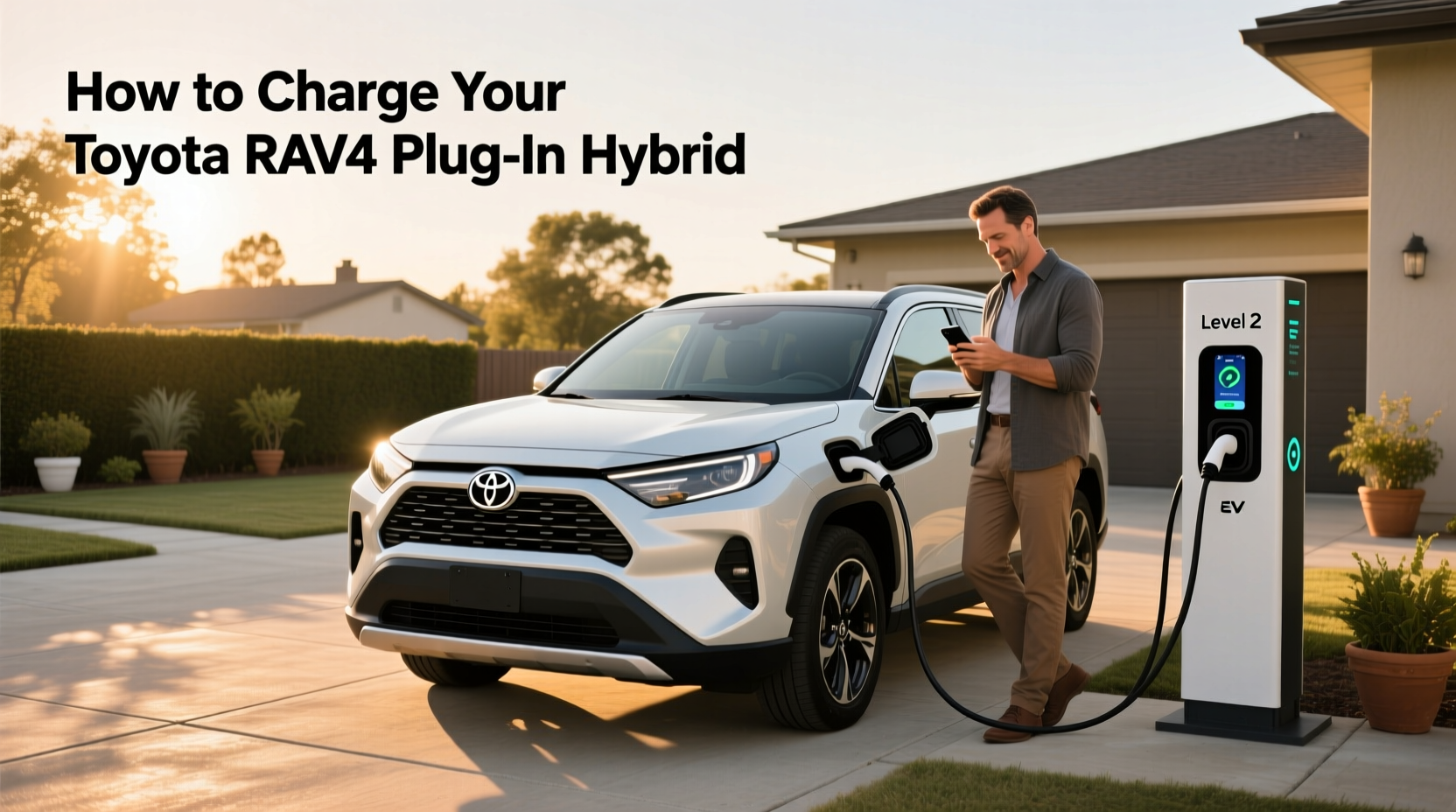
How do you charge a plug-in hybrid in the U.S.?
Charging a PHEV is usually simple, but the correct method depends on the vehicle.
Level 1 charging
Level 1 charging uses a standard 120-volt household outlet. It is the slowest option, but it may be enough for a small PHEV battery parked overnight.
It can work well when:
- You drive a modest number of miles each day
- The car sits at home for many hours
- A suitable outlet is near the parking space
- You do not need a quick refill
The charging time varies by model. Check the owner’s manual rather than relying on a general estimate.
Level 2 charging
Level 2 charging uses a 240-volt circuit. It can charge much faster than a standard outlet.
Installation may require:
- A suitable circuit
- Correct outlet or hardwired equipment
- Enough electrical capacity
- A licensed electrician
- Compliance with local codes and utility rules
Not every PHEV can accept the same charging speed. A faster charger will not make the car charge faster than its onboard charging system allows.
Public charging
Some PHEVs can use public AC charging stations. Others cannot, or they may have limited compatibility.
Before using a public station, confirm:
- The connector matches the car
- The station supplies the type of power the vehicle accepts
- The station does not require an account or app you do not have
- The charging cost fits your plan
- The vehicle is allowed to remain parked after charging
Many PHEVs do not support high-power DC fast charging. Never assume that a public fast charger works with every plug-in vehicle.
Safe charging practices
Follow the vehicle maker’s instructions and the charger’s safety guide. Do not use a damaged cable, hot or loose outlet, or improvised wiring.
For home charging:
- Use an outlet and circuit that can safely support the load.
- Do not use an extension cord unless the vehicle maker specifically allows it.
- Keep the connector dry and protected from damage.
- Stop using the equipment if it becomes unusually hot.
- Ask a qualified electrician to inspect questionable wiring.
The owner’s manual and charging equipment instructions control when they are more specific than general advice.

Does charging a hybrid save money?
Charging can reduce gasoline use, but it does not automatically reduce total driving cost. The result depends on the vehicle, energy prices, driving pattern, and charging setup.
A simple comparison is:
Electric driving cost per mile = electricity price per kilowatt-hour × vehicle energy use per mile
For a hypothetical PHEV that uses 0.30 kWh per mile:
- Electricity price: $0.16 per kWh
- Energy use: 0.30 kWh per mile
- Electric cost: $0.048 per mile
That is about 4.8 cents per mile before charging losses, taxes, fees, and fixed equipment costs.
For gasoline driving:
Gasoline cost per mile = gasoline price per gallon ÷ miles per gallon
For a hypothetical vehicle that gets 45 mpg with gasoline priced at $3.60 per gallon:
- Gasoline price: $3.60 per gallon
- Fuel economy: 45 mpg
- Gasoline cost: $0.08 per mile
These figures are examples, not a prediction of your actual cost. Real results vary. Compare your local electricity rate, gasoline price, and the exact EPA ratings for the vehicle.
Home charging often matters more than public charging
A PHEV is easier to use economically when you can charge at home or work. Public charging may cost more, and some stations add time-based fees or require a membership.
Also consider:
- The cost of installing a 240-volt circuit
- Utility demand charges, where applicable
- Time-of-use electricity rates
- Charging losses
- Parking fees
- The price difference between a PHEV and a standard hybrid
A standard hybrid may be the simpler financial choice for a driver who cannot charge regularly.

Does a hybrid need to be charged before a long trip?
A standard hybrid does not need a special charge before a long trip. Fill the gasoline tank as you normally would and drive.
A PHEV also does not require a full battery before a long trip. Charging first can reduce fuel use near the start of the trip, but the gasoline engine provides long-distance range after the battery reaches its operating limit.
Before traveling, check:
- Fuel level
- Tire pressure
- Warning lights
- Planned charging stops, if you want to charge on the road
- Weather and road conditions
- The vehicle’s towing and cargo limits
A PHEV may not save much fuel at high highway speeds if the battery is empty. Its electric range is often most useful for city streets, short trips, and stop-and-go traffic.
What maintenance does a hybrid need?
A standard hybrid still needs normal vehicle care. It has fewer traditional engine tasks than some gasoline-only cars, but it is not maintenance-free.
Follow the maintenance schedule for:
- Engine oil and filter
- Tires and alignment
- Brake inspection
- Coolant
- Air filters
- Wiper blades
- 12-volt battery
- Hybrid system checks
Regenerative braking may reduce friction-brake use, but brake components can still corrode or wear. The gasoline engine also needs oil changes even if the electric motor handles part of the driving.
Do not attempt to repair high-voltage components unless you have the required training and equipment. For warning messages, crash damage, battery faults, or orange high-voltage cables, use a qualified hybrid technician or the manufacturer’s service network.

Common mistakes about hybrid charging
Mistake 1: Assuming every hybrid plugs in
The word “hybrid” does not tell you whether a plug is required. Look for “plug-in hybrid” or “PHEV” on the vehicle label, window sticker, owner’s manual, or manufacturer specifications.
Mistake 2: Expecting a standard hybrid to drive for miles on battery power
A standard hybrid may use electric power alone for short periods. It is not designed to function like a long-range EV.
Mistake 3: Believing the battery must reach 100%
Hybrid computers control the battery automatically. You do not need to manage its charge level in a standard hybrid.
Mistake 4: Treating a PHEV’s electric range as fixed
EPA range is a testing estimate. Cold temperatures, high speeds, hills, heating, and payload can reduce real-world range.
Mistake 5: Installing a home charger without checking the electrical system
A charger can place a steady load on a circuit. Have a qualified electrician check the installation when the outlet, wiring, or circuit capacity is uncertain.

Quick decision table
| Vehicle type | Must you plug it in? | Can it use gasoline? | Main charging method |
|---|---|---|---|
| Mild hybrid | No | Yes | Braking and engine |
| Standard hybrid | No | Yes | Braking and engine |
| Plug-in hybrid | No, but charging helps | Yes | External charging, braking, and engine |
| Battery-electric vehicle | Yes | No | External charging |
The practical choice is simple: choose a standard hybrid if you want hybrid fuel savings without plugging in. Choose a PHEV if you can charge regularly and want electric driving for shorter trips. Choose an EV if you are ready to rely fully on external charging.
Frequently asked questions
Can you drive a hybrid if the battery is empty?
A standard hybrid normally prevents the high-voltage battery from becoming fully empty during normal driving. If the hybrid system develops a fault, the vehicle may limit power or display a warning. Follow the owner’s manual and seek service.
A PHEV can continue using gasoline after its usable electric range is depleted. This does not mean the battery is physically at zero; the vehicle keeps a reserve for hybrid operation.
Can a hybrid charge while idling?
The gasoline engine may send energy to the hybrid battery while the vehicle is running, but idling is not an efficient way to charge it. The control system decides when charging is needed.
Do not idle a vehicle in a garage or another enclosed area because exhaust gases can build up.
Do hybrid cars use regular gasoline?
Many U.S. hybrids use regular unleaded gasoline, but not every model has the same fuel requirement. Check the fuel label and owner’s manual. Using the wrong fuel can cause damage or poor performance.
Do hybrid cars cost more to maintain?
Maintenance costs vary by model and repair shop. Hybrids still need routine engine and tire service, while the regenerative braking system may reduce use of friction brakes. High-voltage battery or inverter repairs can be expensive, though the vehicle warranty may cover some components.
Review the warranty for the exact model and model year. Federal emissions and hybrid-component coverage can also vary by vehicle and location.
Can you charge a standard hybrid with a home charger?
Usually, no. A standard hybrid is not built to accept external charging. Its battery charges through regenerative braking and the gasoline engine. Only use a charging cable when the vehicle has a designated charging port and the manufacturer lists external charging as supported.
Conclusion: Do hybrid cars need charging?
Most hybrid cars in the United States do not need to be plugged in. Standard and mild hybrids recharge their batteries as they drive, mainly through regenerative braking and engine-generated electricity.
A plug-in hybrid can also run without being plugged in, but regular charging allows more electric driving and may reduce gasoline use. Before choosing a model, confirm whether it is a standard hybrid or a PHEV, then compare your daily mileage, access to charging, local energy prices, and long-trip needs.
The next step is to check the exact vehicle’s window sticker or owner’s manual. It will state whether the car has a charging port, what fuel it requires, and how its battery system works.
