

No. In most parts of the United States, you do not need a driver’s license to buy a car. You can usually purchase a vehicle, sign a sales contract, and become the owner without being licensed to drive.
However, buying a car and driving a car are two different things. You need a valid license, permit, or other legal authorization to drive on public roads. You may also need insurance and vehicle registration before you can legally operate the car.
Rules for titles, registration, insurance, financing, and vehicle delivery vary by state. Before you buy, check your state motor vehicle agency through the NHTSA state DMV directory.
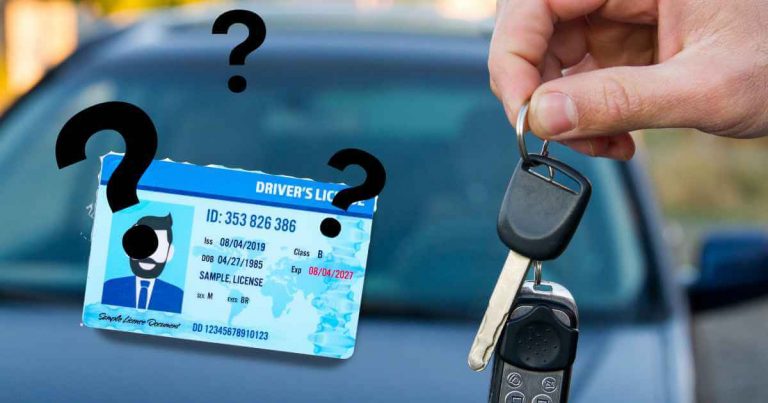
Can you buy a car without a driver’s license?
Yes, a dealership or private seller can usually sell you a car even if you do not have a driver’s license. The seller will still need to verify your identity and complete the normal sales and ownership paperwork.
You may buy a car without a license if you:
- Cannot drive because of a medical condition
- Have a learner’s permit but not a full license
- Are buying a car for another driver
- Are purchasing a vehicle as a gift
- Have a licensed driver who will operate the car
- Are buying a car for business use
- Need a vehicle before completing a driving test
A license may still be requested as a form of identification. That does not always mean it is legally required for the purchase. A state ID card, passport, military ID, or other accepted document may work instead.
Buying is not the same as driving
A vehicle can belong to one person while another person drives it. For example, a parent may own a car that an adult child drives. A business may own a work vehicle that an employee operates.
The owner must still handle the title, registration, insurance, and loan terms correctly. The person driving must have the proper license and permission to use the vehicle.
What if you have a learner’s permit?
A learner’s permit may be enough to buy a car, but it does not give you unlimited driving rights. Permit rules often require a licensed adult to ride with you and may limit when or where you can drive.
Follow the conditions printed on your permit and your state’s rules. If you are not allowed to drive alone, arrange for a licensed driver to take the car home.
What do you need to buy a car without a license?
You will usually need proof of identity, payment or loan approval, and the documents needed to transfer ownership. The exact list depends on whether you buy from a dealer or a private seller.
Common requirements include:
- A government-issued photo ID
- Proof of address
- Your Social Security number or tax ID for some loans
- Payment for the vehicle
- A signed purchase agreement
- The vehicle title or manufacturer’s certificate of origin
- A bill of sale, when required
- Proof of insurance, if required before registration
- Registration and title fees
- A lienholder’s information if you use a loan
A state ID card often helps if you do not have a driver’s license. Ask the dealer or your state DMV which IDs it accepts before signing the deal.
Dealer purchase
a dealer often prepares the title and registration forms. The dealer may also collect taxes and fees, submit documents to the state, and provide temporary tags.
Even so, do not assume the dealer will solve every problem. Ask:
- Which documents will the dealer file?
- Which documents must you file yourself?
- Can the vehicle leave the lot without proof of insurance?
- Who may drive the car away?
- When will you receive the title and permanent registration?
The Federal Trade Commission explains key steps for buying both new and used cars in its car-buying guide.
Private-party purchase
A private sale usually gives you more paperwork to manage. The seller must sign the title correctly, and you may need a bill of sale, odometer disclosure, lien release, or other documents.
Before paying, check:
- That the seller’s name matches the title
- That the vehicle identification number, or VIN, matches the car
- That no lien remains on the title
- That the title has no unexplained blank sections
- That your state allows the vehicle to be registered with the documents provided
Never rely only on a verbal promise that the title will arrive later. A missing or incorrect title can delay registration and make resale difficult.

Can you register a car without a driver’s license?
Often, yes, but registration rules are set by each state. Many states focus on proof of ownership, identity, address, insurance, and payment of taxes and fees. Some offices may accept a state ID instead of a driver’s license.
Registration requirements can change based on:
- Your state and county
- Whether the car is new or used
- Whether you bought it from a dealer or a private seller
- Whether the vehicle will be driven on public roads
- Whether the car has a loan or lease
- Whether you are registering the vehicle for someone else
- Whether you are a business or an individual
Some states may ask for a licensed driver’s information, especially when the vehicle owner cannot drive. That does not always mean the owner must hold a license. It may mean the DMV needs to identify the person who will operate the car or verify insurance.
Title versus registration
The title shows ownership. The registration allows the vehicle to be listed with the state for road use.
You may be able to hold a title without a driver’s license. Registration may require more steps, especially if the car will be driven on public roads.
A title alone does not make a vehicle legal to drive. You still need valid registration, required insurance, and a legal driver.
If you will not drive the car
Tell the DMV and insurer that another person will drive the vehicle. Use the correct owner and primary-driver information. Do not list yourself as the main driver if that is not true.
Incorrect information can cause registration delays, denied claims, or policy cancellation. Your insurer can explain how to list an unlicensed owner and a licensed driver.

Can you get car insurance without a driver’s license?
You may be able to insure a car without holding a driver’s license, but insurance companies set their own rules. Many insurers want a licensed household member listed as the primary driver.
An insurer may ask for:
- Your state ID or other identity document
- The VIN
- The vehicle’s address
- The names of all household drivers
- The primary driver’s license number
- The expected yearly mileage
- The vehicle’s use
- Proof of ownership or a purchase agreement
You may need a special policy arrangement if you own the car but do not drive it. The insurer might list you as the owner and another person as the driver. Ask for written confirmation that the policy meets your state’s minimum coverage rules and your lender’s requirements.
Do not drive before coverage starts
A dealer may require proof of insurance before allowing the vehicle to leave the lot. Even when a state gives you a short period to add a newly purchased vehicle to an existing policy, you should confirm the rule with your insurer.
If you have no licensed driver, arrange a safe transport method:
- Have a licensed, insured driver take the car
- Use a tow service
- Ask the dealer about delivery
- Transport the vehicle on a trailer
Do not drive with expired tags, no required insurance, or a suspended or revoked license.

Can you finance a car without a driver’s license?
Possibly, but approval is controlled by the lender rather than the DMV. A lender may ask for government ID, proof of income, proof of residence, credit information, and evidence of insurance.
Some lenders may require a valid driver’s license as part of their identity or underwriting process. Others may accept a state ID and approve the loan if their other conditions are met.
A lender may also require:
- Comprehensive and collision insurance
- A licensed driver listed on the insurance policy
- Automatic payments
- A co-signer or co-borrower
- A larger down payment
- Proof that the vehicle will be used by an authorized driver
Ask the lender before visiting the dealership. This can prevent a rejected loan after you have selected a car.
The Consumer Financial Protection Bureau’s auto-loan guidance recommends comparing the annual percentage rate, loan term, amount financed, and total cost. A longer loan can lower the monthly payment but increase the total interest.
Owner, borrower, and driver can be different people
These roles may belong to different people:
| Role | What the person does |
|---|---|
| Owner | Holds legal ownership of the vehicle |
| Borrower | Repays the auto loan |
| Co-signer | Promises to repay if the borrower does not |
| Insured owner | Is covered under the insurance policy as required |
| Primary driver | Uses the vehicle most often |
A lender may restrict who can be on the title or loan. Get approval before putting a different person on the title, loan, or insurance policy.
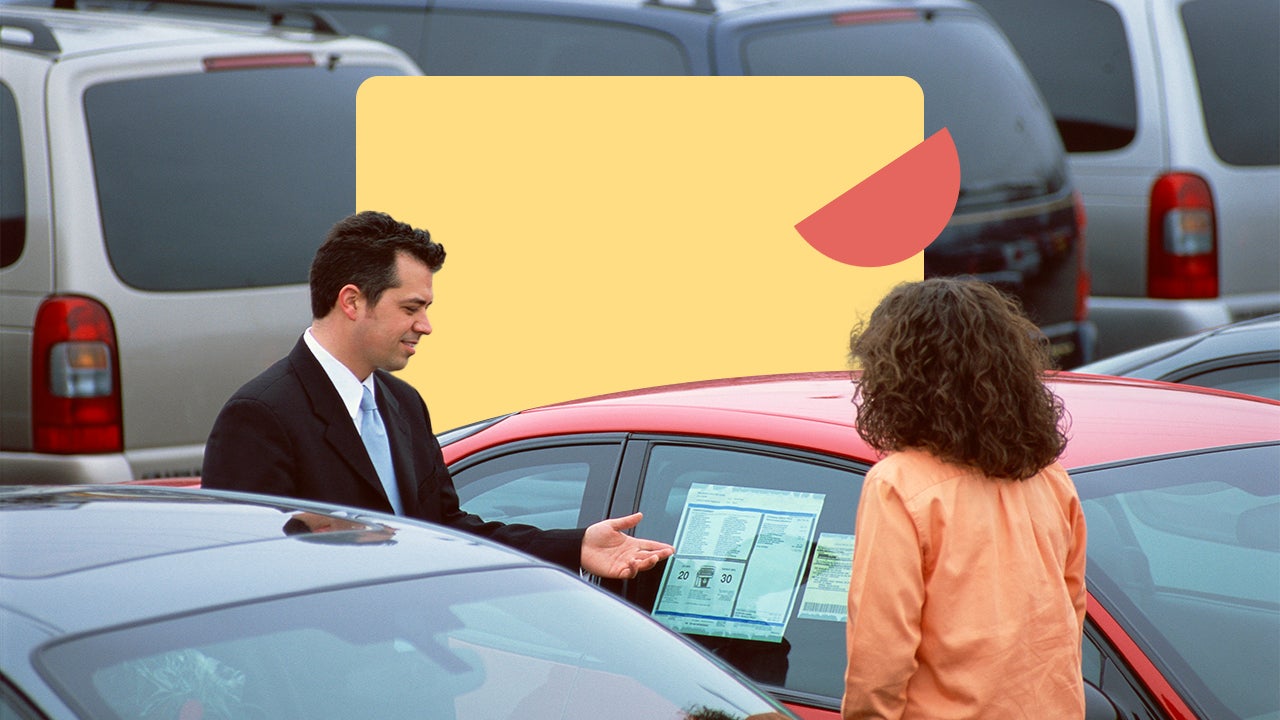
How do you buy a car without a license?
Use this process to reduce delays and legal problems.
1. Ask your DMV what it requires
Contact your state DMV before you shop. Ask about acceptable ID, title transfer, registration, insurance, temporary tags, and deadlines.
Do not rely on a rule from another state. A process that works in Texas, Florida, or New York may not work in your state.
2. Confirm the insurance plan
Tell the insurer that you will own the car but will not drive it. Give the insurer the name and license details of the person who will drive it.
Ask when coverage begins and whether the policy meets the lender’s requirements.
3. Get financing approval, if needed
Tell the lender that you do not have a driver’s license. Ask whether it accepts a state ID and whether a licensed primary driver or co-signer is required.
Compare loan offers by total cost, not only by monthly payment.
4. Inspect the car and documents
For a used vehicle, check the VIN, title, service records, vehicle history, and lien status. Consider an inspection by an independent mechanic before buying.
The FTC warns that a vehicle history report is not a substitute for an independent inspection. A report may not show every mechanical problem.
5. Complete the sale
Read the buyer’s order and purchase agreement. Check the price, taxes, fees, add-ons, loan terms, warranty terms, and return policy.
Do not sign blank forms. Keep copies of the signed contract, title documents, bill of sale, insurance proof, and payment records.
6. Arrange legal transport
A licensed and properly insured driver should take the car. If the vehicle is not yet registered or insured, use delivery or a tow service instead.
7. Finish title and registration work
Submit any documents that the dealer does not file. Track deadlines for title transfer, registration, emissions testing, inspections, and temporary tags.
The process is complete when the ownership record, insurance, registration, and loan information are correct.

Common problems when buying a car without a license
The biggest problems usually come from confusing ownership with driving permission.
The dealer refuses to sell the car
Ask whether the dealer needs a driver’s license for the sale, for financing, for insurance, or only for identification. These are separate issues.
If a dealer has an internal policy, you may need to provide another accepted ID or use a different lender. A private seller may have different requirements, but the DMV and insurance rules still apply.
The DMV will not register the car
Ask the DMV for the exact missing item. It may need proof of insurance, an acceptable ID, a signed title, a lien release, an inspection, or proof of address.
Do not drive the vehicle while registration is unresolved unless your state clearly allows it.
The insurer will not cover the vehicle
Ask whether the problem is your lack of a license, the primary driver’s record, the vehicle type, the address, or the requested coverage. Another insurer may have a different underwriting rule, but never hide the true driver.
The lender denies the application
A denial may relate to credit, income, debt, identity checks, vehicle age, insurance, or the lender’s license policy. Ask whether a state ID, co-borrower, or different lender would meet its rules.
Avoid high-cost financing until you compare the full annual percentage rate and total repayment amount.

Can someone else buy or register a car for you?
Someone else may be able to buy a car for you, but the legal result depends on whose name appears on the title, loan, registration, and insurance policy.
If the other person is only paying for the car, you may still be the owner. If the other person is on the title, they may have ownership rights. If the other person signs a loan, they may be responsible for the debt.
For a gift, check your state’s title and tax rules. A gift may need a specific statement or form. Do not use another person’s name to avoid lender, insurance, or DMV requirements.

Frequently asked questions
Can an unlicensed person buy a car from a dealership?
Usually, yes. The dealer may require acceptable government ID, financing approval, insurance, and a plan for legal delivery. The dealer’s internal rules may be stricter than the state’s minimum purchase rules.
Can I put a car in my name if I cannot drive?
Often, yes. Ownership and driving authority are separate. Your state may still require specific ID, insurance, title, or registration documents.
Can I test-drive a car without a license?
No. A test drive on public roads normally requires a valid driver’s license and any insurance required by the dealer. Ask a licensed driver to test the car for you, or arrange an independent inspection.
Can I buy a car with a suspended license?
You may be able to purchase and own the car, but you cannot drive while your license is suspended. You must also meet DMV, insurance, and lender rules.
Can a car be insured if the owner is not licensed?
Sometimes. The insurer may require a licensed primary driver and accurate information about who uses the vehicle. Ask the insurer before buying and get the coverage terms in writing.
Final answer: Do you need a driver’s license to buy a car?
In the United States, you generally do not need a driver’s license to buy a car. You may need another accepted form of ID, a way to pay, insurance, and the documents required by your state.
You do need legal driving authority to operate the car. Before you buy, confirm three things with your state DMV, insurer, and lender: whether you can title and register the vehicle, how the vehicle will be insured, and how it will be transported without you driving it.
The safest next step is to contact your state DMV and insurance company before signing a purchase contract.
