

In the United States, car insurance may cover windshield replacement, but it depends on your policy, the cause of the damage, your deductible, and state rules. Comprehensive coverage often pays for glass damage caused by rocks, hail, theft, vandalism, or other events outside a crash. Collision coverage may apply when the windshield breaks in an accident.
A basic liability policy usually does not pay to repair your own windshield. Liability insurance pays for damage or injuries you cause to other people. It does not normally cover damage to your vehicle.
The fastest way to know your answer is to check your declarations page for comprehensive coverage, glass coverage, and the listed deductible. Then ask your insurer whether your state or policy has special glass rules.
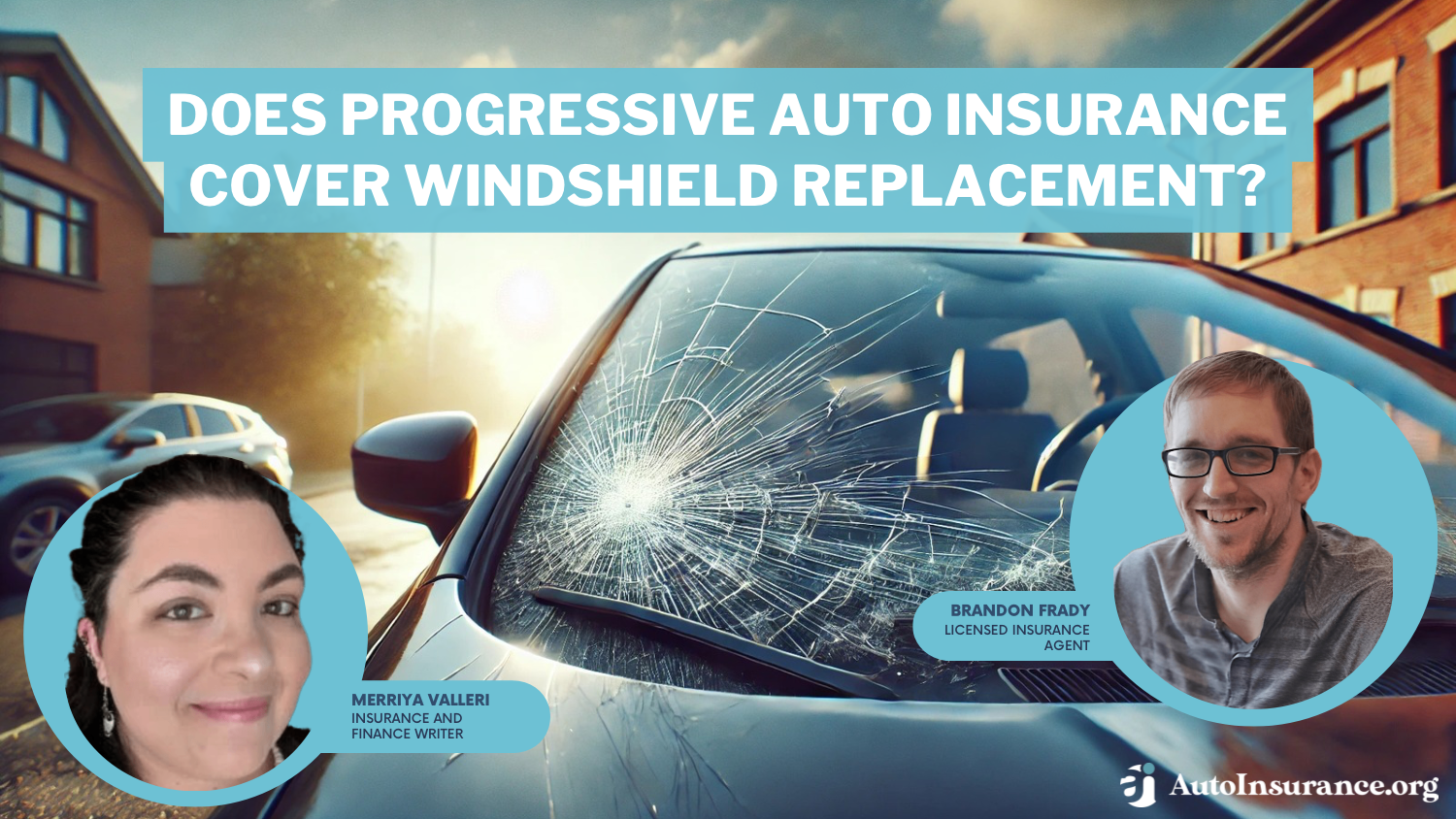
What type of car insurance covers a broken windshield?
Comprehensive coverage is the most common part of a US auto policy that covers non-crash windshield damage. It is optional in most states, but a lender or leasing company may require it.
Comprehensive coverage can apply when damage results from events such as:
- A rock or road debris hitting the glass
- Hail, wind, or falling branches
- Theft or attempted theft
- Vandalism
- Fire
- Flood
- An animal strike, depending on the facts
- Other sudden events not caused by a collision
Collision coverage may apply if the windshield breaks during a crash with another vehicle or object. For example, if you hit a guardrail and the windshield cracks, the claim may fall under collision coverage rather than comprehensive coverage.
Liability coverage generally does not cover your windshield. However, if another driver caused the crash, that driver’s property-damage liability coverage may pay for your loss. The other driver must have enough insurance, and fault rules can vary by state.
Some insurers also sell a separate full glass coverage endorsement. This may reduce or remove the comprehensive deductible for certain glass claims. The endorsement may cover the windshield, side windows, rear glass, or other listed glass parts. The exact terms depend on the policy.
The National Association of Insurance Commissioners (NAIC) explains the main roles of liability, collision, and comprehensive coverage in its consumer auto insurance guidance: NAIC Auto Insurance.
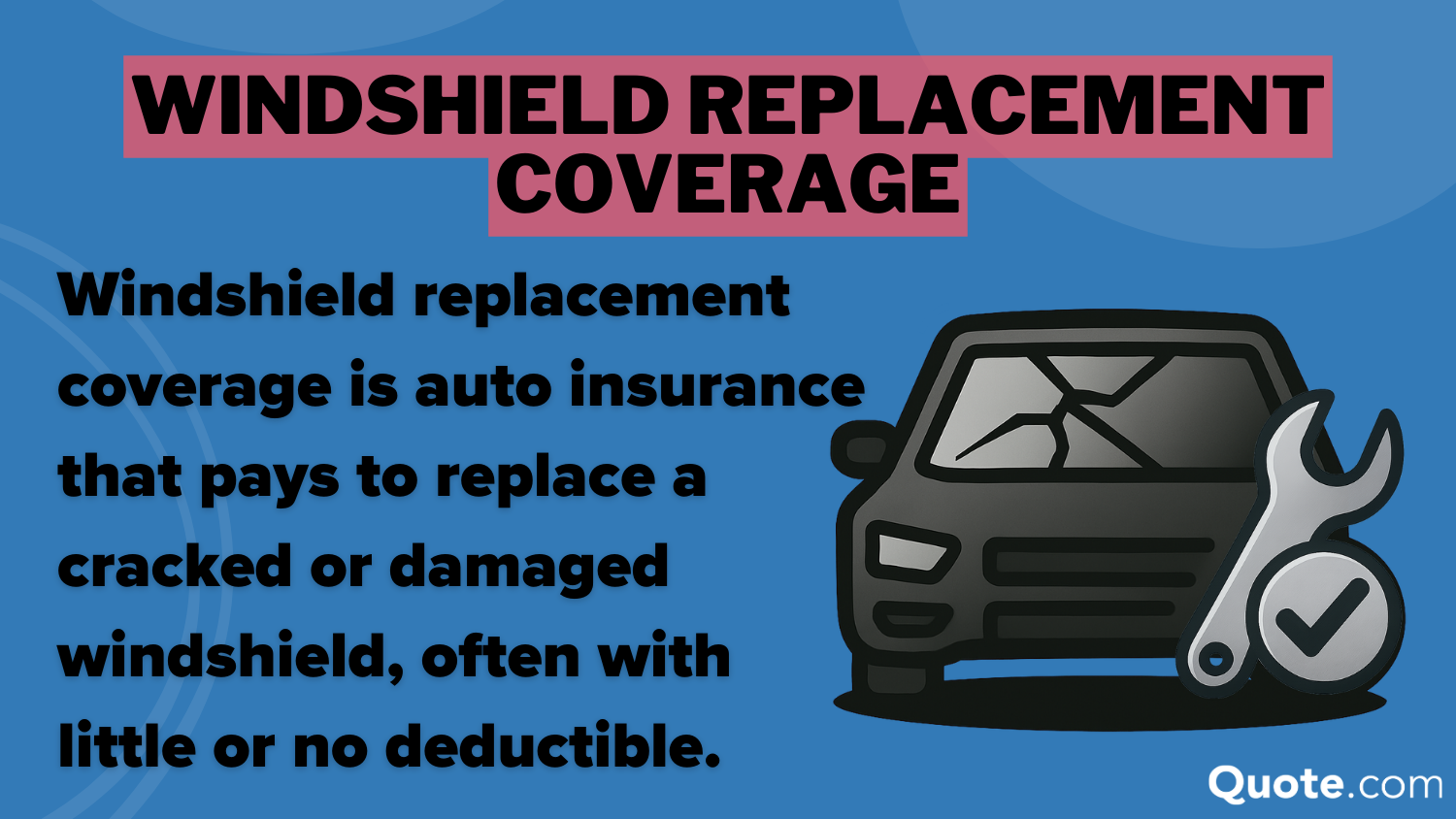
Does insurance pay for windshield repair or replacement?
Insurance may pay for either repair or replacement, but the insurer may first require an inspection or ask a glass company to assess the damage.
A small chip can often be repaired. A large crack, damage near the edge, or damage in the driver’s main view may require replacement. The decision should be based on the glass company’s inspection and the vehicle maker’s safety guidance, not only on cost.
Coverage often works like this:
- The insurer confirms that your policy covers the cause of damage.
- The insurer checks your deductible.
- A glass provider inspects the windshield.
- The provider recommends repair or replacement.
- The insurer pays the covered amount after the deductible and policy limits are applied.
A simple deductible example
Suppose windshield replacement costs $700 and your comprehensive deductible is $500.
- Replacement cost: $700
- Comprehensive deductible: $500
- Possible insurer payment: $200
- Possible out-of-pocket cost: $500
If your policy has a $0 glass deductible or a separate glass endorsement, your cost may be lower. If the replacement costs less than your deductible, filing a claim may not produce an insurance payment.
This is only an example. Prices vary by vehicle, location, glass type, labor, sensors, and calibration needs.
When should you file a windshield insurance claim?
File a claim when the expected covered benefit is greater than the deductible and the damage may affect safety. Do not delay a repair simply to avoid a claim if the crack can spread or obstruct your view.
Before filing, check these points:
- What caused the damage?
- Do you have comprehensive or collision coverage?
- What deductible applies?
- Does your policy include separate glass coverage?
- Is the damage repairable?
- Does the windshield contain cameras, sensors, heating elements, or antenna parts?
- Could the claim affect your future premium or claim history?
- Does your state restrict how an insurer handles glass claims?
A claim may be less useful when the replacement cost is close to or below your deductible. You can ask a glass shop for a written estimate before deciding. You can also ask your insurer whether a coverage inquiry will be recorded as a claim.
Do not assume that a glass claim can never affect your rates. Insurers use different rating rules, and state law can limit how certain claims affect premiums. Ask your insurance company for a direct answer before authorizing work.

What is the difference between OEM and aftermarket windshield glass?
The windshield must meet applicable safety standards and fit the vehicle correctly, but the exact glass choice may affect features, cost, and calibration.
- OEM glass is made by the original equipment manufacturer or to its specification.
- Aftermarket glass is made by another company.
- Like-kind and quality glass is a term insurers may use for replacement glass that meets required standards and fits the vehicle.
Some windshields include more than a sheet of glass. They may contain or support:
- Forward-facing cameras
- Rain or light sensors
- Lane-departure systems
- Automatic emergency braking sensors
- Heating elements
- Head-up display components
- Antennas
- Special tint or acoustic layers
Your policy may allow the insurer to choose a comparable replacement part. State law and policy language may affect whether you can request OEM glass or pay the price difference.
Ask these questions before work begins:
- Is the proposed glass OEM or aftermarket?
- Does it support every feature on the original windshield?
- Will the vehicle need camera or sensor calibration?
- Is calibration included in the estimate?
- What warranty covers leaks, wind noise, defects, and installation?
- Will the glass company follow the vehicle manufacturer’s repair procedure?
The cheapest glass is not always the lowest-cost option if it causes sensor faults, extra work, or a second visit.
Does windshield replacement require ADAS calibration?
Many vehicles need calibration after windshield replacement when a camera or sensor is mounted to, behind, or aligned through the windshield.
ADAS means advanced driver assistance systems. These systems can support features such as lane keeping, forward collision warnings, and automatic emergency braking. A windshield camera may need to be aligned after the glass is removed and replaced.
Calibration can involve:
- A static calibration with special targets
- A dynamic calibration during a road drive
- Both methods
- A diagnostic scan to confirm that systems work
The correct method depends on the vehicle’s year, make, model, trim, and equipment. Some vehicles also require calibration after a camera mount is disturbed or after certain alignment changes.
Ask the repair provider to confirm:
- Whether your vehicle has a windshield-mounted camera
- Whether calibration is required
- Which calibration method is needed
- Whether the cost is included
- Whether you will receive a calibration report
The National Highway Traffic Safety Administration describes driver-assistance technology and its limits in its consumer guidance: NHTSA Driver Assistance Technologies.
A warning light, missing lane markings on the display, or a disabled safety feature after replacement is a reason to stop relying on that feature and contact the repair provider. Calibration is not a minor add-on when the windshield supports a safety system.

How to get windshield replacement covered by insurance
Use this process to reduce delays and unexpected charges.
1. Protect the damaged area
If the glass is cracked, avoid pressing on it or pouring hot or cold water over it. Keep the vehicle out of harsh weather when practical. A temporary clear cover may help keep out dirt, but it is not a repair.
Do not drive if the crack blocks your view, the glass is loose, or the windshield may fail. Use a safe alternative, such as towing, when needed.
2. Identify the cause
Write down when and how the damage occurred. Take clear photographs from inside and outside the vehicle. Note the road, weather, location, and any crash details.
A rock strike and a collision may use different coverage. Accurate details help the insurer apply the correct part of the policy.
3. Review your policy
Look for:
- Comprehensive coverage
- Collision coverage
- Glass coverage or a glass endorsement
- The deductible
- Policy exclusions
- Any preferred repair network terms
- Notice requirements
Your declarations page shows the coverage you bought, but the full policy contains the definitions and exclusions.
4. Contact the insurer
Ask:
- Is this damage covered?
- Which coverage applies?
- What deductible will I pay?
- Do I need an inspection?
- May I choose the repair shop?
- Does the insurer require a network provider?
- Is OEM glass covered?
- Is ADAS calibration covered?
- Could the claim affect my premium?
Request the answer in writing when the cost or coverage is unclear.
5. Choose a qualified repair provider
Use a provider that can identify your vehicle’s glass features and perform or arrange required calibration. Confirm the total price before work starts.
A provider should not pressure you to sign an assignment of benefits or authorize unrelated work without explaining it. Read any form that transfers control of the insurance claim.
6. Check the finished work
Before leaving, inspect the windshield for:
- Cracks, chips, or distortion
- Gaps or lifted trim
- Wind noise
- Water leaks
- Loose molding
- Warning lights
- Camera or sensor errors
Follow the provider’s instructions about curing time. Adhesive must set properly before the vehicle is driven at normal speeds.

What can cause a windshield claim to be denied?
A claim may be denied or limited when the facts do not fit the policy. Common reasons include:
- You do not carry comprehensive or collision coverage.
- The damage falls below the deductible.
- The policy excludes the event.
- The glass was damaged intentionally by the policyholder.
- The damage occurred before the policy began.
- The policy lapsed when the damage happened.
- The claim involves fraud or inaccurate information.
- The repair includes an upgrade not covered by the policy.
- The requested provider or procedure conflicts with policy terms.
- The loss involves a commercial or rideshare use not covered by the policy.
A denial does not always mean the insurer is correct. Ask for the reason in writing and identify the policy section used. You can then request reconsideration, submit photographs and repair records, or contact your state insurance department for consumer assistance.
State insurance departments regulate insurance within their jurisdictions. The NAIC provides links to state insurance departments through its consumer resources: NAIC State Insurance Departments.

Can you drive with a cracked windshield?
A small chip may not prevent safe travel, but a crack can spread and reduce visibility. The safe choice depends on the crack’s location, size, depth, and effect on the vehicle’s structure and view.
Avoid driving when:
- The crack crosses the driver’s direct line of sight
- The windshield is loose or separating
- The glass has sharp edges
- A large area is shattered
- A camera or sensor warning appears
- The damage makes it hard to see
- The windshield may fail in a crash
Windshield glass helps support the roof structure and works with passenger restraints and airbags. Proper installation matters. A poorly fitted windshield can leak, create wind noise, or affect safety systems.
State laws also differ on windshield condition and driver visibility. If you are unsure, ask a qualified glass professional or follow your state’s vehicle safety rules.
Windshield insurance coverage by situation
The table below shows how coverage commonly works in the United States. Your policy and state rules control the final result.
| Situation | Coverage that may apply | Key issue |
|---|---|---|
| Rock hits the windshield | Comprehensive | Deductible and glass terms |
| Hail breaks the windshield | Comprehensive | Weather damage must be covered |
| You hit another car | Collision | Your collision deductible may apply |
| Another driver causes the crash | Other driver’s liability coverage | Fault and available limits |
| Someone vandalizes the glass | Comprehensive | Police report may help document the loss |
| A tree branch falls on the car | Comprehensive | Cause and deductible |
| The windshield is stolen or damaged during theft | Comprehensive | Policy definitions and evidence |
| Wear, poor installation, or an old crack | Often excluded or limited | Damage must be sudden and accidental |
| No comprehensive or collision coverage | Usually no first-party payment | Liability does not cover your own car |
The word may matters. Insurance contracts differ, and a claim can involve more than one coverage when several events occur.
Common mistakes to avoid
Waiting too long
A small chip can spread after temperature changes, vibration, or another impact. Prompt inspection may allow a repair instead of a replacement.
Assuming “full coverage” means free glass service
“Full coverage” is an informal phrase. It usually refers to a combination of liability, collision, and comprehensive coverage. It does not guarantee a $0 deductible or unlimited glass benefits.
Ignoring calibration
A new windshield can look correct while a camera system still needs calibration. Ask about this before the installation, not after a warning light appears.
Authorizing work without a total price
Ask for the replacement cost, deductible, calibration charge, taxes, mobile service fee, and any upgrade cost. Get the estimate in writing.
Choosing glass based only on price
Confirm that the glass supports the vehicle’s cameras, sensors, display, antenna, tint, and other original features.
Giving unclear claim details
State what happened accurately. Do not guess, change dates, or describe a rock strike as a crash. Incorrect information can delay or jeopardize a claim.
Frequently asked questions
Does comprehensive insurance cover a cracked windshield?
Often, yes, when the crack resulted from a sudden event such as road debris, hail, vandalism, or a falling object. Your deductible and policy exclusions still apply.
Does car insurance cover windshield replacement with no deductible?
Sometimes. A policy may include a separate glass endorsement or a $0 glass deductible. Many policies apply the standard comprehensive deductible. Check your policy rather than relying on the phrase “full coverage.”
Will a windshield claim raise my insurance rate?
It can, but the effect depends on the insurer, state, claim history, and policy rules. Ask your insurer how a glass claim is treated before filing, especially when the repair cost is close to your deductible.
Can I choose my own windshield replacement company?
The answer depends on state law, insurer procedures, and policy terms. An insurer may recommend a network provider, but you should ask whether you can use another qualified shop and whether that choice changes your cost.
Does insurance cover windshield calibration?
Calibration may be covered when it is part of a covered replacement, but policies and claim procedures differ. Confirm that calibration is included in the estimate and approved before work begins.
Conclusion: Check your coverage before replacing the glass
Car insurance can cover windshield replacement in the US, but there is no single answer for every driver. Comprehensive coverage commonly applies to non-crash glass damage, while collision coverage may apply after an accident. Liability coverage usually pays for damage to someone else’s vehicle, not your own windshield.
Check your coverage, deductible, glass terms, and calibration requirements before authorizing work. If the damage affects your view or a vehicle safety system, arrange a prompt inspection and avoid driving until the vehicle is safe.
