How Do They Get Cars Into Malls: The Surprising Process
Cars usually enter U.S. malls through a loading dock, service corridor, freight elevator, or a temporarily opened storefront. If the display is near a ground-level entrance, staff may drive the car inside during closed hours. For upper floors, crews may use a large freight elevator or lift the vehicle through an opening with a crane.
The car is often prepared for indoor display first. Staff may drain fuel, disconnect the battery, protect the floor, check door widths, and obtain approval from mall management, the fire marshal, and the vehicle owner.
This guide explains how car dealerships, event teams, and mall operators move vehicles indoors in the United States.

The Main Ways Cars Enter a Mall
Most mall car displays use one of five access methods. The choice depends on the mall’s layout, the vehicle’s size and weight, fire rules, and the display location.
1. Through a loading dock
A loading dock is the most common route for a car entering a mall.
Many U.S. malls have rear service roads that connect to loading bays. These docks are built for delivery trucks and often lead to wide service corridors. A crew can unload the car from a trailer, remove temporary barriers, and guide it toward the display area.
This route works best when:
- The display is on the ground floor.
- The service corridor is wide enough.
- The car can pass through each door and turn.
- The floor can support the car and transport equipment.
- The mall can close the route to shoppers.
The car may travel on its own power, but many teams push or tow it instead. Moving it without starting the engine reduces exhaust, noise, and the risk of a collision.
2. Through a freight elevator
A freight elevator can move a car to another floor if its size and weight limits allow it.
The elevator must fit more than the car’s length and width. Crews also need room to open doors, place wheel chocks, and position a winch or tug. The elevator’s rated capacity must cover the vehicle, equipment, and people inside it.
For example, a 4,000-pound car does not leave much room under a 5,000-pound elevator limit once workers add ramps and moving gear. The team must use the actual rated capacity shown on the elevator, not a guess based on the car’s curb weight.
A freight elevator may be unsuitable when:
- The elevator door is too narrow.
- The car has a low front bumper.
- The elevator floor is not level with the corridor.
- The elevator has a low weight rating.
- The turning space outside the elevator is too tight.
- Local fire or building rules restrict indoor vehicle storage.
3. Through a temporary opening
A mall can sometimes remove a glass door, storefront panel, or section of a temporary wall.
This method is useful when the display sits near a main entrance or retail unit. Crews may remove the doors from their hinges, take out mullions or glass panels, or dismantle part of a partition. A qualified contractor then restores the opening after the car is inside.
The opening must be measured at its narrowest point. Crews also check the height of door closers, sprinkler heads, signs, railings, and ceiling features. A car that fits on paper may still fail to pass because of its mirrors or turning angle.
4. Through a parking garage
Some malls have a parking garage connected to the retail building.
A display vehicle may enter through the garage and then move through a wide pedestrian entrance or service route. This can be easier than using a loading dock if the garage has a direct connection to the display area.
The team still needs to check:
- Garage height clearance
- Ramp slope
- Turning radius
- Floor loading
- Speed limits and traffic control
- Access hours
- Fire protection requirements
A tall vehicle, such as a full-size van or pickup with roof equipment, may not fit even when a normal car does.
5. By crane or specialized lifting equipment
A crane may be used when normal routes do not work.
This can happen when a vehicle must reach an upper floor or a large atrium with no usable freight elevator. The crew may open a section of roof, wall, or glass façade, then lift the vehicle into position.
This is a high-risk and high-cost method. It requires an engineered lift plan, trained operators, a controlled work zone, weather checks, and permits when required. It is not a casual way to move a car into a mall.

Why Malls Do Not Simply Drive Cars Through the Front Door
Driving through a public entrance is usually not the first choice. Mall entrances often have narrow doors, raised thresholds, glass walls, security posts, decorative rails, and heavy pedestrian traffic.
A car also needs enough space to turn. The team must consider the vehicle’s full swept path, which is the area occupied as it turns. The front and rear corners may swing wider than the tires suggest.
Mall floors create another concern. A vehicle’s total weight is not the only issue. Weight is concentrated at the four tires, so the team must consider the load at each tire and the condition of the floor beneath it.
Before a car enters, the crew may review:
- Door and corridor measurements
- Vehicle width, length, height, and curb weight
- Tire load and floor protection
- Elevator capacity
- Turning radius
- Ramp angles
- Fire sprinkler clearance
- Emergency exit access
- Public separation
- Insurance requirements
A normal shopping entrance may look large enough from the outside but still be too tight for a car and its escort team.
How a Mall Car Display Is Planned
A mall car move usually begins several days or weeks before the event. The dealership, display contractor, property manager, and sometimes local authorities review the plan together.
Step 1: Inspect the route
The crew measures the complete path from the truck to the display site.
They check the route in sections:
- Trailer unloading area
- Loading dock or entrance
- Service corridor
- Elevator or ramp
- Retail-floor access point
- Final display location
The team must measure the narrowest point, the lowest ceiling, and the sharpest turn. It also checks whether doors can stay open and whether a wall or fixture must move.
Step 2: Confirm the vehicle details
The team records the vehicle’s exact dimensions and weight. It also considers features that can change the fit, such as:
- Side mirrors
- Roof rails
- Spoilers
- Open liftgates
- Low ground clearance
- Oversized tires
- Display stands or branding panels
A vehicle’s published dimensions may not include every accessory used for the display. The crew should measure the actual vehicle.
Step 3: Review building and fire requirements
The mall operator checks local requirements before the vehicle arrives.
A mall may need approval from its fire protection authority, building department, insurer, or property owner. Requirements vary by city, state, building type, and event plan.
Common issues include:
- Fuel quantity
- Battery connection
- Fire extinguisher placement
- Distance from exits
- Distance from sprinklers
- Protection of public walkways
- Emergency access
- After-hours work rules
The National Fire Protection Association publishes fire safety standards used by many authorities, but the local authority having jurisdiction decides which rules apply to a specific site.
Step 4: Protect the building
Crews protect surfaces before moving the car.
They may use:
- Plywood or composite floor panels
- Rubber mats
- Carpet protection
- Corner guards
- Wall padding
- Wheel covers
- Temporary ramps
Floor protection helps spread loads and prevents tire marks, oil stains, scratches, and damage from a winch or pallet jack.
Step 5: Move the vehicle during a controlled window
Most indoor vehicle moves happen before the mall opens or after it closes.
The mall may block nearby corridors and assign workers to watch each turn. One person guides the driver or tug operator, while other workers watch clearances at the front, rear, and sides.
The vehicle should move slowly. A spotter should never stand between the car and a wall, door, vehicle, or fixed object.
Step 6: Secure the display
Once the car reaches its spot, the crew places it on the approved display surface.
They may use wheel chocks, parking blocks, or a display platform. The car is then positioned so that shoppers cannot enter unsafe areas or reach moving parts.
A barrier should leave enough space for people to walk safely and for mall staff to reach exits and fire equipment.

Do They Drive the Car Inside or Push It?
They may do either, but pushing or towing is often easier to control.
Driving the car inside can save time when the route is open and the building permits engine operation. However, exhaust fumes, tire marks, noise, and accidental acceleration create added risks.
A crew may instead:
- Push the car by hand on level flooring
- Use a low-speed electric tug
- Pull it with a winch
- Use a tow bar
- Move it on a vehicle dolly
The method depends on the floor, slope, vehicle type, and available equipment. A car should not be pushed by untrained workers, especially on a ramp or near a drop-off.
If the car must be driven, the operator may use a very short route and shut the engine off as soon as the car reaches the display area. Indoor engine use should follow the mall’s safety plan and local rules.
How Cars Are Prepared for Indoor Display
A display vehicle is often prepared differently from a normal car on a dealership lot.
Fuel and fluids
The amount of fuel allowed inside depends on the mall’s rules and local fire requirements. Some displays use a nearly empty fuel tank. Others may require the fuel system to be drained by a qualified technician.
Fuel should never be drained casually inside a mall. Gasoline vapors can ignite, and spilled fuel can damage flooring or create a serious hazard.
The crew may also check for leaks from:
- Engine oil
- Transmission fluid
- Coolant
- Brake fluid
- Battery electrolyte
A vehicle with a leak should not enter the building until it is repaired and inspected.
Battery and electrical systems
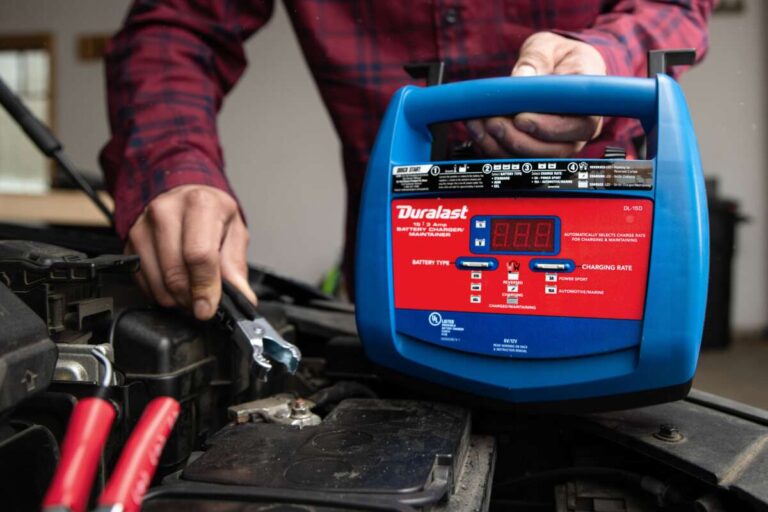
The team may disconnect the 12-volt battery or use another approved method to prevent the vehicle from starting.
Disconnecting the battery can affect the alarm, power locks, tailgate, windows, and electronic systems. Some modern cars may need a specific shutdown procedure. The owner’s manual or manufacturer guidance should control that work.
Electric vehicles need special planning. They do not use gasoline, but they contain high-voltage batteries. A display team must follow the manufacturer’s handling guidance and keep a damaged or flooded electric vehicle out of the building.
Tires and floor protection
Clean tires reduce marks on polished floors. Crews may place mats beneath the tires or use a display platform.
The team should also confirm that the tire pressure is suitable for the vehicle and that the car will not move when people lean against it or open a door.
Doors, windows, and keys
The doors may remain locked, or staff may use a controlled access policy. If shoppers can sit inside the vehicle, the display needs closer supervision.
A vehicle with an automatic liftgate, power seats, or powered doors can drain its battery if left active for long periods. Staff should follow a set schedule for battery checks.
What Equipment Helps Move a Car Into a Mall?
The exact equipment depends on the route. Common tools include:
| Equipment | Main use | Key limit |
|---|---|---|
| Vehicle dolly | Moves a car with limited engine use | Needs a suitable floor and secure attachment |
| Electric tug | Pulls a car at low speed | Requires trained operation and enough clearance |
| Winch | Pulls a car through a tight route | Needs a rated anchor point and controlled tension |
| Floor panels | Spread load and protect the floor | Must be rated for the expected load |
| Wheel chocks | Prevent movement | Must fit the tire and surface |
| Corner guards | Protect walls and door frames | Do not replace a proper spotter |
| Forklift or telehandler | Handles some special moves | Requires trained operators and approved lifting points |
| Crane | Lifts a vehicle through an opening | Needs an engineered lift plan and controlled area |
The crew should use equipment with a capacity above the expected load. It must also be compatible with the vehicle’s tires, frame, suspension, and approved lifting points.
A Simple Route Check for Mall Managers
A route check can prevent most last-minute problems.
Use this basic order:
- Measure the vehicle at its widest and tallest points.
- Measure every door, corridor, ramp, and elevator entrance.
- Record the tightest turn.
- Check the elevator’s rated capacity and usable interior size.
- Confirm floor protection and load limits.
- Check sprinklers, signs, lights, railings, and low ceilings.
- Confirm fire and insurance requirements.
- Decide whether the car will drive, roll, tow, or lift.
- Set a closed-hours work window.
- Write a recovery plan if the car becomes stuck.
A route is not ready just because the car fits through the first door. The full path must work in both directions if the vehicle will later leave the mall.

Common Problems and How Crews Solve Them
The car fits the door but cannot make the turn
This is a common mistake. The crew may need to remove a door, change the approach angle, use a dolly, or select another entrance.
The freight elevator is large enough but not strong enough
The elevator’s weight limit may include the vehicle, equipment, and people. If the total is too close to the limit, the team should use another route or obtain approval from the elevator service provider.
The floor is vulnerable to tire or fluid damage
Use approved floor panels and leak protection. Do not place absorbent material under a leaking car and treat the move as complete. Repair the leak first.
The vehicle is too low for the ramp
A low sports car may scrape at a dock plate, threshold, or elevator transition. A temporary ramp with a gentle angle may help, but it must be designed for the vehicle’s weight and wheel spacing.
The mall cannot meet fuel restrictions
The team may use a factory-sealed display vehicle, a non-running promotional shell, or a different display plan. A decorative vehicle shell can be safer than trying to bring a fully operational car inside.
A crane lift is suggested without a formal plan
Do not proceed. A crane lift should involve qualified professionals, a lift plan, site control, structural review, weather limits, and the required permits.
Who Is Responsible for the Move?
Responsibility is shared, but the roles should be clear in writing.
- Mall management controls the building, access, schedules, and tenant coordination.
- The dealership or vehicle owner provides accurate vehicle data and confirms the vehicle’s condition.
- The display contractor plans the route and supplies trained movers.
- The elevator contractor confirms elevator use and operating limits.
- The fire authority or building official reviews requirements within its authority.
- The insurer confirms coverage and may require specific controls.
- The crane or rigging company handles engineered lifting work when needed.
A signed plan should identify who can stop the move. Any worker should be able to halt the operation when a clearance, floor, weather, or equipment problem appears.

How Much Does It Cost to Put a Car in a Mall?
There is no standard price. A simple after-hours move through a loading dock may cost far less than a crane lift or major building alteration.
The main cost factors include:
- Labor hours
- After-hours mall access
- Transportation
- Vehicle preparation
- Floor and wall protection
- Elevator use
- Temporary door or wall removal
- Security staff
- Insurance
- Permits
- Crane, rigging, or specialized equipment
- Restoration after the display
A hypothetical example shows the difference. A ground-floor display may need a truck, two or three trained movers, basic floor protection, and several hours of labor. An upper-floor display with a crane may also need structural review, traffic control, rigging design, permits, and restoration work.
Because site conditions vary so much, a contractor should inspect the actual mall before giving a firm estimate.
Safety Rules Visitors Should Know
Shoppers should never try to move or enter a mall display vehicle without permission.
Keep clear of:
- Loading docks
- Service corridors
- Freight elevators
- Temporary barriers
- Crane work zones
- Vehicles being pushed or towed
Parents should watch children near display cars. A vehicle can move even when its engine is off if it sits on a slope or loses a chock.
Mall staff should keep emergency exits, fire equipment, and accessible routes open. A display that blocks a required route may need to be moved, even if it looks attractive and stable.

Frequently Asked Questions
Can a car really drive through a mall entrance?
Yes, but only when the entrance, floor, route, and safety plan allow it. Many cars enter through a loading dock or service entrance instead because public doors have tight clearances and create more pedestrian risk.
Do malls remove doors or walls to bring cars inside?
Sometimes. Crews may remove glass doors, storefront panels, or temporary walls. The opening must be measured, and qualified workers should restore the building after the vehicle is in place.
Can any car go up a mall freight elevator?
No. The vehicle must fit the elevator and stay within its rated capacity. The team must also account for moving equipment, workers, door clearance, turning space, and the elevator’s operating rules.
Are cars displayed inside malls full of gasoline?
Not always. Fuel limits vary by the site’s fire plan and local requirements. Some vehicles have very little fuel, while others may be prepared as non-running display units. Fuel should be handled only under an approved safety procedure.
How do electric vehicles differ in this process?
Electric vehicles avoid gasoline fumes but still require careful handling. The display team must consider high-voltage systems, battery condition, charging access, and the manufacturer’s instructions. A damaged or flooded electric vehicle should not be brought indoors.

Conclusion: The Car Usually Takes a Hidden Route
Cars get into malls through service routes more often than public entrances. The usual path is a loading dock, freight corridor, or freight elevator, with temporary door removal or crane lifting used when the normal route will not work.
The key is careful planning. Crews measure the full route, check floor and elevator limits, protect the building, prepare the vehicle, control public access, and follow local fire and building requirements.
If you are planning a mall car display, start with a site survey. Measure the actual vehicle and every part of the route, then ask the mall manager and qualified moving contractor to approve the plan before booking transportation.