

Use your car’s defroster, warm air, and a plastic scraper to clear ice without cracking the glass.
Learning how do you defrost a car window safely can save time on cold mornings and protect your windshield from damage. The right method is simple: remove loose snow, start the defroster, let the ice soften, and scrape gently. This guide explains the safest steps, common mistakes, useful tools, and proven ways to prevent frost from returning.
How do you defrost a car window safely?
The safest way to defrost a car window is to combine heat, airflow, and gentle scraping. Do not rush the process with boiling water or sharp tools. A sudden temperature change can damage the glass, while metal tools may leave deep scratches.
Follow these steps:
- Remove loose snow first. Use a soft snow brush or your gloved hand. Clear the roof, hood, mirrors, lights, and windows.
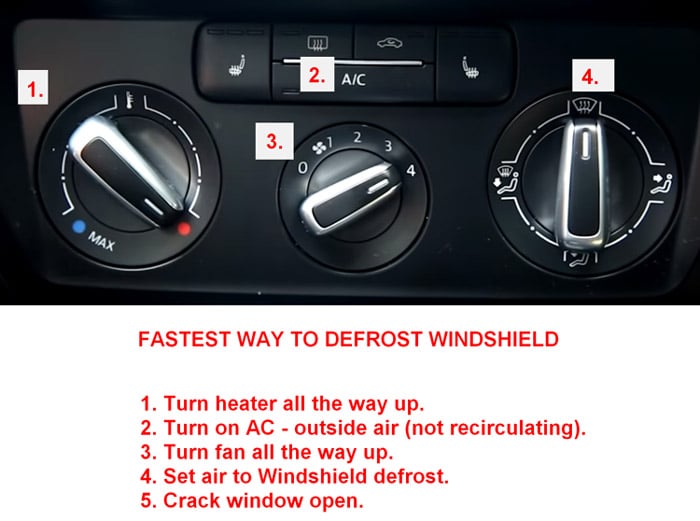
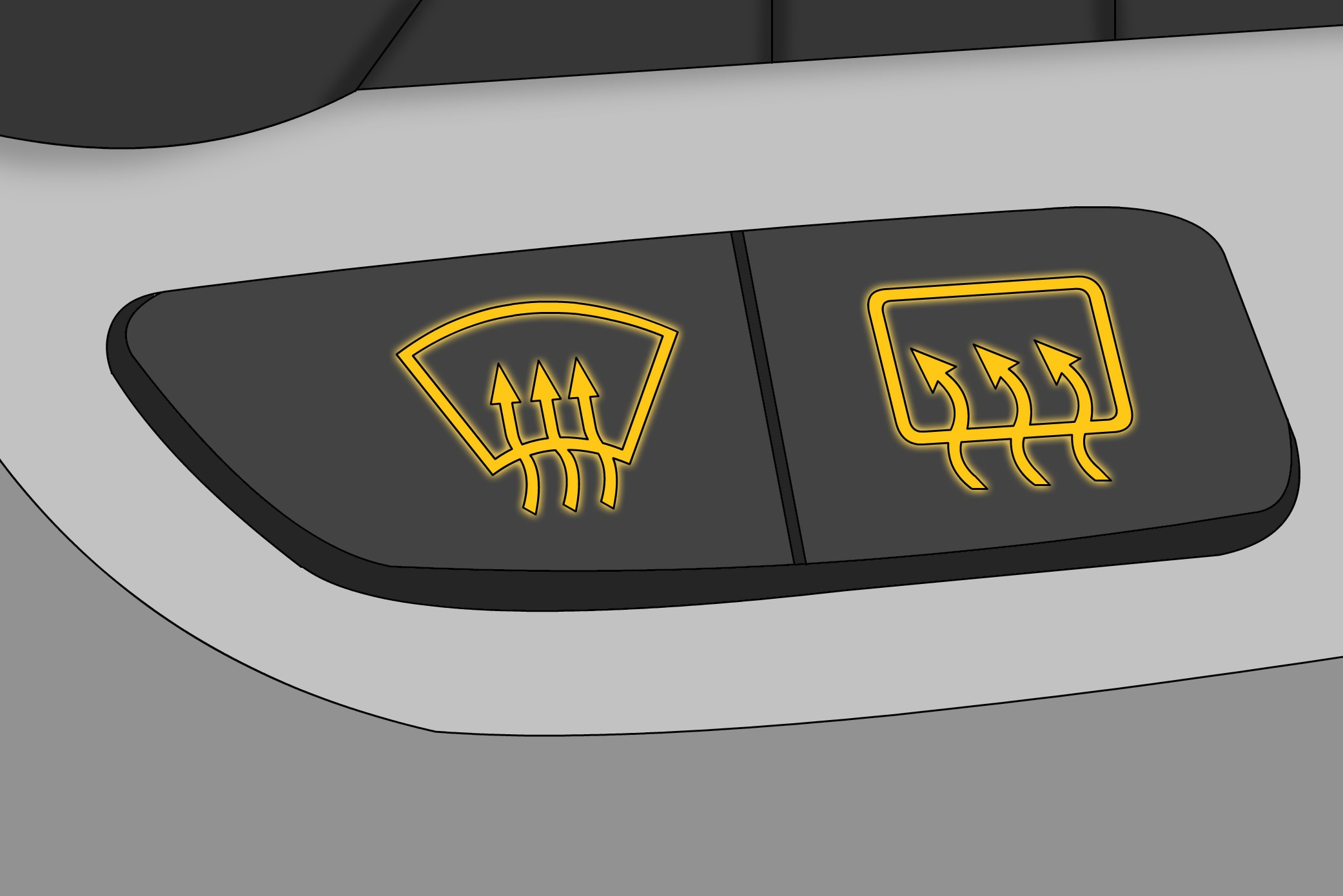
- Start the engine and turn on the front defroster. Set the heat to warm or hot, and use a low or medium fan speed at first.
- Turn off the air recirculation setting. Fresh air helps remove moisture from inside the vehicle.
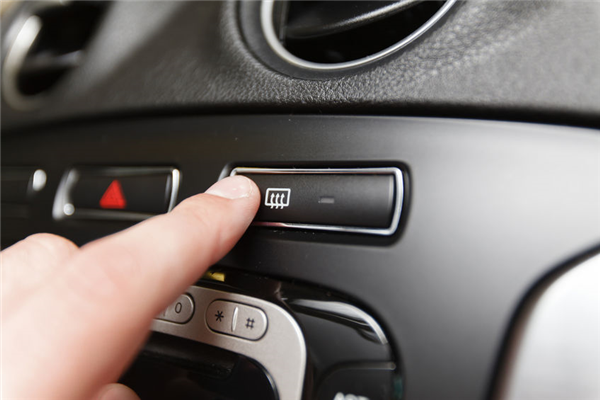
- Turn on the rear defroster. Many rear windows have thin heating wires that melt frost.
- Wait a few minutes. Let the glass warm slowly before scraping.
- Use a plastic ice scraper. Push the ice away with short, steady strokes.
- Clear all windows before driving. You need a full view through the windshield and side windows.
When people ask, “How do you defrost a car window quickly?” the answer is not to use more force. It is to use the right heat and let the glass warm at a safe rate.
Why car windows freeze
Car windows freeze when moisture touches cold glass and changes into ice. This moisture may come from rain, snow, fog, wet floor mats, or damp clothing inside the vehicle.
A clear night can make frost worse. The glass loses heat to the open sky and may become colder than the surrounding air. This is called radiational cooling. It explains why your car may have frost even when the weather app shows a temperature just above freezing.
Several conditions can cause a car window to freeze:
• Freezing rain creates a hard, smooth layer of ice.
• Overnight frost forms when moisture freezes on cold glass.
• Wet snow can freeze after it touches the windshield.
• Moist air inside the car can create ice on the interior surface.
• A damaged door seal may let water enter the cabin.
• Wet carpets and floor mats add moisture to the air.
Understanding the cause helps you choose the best way to defrost a car window. Outside ice usually needs a scraper and warm airflow. Inside frost points to excess moisture or poor ventilation.
The best tools for defrosting a car window
You do not need a large collection of tools. A few basic items can make winter mornings much easier.
Plastic ice scraper
Choose a scraper with a firm plastic edge. A wide scraper clears more glass with each pass. Avoid metal blades, keys, knives, and credit cards. They can scratch the windshield or damage the glass seal.
Snow brush
A snow brush removes loose snow before you work on the ice. Pick one with soft bristles and a long handle. A brush with a built-in scraper is useful, but keep the scraping edge plastic.
Washer fluid rated for winter
Use windshield washer fluid that is labeled for freezing weather. Summer washer fluid may freeze in the tank, hose, or spray nozzles. Check the label for the lowest temperature rating.
Remote start
Remote start can warm the cabin before you enter. However, never leave a running car unattended in a closed garage. Carbon monoxide can build up quickly and may be fatal.
Windshield cover
A windshield cover blocks frost, snow, and freezing rain. You can buy one or use a purpose-made insulated cover. Do not use a wet towel, since it can freeze to the glass and make the problem worse.
Clean microfiber cloth
A dry microfiber cloth can help remove light interior fog. Do not use it to wipe heavy ice from the outside. Small grit trapped in the ice may scratch the glass.
How to defrost a car window fast
When you are late, it is tempting to scrape hard or pour water over the windshield. A safer fast method uses several steps at once.
First, start the engine and set the front defroster to warm. Use the highest fan speed once warm air begins to flow. Turn on the rear defroster and heated mirrors if your car has them.
Next, brush away loose snow. Do not scrape thick snow and ice as one heavy layer. Remove the snow first, then work on the ice below it.
While the cabin warms, scrape the outer edges of the windshield. Ice often loosens there first because the glass warms from the inside out. Use a plastic scraper and work toward the center.
You can also use a commercial deicing spray. Follow the product label and avoid spraying it on rubber seals, painted surfaces, or sensitive trim unless the label says it is safe. A proper deicer may help with thin ice, but it will not replace the scraper during heavy freezing rain.
The fastest safe answer to how do you defrost a car window is to start early. Even five minutes can make a major difference.

Can you use hot water to defrost a car window?
Do not pour boiling water on a frozen car window. The sudden temperature change can create stress in the glass and may cause a crack. This risk is higher if the windshield already has a chip, pit, or small crack.
Even warm water is not ideal. It may melt the top layer of ice and then freeze again on the glass, the wipers, the door seals, or the ground around the car.
If you use a deicing solution, choose a product made for automotive glass. Some drivers mix rubbing alcohol and water, but home mixtures can damage paint, rubber, or coatings if used too often or in the wrong amounts. A labeled automotive product is the more predictable choice.
This is one of the most important lessons in learning how do you defrost a car window: speed should never come before glass safety.

How to defrost the inside of a car window
Interior frost often means moisture is trapped inside the vehicle. The defroster can clear it, but you should also reduce the source of the moisture.
Use this process:
- Start the engine and direct warm air toward the windshield.
- Turn off air recirculation.
- Turn on the air conditioner if your vehicle allows it with the heat setting. The air conditioner removes moisture from the air.
- Open a window slightly for a short time if the cabin air is very damp.
- Remove wet coats, boots, umbrellas, and floor mats when possible.
- Check for leaks around the doors, windshield, trunk, and sunroof.
- Replace a soaked cabin air filter if needed.
Do not drive while wiping the inside of the windshield with one hand. You need both hands for safe control, and a smeared windshield can create glare.
In my own winter driving, wet floor mats caused more interior fog than cold air did. Once the mats dried and the recirculation setting stayed off, the glass cleared much faster.

Common mistakes to avoid when defrosting windows
Many windshield problems happen because drivers use a shortcut. These mistakes may save a minute but create a larger repair bill later.
• Do not use boiling water. It can shock the glass and cause cracks.
• Do not use a knife, key, razor, or metal shovel. These tools can scratch the windshield.
• Do not pull frozen wipers from the glass. You may tear the rubber or damage the wiper motor.
• Do not force the wipers to move while they are frozen. Lift them only after the ice has loosened.
• Do not leave the car running in a closed garage. Carbon monoxide has no smell and can cause serious harm.
• Do not drive with a small cleared area. You need a clear view of the road, signs, pedestrians, and other vehicles.
• Do not use your windshield washer jets to melt thick ice. The fluid may freeze again and reduce visibility.
• Do not scrape with heavy pressure. Let the defroster and deicer do much of the work.
A windshield chip can spread when the glass experiences sudden heat or pressure. If you notice a crack growing, stop using extreme heat and arrange a professional inspection.

How to prevent frost on car windows
Prevention is easier than scraping ice in the dark. A few simple habits can reduce frost and shorten your morning routine.
Try these tips:
• Park in a garage when possible.
• Use a windshield cover before a freezing night.
• Park with the windshield facing away from the strongest wind.
• Lift the windshield wipers only if your vehicle manual allows it. Some modern wipers must be placed in a special service position first.
• Keep the inside of the glass clean. Dirt and oily film can hold moisture and create glare.
• Remove wet items from the cabin.
• Check door and trunk seals for damage.
• Use winter-rated washer fluid.
• Keep a scraper and snow brush in the vehicle, not buried in the trunk.
A covered windshield may need only a quick brush in the morning. This small habit is often more useful than searching for how do you defrost a car window after a thick layer of ice has already formed.

How long does it take to defrost a car window?
The time depends on the temperature, ice thickness, wind, vehicle size, and condition of the defroster. Light frost may clear in two to five minutes. Heavy ice or freezing rain may take 10 minutes or longer.
A healthy heating system should send warm air to the windshield after the engine reaches operating temperature. If the air stays cold, the cabin filter is blocked, the coolant level is low, the thermostat may have a problem, or the heating system may need service.
Never leave the vehicle unattended with the keys inside unless your vehicle has a secure remote-start system. Also, check local laws about idling. Some areas limit unnecessary idling because of air pollution and fuel waste.
If the defroster works slowly every morning, have the vehicle inspected. A recurring problem may not be caused by the weather alone.

Winter driving and visibility safety
A clear windshield is only one part of safe winter driving. Clear the side windows, mirrors, headlights, taillights, roof, and hood. Snow left on the roof can slide forward during braking or blow onto another driver’s windshield.
The National Highway Traffic Safety Administration warns that winter weather can reduce traction and visibility. Drive more slowly when roads are icy, leave extra space, and avoid sudden braking or steering.
After clearing the windows, check the wipers. Replace blades that leave streaks, skip across the glass, or have torn rubber. Keep the washer fluid reservoir full and make sure the spray nozzles are not blocked by ice.
A fully defrosted window gives you information. It does not make an icy road safe by itself. Good visibility and careful speed must work together.
A simple winter car kit
Keeping a small kit in your car can make how do you defrost a car window much easier during an unexpected freeze.
Pack these items:
• A sturdy plastic ice scraper
• A soft snow brush
• Winter-rated windshield washer fluid
• A pair of warm, waterproof gloves
• A flashlight or headlamp
• A windshield cover
• A clean microfiber cloth
• A phone charger
• A blanket for emergencies
Do not store aerosol deicer or other flammable products near extreme heat. Check product labels and follow the storage instructions.
It is also wise to keep the fuel tank at least partly full during severe weather. A running engine may be needed for heat during an emergency, but never run it in a closed or poorly ventilated space.
Frequently asked questions about how do you defrost a car window
What is the safest way to defrost a car window?
Start the engine, turn on the front and rear defrosters, and allow the glass to warm gradually. Remove loose snow, then use a plastic scraper on softened ice.
Can I use rubbing alcohol to defrost my windshield?
A commercial automotive deicer is the safest option because it is designed and labeled for vehicle use. Home alcohol mixtures may affect paint, rubber, or coatings if used incorrectly.
Why is my car window frozen on the inside?
Interior frost usually comes from moisture trapped in the cabin. Wet mats, snow-covered shoes, poor ventilation, or a water leak can raise interior humidity.
Should I use the air conditioner when defrosting?
Many vehicles can run the air conditioner with the heat selected. The air conditioner removes moisture, which can help clear fog and light interior frost more quickly.
Can I use my windshield wipers to remove ice?
Do not use frozen wipers to scrape ice. The rubber may tear, and the wiper motor can suffer damage; loosen the ice first with warm airflow and a plastic scraper.
How do I stop my windshield from freezing overnight?
Use a windshield cover, park indoors, and remove moisture from the cabin. Keeping the glass clean and using a winter cover can greatly reduce frost.
Is it safe to drive with only a small part of the windshield clear?
No. You need a clear view through the windshield and side windows before driving. A small viewing area can hide pedestrians, cyclists, signs, and other vehicles.
Conclusion
The safest answer to how do you defrost a car window is simple: remove loose snow, use the defroster, let the glass warm slowly, and scrape with plastic. Avoid boiling water, sharp tools, frozen wipers, and driving before every window is clear.
Prepare the night before with a windshield cover, winter washer fluid, and a reliable scraper. These small steps protect your glass and make cold mornings less stressful. Share your best winter car tip in the comments, or explore more vehicle maintenance guides before the next freeze.