
Nissan cars are often good value, but reliability and ownership costs vary by model and year.
The answer to “are Nissan a good car” is not simply yes or no. Nissan makes comfortable, affordable vehicles with useful safety features, but some models and older transmissions have earned a mixed reputation. This guide looks at Nissan reliability, safety, fuel use, repair costs, resale value, and the models that deserve your attention.

Are Nissan a Good Car Overall?
Nissan can be a good car for many drivers. The brand offers small sedans, family SUVs, electric vehicles, trucks, and sports cars. Its lineup also covers many budgets, from an affordable Versa to a large Pathfinder SUV.
The strongest Nissan models combine a smooth ride, simple controls, good fuel economy, and a long list of standard features. The main concern is that reliability can change sharply between models, engines, transmissions, and model years.
So, are Nissan a good car for you? It depends on what you buy and how well you maintain it. A well-kept Nissan with a proven powertrain can serve a family for many years. A poorly maintained model with a problem-prone transmission can become expensive.
Nissan’s reputation has also changed over time. Some older vehicles with continuously variable transmissions, known as CVTs, had more complaints than expected. Newer models often show improvements, but shoppers should still check the exact vehicle history before buying.
Key strengths include:
• Comfortable seats and calm rides in many models
• Competitive prices compared with some rivals
• Good technology and driver-assistance features
• Wide dealer and service coverage across the United States
• Strong fuel economy in smaller cars and hybrids
• Several useful SUVs for families and commuters
Common concerns include:
• Uneven reliability across the lineup
• CVT concerns in some older vehicles
• Average resale value in several segments
• Higher repair costs when routine maintenance is ignored
• Interior quality that may trail some Honda, Toyota, or Mazda rivals
Nissan Reliability: What Owners Should Know
Reliability means more than a car starting every morning. It includes engine health, transmission life, electrical systems, suspension parts, air conditioning, and the cost of fixing normal wear.
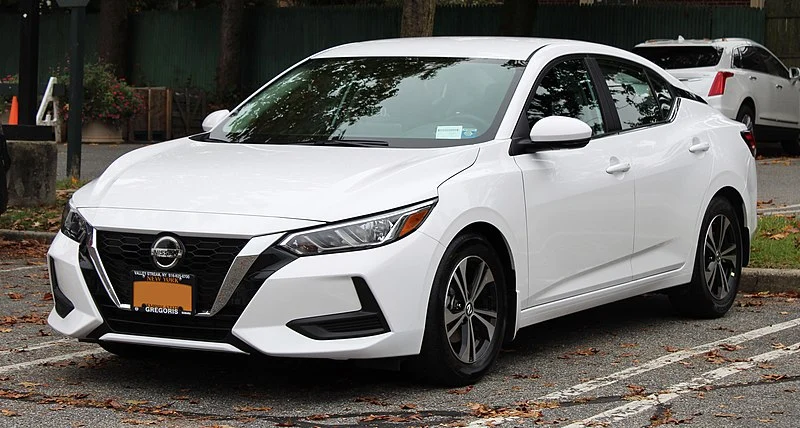
Nissan reliability is best judged by model and year, not by the badge alone. For example, a Nissan pickup may have a very different reliability record from a compact sedan. The engine, transmission, factory updates, and previous service all matter.
Many Nissan vehicles use a CVT. Unlike a traditional automatic transmission, a CVT does not shift through a fixed set of gears. It changes its ratio smoothly to improve fuel economy and reduce engine strain.
A CVT can work well when it receives the right service. Problems may occur when:
• The transmission fluid is never changed
• The vehicle is used for heavy towing beyond its limits
• The car suffers repeated overheating
• The owner ignores shuddering, slipping, or delayed acceleration
• A used vehicle has a poor service history
A transmission problem can cost several thousand dollars. That does not mean every Nissan CVT will fail. It means buyers should treat service records as seriously as the test drive.
Reliability reports from major automotive research groups show that Nissan results vary by model. Some Nissan vehicles score near the industry average, while others perform below highly rated competitors. Complaint databases also show that certain years may have more issues than later versions.
When asking are Nissan a good car, use this checklist:
- Search the exact model year, not just the Nissan brand.
- Check for recalls through the National Highway Traffic Safety Administration.
- Review service records and maintenance receipts.
- Ask whether the transmission fluid was serviced when recommended.
- Have an independent mechanic inspect the vehicle before purchase.
- Compare repair costs with similar Toyota, Honda, Mazda, Hyundai, and Kia models.

Are Nissan Cars Safe?
Most modern Nissan vehicles offer a solid set of safety features. Depending on the model and trim, you may find automatic emergency braking, lane departure alerts, blind-spot monitoring, rear cross-traffic alerts, adaptive cruise control, and a surround-view camera.
Safety ratings differ by vehicle and model year. A large SUV may protect passengers differently from a small sedan. Crash-test scores can also change after a redesign, so buyers should review the exact year and body style.
The Insurance Institute for Highway Safety and the National Highway Traffic Safety Administration test many Nissan models. Their results can help you compare crash protection, headlights, child-seat anchors, and driver-assistance systems.
Remember that safety technology is not a substitute for safe driving. Automatic braking may help prevent a crash, but it cannot replace attention, proper tires, or a safe following distance.
Families should pay close attention to:
• Rear-seat room and child-seat fit
• Crash-test results for the exact model year
• Blind-spot visibility
• Ease of using the driver-assistance controls
• Headlight performance at night
• Availability of all-wheel drive when needed
Nissan’s ProPILOT Assist system can reduce stress on highways in some models. It is a driver-support system, not a self-driving system. You must keep your eyes on the road and your hands ready to take control.

Best Nissan Models to Consider
Some Nissan models are better choices than others. The right option depends on your budget, family size, driving style, and need for cargo space.
Nissan Sentra
The Sentra is a compact sedan with a comfortable cabin and good fuel economy. It can be a sensible choice for commuting, especially when bought new or lightly used with complete maintenance records.
Its limits include modest acceleration and a cabin that may feel less refined than a Mazda3 or Honda Civic. It is best for drivers who value comfort and price over sporty handling.
Nissan Altima
The Altima offers a roomy cabin and a smooth ride. Certain versions also offer all-wheel drive, which can help drivers in areas with snow.
A used Altima deserves a careful inspection. Check the transmission response, oil level, warning lights, and service history. Avoid vehicles that shudder, hesitate, or show signs of neglected maintenance.
Nissan Rogue
The Rogue is one of Nissan’s most popular SUVs. It provides useful cargo space, a comfortable driving position, and good fuel economy for daily family use.
The Rogue can be a good Nissan car for commuters and small families. Still, buyers should research the exact engine and transmission combination. A pre-purchase inspection is especially important for older used Rogues.
Nissan Murano
The Murano focuses on comfort. Its quiet cabin and soft ride appeal to drivers who want a relaxed SUV rather than a sporty one.
It may cost more to maintain than a smaller Nissan. Fuel use, tire prices, and repair bills can also be higher. Make sure the vehicle’s age and condition match your budget.
Nissan Pathfinder
The Pathfinder is designed for families that need more space and towing ability. Newer versions offer a traditional automatic transmission, which may appeal to buyers who want to avoid some older CVT concerns.
Check the tow package, maintenance history, and four-wheel-drive system if you plan to pull a trailer. A large SUV can be costly when tires, brakes, and suspension parts need replacement.
Nissan Frontier
The Frontier is a midsize pickup with a traditional truck layout and useful off-road ability. It is often considered a straightforward choice for work, camping, and daily driving.
Before buying a used Frontier, inspect the frame, underbody, suspension, and towing equipment. Rust can be a major concern in states that use road salt.
Nissan Leaf
The Leaf is a practical electric car for drivers with access to home charging. It is quiet, easy to drive, and usually inexpensive to operate.
Battery condition is the key issue on a used Leaf. Battery capacity decreases over time, which reduces driving range. Ask for a battery health check before purchasing an older model.
Nissan Maintenance and Repair Costs
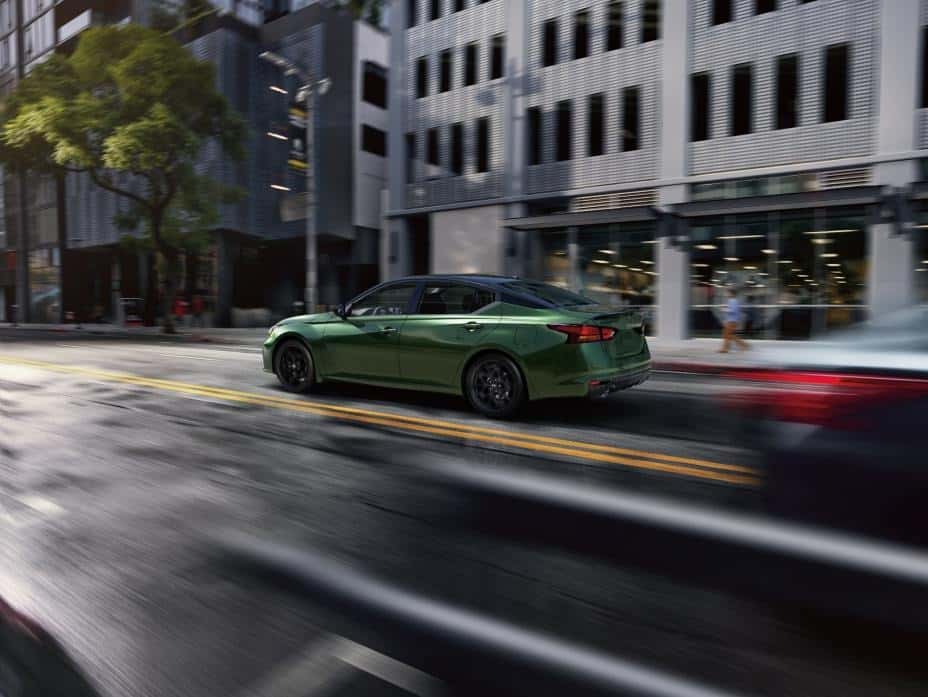
Nissan maintenance costs are often reasonable when the car receives regular service. Oil changes, tire rotations, brake inspections, filters, and fluid checks help prevent small issues from becoming large ones.
The cost of ownership depends on the model. A Versa may be cheaper to maintain than a Pathfinder or Armada. Performance models, turbocharged engines, four-wheel-drive systems, and electric battery repairs can also change the budget.
A smart Nissan maintenance plan includes:
• Change engine oil at the recommended interval
• Inspect tires and brakes at every service visit
• Follow the transmission-fluid schedule
• Replace engine and cabin air filters as needed
• Check coolant, brake fluid, and battery condition
• Repair dashboard warning lights quickly
• Keep records of all work performed
Do not rely only on the maintenance reminder in the dashboard. Severe use can require more frequent service. Severe conditions may include frequent short trips, extreme heat or cold, dusty roads, heavy traffic, towing, and mountain driving.
One lesson I often share with used-car buyers is simple: the cheapest Nissan is not always the cheapest Nissan to own. A slightly more expensive car with full service records may save thousands of dollars compared with a neglected bargain.
Get repair estimates from both a dealer and a trusted independent shop. Dealer service can provide brand-specific knowledge, while independent shops may offer lower labor rates.
Nissan Fuel Economy and Driving Experience
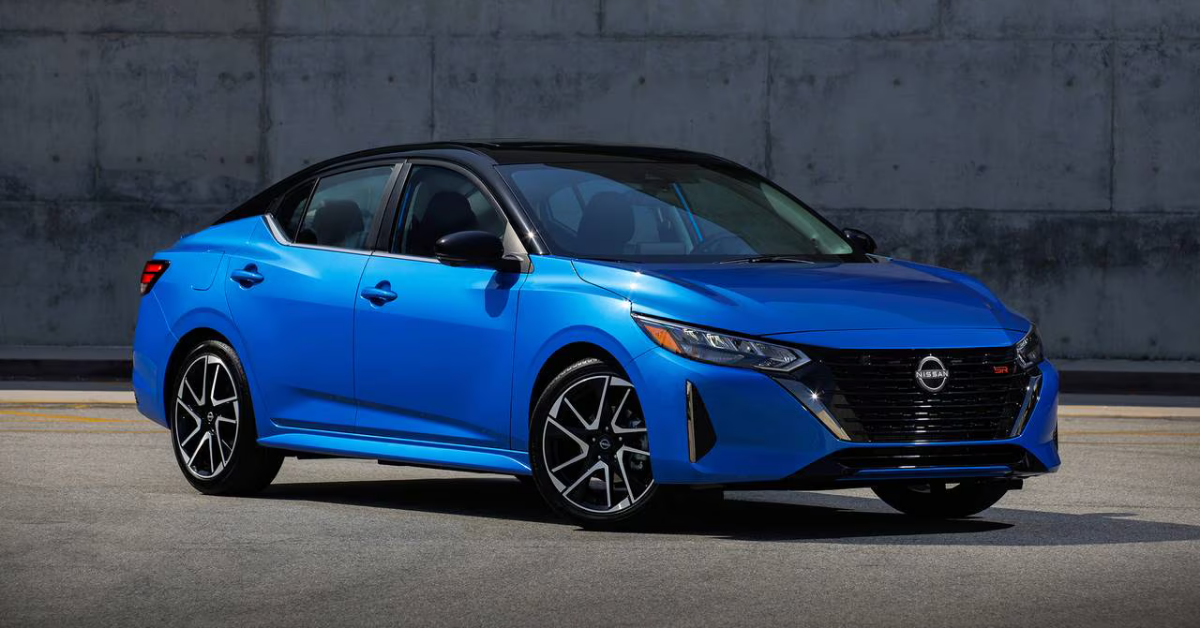
Nissan vehicles generally offer competitive fuel economy, especially in the sedan and compact SUV classes. Smaller models are usually the best choice for drivers who want low fuel costs.
The Sentra, Versa, and Rogue can work well for daily commuting. Large SUVs and trucks use more fuel because they are heavier and less aerodynamic. All-wheel drive can also reduce fuel economy slightly.
The driving experience varies across the lineup:
• Sedans tend to feel smooth and easy to park
• Crossovers provide a higher seating position
• Larger SUVs offer more space but feel less nimble
• Trucks provide utility but have a firmer ride
• Electric models deliver quiet, quick response around town
A test drive should last more than five minutes. Drive on city streets, highways, hills, and rough pavement if possible. Listen for humming, clicking, clunking, or vibration.
For a CVT-equipped Nissan, pay attention to:
• Delayed movement after selecting Drive
• Shuddering during light acceleration
• High engine revs without matching speed
• Whining or unusual transmission noise
• Jerking when slowing or accelerating
These symptoms do not prove a major failure, but they justify a professional inspection.
Nissan Resale Value and Warranty Coverage
Nissan resale value is often average. Some popular SUVs and trucks hold value better than less sought-after sedans. Condition, mileage, location, equipment, and service history all affect the final price.
Toyota and Honda often lead resale-value comparisons, but a Nissan may cost less to buy at the start. A lower purchase price can balance a weaker resale value for some owners.
Warranty coverage can make a new Nissan more attractive. Review the exact warranty terms before signing. Pay attention to coverage length, mileage limits, exclusions, roadside assistance, and whether the warranty transfers to a second owner.
An extended warranty is not automatically a good deal. Before buying one, ask:
- What parts are covered?
- Is the transmission fully covered?
- Is there a deductible for each repair visit?
- Can you use any licensed repair shop?
- Does the contract exclude wear items or known issues?
- What happens if the provider closes or denies a claim?
Never buy a warranty only because a salesperson says the vehicle is unreliable. Compare the contract price with likely repair risks and your ability to pay for an unexpected bill.
Are Nissan a Good Car for Used-Car Buyers?
Nissan can be a good car for a used buyer who shops carefully. The best deal is often a one-owner vehicle with moderate mileage, clean records, no major accidents, and proof of regular service.
Avoid rushing because the price looks attractive. A low price may reflect high mileage, poor maintenance, accident damage, flood exposure, or a mechanical issue.
Use this used Nissan buying process:
- Get the vehicle identification number and check its history.
- Confirm open recalls and completed recall repairs.
- Start the engine when it is cold, not already warm.
- Test the transmission in city and highway traffic.
- Check the oil, coolant, tires, brakes, and warning lights.
- Inspect the underside for leaks, rust, and damage.
- Pay for an independent pre-purchase inspection.
- Compare the price with several local listings.
I would never skip the independent inspection to save a small fee. It is one of the best ways to avoid buying someone else’s problem.
Also check the vehicle’s title. A rebuilt, flood, or salvage title can reduce value and create insurance problems. Make sure the seller’s name matches the paperwork and that there is no unpaid loan on the vehicle.
Nissan Versus Toyota, Honda, Mazda, and Hyundai
The right comparison depends on your priorities. Nissan often competes through price, comfort, availability, and features.
Toyota is known for strong resale value and broad reliability, but comparable models may cost more. Honda often offers efficient engines, practical cabins, and good resale value. Mazda tends to provide sharper handling and a more upscale interior.
Hyundai and Kia may offer strong warranties and many features for the price. However, buyers should research engine recalls, insurance costs, and theft risks for the exact model and year.
Nissan may be the better choice when you find:
• A lower purchase price
• A better-equipped trim for your budget
• A comfortable seat and ride
• A clean service history
• A local dealer or mechanic you trust
• A model year with strong reliability data
Do not compare brands only by reputation. Compare the specific vehicles in front of you. A well-maintained Nissan can be a better purchase than a neglected Toyota or Honda.
Common Mistakes Nissan Buyers Should Avoid
Many Nissan ownership problems begin before the sale. Buyers may focus on monthly payments and forget to examine the vehicle itself.
Avoid these mistakes:
• Buying only because the price is low
• Skipping a mechanic’s inspection
• Ignoring transmission symptoms
• Assuming every Nissan has the same reliability
• Failing to check recall information
• Choosing a large SUV without budgeting for fuel and tires
• Buying an electric car without checking battery health
• Trusting a clean appearance over service records
• Accepting expensive add-ons without reading the contract
Take a slow test drive. Test the air conditioner, heater, windows, locks, infotainment system, cameras, lights, and safety alerts. A small electrical problem may be easy to fix, but several small issues can signal neglect.
A good buying decision should feel calm, not rushed. If the seller refuses an inspection, walk away. There will always be another car.
Frequently Asked Questions About Are Nissan a Good Car
Are Nissan cars reliable?
Nissan reliability is mixed but can be good on the right model and year. Maintenance history, engine design, transmission type, mileage, and prior use have a major effect on dependability.
Is Nissan better than Toyota?
Toyota often has stronger resale value and a more consistent reliability reputation. Nissan may offer a lower price, comfortable driving, and more features, so the better choice depends on the exact models and their condition.
Do Nissan cars have transmission problems?
Some older Nissan vehicles with CVTs received more complaints about shuddering, slipping, and premature failure. Not every Nissan CVT has problems, but buyers should verify service records and arrange an inspection before purchase.
Which Nissan is best for families?
The Rogue works well for many small families because it offers useful cargo space and a comfortable ride. Larger families may prefer the Pathfinder, while buyers needing a truck may consider the Frontier.
Are Nissan cars expensive to maintain?
Routine Nissan maintenance is usually manageable, but major repairs can be costly. Transmission work, four-wheel-drive parts, turbochargers, battery systems, and neglected maintenance can increase ownership costs.
Is a used Nissan worth buying?
A used Nissan can be worth buying when it has a clean title, complete service records, good inspection results, and a fair price. Avoid vehicles with unexplained warning lights, poor transmission behavior, or missing maintenance history.
Conclusion
So, are Nissan a good car? Yes, Nissan can be a smart choice when you select a strong model year, verify its history, and maintain it on schedule. The brand offers comfortable cars, useful SUVs, capable trucks, and affordable electric vehicles.
The biggest warning is to avoid judging Nissan by the badge alone. Research the exact model, inspect the transmission, check safety results, review recalls, and compare long-term costs before you buy.
Use those steps to narrow your search and make a confident decision. If you are considering a specific Nissan, compare its model year, mileage, service history, and inspection report before signing the paperwork.