
Most car washes are safe, but harsh brushes, poor upkeep, and wrong methods can damage your car’s finish.
The answer to “are car washes bad for your car” depends on the wash type, the condition of the equipment, and how often you use it. A clean car protects paint from road salt, bird droppings, dust, and tree sap, but the wrong wash can leave swirl marks, strip wax, or damage delicate trim. This guide explains the risks, benefits, best wash options, and simple ways to protect your vehicle.

Are car washes bad for your car?
Car washes are not automatically bad for your car. In many cases, regular washing helps preserve the paint and body by removing grit and chemicals that cause stains or corrosion.
The real concern is friction. Dirt can act like sandpaper when brushes or towels drag it across the paint. Automatic washes with worn brushes may create fine scratches, especially on dark-colored vehicles.
Touchless washes avoid direct contact, but they often use strong cleaners and high water pressure. These can weaken wax, dry rubber seals, or affect loose trim if used too often.
Whether are car washes bad for your car depends on several factors:
• The type of wash system used
• How clean and well-maintained the equipment is
• The quality of the soap and drying process
• How dirty your vehicle is before washing
• How often you wash the vehicle
• Whether your car has wax, ceramic coating, or paint protection film
A well-run wash that uses clean water, soft materials, and proper drying methods is usually safe. A neglected wash with dirty brushes and poor maintenance can harm the finish over time.
How automatic car washes can damage paint
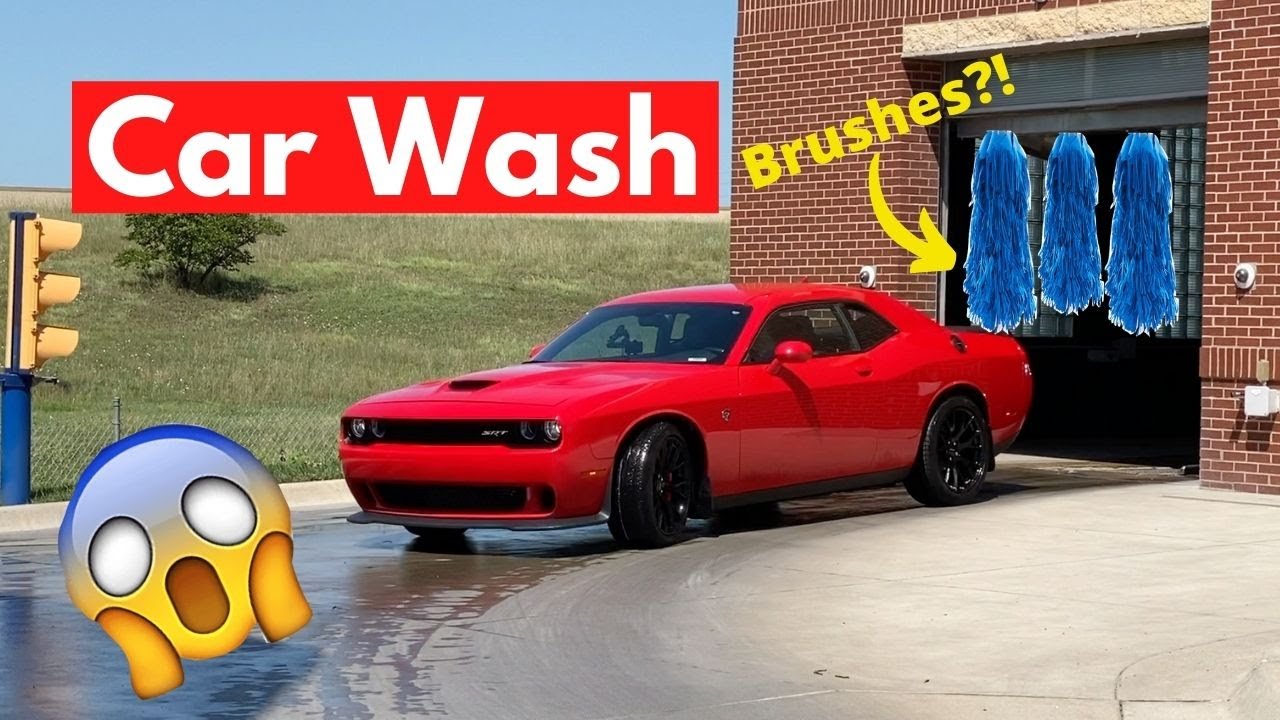
Automatic car washes save time, but not all systems treat paint in the same way. The biggest risk comes from friction between the vehicle’s surface and a brush, cloth, or foam material.
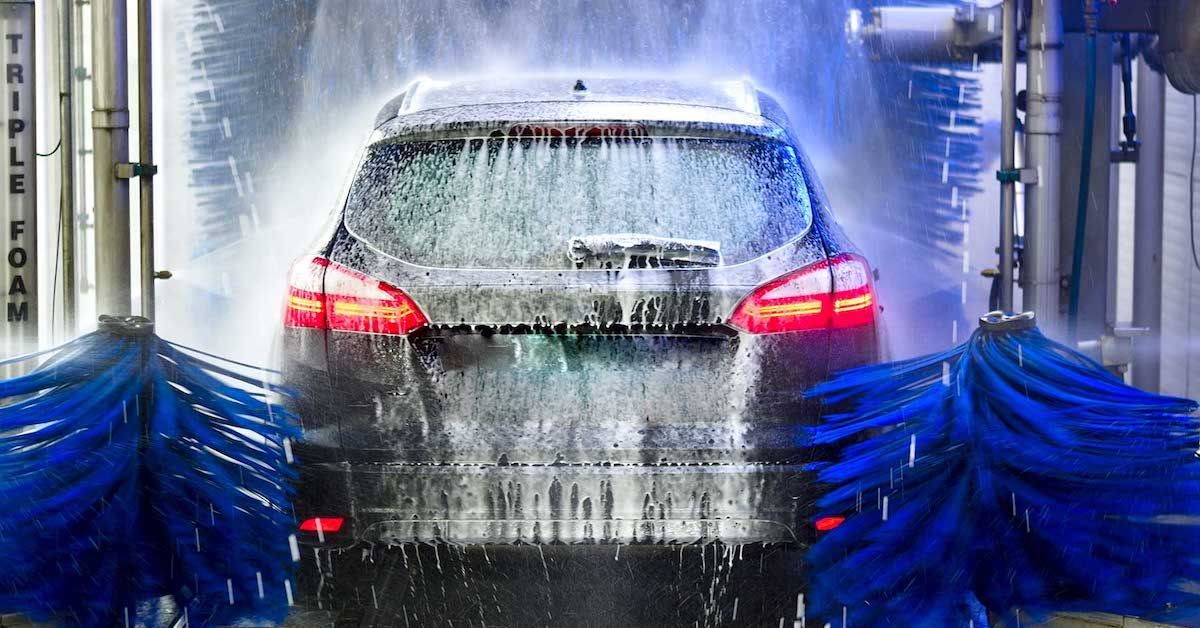
Tunnel washes with spinning brushes
Older automatic washes may use spinning brushes made from stiff plastic or heavily worn cloth. These materials can hold sand and road grit from earlier vehicles.
When the brushes move across your car, the trapped grit may create:
• Swirl marks
• Fine scratches
• Dull-looking clear coat
• Hazy reflections under bright light
These marks may not appear after one visit. They often build up slowly. Dark paint shows them more clearly than white or silver paint.
Soft-cloth washes
Soft-cloth systems are usually gentler than old-style brushes. However, “soft” does not mean risk-free. The cloth can still carry dirt if the wash operator does not clean or replace it often.
A clean soft-cloth wash may be a reasonable choice for a daily driver. A poorly maintained soft-cloth wash may still scratch paint.
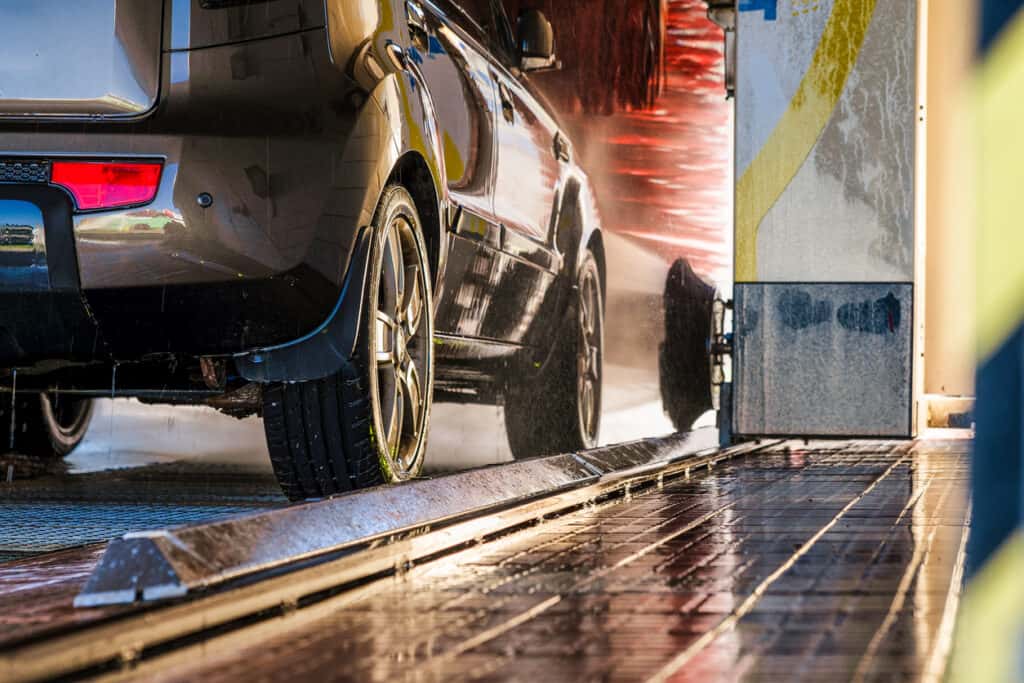
Conveyor and track systems
Some washes pull the car through on a conveyor. These systems are normally safe when used correctly, but they can cause problems if you leave the car in the wrong gear or fail to follow the posted instructions.
Before entering, check whether you need to:
• Fold in the side mirrors
• Turn off the automatic rain sensor
• Remove an antenna
• Place the vehicle in neutral
• Keep your hands off the steering wheel
Following the instructions reduces the chance of damage to tires, mirrors, wipers, and suspension parts.

Are touchless car washes safer?
Touchless car washes are often safer for painted surfaces because nothing rubs directly against the body. They use water pressure and chemical cleaners to remove dirt.
This reduces the chance of swirl marks. It also makes touchless washing a good option for cars with delicate paint, ceramic coatings, vinyl wraps, or paint protection film.
Still, touchless systems have limits. They may not remove heavy road film, bugs, grease, or stuck-on mud without some hand cleaning.
Strong cleaning chemicals may also:
• Remove spray wax
• Reduce the life of a sealant
• Dry unprotected plastic trim
• Affect rubber weather stripping over time
• Leave water spots if the rinse water is poor
High water pressure can be a concern when a panel, badge, mirror, or trim piece is already loose. It can also force water into damaged areas.
So, are car washes bad for your car when they are touchless? Usually not, if the system is in good condition and you do not use it too often. The main trade-off is that touchless washes may clean less thoroughly while using stronger soap.

Hand washing versus automatic washing
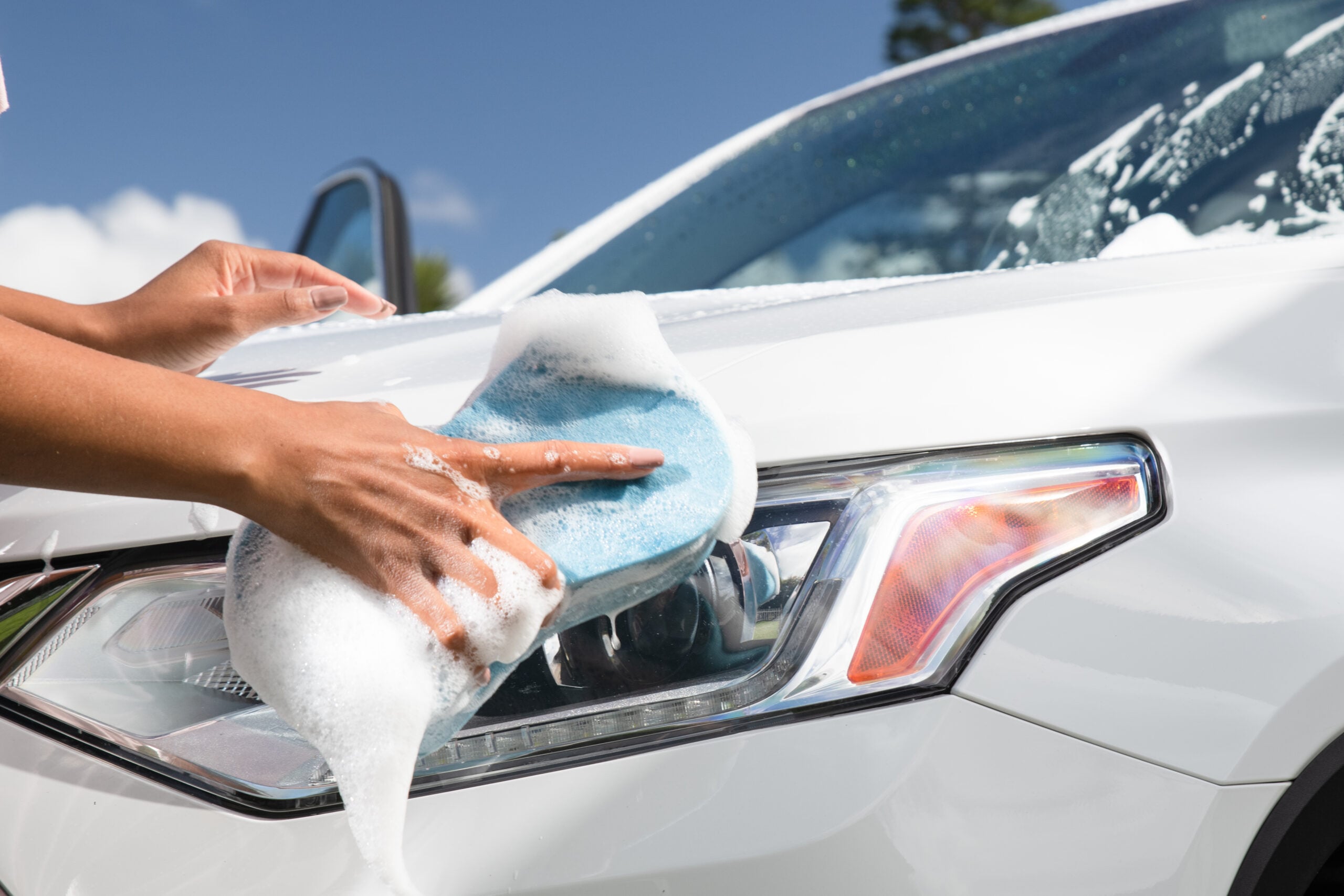
Hand washing can offer the best results, but only when done correctly. A careless hand wash can cause more damage than a clean, modern automatic wash.
The main advantage is control. You can use separate tools for the wheels, tires, glass, and painted panels. You can also rinse away loose grit before touching the surface.
A safe hand wash usually follows these steps:
Park in the shade and let the surface cool.
Rinse the entire vehicle to remove loose dirt.
Use a clean bucket with car wash soap.
Use a separate bucket for wheels and tires.
Wash from the roof downward.
Rinse the wash mitt often.
Use a clean microfiber towel to dry the vehicle.
Clean the wheels last.
Never use household dish soap as your regular car wash soap. It can remove protective wax and may dry out rubber or plastic surfaces. A car shampoo is made to clean paint while leaving the surface less affected.
A common mistake is using one old towel for the whole car. That towel may collect grit from the lower doors and transfer it to the hood. Think of your wash mitt as a soft brush: once it carries grit, it can scratch.

How often should you wash your car?
Most cars benefit from a wash every two to four weeks. The right schedule depends on where you drive and where you park.
You may need to wash more often if you:
• Drive on salted winter roads
• Live near the ocean
• Park under trees
• Drive on dirt or gravel roads
• Encounter heavy rain and mud
• Have frequent bird droppings or insect buildup
Bird droppings and bug remains can be acidic. When they sit in sunlight, they may stain or etch the clear coat. Removing them quickly is often more important than following a strict calendar.
Washing too often is not usually the main problem. Poor technique is the bigger issue. A gentle rinse or touchless wash can be safer than letting dirt sit on the paint for months.
Are car washes bad for your car when used every week? A properly maintained wash may be fine, but frequent automatic washes can gradually remove wax and increase the chance of surface marks. Inspect the finish and adjust your routine based on the results.
Can car washes damage wax and ceramic coatings?
Car washes can reduce the life of paint protection products. This includes wax, paint sealants, ceramic coatings, and some types of paint protection film.
Wax is the most temporary form of protection. A strong detergent or repeated washing may remove it faster than a gentle hand wash. Many automatic washes offer spray wax, but the protection is usually short-lived.
Ceramic coatings are more durable, but they are not scratch-proof. A ceramic coating can resist some stains and make washing easier, yet it cannot stop damage from dirty brushes or rough towels.
If your vehicle has a coating, choose:
• A pH-balanced car shampoo
• A touchless wash when practical
• A clean microfiber drying towel
• Low-friction wash tools
• A wash program without abrasive brushes
Always follow the product maker’s care instructions. Some coatings need special maintenance products, while others can tolerate standard touchless washing.
Paint protection film can also benefit from gentle cleaning. High pressure should not be aimed closely at film edges, peeling areas, or damaged sections.

What are the benefits of using a car wash?
A good car wash does more than improve appearance. Regular cleaning can help protect the body and make vehicle ownership easier.
Key benefits include:
• Removing road salt that can speed up corrosion
• Clearing sand and grit from painted surfaces
• Removing bird droppings and bug residue
• Improving visibility through clean glass and mirrors
• Helping you notice dents, rust, and paint damage
• Preserving the vehicle’s resale appeal
• Cleaning the underside after winter driving
Road salt is especially harmful in areas with freezing weather. It can collect around wheel wells, brake parts, suspension components, and underbody seams. An occasional underbody rinse helps remove that buildup.
A clean car is also easier to inspect. Small chips, loose trim, and early rust are easier to spot when dust is not hiding the surface.
This is why the question are car washes bad for your car has a balanced answer. Skipping all washes can cause damage too. The best choice is a safe wash method used at the right time.
The safest way to use an automatic car wash
You can lower the risk of damage by choosing the wash carefully and preparing the car first.
Use these steps:
Choose a modern wash with clean, soft equipment or a touchless system.
Avoid a wash if the brushes look dirty, stiff, or damaged.
Remove loose items from the bed, roof, and antenna.
Fold in mirrors if the instructions request it.
Select an underbody rinse after driving on salted roads.
Skip strong add-ons if you already have quality paint protection.
Dry water from mirrors, door handles, and trim after leaving.
Inspect the paint in direct sunlight from time to time.
Do not enter an automatic wash if your vehicle has loose body panels, peeling paint, cracked glass, or damaged trim. Water pressure and moving equipment may make those problems worse.
It is also wise to avoid washing immediately after driving for a long time. Very hot brake rotors and a hot body surface can react poorly to sudden cold water, especially if the vehicle has existing damage. Let the car cool when possible.
Car wash mistakes to avoid
Many paint problems come from small habits rather than the car wash itself. Avoid these common mistakes:
• Washing in direct, strong sunlight
• Using a dirty sponge or towel
• Washing wheels with the same mitt used on paint
• Wiping dry dirt from the body
• Using household cleaners
• Letting soap dry on the surface
• Using a stiff brush on clear coat
• Choosing the cheapest wash without checking its condition
• Aiming a pressure washer at close range
• Ignoring loose trim or peeling paint
If you use a pressure washer at home, keep the nozzle several feet from the surface. Use a wide spray pattern instead of a narrow jet. Never aim high pressure directly at door seals, badges, sensors, convertible tops, or damaged paint.
One practical lesson from real-world vehicle care is simple: clean tools matter more than fancy tools. A basic microfiber mitt that is washed and stored properly can be safer than an expensive mitt covered in grit.
When should you avoid a car wash?
There are times when waiting is the smarter choice. Do not wash the car if the surface is extremely hot, the paint is peeling, or the body has fresh repairs.
Avoid automatic washes when:
• The vehicle has a soft-top convertible roof
• A roof rack is not approved for the wash
• The car has loose exterior parts
• The paint is fresh from a body shop
• A side mirror or antenna is damaged
• The wash instructions conflict with your vehicle manual
Fresh paint may need time to cure. The body shop should tell you when washing is safe and which products to avoid.
You should also avoid washing during very cold weather if water may freeze around door seals, locks, or brake components. If you must wash in freezing conditions, dry the door edges and seals before parking.
Are car washes bad for your car in winter?
Winter car washes can help protect your vehicle. Salt, brine, and road grime can stay on the underbody and promote rust.
A winter wash is most useful when it includes:
• An underbody rinse
• Wheel well cleaning
• A gentle exterior wash
• Careful drying around doors and locks
Do not assume a wax package makes a car fully protected from winter corrosion. Wax can help the painted surface, but it does not replace underbody cleaning.
If temperatures are below freezing, choose a facility that dries vehicles well. Afterward, open and close the doors, trunk, and fuel door to help prevent seals from freezing shut.
Are car washes bad for your car during winter? Usually, no. In many regions, washing is one of the best ways to remove corrosive salt before it sits on metal for weeks.
How much do car washes affect resale value?
A clean, well-kept vehicle often makes a better first impression. Buyers may view a dull finish, stained seats, dirty wheels, or neglected door jambs as signs of poor maintenance.
However, frequent automatic washing can create visible swirl marks. These marks may not affect the mechanical condition, but they can reduce the vehicle’s visual appeal.
For better long-term value:
• Wash regularly with low-friction methods
• Apply suitable paint protection
• Clean spills and bird droppings quickly
• Keep service records
• Repair paint chips before rust starts
• Avoid covering a dirty car
The goal is not to keep the car perfect. The goal is to prevent small problems from becoming expensive ones.
How to choose the best car wash for your vehicle
The best wash depends on your car’s age, finish, use, and condition.
Choose a touchless wash if:
• You want to reduce brush contact
• Your paint has a ceramic coating
• Your car has a delicate finish
• You accept that some dirt may remain
Choose a modern soft-cloth wash if:
• The equipment looks clean and well maintained
• You need a quick clean
• The vehicle is a daily driver
• The wash offers a good rinse and drying cycle
Choose hand washing if:
• You want the highest level of paint care
• The vehicle has a custom finish
• You have time to use clean tools
• You need to remove stubborn residue safely
A professional detailer may be the best choice for a valuable, classic, or heavily contaminated vehicle. Detailers can use methods such as clay treatment, polishing, paint sealants, and coating maintenance that a basic car wash cannot provide.
Frequently Asked Questions About Are Car Washes Bad for Your Car
Are automatic car washes bad for your car?
Automatic car washes are not always bad for your car. Modern systems can be safe, but dirty brushes, harsh chemicals, and poor drying may cause scratches or remove protection.
Is a touchless car wash better for your paint?
A touchless car wash reduces the risk of swirl marks because nothing rubs against the paint. However, strong chemicals and high pressure can affect wax, trim, or loose parts when used too often.
How often should I take my car through a car wash?
Many vehicles can be washed every two to four weeks. Wash sooner after exposure to road salt, bird droppings, tree sap, mud, or heavy dust.
Can a car wash scratch your car?
Yes, a car wash can scratch paint if brushes or cloth materials hold sand and grit. The risk is lower when the equipment is clean and the vehicle is rinsed before contact.
Are hand car washes safer than automatic car washes?
A careful hand wash can be safer because you control the tools and pressure. A careless hand wash with dirty towels or household soap can cause more damage than a well-maintained automatic wash.
Can car washes remove wax?
Strong detergents and repeated washing can shorten the life of wax. A gentle car shampoo and careful drying help preserve paint protection for longer.
Are car washes safe for ceramic coatings?
Most ceramic-coated cars can use touchless or coating-safe washes. Ceramic coatings resist stains and simplify cleaning, but they are not immune to scratches, harsh chemicals, or poor wash tools.
Conclusion
So, are car washes bad for your car? They can be, but the risk comes mainly from dirty brushes, rough tools, harsh chemicals, high pressure, and poor technique. Regular cleaning is still important because road salt, grit, bird droppings, and tree sap can damage paint and encourage corrosion.
Choose a clean touchless or modern soft-cloth wash, or hand wash the vehicle with proper products and separate tools. Inspect the equipment, follow your vehicle maker’s advice, and adjust your routine for winter roads, coastal air, and heavy dirt.
Your car does not need an expensive wash every time. It needs the right method used consistently. Share your preferred car wash routine or explore more vehicle care guides to keep your paint looking its best.