

Your car’s AC may not work because of low refrigerant, electrical faults, a bad compressor, or blocked airflow.
If you are asking, “why isn’t my AC working in my car,” the answer often depends on what the system is doing. Is it blowing warm air, blowing weakly, making noise, or not blowing at all? This guide explains the most likely causes, safe checks you can make, repair costs, and signs that require a trained technician.
Why Isn’t My AC Working in My Car?
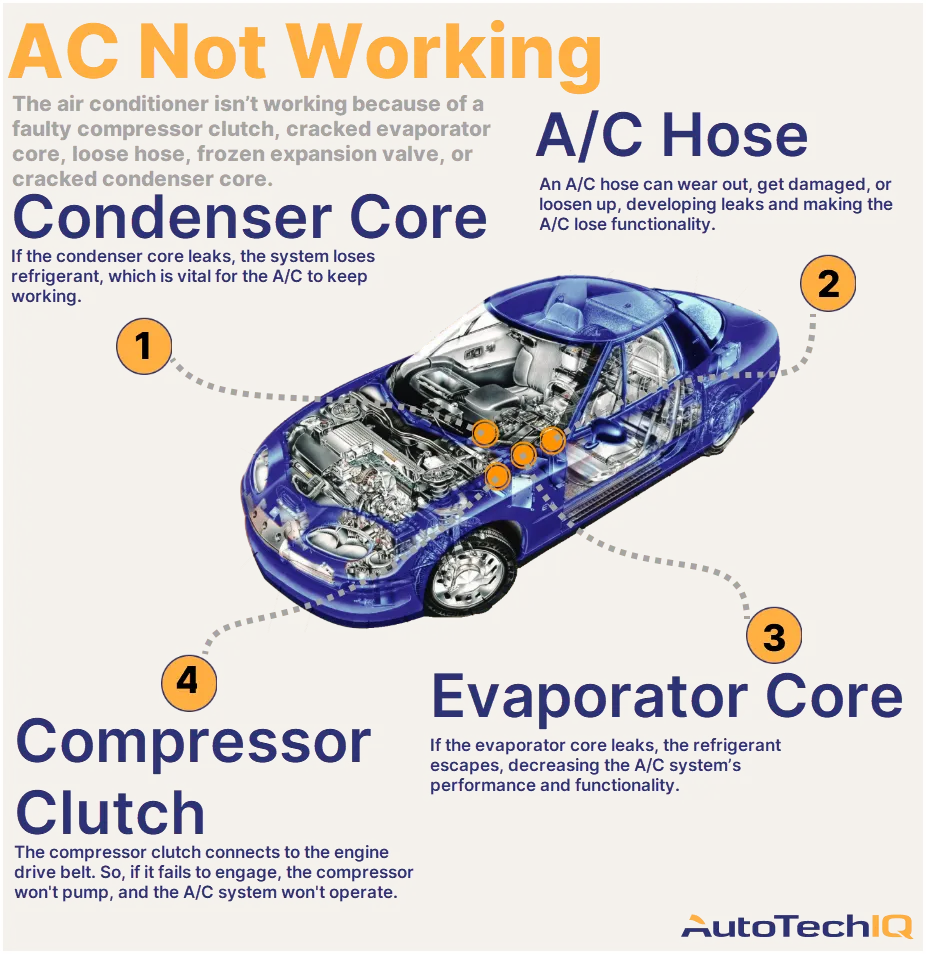
Car air conditioning systems use several parts that must work together. The compressor circulates refrigerant. The condenser removes heat. The evaporator cools the air. The blower motor pushes air into the cabin.
When one part fails, the entire system can feel broken. The most common causes include:
• Low refrigerant from a leak
• A failed AC compressor
• A blown fuse or bad relay
• A weak blower motor
• A clogged cabin air filter
• A faulty pressure switch
• A damaged condenser
• A blend door or climate control problem
• A blocked expansion valve
• A broken belt or wiring fault
In many cases, the problem is not a simple lack of refrigerant. Adding refrigerant without finding the leak may give short-term relief but can damage the system or leave you with the same issue later.
Common Signs of a Car AC Problem
The exact symptom can point toward the failed component. Pay attention to what you hear, feel, and see when you turn on the AC.
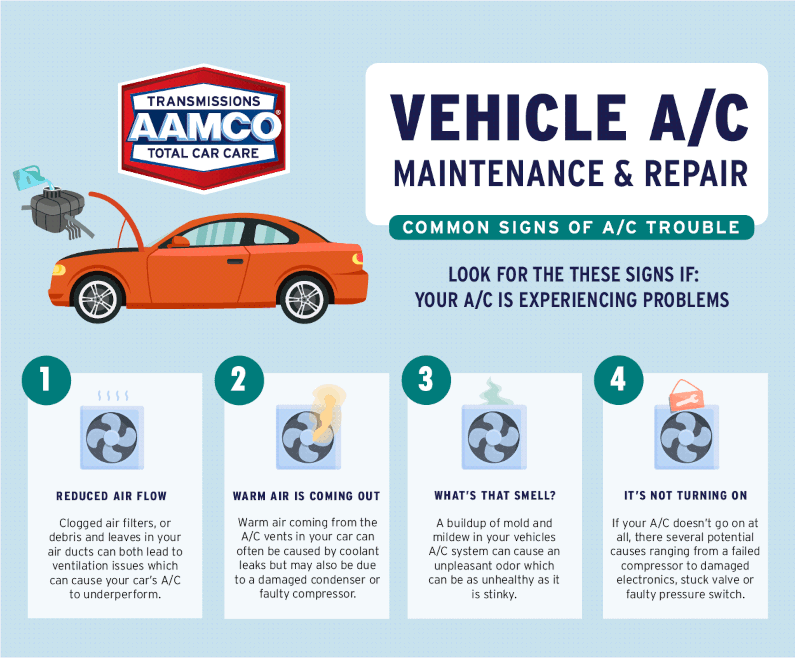
The AC blows warm air
Warm air is one of the most common reasons people ask, “why isn’t my AC working in my car?” Low refrigerant is a frequent cause, but it is not the only one.
Other possible causes include:
• The compressor does not engage
• The condenser fan is not running
• A fuse or relay has failed
• The blend door is stuck
• The evaporator is blocked
• The system has too much refrigerant
• The outside air temperature sensor is faulty
If the air starts cold and then becomes warm, the system may have a refrigerant leak, an overheating condenser, or a compressor that is failing as it gets hot.
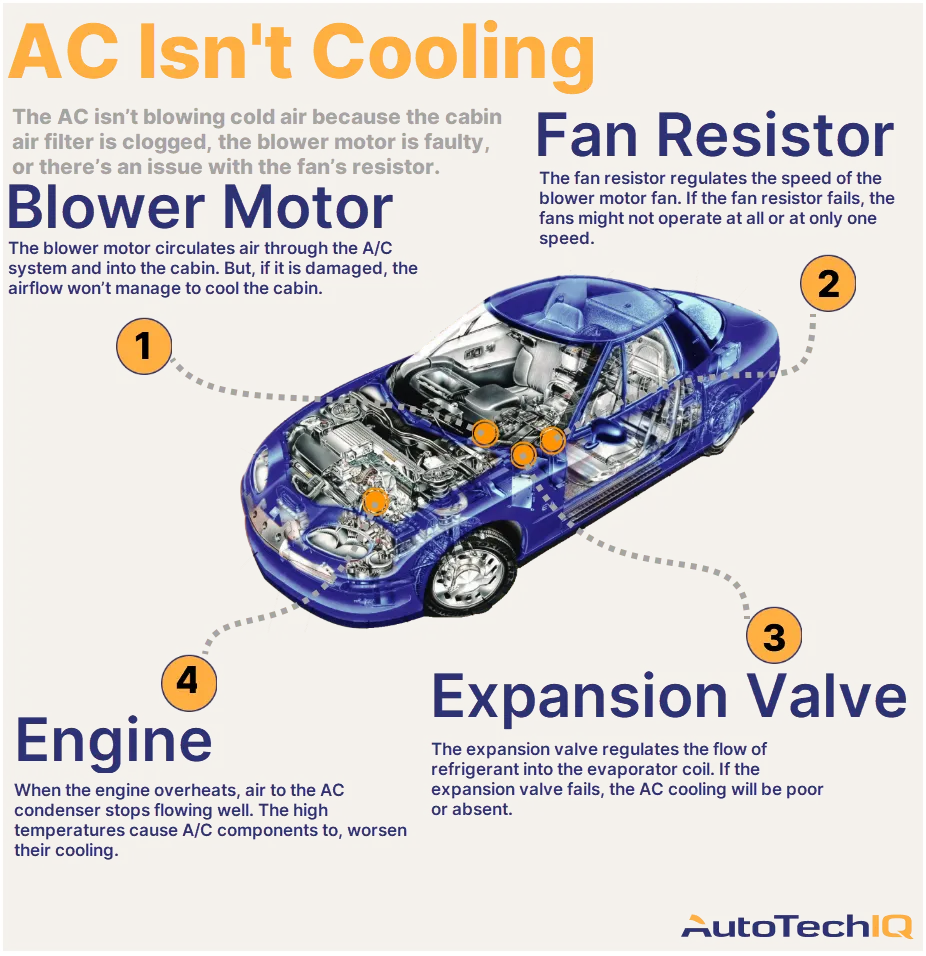
The AC blows weakly
Weak airflow usually points to an air movement problem rather than a refrigerant problem. A dirty cabin air filter is an easy and affordable place to start.
Weak airflow can also result from:
• A failing blower motor
• A damaged blower motor resistor
• Leaves or debris in the air intake
• A frozen evaporator
• A blocked vent
• A stuck recirculation door
If airflow improves when you switch from fresh air to recirculation, the outside air intake may be blocked.
The AC does not blow any air
When there is no airflow at all, check the blower system first. A blown fuse, failed blower motor, bad resistor, or damaged wiring can stop air from reaching the cabin.
If the fan works only on the highest setting, the blower motor resistor is a strong suspect. This is a common fault in many vehicles and is often simpler to repair than a compressor problem.
The AC works while driving but not at idle
This symptom often suggests poor airflow across the condenser. The electric cooling fan may not be working, or the condenser may be blocked by dirt and bugs.
At highway speed, outside air cools the condenser. At a stoplight, the cooling fan must do that job. If it fails, the AC may blow warm at idle and become cool again once the vehicle moves.
The AC makes clicking, squealing, or grinding sounds
A brief click when the compressor engages can be normal. Repeated clicking may indicate low refrigerant, a pressure problem, or a weak compressor clutch.
A squeal may come from a slipping belt. Grinding or harsh rattling can signal internal compressor damage. Turn off the AC if the noise is severe, because continued use may spread metal debris through the system.
The Most Likely Reasons Your Car AC Stops Working
Understanding the main causes helps you avoid guessing and wasting money on unnecessary parts.
Low refrigerant or a refrigerant leak
Refrigerant does not normally disappear during regular use. If the level is low, there is usually a leak somewhere in the system.
Common leak points include:
• Hose connections
• O-rings and seals
• The condenser
• The evaporator
• The compressor shaft seal
• Service ports
Some leaks leave an oily mark because AC oil travels with the refrigerant. Others are too small to see. A professional may use an electronic leak detector, ultraviolet dye, or nitrogen testing to locate the source.
Do not rely only on a pressure reading from a small store-bought gauge. A single pressure reading cannot fully confirm the system’s condition.
A failed AC compressor
The compressor acts like the heart of the AC system. It compresses refrigerant and keeps it moving through the system.
A compressor may fail because of:
• Lack of lubrication
• Old age
• Internal wear
• Contaminated refrigerant
• Excessive pressure
• A damaged clutch
• A broken pulley bearing
If the compressor is locked, the serpentine belt may squeal or break. In some vehicles, the compressor runs through an electronic control valve instead of a traditional clutch, so diagnosis depends on the vehicle design.
Electrical problems
A car AC system depends on fuses, relays, sensors, control modules, and wiring. One failed electrical part can prevent the compressor or blower from operating.
Possible electrical causes include:
• A blown fuse
• A bad relay
• Corroded wiring
• A failed pressure sensor
• A faulty climate control panel
• A damaged ground connection
• A weak battery or charging system
Replacing a fuse without finding out why it blew is a mistake. If the new fuse fails again, there may be a short circuit or overloaded component.
A clogged cabin air filter
The cabin air filter cleans air before it enters the passenger area. When it becomes packed with dust, pollen, or leaves, airflow drops.
A restricted filter can also make the evaporator colder than normal. This may cause ice to form, which blocks airflow even more. Replacing the filter is often a simple first step when asking, “why isn’t my AC working in my car?”
Check the owner’s manual for the filter location and replacement interval. Dusty roads, pets, and heavy city driving may require more frequent replacement.
A dirty or damaged condenser
The condenser sits near the front of the vehicle, often beside the radiator. It must release heat into the outside air.
Mud, insects, road debris, and bent fins can reduce cooling. A condenser with a leak may also lose refrigerant. Carefully cleaning the front surface with low water pressure can help, but avoid bending the delicate fins.
A faulty blend door
The blend door controls whether air passes through the heater core, the evaporator, or both. If it becomes stuck in the heat position, the AC may be producing cold air, but warm air mixes with it before reaching the vents.
A broken actuator may cause clicking behind the dashboard. Some vehicles also have separate blend doors for the driver and passenger sides, which can create uneven temperatures.
A blocked expansion valve or orifice tube
The expansion valve or orifice tube controls refrigerant flow into the evaporator. If it becomes blocked, the system may have unusual pressure readings and poor cooling.
Contamination from a failed compressor can block this part. That is why a major compressor failure may require more than simply installing a replacement compressor.

What You Can Check at Home
You can perform a few basic checks without opening the refrigerant system. Park safely, keep hands away from moving belts and fans, and never work near a hot engine without care.
A simple inspection
Follow these steps:
- Start the engine and set the AC to its coldest setting.
- Select the highest blower speed.
- Turn on recirculation.
- Listen for a change in engine sound when the AC is switched on.
- Check whether air comes from the vents.
- Look through the front grille for obvious condenser damage.
- Check whether the cooling fan runs when the engine and AC are warm.
- Inspect the cabin air filter if it is easy to reach.
- Look for oily residue around AC hoses and connections.
- Check the vehicle’s fuse panel using the owner’s manual.
The compressor may not visibly engage on every modern vehicle. Some systems use variable displacement compressors that operate continuously. Because of this, visual inspection alone cannot confirm compressor health.
Check the cabin air filter
A dirty filter is one of the safest problems to inspect yourself. If the filter is gray, packed with leaves, damp, or misshapen, replace it with the correct part.
Do not run the vehicle without a filter for long. Dust can enter the blower motor and evaporator, creating a larger problem.
Check the vents and controls
Make sure the air is set to the correct vents. A control problem can send cold air to the defroster or floor instead of the dashboard vents.
If one side is cold and the other side is warm, suspect a blend door or dual-zone climate control issue. This is different from a basic refrigerant shortage, which usually affects the whole cabin.
Avoid opening the refrigerant system
Refrigerant is stored under pressure. Some refrigerants are flammable, and improper handling can cause frostbite, eye injury, or environmental harm.
Do not vent refrigerant into the air. Do not mix refrigerant types. Use the refrigerant listed on the vehicle label, and have recovery, evacuation, and charging done with approved equipment.
Why Adding Refrigerant May Not Fix the Problem
Many drivers buy a refrigerant recharge can after searching, “why isn’t my AC working in my car?” A recharge can help only when the system is low and the product matches the vehicle.
It will not repair:
• A leaking hose
• A broken compressor
• A failed condenser fan
• A bad electrical relay
• A stuck blend door
• A blocked expansion valve
• A damaged evaporator
Overcharging is also dangerous. Too much refrigerant can raise system pressure and reduce cooling. Some consumer recharge kits include sealers that may damage professional recovery machines and other AC components.
A proper service usually includes:
• Identifying the refrigerant type
• Measuring system pressures
• Checking electrical signals
• Testing for leaks
• Recovering old refrigerant
• Evacuating air and moisture
• Adding the correct refrigerant weight
• Confirming vent temperature and system operation
The correct charge is measured by weight, not by guesswork.

When to See an AC Professional
Some AC repairs need special tools and training. Arrange an inspection if the system still blows warm after basic checks or if you notice a leak.
Seek professional help when:
• The compressor will not engage
• A fuse keeps blowing
• The system loses cooling quickly
• The compressor makes grinding sounds
• The engine overheats when the AC runs
• The refrigerant type is unknown
• The condenser or evaporator may be leaking
• The system needs to be opened
• You smell burning plastic or electrical insulation
A trained technician can use manifold gauges, a refrigerant identifier, a vacuum pump, a leak detector, and scan tools. These tools help separate a refrigerant problem from an electrical or mechanical fault.
In my experience, one of the most common mistakes is replacing the compressor before checking the fuse, pressure sensor, and condenser fan. Another is adding refrigerant again and again while ignoring a slow leak. A careful diagnosis often costs less than replacing the wrong part.
Typical Car AC Repair Costs
Prices vary by vehicle, location, refrigerant type, and labor time. Luxury vehicles and tightly packed engine bays often cost more to repair.
Typical repair categories include:
• Cabin air filter replacement: low cost
• Fuse or relay replacement: low to moderate cost
• Blower motor replacement: moderate cost
• Leak diagnosis and repair: moderate to high cost
• Refrigerant recovery and recharge: moderate cost
• Condenser replacement: moderate to high cost
• Compressor replacement: high cost
• Evaporator replacement: high cost because dashboard removal may be needed
Ask the repair shop for a written diagnosis before approving major work. The estimate should identify the failed part, the refrigerant type, the labor included, and whether system flushing or additional components are required.
A very cheap recharge may not include leak testing or proper evacuation. A high quote is not automatically wrong, but the shop should be able to explain the repair in clear terms.
How to Prevent Future AC Problems
Good maintenance cannot prevent every failure, but it can reduce stress on the system.
Use these habits:
• Run the AC for a few minutes each month, even in cool weather.
• Replace the cabin air filter as recommended.
• Keep the condenser area free from heavy dirt and leaves.
• Use recirculation when the cabin is already cool.
• Do not ignore new noises or weak airflow.
• Repair leaks instead of repeatedly adding refrigerant.
• Keep the engine cooling system in good condition.
• Follow the refrigerant label under the hood.
• Have the belt checked during routine service.
• Avoid unapproved sealers and refrigerant mixtures.
Running the AC briefly during winter helps circulate oil through the seals. However, many vehicles prevent the compressor from engaging at very low temperatures. That is normal and protects the system.
A Practical Diagnosis Example
Suppose the AC blows warm air at a stoplight but becomes cool while driving. That pattern points toward a condenser airflow problem more than a simple cabin filter issue.
A sensible diagnosis would be:
- Confirm that the blower produces strong airflow.
- Check whether the compressor operates.
- Check whether the condenser fan runs.
- Inspect the condenser for blockage.
- Measure system pressures.
- Test for refrigerant leaks.
- Check engine temperature and cooling fan controls.
Replacing the compressor first would be poor practice. The real fault may be a $20 relay, a damaged fan, or a control signal problem.
Another example is an AC system that works for 20 minutes and then blows warm air. If airflow becomes weak, the evaporator may be freezing. Low refrigerant, a faulty temperature sensor, restricted airflow, or a blocked expansion device could cause this symptom.
Frequently Asked Questions About Why Isn’t My AC Working in My Car
Why is my car AC blowing warm air?
Low refrigerant, a compressor problem, a condenser fan fault, or a blend door issue can cause warm air. A technician should test the system instead of adding refrigerant without checking for leaks.
Why is my AC not blowing air at all?
A blown fuse, failed blower motor, bad resistor, wiring fault, or climate control problem may stop airflow. Check the blower fuse and cabin filter first if those parts are accessible.
Can a dirty cabin air filter stop car AC cooling?
Yes, a severely clogged filter can restrict airflow and may cause the evaporator to freeze. Replacing the filter can restore airflow, but it will not fix a refrigerant leak or compressor failure.
Why does my car AC work while driving but not at idle?
The condenser fan may not be working, or the condenser may be blocked. At higher speeds, outside air provides cooling, but the system needs a fan when the car is stopped.
Is it safe to recharge my car AC myself?
It can be risky because refrigerant is pressurized and must be used in the correct type and amount. A professional recharge is safer, especially when the system may have a leak or an unknown refrigerant.
How do I know if my AC compressor is bad?
Warning signs include grinding noise, belt squeal, repeated clutch cycling, warm air, or a compressor that will not operate. Proper testing is needed because electrical faults and low refrigerant can create similar symptoms.
How long should a car AC system last?
A well-maintained system can work for many years, but parts such as compressors, seals, fans, and hoses wear over time. Climate, driving conditions, maintenance, and vehicle age all affect service life.
Conclusion
When you ask, “why isn’t my AC working in my car,” start with the symptom rather than guessing at the part. Warm air may come from low refrigerant, a leak, a compressor, a fan, or a blend door. Weak airflow often points to a cabin filter or blower problem, while cooling that fails at idle may involve the condenser fan.
Check the simple items safely, but leave refrigerant recovery, leak testing, and system charging to a qualified professional. A proper diagnosis can prevent wasted money and protect the rest of the AC system. If this guide helped, use it when speaking with your repair shop, explore your vehicle’s service manual, and share your symptoms in the comments.