

Hybrid cars are often worth it when fuel savings, smooth driving, and low emissions fit your needs.
The question “are hybrid cars worth it” depends on more than the sticker price. Your yearly mileage, local fuel costs, driving habits, repair plans, and access to charging all matter. After comparing hybrid powertrains, ownership costs, fuel data, and real-world driving patterns, this guide will help you make a clear choice.
Are hybrid cars worth it for most drivers?
For many drivers, hybrid cars are worth it because they use less fuel without requiring major changes to daily life. A hybrid can run on its gasoline engine, electric motor, or both. The car charges its battery through braking and engine power, so you usually do not need to plug it in.
The biggest gains often appear in city traffic. Hybrid vehicles can shut off the gasoline engine at a stop and use electric power at low speeds. Regenerative braking also sends some lost braking energy back to the battery.
However, not every driver will save enough money to justify a hybrid’s higher purchase price. A person who drives only 5,000 miles a year may need many years to recover the extra cost. Someone who drives 20,000 miles a year in heavy traffic may see much faster savings.

How hybrid cars work
A traditional hybrid has two power sources: a gasoline engine and one or more electric motors. A small battery stores energy for the motors, while a computer decides how to share work between the engine and electric system.
Most standard hybrids use three main systems:
• Gasoline engine: Provides power at higher speeds and during hard acceleration.
• Electric motor: Helps move the car, especially at low speeds.
• Hybrid battery: Stores energy captured during braking and produced by the engine.
Regenerative braking is one of the key ideas. In a normal car, braking turns motion into heat. In a hybrid, the electric motor works like a generator during braking. It sends some energy back to the battery instead.
A hybrid is not the same as a fully electric vehicle. It still burns gasoline, but it often uses less of it. A plug-in hybrid has a larger battery and can travel a useful distance on electricity before using gasoline.
The main financial benefits
Fuel savings are the most obvious reason people ask, “are hybrid cars worth it?” A hybrid may deliver much better city fuel economy than a similar gasoline model. The actual result depends on the model, weather, traffic, tires, driving style, and use of climate control.
For example, imagine two cars that each travel 15,000 miles per year:
• Gasoline car: 28 miles per gallon
• Hybrid car: 45 miles per gallon
At $3.50 per gallon, the gasoline car would use about 536 gallons each year, costing roughly $1,876. The hybrid would use about 333 gallons, costing about $1,166. That creates an estimated yearly fuel difference of $710.
This is only an example. Fuel prices change, and EPA ratings are not promises. Still, the math shows why high-mileage drivers often find that hybrid cars are worth it.
Some hybrids may also have lower brake wear. Regenerative braking reduces the work done by the friction brakes. In my comparisons of ownership costs, this is easy to overlook, but it can help reduce maintenance visits over time.
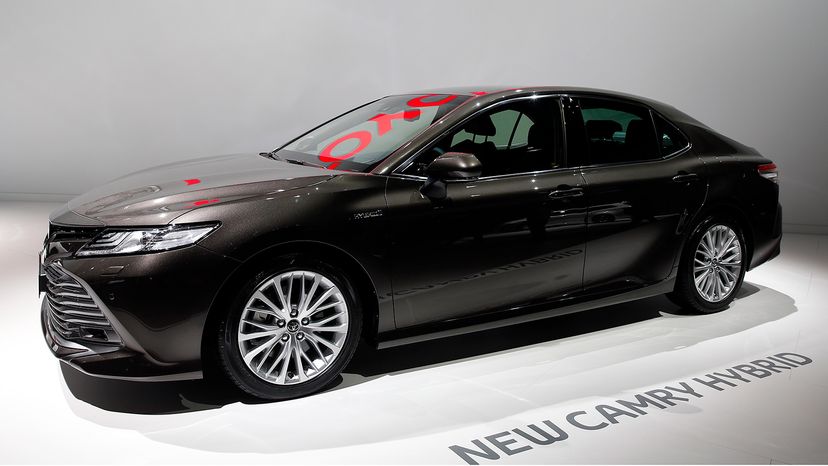
Hybrid car advantages beyond fuel economy
Fuel savings are important, but they are not the only reason hybrid cars are worth it. Many drivers enjoy the quiet and smooth feel of electric assistance.
Common advantages include:
• Better city fuel economy: Stop-and-go traffic can help a hybrid recover energy through braking.
• Smooth low-speed driving: Electric motors provide quick and steady torque.
• Fewer trips to the gas station: A hybrid may offer a longer driving range between fill-ups.
• Lower tailpipe emissions: Using less gasoline usually means producing less carbon dioxide.
• No charging routine for standard hybrids: You can refuel them at any gas station.
• Strong resale demand in some areas: Popular hybrid models may hold value well, though this varies by market.
A hybrid can also feel less stressful in traffic. The engine may turn off at a red light, then restart quietly when you release the brake. That small change can make daily commuting feel calmer.
The U.S. Department of Energy notes that fuel economy depends heavily on driving conditions. This explains why a hybrid often performs best in urban use and may show a smaller advantage on fast highways.

The drawbacks and hidden costs
A fair answer to “are hybrid cars worth it” must include the disadvantages. Hybrids cost more to build because they combine a gasoline system with electric hardware. The purchase price can be higher than that of a similar gas-only vehicle.
Potential drawbacks include:
• Higher upfront price: The fuel savings may take years to cover the price gap.
• Battery concerns: Hybrid batteries can be expensive outside the warranty period.
• More complex technology: Repairs may require a technician trained in hybrid systems.
• Less benefit on highways: A hybrid may have a smaller fuel advantage at steady freeway speeds.
• Limited towing choices: Some hybrids are not designed for heavy towing.
• Reduced cargo space in some models: The battery may take up room beneath the rear seat or cargo floor.
Hybrid battery failures are less common than many people fear, but they still deserve attention. Modern hybrid batteries often last well beyond the basic warranty. Warranty terms vary by state, brand, and model year, so check the actual document before buying.
Do not assume every repair shop can service every hybrid. Ask whether the shop has hybrid training, insulated tools, and experience with high-voltage systems. A cheap inspection from an unqualified provider may not be a real inspection.

Standard hybrid versus plug-in hybrid
Choosing the right type matters when deciding whether hybrid cars are worth it.
Standard hybrid
A standard hybrid charges itself while you drive. It cannot usually travel far on electric power alone, but it does not need a home charger.
This type may suit you if:
• You live in an apartment.
• You take long road trips.
• You want simple refueling.
• You drive in city traffic.
Plug-in hybrid
A plug-in hybrid has a larger battery. You can charge it at home or at a public station. Many plug-in hybrids can handle short trips without gasoline, then switch to the engine for longer drives.
A plug-in hybrid may save more fuel if you charge it often. If you never plug it in, you carry extra battery weight without getting the full benefit.
Federal and state incentives can change the purchase math. Eligibility may depend on the vehicle, battery content, final assembly location, income, and purchase date. Always verify current rules before counting a tax credit in your budget.

Hybrid cars compared with gas cars and EVs
The best answer to “are hybrid cars worth it” often comes from comparing all three choices.
Hybrid versus gasoline car
A hybrid usually costs more at purchase but uses less fuel. It may be the better choice if you drive many miles, face regular traffic, or plan to keep the vehicle for several years.
A gas car may make more sense if you drive very little or find a large discount on a reliable used model. Simple systems can also be easier for independent repair shops to service.
Hybrid versus electric vehicle
An electric vehicle has no gasoline engine and usually costs less to operate per mile. It also produces no tailpipe emissions. Yet charging access, cold weather, road trips, and purchase price can affect the decision.
A hybrid is often a useful middle path. It offers electric assistance without depending on charging stations. An EV may be better if you can charge at home and most of your driving fits within its range.
Hybrid versus plug-in hybrid
A plug-in hybrid can be the strongest option for drivers with short daily trips and regular home charging. A standard hybrid is simpler for people who do not want to plan around charging.

How to calculate whether a hybrid is worth it
Do not rely only on fuel economy claims. Use your own numbers.
Find your yearly mileage. Check recent service records or estimate your weekly driving.
Compare real fuel economy. Use EPA ratings, owner reports, and test drives. Focus on similar vehicle sizes.
Calculate the price gap. Subtract the hybrid’s purchase price from the gas model’s price.
Estimate yearly fuel savings. Compare annual fuel use at your local gas price.
Add ownership costs. Include insurance, registration, tires, maintenance, and financing.
Consider how long you will keep the car. A longer ownership period gives savings more time to grow.
Here is a simple formula:
Annual fuel cost = yearly miles ÷ miles per gallon × fuel price
Suppose a hybrid costs $3,000 more than a similar gas car and saves $700 in fuel each year. The basic payback period is about 4.3 years. If the hybrid also saves on brake service, the payback may be shorter. If you pay high financing costs, the payback may take longer.
This calculation does not include resale value or possible tax incentives. It also does not predict major repairs. Treat it as a planning tool, not a guarantee.

Who benefits most from a hybrid?
Hybrid cars are often worth it for drivers with one or more of these habits:
• You drive 12,000 or more miles each year.
• Most of your trips include city streets or traffic.
• You want better fuel economy without changing to an EV.
• You plan to own the vehicle for at least five years.
• You live where gasoline prices are high.
• You want a quiet and smooth commuter car.
A hybrid may be less attractive for a low-mileage driver. If you work from home, take short trips, or replace cars often, fuel savings may not cover the higher purchase cost.
Your climate also matters. Very cold weather can lower fuel economy because the engine must provide more heat. Extreme heat can increase air-conditioning use. These effects vary by model and driving pattern.

Tips for buying a hybrid
A careful purchase can make hybrid ownership far more rewarding. The wrong model, price, or service plan can erase much of the benefit.
Use these steps:
• Compare similar vehicles: Match body size, equipment, power, and safety features.
• Check the battery warranty: Confirm the years, mileage limit, and covered parts.
• Review the vehicle history: For a used hybrid, look for accidents, flood damage, and long periods without service.
• Get a hybrid system inspection: Use a qualified technician before buying a used model.
• Test the car in traffic and on the highway: Fuel economy can feel very different in each setting.
• Review tire costs: Some hybrid tires focus on low rolling resistance and may cost more.
• Check insurance quotes: A lower fuel bill does not guarantee lower insurance.
• Avoid paying for fuel savings twice: A large dealer markup can remove the economic advantage.
One mistake I often see in buying comparisons is focusing only on miles per gallon. A buyer may choose a hybrid with a much higher price but never calculate the payback period. Start with the full purchase and ownership cost, then compare driving comfort and features.
How to maintain a hybrid
Hybrid maintenance is usually familiar. You still need oil changes, coolant checks, tire rotations, and inspections. Follow the service schedule for your exact model.
Helpful habits include:
• Keep tires at the recommended pressure. Low pressure increases rolling resistance.
• Use the correct oil and coolant. Hybrid systems may have special requirements.
• Do not ignore warning lights. A small issue can become more costly if left alone.
• Ask for a hybrid-trained technician. High-voltage systems require proper safety steps.
• Drive smoothly. Hard acceleration and sudden braking reduce efficiency.
• Keep service records. They help with resale and warranty claims.
A hybrid battery does not usually need daily attention. The vehicle’s computer manages its charge level. Still, extreme heat, long storage, and neglected cooling vents can affect battery performance in some models.
Are used hybrid cars worth it?
Used hybrid cars can be worth it when the price is fair and the battery condition is clear. They may offer excellent fuel economy at a lower entry cost than a new hybrid.
The main risk is uncertainty. A low price may not be a bargain if the vehicle needs a battery, inverter, transmission component, or other specialized repair.
Before buying a used hybrid, request:
• A battery health report.
• A complete vehicle history report.
• Maintenance records.
• A scan for hybrid and engine fault codes.
• Confirmation of remaining battery warranty.
• An inspection by a qualified hybrid technician.
Do not judge battery health only by the dashboard fuel gauge. A professional scan can reveal information that a short test drive cannot. Also, check whether the vehicle has been used as a taxi or rideshare car, since very high mileage can change the risk profile.
Frequently Asked Questions About Whether Hybrid Cars Are Worth It
Are hybrid cars worth it if gas prices are low?
Hybrid cars may still be worth it if you drive often, value smooth performance, or plan to keep the vehicle for many years. However, low gas prices can lengthen the time needed to recover the higher purchase price.
Are hybrid cars worth it for highway driving?
Hybrid cars can still save fuel on highways, but their advantage is often greater in city traffic. Compare highway fuel ratings for the exact hybrid and gas models before making a decision.
Are hybrid cars worth it compared with electric cars?
Hybrid cars may be worth it if you cannot charge at home or take frequent long trips. Electric cars can cost less to operate, but charging access and purchase price are major factors.
How long do hybrid batteries last?
Many hybrid batteries last well over 100,000 miles, and some last much longer. Battery life depends on the model, climate, use, and maintenance, so check the warranty and reliability record for the specific vehicle.
Are hybrid cars more expensive to repair?
Some hybrid repairs can cost more because they require specialized parts and training. Routine maintenance is often similar to a gas car, and regenerative braking may reduce brake wear.
Do hybrid cars save money in the long run?
They can save money through lower fuel use and, in some cases, lower brake costs. The result depends on the purchase price, annual mileage, fuel prices, financing, repairs, and how long you own the vehicle.
Is a plug-in hybrid better than a regular hybrid?
A plug-in hybrid can be better if you charge it often and drive short daily routes. A regular hybrid may be better if you lack charging access or take many long trips.
Conclusion
So, are hybrid cars worth it? For many drivers, yes. They can lower fuel use, make traffic more pleasant, and reduce tailpipe emissions without requiring a new charging routine.
The strongest candidates are high-mileage drivers, city commuters, and people who plan to keep a car for several years. Low-mileage drivers may save more by choosing a reliable gas vehicle, while home chargers may find greater long-term value in an EV or plug-in hybrid.
Compare the full purchase price, expected fuel savings, warranty, insurance, service costs, and resale value. Then test-drive the exact models you are considering and use your own driving numbers. Explore current vehicle data and share your hybrid ownership questions in the comments.