

Yes, a 215/70R15 tire may replace a 205/70R15 tire on some U.S. vehicles, but it is not automatically safe or suitable. The new tire is wider and slightly taller, so you must check wheel width, fender clearance, load capacity, speed rating, and the vehicle manufacturer’s approved tire sizes.
A 215/70R15 tire is about 10 mm wider and 14 mm taller in overall diameter than a 205/70R15. That is roughly a 2.1% increase in diameter. This small change often works, but the final answer depends on your vehicle and the specific tire.
This guide explains the size difference, fitment checks, speedometer changes, handling effects, and when you should not make the swap.

205/70R15 vs. 215/70R15: What Changes?
The first number shows the tire’s width in millimeters. The second number is the aspect ratio, which shows the sidewall height as a percentage of the tire’s width. The final number is the wheel diameter in inches.


Both sizes use a 15-inch wheel, but the 215/70R15 is wider and taller.
| Measurement | 205/70R15 | 215/70R15 | Difference |
|---|---|---|---|
| Section width | 205 mm | 215 mm | +10 mm |
| Sidewall height | 143.5 mm | 150.5 mm | +7 mm |
| Approximate overall diameter | 682 mm | 696 mm | +14 mm |
| Approximate diameter in inches | 26.85 in | 27.40 in | +0.55 in |
| Approximate circumference increase | — | — | +2.1% |
These figures are calculated from the tire size. Actual mounted dimensions can vary by tire brand, tread design, approved rim width, inflation pressure, and load.
The wider tire adds about 5 mm of width on each side when centered on the same wheel. The taller tire adds about 7 mm of radius, which can reduce clearance near the fender, suspension, or inner wheel well.
How the tire size is calculated
For a 205/70R15:
- Width: 205 mm
- Sidewall: 205 × 0.70 = 143.5 mm
- Wheel diameter: 15 × 25.4 = 381 mm
- Overall diameter: 143.5 × 2 + 381 = 668 mm by the basic size formula
For a 215/70R15:
- Width: 215 mm
- Sidewall: 215 × 0.70 = 150.5 mm
- Wheel diameter: 381 mm
- Overall diameter: 150.5 × 2 + 381 = 682 mm by the basic size formula
The basic formula gives nominal dimensions. Published tire specifications may show different overall diameters because manufacturers measure tires under defined conditions and on specific rim widths.
The key point is simple: the 215/70R15 is about 4.9% wider than the 205/70R15 and about 2.1% taller in common nominal calculations.
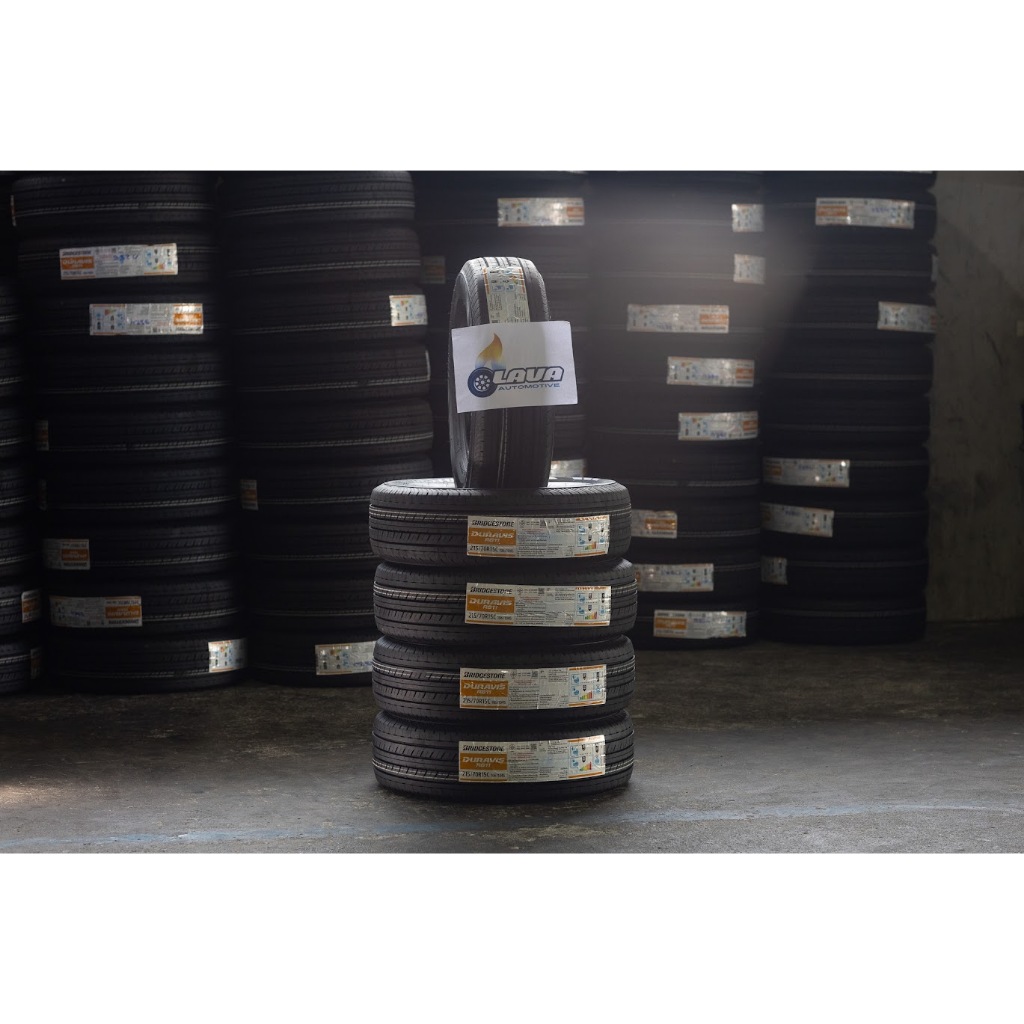
Will a 215/70R15 Tire Fit on the Same Wheel?
Usually, a 215/70R15 tire can mount on a 15-inch wheel, but the wheel must also have a suitable rim width. The wheel diameter alone does not confirm fitment.
Check the tire manufacturer’s approved rim-width range for the exact 215/70R15 model. Many tires in this size fit a range of passenger-car or light-truck wheels, but the range can vary. A tire shop should confirm that your wheel width falls within the published range.
Also check these items:
- Wheel width
- Wheel offset
- Wheel backspacing
- Bolt pattern
- Center bore - Brake and suspension clearance
- Tire load range and construction
- Tire pressure requirements


The tire must seat correctly on the rim. Do not use a tire simply because the wheel diameter matches.
What happens if the rim is too narrow?
A tire mounted on a rim that is too narrow may have a rounded tread profile. That can affect steering feel, tread contact, handling, and wear. It may also prevent the tire from operating as intended.
A rim that is too wide can create a different problem. It may flatten or stretch the tire’s sidewall and place the tire outside the manufacturer’s approved fitment range.
The exact tire model matters. Look up the manufacturer’s technical data sheet, or ask a qualified tire shop to confirm the tire-and-wheel combination.

Will a 215/70R15 Rub or Touch the Vehicle?
A 215/70R15 tire may rub even when a 205/70R15 does not. The risk comes from both the added width and the added height.
Compared with the smaller tire, the 215/70R15 may sit:
- About 5 mm farther inward
- About 5 mm farther outward
- About 7 mm closer to the top of the wheel well
- Slightly closer to the front or rear edges during steering or suspension movement
Actual clearance changes depend on wheel offset and tire shape. A wheel with different offset can move the tire inward or outward by more than the tire-size change itself.
Check clearance in the right places
A visual check with the vehicle parked is useful, but it is not enough. Inspect the tire with the steering wheel turned fully left and fully right. Then check clearance near:
- The strut or shock absorber
- Upper control arms
- Sway-bar links
- Brake hoses
- Inner fender liners
- Mud flaps
- Fender lips
- Body panels
- The front and rear edges of the wheel well
Clearance can change when the suspension compresses. It can also change when the vehicle carries passengers, cargo, or a trailer.
Do not rely on a small gap at rest. A tire that clears while parked may touch during a turn, over a bump, or under a full load.
Signs of tire rubbing
After installation, look for:
- Scuff marks on the sidewall
- Scraped plastic on the inner fender
- Shiny or worn spots on suspension parts
- A rubbing sound during tight turns
- Contact over bumps
- Uneven wear on the shoulder or sidewall
If the tire touches any vehicle part, stop driving until the cause is corrected. Rubbing can damage the tire or vehicle and may become worse during emergency steering or heavy loading.


How Will 215/70R15 Tires Affect the Speedometer?
The larger tire can make the speedometer read slightly slower than your actual speed.
A 215/70R15 is about 2.1% larger in diameter than a 205/70R15 under the nominal calculation. If the original tire is the reference size, then:
- When the speedometer shows 60 mph, actual speed may be about 61.2 mph.
- When the speedometer shows 70 mph, actual speed may be about 71.4 mph.
The exact difference depends on the actual rolling circumference of both tires, inflation pressure, tread depth, load, and vehicle calibration.
The larger tire also reduces engine speed slightly at a given road speed. That may lower cruising rpm, but it can also reduce effective gearing. On some vehicles, this may affect acceleration, hill performance, transmission shift behavior, or towing performance.
Do not use the calculated speed difference as a substitute for a vehicle-specific calibration check. Modern vehicles may use wheel-speed data for systems such as ABS, traction control, and electronic stability control.
Can I Use 215/70R15 Tires on an AWD or 4WD Vehicle?
Use extra care with all-wheel-drive and four-wheel-drive vehicles. Tire diameter differences can cause problems if the vehicle requires closely matched rolling circumference.
Some AWD systems use the difference in wheel speed to manage torque. If one axle has tires with a different effective circumference from another axle, the system may experience additional driveline stress or may trigger warning lights.
For an AWD or 4WD vehicle:
- Check the owner’s manual for approved tire sizes and replacement rules.
- Confirm whether the manufacturer requires all four tires to match.
- Compare the actual tread depth and rolling circumference.
- Ask a dealer or qualified tire professional if the change is not listed as approved.
- Avoid mixing 205/70R15 and 215/70R15 tires unless the vehicle manufacturer specifically permits it.
Replacing all four tires with the same size does not automatically make the size acceptable. The vehicle still must have adequate clearance, correct load capacity, and compatible electronic-system requirements.
For a two-wheel-drive vehicle, mixing sizes may still affect handling and braking. The tires on the same axle should normally match in size, construction, and tread type unless the manufacturer gives different instructions.
Does a 215/70R15 Tire Need a Different Air Pressure?
Not necessarily. Tire pressure is based on the vehicle’s requirements and the tire’s load capacity, not just the tire size.
Start with the tire information placard. In the United States, it is commonly found on the driver’s door jamb, door edge, glove-box door, fuel-door area, or inside the owner’s manual. The placard lists the vehicle manufacturer’s recommended cold tire pressure and the original tire size.
Do not automatically use the maximum pressure molded into the tire sidewall. That number is not usually the vehicle’s normal recommended pressure.
A larger tire may have a different load index or construction. If it does, the required pressure can change. A tire professional should confirm that the replacement tire can carry the vehicle’s maximum front and rear axle loads at the recommended pressure.


Check pressure when the tires are cold. Pressure changes with temperature, driving, cargo, and seasonal conditions. Underinflation can increase heat and shoulder wear. Overinflation can reduce ride comfort and change the tire’s contact pattern.
Does the 215/70R15 Have Enough Load Capacity?
The replacement tire must meet or exceed the original tire’s load index or the vehicle manufacturer’s required load capacity.
The load index is a numerical code on the tire sidewall. It identifies the maximum load the tire can carry under specified conditions. A tire with a different size is not automatically stronger or weaker; the load index, service description, construction, and inflation requirements determine capacity.
For example, a tire may be labeled:
- 205/70R15 96T
- 215/70R15 98T
- 215/70R15 100S
The letters and numbers matter. The first example’s “96” is the load index, while “T” is the speed symbol. A 215/70R15 with a lower load index than the original may be unsuitable even if it fits the wheel.
Compare:
- Original front- and rear-axle load needs
- Replacement tire load index
- Passenger-car or light-truck construction
- Standard-load or extra-load rating
- Speed rating
- Vehicle placard requirements
- Towing and cargo demands
For vans, SUVs, pickups, and vehicles used for towing, do not guess. Use the owner’s manual and tire manufacturer data, then confirm the choice with a qualified tire professional.
Advantages and Disadvantages of Changing to 215/70R15
The wider tire may offer some practical benefits, but the change also has trade-offs.
Possible advantages
A 215/70R15 may provide:
- A slightly wider tread footprint
- More ground clearance from the larger diameter
- A small reduction in engine rpm at the same road speed
- A different appearance
- Access to a tire model that is not offered in 205/70R15
These benefits are not guaranteed. A wider tire does not always improve wet grip, snow traction, braking, or handling. Tread design, rubber compound, load, pressure, road surface, and weather often matter more than a 10 mm width change.
Possible disadvantages
The change may cause:
- Fender or suspension rubbing
- Slight speedometer error
- Slower acceleration
- Changed transmission shift points
- More steering effort at low speeds
- Different ride quality
- Increased road noise
- Reduced fuel economy
- Electronic-system warnings on some vehicles
- A need for different wheels or pressure settings
A wider tire can also follow grooves in the road more strongly on some vehicles. This behavior is often called tramlining. It depends on the tire design, steering geometry, alignment, and road surface.


How to Confirm the Change Before Buying
Use this check before ordering or mounting 215/70R15 tires.
1. Read the vehicle placard
Record the original tire size, recommended cold pressure, and any front/rear differences. The placard is more useful than a generic online size chart because it applies to your vehicle configuration.
2. Check the owner’s manual
Look for approved alternate tire sizes, spare-tire rules, AWD instructions, towing guidance, and warnings about tire replacement.
3. Compare the complete tire marking
Compare the original and replacement tire’s:
- Size
- Load index
- Speed rating
- Construction
- Ply rating or load range, when applicable
- Passenger or LT designation
- Seasonal category
A size match alone is not enough.
4. Confirm the wheel fit
Check the exact tire manufacturer’s approved rim-width range. Confirm the wheel’s width, offset, and condition.
5. Measure available clearance
Measure the current space around the tire. Remember that the replacement needs more room both vertically and laterally. Steering and suspension movement require extra clearance.
6. Check all four tires
For AWD and 4WD vehicles, use the manufacturer’s rules for matching tire size and circumference. For other vehicles, avoid mixing sizes on the same axle unless specifically allowed.
7. Have the tires installed and inspected
A qualified installer should check bead seating, wheel condition, valve stems, balance, rotation direction, and pressure.
8. Test carefully
After installation, drive slowly in a safe area. Turn fully in both directions, pass over a gentle bump, and listen for contact. Recheck for marks after the first short drive.
If the tire rubs, the vehicle pulls, warning lights appear, or the steering feels unusual, stop and have the installation inspected.
When Should You Keep the Original 205/70R15 Size?
Keeping 205/70R15 is usually the safer choice when the vehicle manufacturer does not list 215/70R15 as an approved size or when clearance is uncertain.
Stay with the original size if:
- The vehicle has tight wheel-well clearance.
- The replacement has a lower load index.
- The vehicle uses AWD or a sensitive 4WD system.
- The new tire does not fit the wheel’s approved rim range.
- The tire rubs during steering or suspension movement.
- The speedometer or stability-control system cannot be checked.
- You rely on the vehicle for heavy towing or commercial loads.
- The owner’s manual prohibits the alternate size.
The original size is also the simplest choice when you want the vehicle to retain its factory gearing, speedometer behavior, handling balance, and tire-pressure setup.
Common Mistakes to Avoid
Assuming the same 15-inch wheel means automatic fitment
Both tires fit a 15-inch wheel diameter, but width and rim-width requirements still matter.


Ignoring load index
A wider tire can still have insufficient load capacity. Always compare the full sidewall marking.
Measuring only while parked
Clearance changes during turns, bumps, braking, suspension compression, and heavy loading.
Mixing sizes across an axle
Different tire diameters can change handling and wheel-speed readings. Follow the vehicle manufacturer’s replacement instructions.
Using sidewall maximum pressure as the normal setting
Use the vehicle placard unless a qualified professional provides a documented reason to use a different pressure.
Assuming wider means better
A wider tire is not automatically safer, quieter, faster, or better in rain and snow. Tire design and vehicle compatibility control the result.
Forgetting the spare tire
A 205/70R15 spare may have a different diameter from 215/70R15 road tires. Follow the owner’s manual for temporary spare use, AWD operation, and speed restrictions.
What Do U.S. Safety Sources Say?
The National Highway Traffic Safety Administration explains that tire information placards and vehicle certification labels provide key tire and loading information for a vehicle. The placard includes the original tire size and recommended cold inflation pressure.
The U.S. Tire Manufacturers Association advises owners to select replacement tires that meet the vehicle manufacturer’s requirements and to maintain proper inflation. Its tire-care guidance also stresses checking tires for damage, wear, and pressure.
These sources do not approve 215/70R15 for every vehicle that uses 205/70R15. They support the broader safety rule: replacement tires must match the vehicle’s size, load, pressure, and fitment requirements.
Useful U.S. references include:
Vehicle-specific approval still comes from the vehicle owner’s manual, placard, manufacturer service information, and the exact tire manufacturer’s specifications.
Frequently Asked Questions
Is 215/70R15 bigger than 205/70R15?
Yes. The 215/70R15 is about 10 mm wider and about 14 mm larger in nominal overall diameter. It also has a sidewall about 7 mm taller.
Will 215/70R15 fit any vehicle that uses 205/70R15?
No. It may fit some vehicles, but clearance, wheel width, offset, load index, speed rating, and vehicle electronics must be checked first.
Can I put 215/70R15 tires on the rear only?
Only if the vehicle manufacturer permits that tire arrangement. Mixing tire sizes can affect handling, braking, traction control, ABS, and AWD systems.
Will 215/70R15 improve gas mileage?
Not necessarily. The larger tire may reduce engine rpm during cruising, but added weight, rolling resistance, width, tread design, and gearing can offset that benefit.
Can I use 215/70R15 tires for towing?
Only if the tires meet the vehicle’s required load capacity and the vehicle manufacturer allows the size. Check the tire load index, pressure, axle ratings, and towing instructions before use.
Final Recommendation
You may be able to replace 205/70R15 with 215/70R15, but treat it as a vehicle-fitment decision, not a simple tire-size swap.
The change is modest: about 10 mm wider and roughly 2.1% taller. Before buying, confirm the approved alternate size, wheel-width range, load index, speed rating, clearance, pressure, spare-tire requirements, and AWD or 4WD rules.
If the vehicle manufacturer does not approve 215/70R15, if the tire rubs, or if any load or clearance detail is uncertain, stay with 205/70R15 and ask a qualified tire professional to verify the application.
