

Introduction
In the United States, “TLC” in a car listing usually means “tender loving care.” It tells you that the vehicle needs some repair, cleaning, maintenance, or general attention. For example, a seller may write, “Runs well but needs TLC.”
The term has a second major meaning in New York City. There, TLC refers to the New York City Taxi and Limousine Commission, which licenses and regulates taxis, livery cars, and other for-hire vehicles. The right meaning depends on where you saw the term.

What does TLC mean in a used car listing?
In a used car ad, TLC means the car needs work before it is in good condition. The phrase is informal. It does not tell you what repairs the vehicle needs or how much those repairs will cost.
A seller might use “needs TLC” to describe:


- Worn paint or a damaged interior
- Old tires or weak brakes
- A check engine light
- A dead or weak battery
- Fluid leaks
- A broken air conditioner
- Needed oil and filter service
- Small dents, rust, or scratches
- A car that has been sitting for a long time
The phrase can describe a minor issue, such as a dirty cabin. It can also hide a major problem, such as engine or transmission damage. Treat “needs TLC” as a reason to inspect the car, not as proof that the repair will be cheap.
Is “needs TLC” a warning sign?
It can be. The phrase is not a technical diagnosis, inspection result, or warranty. A private seller may use it honestly to describe cosmetic wear. Another seller may use it as a vague way to avoid listing serious defects.
Ask the seller to replace the phrase with facts:
- What parts need repair?
- Is the car safe to drive?
- Are any warning lights on?
- Does the title show salvage, rebuilt, flood, or other damage?
- When was the last service completed?
- Are service records available?
- Does the car pass the required state inspection?
- Can you arrange an independent inspection?
A clear answer is more useful than the phrase itself. If the seller cannot explain what the car needs, increase your caution.
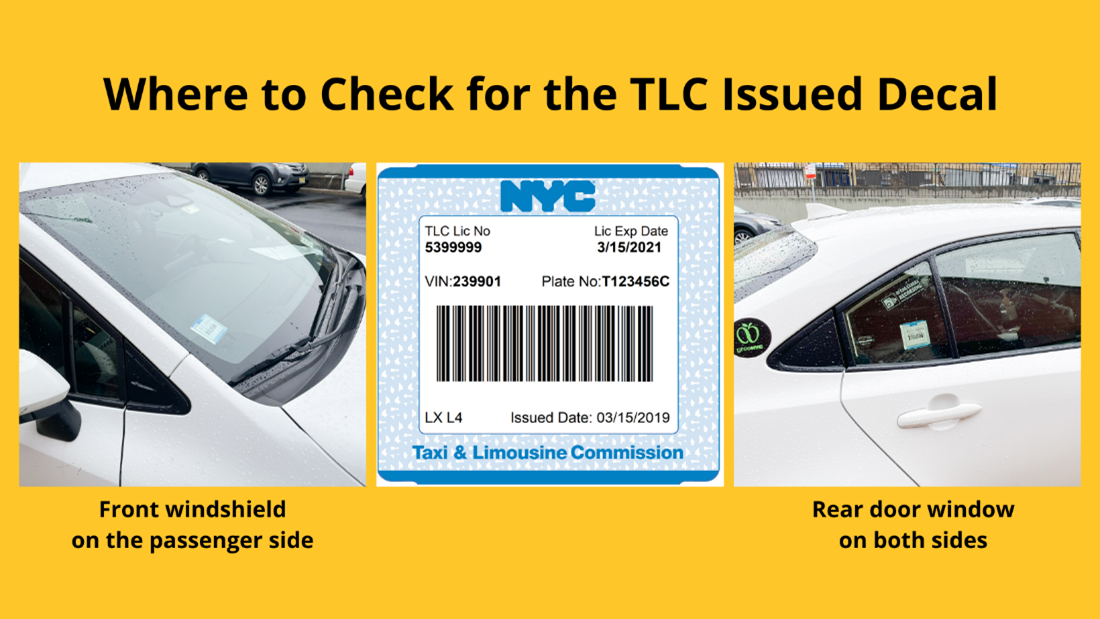
What does TLC mean in New York City?
In New York City, TLC means the Taxi and Limousine Commission. The agency regulates transportation services that carry passengers for a fee, including:
- Yellow taxis
- Green taxis
- For-hire vehicles
- Livery vehicles
- Black cars
- Some commuter vans
- Paratransit vehicles
- Drivers who provide these services
A vehicle with a TLC license is approved for a specific type of commercial passenger service. It is not simply a private car with a special inspection sticker.
The New York City Taxi and Limousine Commission sets rules for licensing, vehicle standards, driver requirements, insurance, inspections, and operating areas. Requirements can change, so owners and drivers should check the current information on the official NYC Taxi and Limousine Commission website.
What is a TLC car?
A “TLC car” usually means a vehicle licensed or intended for use as a for-hire vehicle in New York City. A driver may use it to carry passengers who book rides through a licensed service or app.


The car may need to meet rules for:
- Vehicle age
- Vehicle condition
- Insurance
- Commercial registration
- Safety inspections
- Accessibility, where required
- Interior and exterior condition
- Required equipment
- Driver and vehicle licensing
The exact rules depend on the vehicle class and the service. A car that is suitable for private use may not qualify for a TLC license.
Is a TLC plate the same as a regular license plate?
No. A TLC plate is linked to commercial passenger service and is different from a standard private-use plate. The plate alone does not explain every right or restriction tied to the vehicle.
A buyer should confirm:
- Whether the vehicle has an active TLC license.
- Whether the license can be transferred.
- Whether the vehicle meets current age and inspection rules.
- Whether commercial insurance is required.
- Whether the vehicle has unpaid violations or liens.
- Whether the vehicle is being sold for private use or continued commercial use.
Do not assume that a former TLC vehicle is the same as a privately owned car. Commercial use may mean higher mileage, more passenger wear, and a different service history.

How can you tell which meaning of TLC applies?
Use the words around “TLC” to identify the meaning.
| Where you see TLC | Most likely meaning | What to check |
|---|---|---|
| “Needs TLC” in a private-sale ad | The car needs care or repairs | Inspection, records, warning lights, repair costs |
| “TLC plate” | New York City commercial vehicle licensing | License status, insurance, violations, eligibility |
| “TLC driver” | Driver regulated by New York City’s Taxi and Limousine Commission | Driver credentials and service status |
| “Former TLC vehicle” | A car previously used for paid passenger service | Mileage, wear, maintenance, title, and commercial history |
| Insurance or claim paperwork | Not a universal term | Ask the insurer or document issuer for its exact definition |
The phrase “needs TLC” is not the same as “total loss.” A total loss is an insurance decision based on damage and repair economics. Insurance companies may use different formulas and state rules to decide whether a vehicle is a total loss.
If “TLC” appears on an insurance, auction, title, or repair document, ask the organization that issued the document. Context matters.

How much does a car needing TLC cost to fix?
There is no standard “TLC repair cost.” The price depends on the car, location, parts, labor, and the problem’s severity.
A useful way to estimate the risk is to divide the work into three groups:
| Repair group | Examples | Usual buying concern |
|---|---|---|
| Cosmetic | Cleaning, paint defects, small dents | May affect appearance more than safety |
| Routine maintenance | Oil service, battery, tires, filters | Often predictable, but still needs a quote |
| Major mechanical or safety work | Brakes, suspension, engine, transmission, structural damage | Can make a low purchase price expensive |
A hypothetical example:
- Purchase price: $5,000
- Tires and brake work: $1,200
- Battery and routine service: $300
- Air-conditioning repair: $900
- Estimated total: $7,400 before taxes and other fees
That $5,000 car is not really a $5,000 car if the listed repairs are necessary. The estimate also needs a reserve for hidden problems.
A simple repair-cost formula
Use this calculation before making an offer:


Total cost = purchase price + immediate repairs + taxes and fees + inspection cost + repair reserve
The repair reserve should be larger when the car has:
- High mileage
- No service records
- Rust
- A salvage or rebuilt title
- Warning lights
- A history of commercial use
- Long periods of storage
- Signs of flood or collision damage
The formula does not predict the exact final cost. It helps prevent a common mistake: judging the vehicle only by its sale price.

How to inspect a car that needs TLC
Arrange an independent inspection before buying, especially if the seller uses vague language. A qualified mechanic can find problems that are hard to spot during a short test drive.
Before the inspection
Ask for:
- The vehicle identification number, or VIN
- The title status
- Service records
- The reason for the sale
- A list of known problems
- Permission for an independent inspection
- A cold start, if possible
A seller who refuses an inspection is not automatically dishonest. However, the refusal removes one of your best ways to measure risk.
During the inspection
Check the following areas:
Warning lights
Turn the ignition on before starting the engine. Confirm that the warning lights illuminate during the system check and then go out after the engine starts. A light that stays on needs diagnosis.Fluids and leaks
Look for oil, coolant, brake fluid, transmission fluid, or fuel leaks. A clean engine bay is not proof that no leak exists.Tires and brakes
Uneven tire wear can point to alignment, suspension, or steering problems. Grinding, pulling, vibration, or a soft brake pedal needs prompt attention.Engine and transmission
Listen for knocks, rattles, or unusual noises. Check for smoke, rough running, delayed gear changes, or slipping.Frame and body
Look for mismatched paint, uneven panel gaps, weld marks, crushed areas, and rust. These signs may point to past collision damage.Interior and electrical systems
Test the lights, windows, locks, dashboard controls, heat, air conditioning, backup camera, and seat belts.Road behavior
During a safe test drive, watch for steering pull, suspension noise, vibration, overheating, and transmission problems.History records
Use the VIN to review title events, reported accidents, odometer records, and service history. A history report is useful, but it may not include every repair or accident.
Do not drive a car that has unsafe brakes, severe tire damage, major fluid leaks, a failing steering system, or other serious safety defects. Have it transported to a repair shop when needed.
What should you ask the seller?
Ask questions that turn “needs TLC” into a repair list:
- What exactly needs attention?
- Which warning lights are on?
- Does the vehicle start and drive every time?
- Has the engine or transmission been replaced?
- Has the vehicle been in a flood or major crash?
- Does it have a clean, salvage, rebuilt, or branded title?
- How long has it been sitting?
- When were the brakes, tires, battery, and timing components replaced?
- Are there unpaid loans, liens, tickets, or registration problems?
- Can I have my mechanic inspect it?
- Is the price based on the known repairs?
Write down the answers. Compare them with the inspection report and vehicle history. If the seller’s statements change, treat that as a risk signal.

Common mistakes when buying a car that needs TLC
Assuming TLC means a small repair
It may mean a dirty interior, but it may also mean an engine problem. Never estimate the repair bill from the phrase alone.
Ignoring title brands
A salvage, rebuilt, flood, or lemon-law title can affect insurance, financing, resale value, and safety. Review the title before paying a deposit.


Skipping the mechanic
A test drive cannot reveal every problem. An inspection may cost money, but it can prevent a far larger loss.
Buying parts before confirming the diagnosis
A warning light does not identify one exact failed part. Scan codes can point to a system, but further testing may be needed.
Treating a former TLC vehicle like a low-mileage private car
Commercial passenger use can create heavy wear on seats, brakes, suspension, doors, and climate systems. Mileage and maintenance records matter more than the label alone.
Confusing a TLC license with vehicle quality
In New York City, TLC licensing shows that a vehicle is regulated for a specific commercial use. It does not guarantee that the car is mechanically excellent or a good private purchase.

Is a car that needs TLC worth buying?
It can be worth buying when the problems are known, the title is acceptable, the inspection supports the seller’s claims, and the total cost fits your budget.
It is usually a poor choice when:
- The seller will not allow an inspection.
- The title status is unclear.
- The vehicle has severe rust or structural damage.
- Several warning lights are active.
- The repair estimate is close to the car’s realistic finished value.
- The seller cannot explain the maintenance history.
- You need reliable transportation immediately.
- The car was used commercially but records are missing.
The best decision is based on the car’s total cost and risk, not on the phrase “needs TLC” or a low sticker price.

Frequently asked questions
Does TLC mean the car is damaged?
Not always. It means the car needs care, but the phrase does not show whether the issue is cosmetic, routine, mechanical, or safety-related.
Is TLC the same as a salvage title?
No. A salvage title is a formal title brand. TLC is usually an informal phrase or a reference to New York City’s Taxi and Limousine Commission.
Can I buy a former NYC TLC car for personal use?
Often, a former commercial vehicle may be sold for private use, but you must verify its title, registration, insurance, condition, and any remaining licensing or financing issues. Confirm the rules with the New York State Department of Motor Vehicles and your insurer.
Are TLC cars reliable?
TLC licensing does not prove reliability. Reliability depends on the vehicle’s model, age, mileage, maintenance, accidents, commercial use, and current condition.
Should I avoid a car that needs TLC?
Not automatically. Avoid the car when the problems are unknown, the inspection is refused, or the total repair risk is too high for your budget.
Conclusion
In most U.S. car listings, TLC means “tender loving care,” or repairs and maintenance that the vehicle needs. In New York City transportation, TLC means the Taxi and Limousine Commission, which regulates commercial passenger vehicles and drivers.
If you are considering a car described as needing TLC, get the VIN, review the title and history, obtain an independent inspection, and calculate the full cost before you buy. If you saw TLC on a New York City vehicle or license document, check its current license, insurance, inspection, and transfer requirements through the official agency.
