

In the United States, infants should not wear a bulky winter coat under the harness of a car seat. Thick coats can compress during a crash and leave space between the child and the straps. That space may increase the risk of the baby slipping out or moving too far forward.
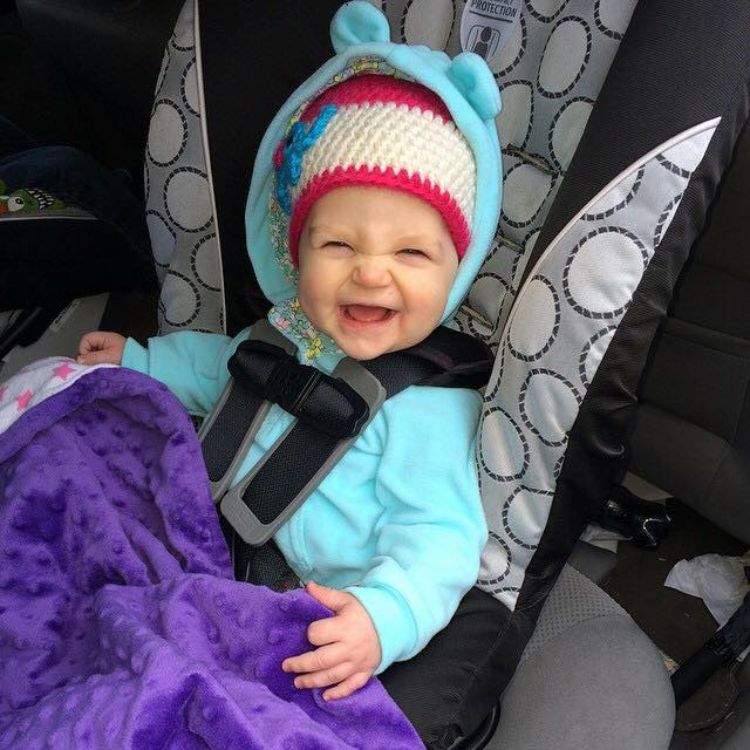
Instead, dress your infant in thin layers. Secure the harness snugly against the child’s body. Then place a blanket over the buckled harness, or use a car-seat cover that fits over the outside of the seat and does not cover the baby’s face.
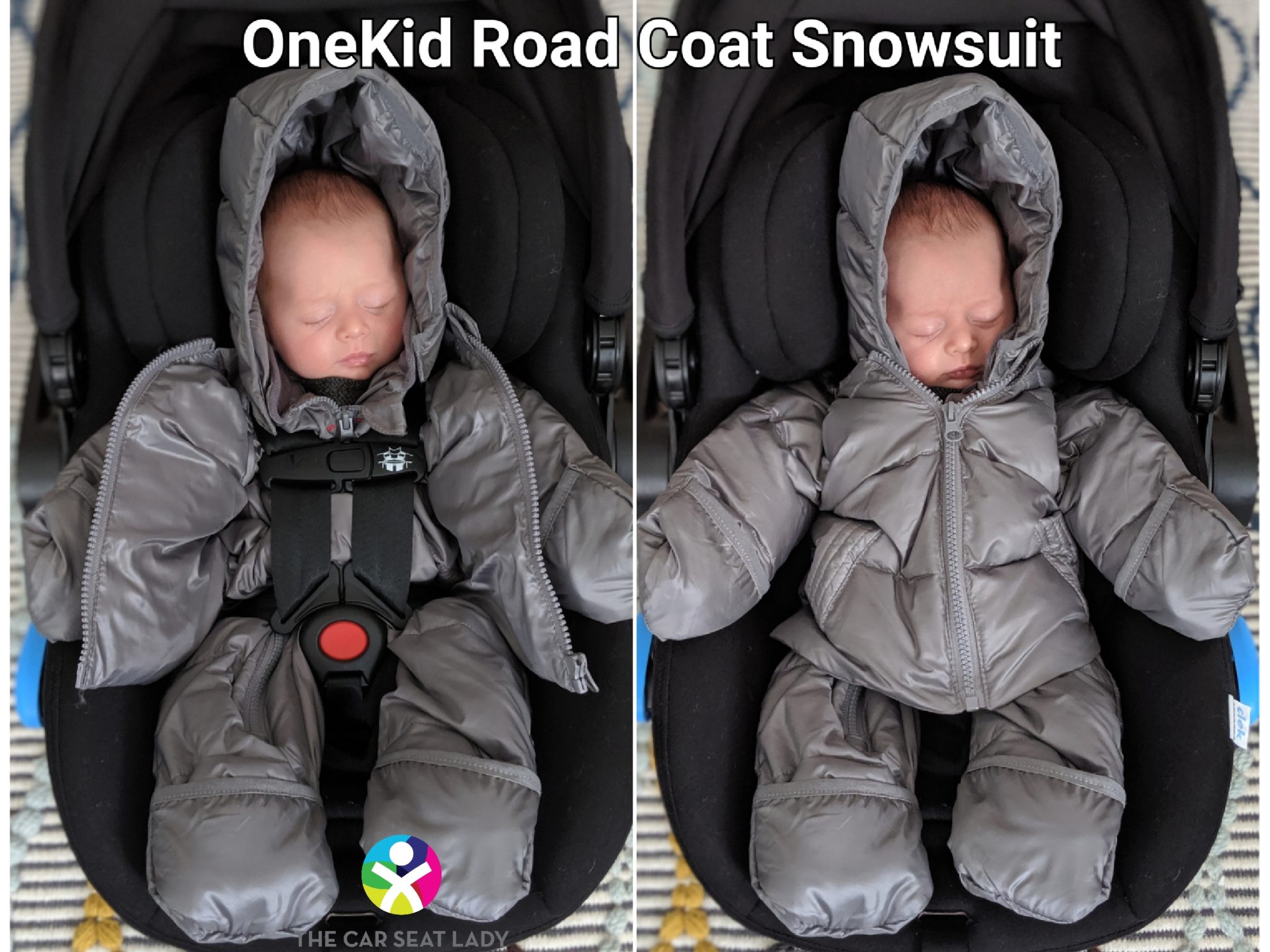
Why bulky coats are unsafe under a car-seat harness
A car-seat harness must stay close to the child’s body. A thick coat adds padding between the infant and the straps. In a crash, that padding can flatten quickly, even if the coat feels firm before the trip.
This can create hidden slack. The harness may look tight while the baby is sitting still, but it may not hold the child as well during a sudden stop.


The American Academy of Pediatrics advises parents not to place children in car seats while wearing bulky coats or snowsuits. The National Highway Traffic Safety Administration also stresses that the harness should fit snugly and that extra material should not sit between the child and the straps.
This rule applies to:
- Padded winter coats
- Snowsuits
- Thick bunting bags
- Puffy jackets
- Heavy fleece suits
- Quilted or insulated one-piece outfits
- Thick blankets placed under the harness
The concern is not that the coat is warm. The concern is that the coat sits between the baby and the restraint system.
The simple test for a coat
Dress your infant in the coat. Buckle and tighten the harness as you normally would. Remove the infant without changing the harness setting.
Then place the infant back in the seat without the coat. Buckle the same harness and check the fit.
If the harness is loose with the coat removed, the coat was too bulky to wear under the harness. This test is useful because it shows whether the coat creates extra space.
Do not loosen the straps to fit a thick coat. A loose harness is not a safe solution.

What should an infant wear in a car seat?
The safest choice is usually thin, warm layers under a snug harness. For example, your baby may wear a long-sleeved shirt, thin sweater, pants, socks, and a light fleece layer if the car-seat manufacturer allows it.
The harness should rest on the child’s clothing without thick padding underneath it. The shoulder straps should come from the correct position for a rear-facing seat, based on the seat manual.
Good options may include:
- A thin cotton shirt
- Lightweight pants
- Thin socks
- A close-fitting fleece layer
- A thin sweater
- A hat worn only when it does not interfere with the harness or create overheating
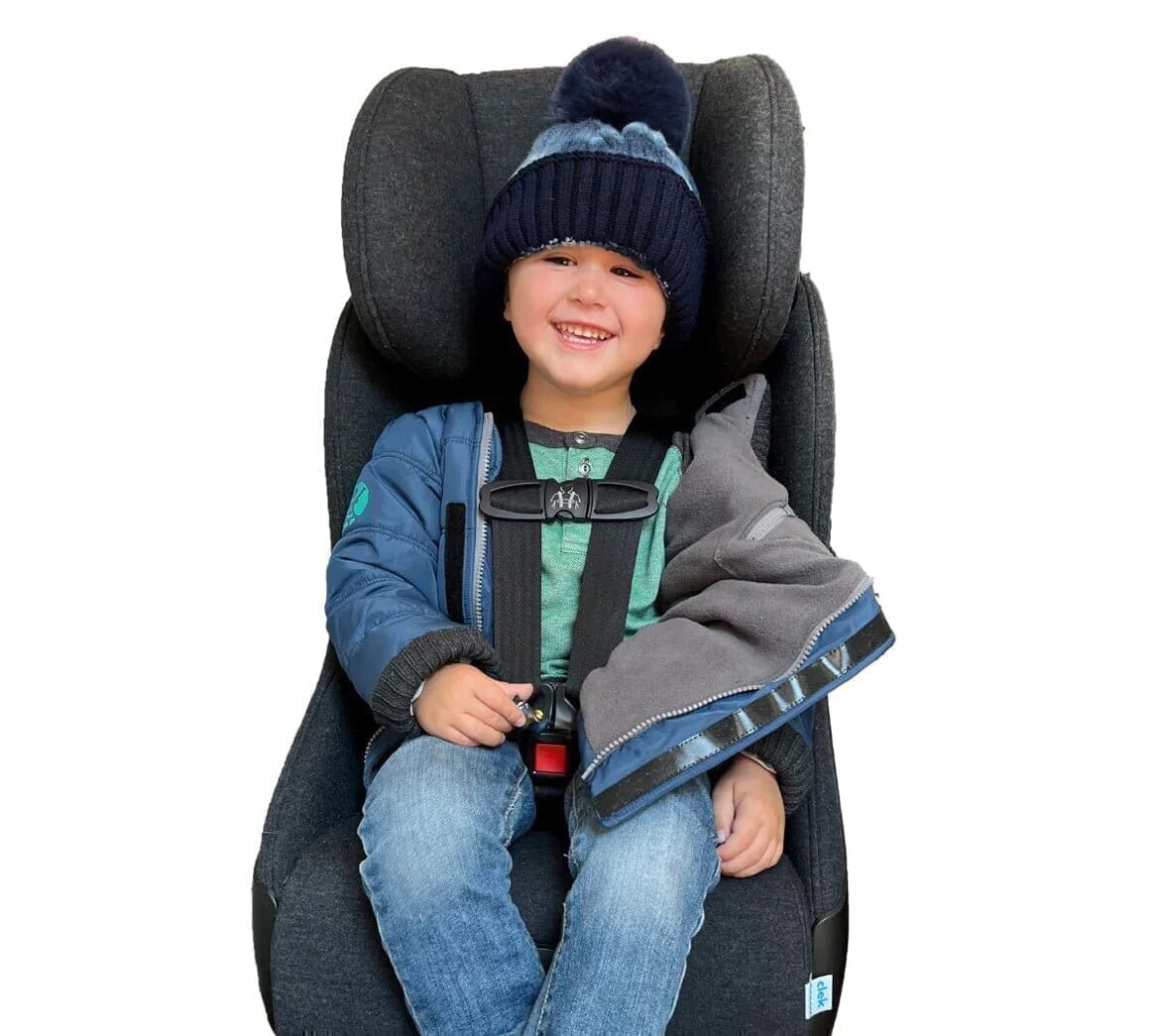
After the harness is buckled and tightened, place a blanket over the straps. The blanket should not go behind the child, under the child, or between the child and the harness.


Check your infant often. Babies can become too warm, especially in a heated vehicle. Remove the blanket or extra layer once the car is warm.
How to keep a baby warm without a bulky coat
Use this order:
- Dress the infant in thin layers.
- Place the infant in the rear-facing car seat.
- Fasten the harness.
- Tighten the harness until it fits snugly.
- Add a blanket over the buckled harness.
- Remove extra layers when the vehicle becomes warm.
A blanket is easy to remove. A thick coat under the harness can affect the fit for the whole trip.
Never place a loose blanket near the infant’s face. Keep the baby’s mouth and nose clear. Do not wrap the blanket around the back of the seat or tuck it under the harness.

Are car-seat covers safe for infants?
A car-seat cover may be safe when it goes over the outside of the seat and does not sit between the infant and the harness. It should not cover the baby’s face or block air flow.
The safest design is usually an open style that fits around the outside of the car seat after the child is buckled. Avoid products that have a layer under the baby or under the harness unless the car-seat manufacturer specifically approves that product for that model.
Before using a cover, check:
- The cover does not go under the infant.
- The cover does not go behind the infant’s back.
- The cover does not interfere with the harness.
- The cover does not cover the infant’s face.
- The infant’s head and airway remain clear.
- The cover does not cause the infant to overheat.
- The car-seat manual does not prohibit that type of accessory.
Many infant car seats have a handle and a detachable carrier shell. A cover made for one seat may not fit another seat correctly. A product that fits the carrier does not automatically meet the instructions for every model.
Avoid covers with a back layer
Some covers look like blankets but have a panel that goes behind the baby. That panel can add material between the child and the seat. It may also change how the harness fits.
Read the product instructions and the car-seat manual together. If the instructions conflict, do not use the accessory until you confirm compatibility with the car-seat manufacturer.
A shower cap-style cover that goes over the top of the carrier may keep out wind and snow, but it still must allow air to move freely. Never use a cover that seals the seat or rests over the baby’s face.

How to buckle an infant safely in cold weather
Correct winter clothing is only one part of safe car-seat use. The infant should ride in a rear-facing car seat for every trip, following the seat’s height and weight limits.
Use this checklist before driving:
1. Place the infant flat against the seat
The baby’s back and bottom should rest against the seat. Remove thick clothing from behind the child if it changes the fit.
2. Position the harness correctly
For a rear-facing infant, the shoulder straps should come from at or below the child’s shoulders, unless the seat manual gives different instructions.


The chest clip should sit at armpit level. It should not rest on the belly or neck.
3. Tighten the harness
Pull the harness adjustment strap until the straps lie flat and snug. You should not be able to pinch a fold of webbing at the child’s shoulder.
This is commonly called the pinch test. Test the harness near the shoulder, not at the chest clip.
4. Add warmth over the harness
Place a blanket over the secured harness. Tuck the blanket around the outside of the seat, not beneath the straps.
5. Check the baby during the trip
Look for signs of overheating, such as sweating, flushed skin, damp hair, or unusual fussiness. Remove the blanket when the vehicle warms up.
A car seat should never be used as a place for unsupervised sleep outside the vehicle. When you arrive, move the infant to a firm, flat sleep surface as soon as practical.
What if the infant must wear a coat outside?
You can use a coat for walking between the home and the vehicle. Remove the coat before securing the baby in the car seat.
A practical routine is:
- Carry the infant to the vehicle in the coat.
- Take off the coat.
- Place the infant in the car seat.
- Buckle and tighten the harness.
- Cover the baby with a blanket over the harness.
- Put the coat back on when the infant leaves the vehicle.
For a very short walk, you may place the coat on backward over the child’s arms after the harness is secure. The coat should not sit under the straps. Make sure it does not cover the baby’s face or interfere with the buckle.
You can also use a thin jacket that passes the coat test. If the harness remains snug when the jacket is removed, the jacket may be thin enough. The car-seat manual remains the final source for model-specific instructions.

Does the coat rule apply to newborns and infant carriers?
Yes. The same basic rule applies to newborns riding in rear-facing infant carriers and to older babies riding in rear-facing convertible car seats.
Newborns need extra care because they have limited head and neck control. Do not add aftermarket head supports, rolled blankets, or padded inserts unless they came with the seat or the manufacturer approves them for that specific model.
A newborn insert included by the car-seat manufacturer is different from a store-bought cushion. Use included parts only as directed in the manual.
If the baby appears slumped, the harness does not tighten correctly, or the infant does not fit within the seat’s stated limits, stop and check the manual. A certified child passenger safety technician can help with installation and harness fit.
You can find local inspection help through the National Highway Traffic Safety Administration child passenger safety directory.


Common winter car-seat mistakes
The most common mistake is loosening the harness to fit a coat. This defeats the purpose of the restraint. Remove the coat instead.
Other mistakes include:
- Putting a blanket behind the infant
- Placing a blanket under the harness
- Using a thick bunting bag with a back panel
- Adding an unapproved cushion
- Covering the baby’s face
- Leaving a hat or hood that pushes the head forward
- Assuming a product is safe because it is sold for car seats
- Forgetting to remove warm layers after the car heats up
- Using a forward-facing position too early
- Failing to read the manual for both the car seat and accessory
A product label alone does not show that an accessory is safe with your seat. The key question is whether the item changes the harness fit or places material behind the child.

Winter car-seat decision table
Use this table as a quick guide. When in doubt, follow the car-seat manual and ask a certified technician.
| Winter item | Usually acceptable? | How to use it |
|---|---|---|
| Thin shirt or sweater | Yes | Keep the harness snug |
| Thin fleece layer | Often | Confirm the seat manual allows it |
| Puffy coat | No under the harness | Remove it before buckling |
| Thick snowsuit | No under the harness | Use thin layers instead |
| Loose blanket | Yes, over the harness | Keep the face clear |
| Blanket under the baby | No | It changes the seat fit |
| Blanket under the harness | No | It creates extra space |
| Cover over the seat | Often | Use only if it does not cover the face or affect fit |
| Unapproved seat insert | No | Use only manufacturer-approved parts |
| Coat worn backward over the harness | Often practical | Keep the buckle and face clear |
“Usually acceptable” does not replace the instructions for your particular car seat. Car-seat designs differ, and accessory rules can change by model.

What to do if the harness does not fit
If the harness feels loose after removing the coat, first remove more bulky clothing. Check that the infant’s bottom and back are against the seat. Then retighten the harness.
If the straps still do not fit:
- Read the car-seat manual.
- Confirm that the harness is routed correctly.
- Check that the infant is within the seat’s height and weight limits.
- Look for an unapproved insert or padding.
- Contact the manufacturer.
- Arrange an inspection with a certified child passenger safety technician.
Do not solve a fit problem by adding a homemade pad or changing the harness route. Do not use a seat that has expired, has missing parts, or has been involved in a moderate or severe crash unless the manufacturer confirms that it remains usable.

Frequently asked questions
Can a baby wear a fleece jacket in a car seat?
A thin fleece jacket may fit safely in some seats, but it must not create harness slack. Check the fit with and without the jacket. If the straps are loose when the jacket is removed, use thinner layers.
Can an infant wear a hat in a car seat?
A thin hat may be used if it does not push the baby’s head forward, cover the face, or cause overheating. Avoid thick hoods and bulky hats that affect head position.
Can I put a blanket over a baby in a car seat?
Yes, a blanket can go over a properly buckled harness. Keep it below the baby’s shoulders when possible, and keep the nose and mouth uncovered. Do not place the blanket behind the baby or under the harness.
Are car-seat ponchos safer than coats?
A poncho may be an option if it is designed to leave the harness close to the child and is approved for use with that car seat. Read both sets of instructions. A thick poncho that sits behind the baby can create the same problem as a bulky coat.
Should I warm the car before putting the baby inside?
Warming the vehicle first can make the transition more comfortable, but it does not replace proper harness use. Never leave an infant alone in a running vehicle. Secure the baby correctly every time.
Key takeaways
- Do not place a bulky winter coat under an infant’s car-seat harness.
- Use thin layers that allow the harness to sit snugly against the baby.
- Put blankets over the buckled harness, never underneath it.
- Use car-seat covers only when they stay outside the harness area and leave the baby’s face uncovered.
- Follow the car-seat manual for clothing, inserts, and accessories.
- Ask a certified child passenger safety technician to check the fit if you are unsure.
Conclusion
The safest winter routine is simple: remove the bulky coat, buckle the infant snugly, and add warmth over the harness. A coat may keep a baby warm outside the car, but it can interfere with the restraint inside the car. When the temperature drops, thin layers and a properly placed blanket provide warmth without adding hidden space beneath the harness.


