

A typical car battery lasts three to five years, though climate, driving habits, and upkeep can change that.
Understanding does how long a car battery last on average helps you avoid surprise breakdowns, missed work, and expensive emergency calls. Battery life depends on more than age alone. Heat, cold, short trips, charging problems, and electrical drain all play a role. This guide explains the signs, causes, testing steps, and replacement tips you need to make a smart choice.
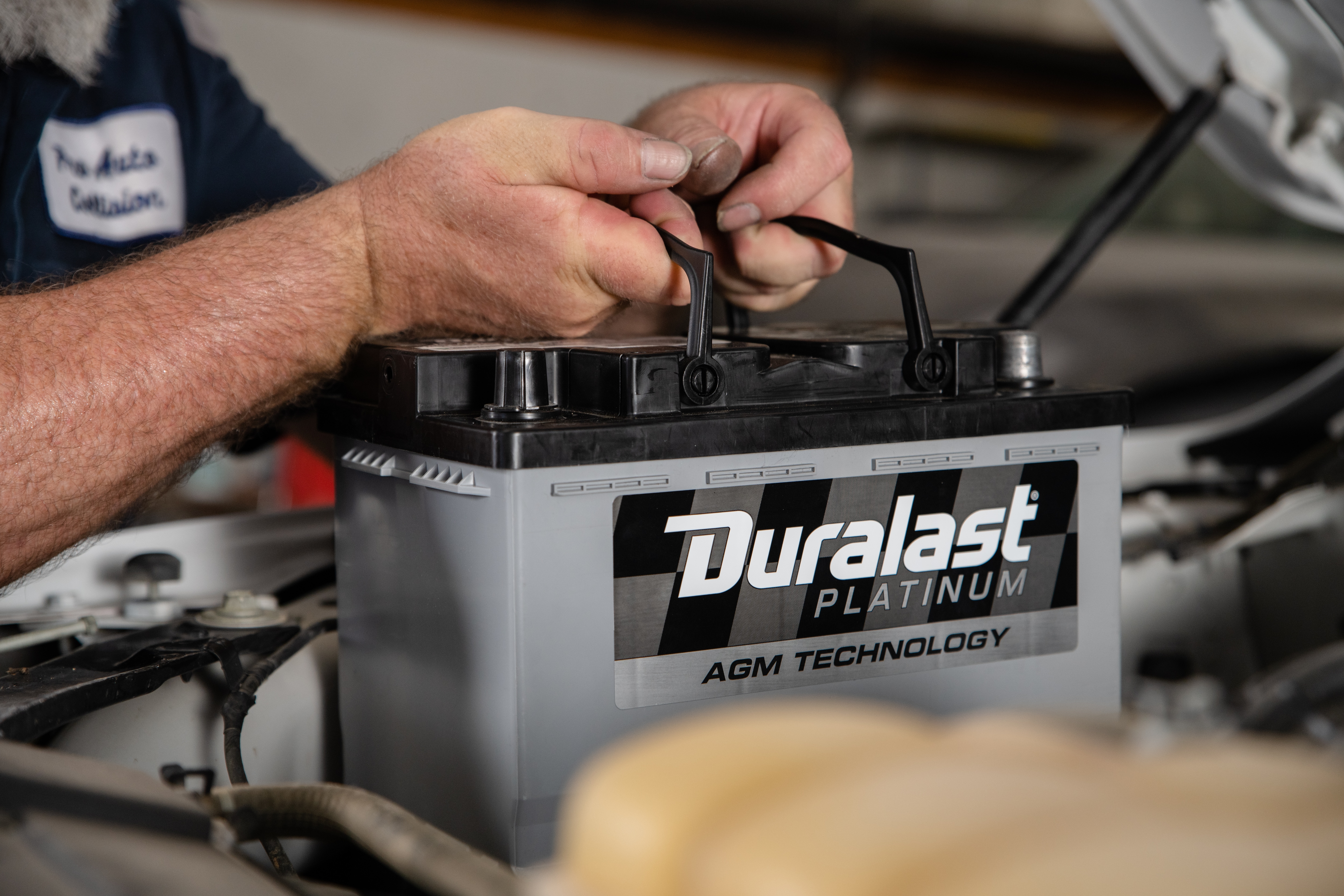
How long does a car battery last on average?
Most car batteries last about three to five years under normal driving conditions. Some may work for six years or more, while others fail in less than three years. The difference often comes down to climate, vehicle design, battery quality, and daily use.
So, does how long a car battery last on average have one fixed answer? No. The three-to-five-year range is a useful guide, not a guarantee.
A battery stores electrical energy and sends power to the starter motor. It also supports lights, computers, and other systems when the engine is off. Once the engine starts, the alternator recharges the battery and powers the vehicle’s electrical parts.
Battery life can change for several reasons:
• Hot weather speeds up chemical damage inside the battery.
• Cold weather makes the engine harder to start.
• Short trips may not give the alternator enough time to recharge the battery.
• Loose or dirty terminals can reduce electrical flow.
• A weak alternator can leave the battery undercharged.
• Parasitic drain can slowly empty the battery while the car is parked.
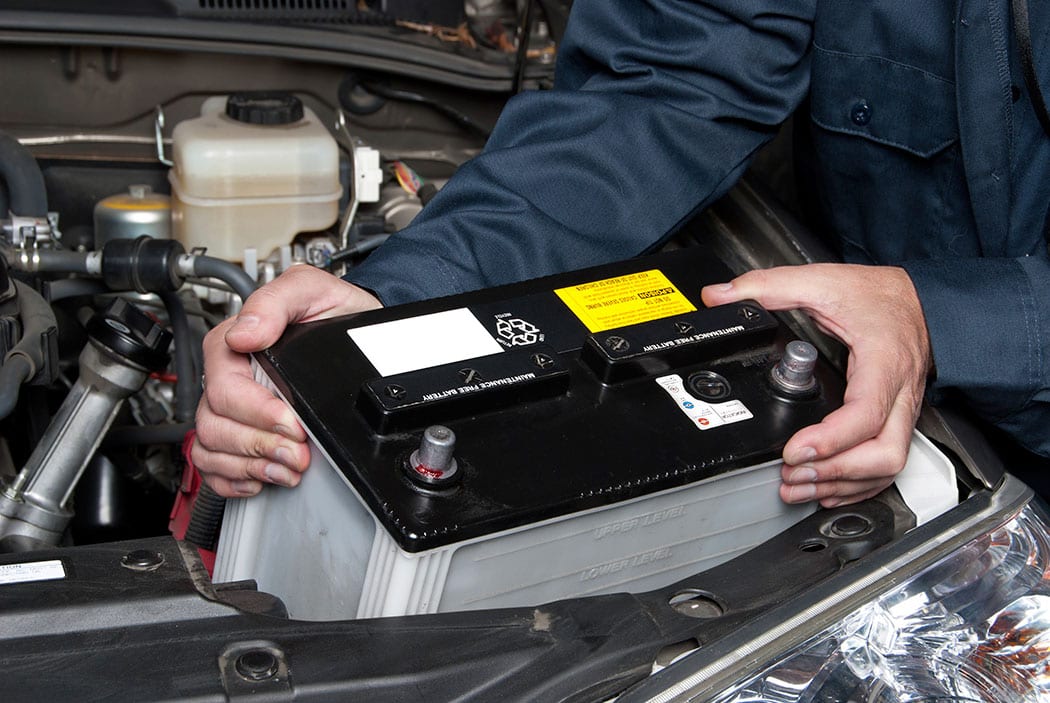
What affects average car battery life?
The answer to does how long a car battery last on average depends heavily on its environment and use. Two identical cars can have very different battery lives if one operates in Arizona and the other operates in a mild coastal area.
Climate and temperature
Heat is often harder on a car battery than cold. High temperatures increase the rate of chemical reactions inside the battery. This can cause water loss, corrosion, and damage to the internal plates.
Cold weather creates a different problem. It slows the battery’s chemical reaction and reduces its starting power. At the same time, engine oil becomes thicker, so the starter needs more power to turn the engine.
This is why a battery that seems fine in summer may fail on the first freezing morning. The cold may not have caused the weakness. It simply exposed it.
Driving habits
Frequent short trips can reduce battery life. Starting the engine uses a large amount of energy. A five-minute drive may not give the alternator enough time to replace that power.
Longer drives help the charging system restore the battery. However, long drives cannot fix an old battery with damaged cells.
Vehicle equipment
Modern vehicles use many electronic systems. Remote start systems, security features, heated seats, power liftgates, and large infotainment screens can increase electrical demand.
A vehicle with advanced electronics may need a specific battery type. Installing the wrong battery can cause poor performance or charging problems. Always follow the vehicle manufacturer’s specifications.
Battery quality and maintenance
Battery construction also matters. Standard flooded lead-acid batteries are common and affordable. Absorbent glass mat batteries, often called AGM batteries, are built for higher electrical demands and greater vibration resistance.
Many modern batteries are maintenance-free. Still, they need clean terminals, secure connections, and a healthy charging system. Maintenance-free does not mean problem-free.

How to tell when a car battery is failing
A weak battery often gives warnings before it stops working. Learning these signs can help you replace it on your schedule instead of waiting for a tow truck.
Common signs include:
• The engine cranks slowly when you start the car.
• The headlights look dim before the engine starts.
• Interior lights flicker or appear weak.
• The battery warning light turns on.
• Electrical features work inconsistently.
• The engine needs several attempts to start.
• The battery case looks swollen or cracked.
• There is a rotten egg smell near the battery.
A swollen battery needs immediate attention. It may have suffered from excess heat, overcharging, or internal damage. Do not handle a cracked or leaking battery without proper protection.
The answer to does how long a car battery last on average becomes less important when these symptoms appear. A battery that struggles at three years may need replacement sooner than a quiet battery that reaches five years.
One warning deserves special attention: a clicking sound when you turn the key. Rapid clicking often means the battery lacks enough power. However, a single click can also point to a starter or wiring problem.

How to test your car battery
A battery test can show more than a simple voltage reading. It can measure starting strength and reveal whether the battery can handle a real load.
Check the battery age
Look for a date label on the battery case. Some labels use a letter for the month and a number for the year. For example, C4 may mean March 2024, depending on the manufacturer’s coding system.
If the battery is more than three years old, test it before extreme summer or winter weather. Age alone does not prove failure, but it raises the risk.
Inspect the battery
With the engine off, look for:
• Corrosion around the terminals
• Loose cable connections
• A cracked or swollen case
• Damaged hold-down hardware
• Leaking fluid
Do not remove corrosion with bare hands. Wear eye protection and gloves. If the battery case is damaged, have a trained technician handle it.
Measure resting voltage
A fully charged 12-volt battery often measures about 12.6 volts after sitting unused for several hours. A reading near 12.2 volts suggests a partial charge. A reading below 12 volts may indicate a deeply discharged or weak battery.
Voltage is only one part of the test. A battery can show acceptable voltage and still fail under load.
Request a load or conductance test
Many repair shops and auto-parts stores can test a battery in minutes. The test checks whether the battery can deliver enough current for starting.
Ask for a charging-system test, too. Replacing a battery without checking the alternator may only hide the real problem.

Does a car battery last longer with maintenance?
Proper care can help a battery reach the upper end of its expected life. It cannot stop normal aging, but it can prevent avoidable damage.
Use these practical habits:
Keep the terminals clean and tight.
Make sure the battery is held firmly in place.
Turn off lights and accessories before leaving the vehicle.
Drive long enough to recharge the battery after starting.
Test the battery before a major season change.
Repair warning lights and electrical faults quickly.
Use a battery maintainer if the car sits for weeks.
A loose battery can vibrate while you drive. That vibration may damage internal parts and shorten battery life. It can also loosen the cables and create intermittent starting trouble.
If a vehicle sits for a long time, a smart maintainer can help. Do not use an unsuitable charger or leave a basic charger connected without monitoring it. Follow the charger instructions and battery type requirements.
In my experience reviewing common starting complaints, people often blame the battery first. Sometimes the true cause is a loose ground cable, a failing alternator, or a light that stays on. Testing the whole starting and charging system avoids wasted money.

Why car batteries fail early
Some batteries fail before the expected three-to-five-year range. Early failure does not always mean the battery was defective.
The most common causes include:
Extreme heat
Heat can shorten battery life by increasing water loss and corrosion. Vehicles parked outside in hot regions may need more frequent testing.
Deep discharge
Leaving headlights or interior lights on can drain a battery. A single deep discharge may weaken an older battery. Repeated deep discharges can damage even a newer one.
Alternator problems
The alternator recharges the battery while the engine runs. If it produces too little voltage, the battery remains undercharged. If it produces too much voltage, it may damage the battery.
Electrical drain
A faulty module, aftermarket alarm, dash camera, or trunk light can continue using power after the car is turned off. This is called parasitic drain.
Poor installation
The wrong battery size, loose cables, or a missing hold-down bracket can create serious problems. Battery replacement should match the vehicle’s required group size, terminal layout, capacity, and technology.
Long storage
A parked vehicle slowly uses power for clocks, computers, and security systems. After several weeks, the battery may discharge deeply and lose capacity.
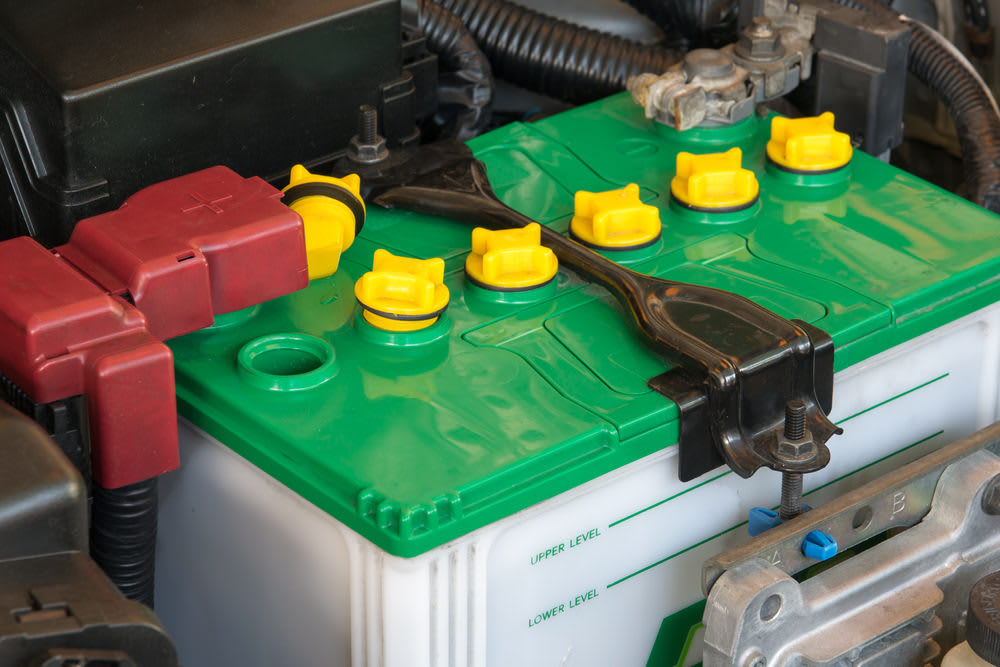
When should you replace a car battery?
Replace a battery when it fails a proper test, shows physical damage, or repeatedly loses charge after the charging system checks out. Do not replace it based only on a calendar date.
Still, age provides a useful warning. If your battery is approaching four or five years old, plan for replacement before a long trip or harsh weather.
Consider replacement when:
• The battery fails a load test.
• The engine cranks slowly more than once.
• The battery has a swollen case.
• The vehicle needs frequent jump-starts.
• The battery warning light stays on.
• The battery repeatedly goes dead without an obvious cause.
A jump-start gets the engine running, but it does not repair the battery. If you need several jump-starts, arrange a test soon.
When buying a replacement, check:
• Battery group size
• Cold-cranking amps
• Reserve capacity
• AGM or flooded lead-acid design
• Warranty length
• Terminal position
Cold-cranking amps describe starting power in cold conditions. More is not always better if the battery does not match the vehicle. Use the manufacturer’s specifications as your main guide.
How much does a car battery replacement cost?
A typical replacement may cost roughly $100 to $300, depending on the vehicle, battery type, labor, and location. AGM batteries and batteries installed in hard-to-reach areas often cost more.
Some vehicles need battery registration after replacement. This process tells the vehicle’s computer that a new battery has been installed. Without it, the charging system may not manage the battery correctly.
Labor can also increase when the battery sits in the trunk, under a seat, or behind other components. Some vehicles require special tools or memory-saving procedures.
Do not choose only by the lowest price. A battery with a stronger warranty and the correct design may offer better value over time.
The cost question often connects back to does how long a car battery last on average. Spending a little more on the correct battery and proper installation may prevent repeat failures.
Battery safety and disposal
Car batteries contain corrosive acid and lead. Handle them with care and keep them away from children and pets.
Follow these safety rules:
• Wear eye protection when inspecting or charging a battery.
• Keep sparks, cigarettes, and open flames away from the battery.
• Do not place metal tools across the terminals.
• Disconnect the negative cable first when instructed by the service manual.
• Secure the battery during transport.
• Recycle the old battery through a retailer, repair shop, or approved recycling center.
Most automotive retailers accept used lead-acid batteries. Recycling helps recover valuable materials and prevents harmful waste from entering the environment.
If acid touches your skin, rinse the area with plenty of clean water. If it reaches your eyes, seek urgent medical care after flushing with water.
Frequently asked questions about does how long a car battery last on average
Does a car battery usually last three years?
Many car batteries last three to five years. Heat, frequent short trips, poor charging, and deep discharges can reduce that time.
Can a car battery last seven years?
A battery can last seven years in favorable conditions, but that is not typical. Regular testing becomes important as the battery passes the five-year mark.
How do I know if my battery or alternator is bad?
A battery test checks starting power, while a charging-system test checks alternator output. If the battery keeps going dead while the vehicle runs, the alternator or wiring may be the real problem.
Can driving recharge a dead car battery?
Driving may recharge a lightly discharged battery, but it may not restore a deeply discharged or damaged battery. A controlled battery charger is often safer and more effective.
Does hot weather shorten car battery life?
Yes. High heat can increase internal corrosion and water loss, which may shorten battery life. Hot climates often require more frequent battery checks.
Should I replace my battery before it fails?
Replacing an old battery before a long trip or severe weather can reduce the risk of being stranded. However, a test is the best way to confirm whether replacement is needed.
Conclusion
So, does how long a car battery last on average? The usual answer is three to five years, but climate, driving habits, battery quality, and vehicle condition can move that range in either direction.
Watch for slow cranking, dim lights, repeated jump-starts, and battery warning lights. Test the battery and charging system before buying a replacement, and choose the correct battery type for your vehicle.
Check your battery’s age today, clean the terminals if needed, and schedule a test if it is more than three years old. Taking that small step can help you avoid a much bigger problem later.