

Most car batteries weigh between 30 and 50 pounds, while larger batteries can weigh 60 pounds or more.
Knowing how much a car battery weighs helps you choose the right replacement, carry it safely, and avoid damage during installation. The exact weight depends on the battery type, group size, materials, and vehicle. This guide explains the typical ranges, shows why weights differ, and shares practical tips based on real battery handling and fitment checks.
How Much Does a Car Battery Weigh?
A typical 12 volt car battery weighs about 30 to 50 pounds. Most standard lead acid batteries fall within this range, although compact batteries may weigh less and heavy duty batteries may weigh more.
The answer to how much does a car battery weigh depends mainly on its battery group size. A small battery for a compact car may weigh 25 to 35 pounds. A larger battery for a truck, SUV, or luxury car may weigh 45 to 60 pounds.
Here are common weight ranges:
| Battery type | Typical weight |
|---|---|
| Small lead acid battery | 25 to 35 pounds |
| Standard car battery | 35 to 45 pounds |
| Large truck or SUV battery | 45 to 60 pounds |
| AGM battery | 40 to 70 pounds |
| Lithium automotive battery | 10 to 30 pounds |
| Hybrid battery pack | 70 to 200 pounds |
| Electric vehicle battery pack | 500 to 2,000 pounds or more |
These figures are estimates, not fixed rules. Always check the label, product page, or manufacturer specification for the exact battery weight.

Why Car Battery Weight Varies
Several parts affect how much a car battery weighs. The most important factors are its chemistry, physical size, plate design, reserve capacity, and cold cranking amps.
A car battery is not just a plastic box. A conventional lead acid battery contains lead plates, an electrolyte solution, separators, terminals, and a durable case. Lead is very dense, so even a small increase in plate size can add several pounds.
The main factors include:
- Battery chemistry: Lead acid batteries weigh more than most lithium batteries.
- Group size: A larger battery case usually holds more lead and electrolyte.
- Cold cranking amps: High starting power often requires larger plates and more active material.
- Reserve capacity: A battery that powers accessories longer may need more material.
- Case design: AGM and heavy duty batteries often use stronger internal and external parts.
- Electrolyte amount: Flooded batteries contain liquid, which adds weight.
The battery’s condition can also change its weight slightly. A fully charged battery and a discharged battery weigh almost the same because charging changes the chemical state, not the total amount of material. However, a damaged battery may lose electrolyte and weigh less.
Average Weight by Battery Type
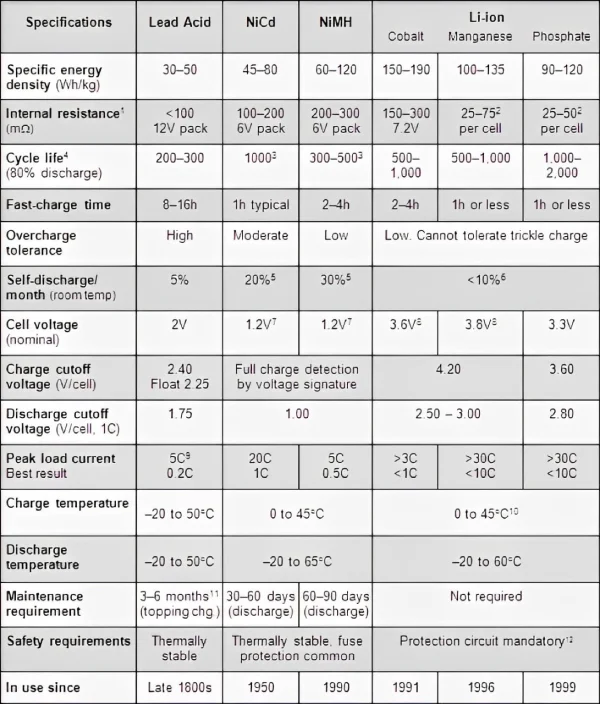
Flooded lead acid batteries
Flooded lead acid batteries are the most common type in older cars and many budget-friendly vehicles. They usually weigh 30 to 50 pounds.
These batteries contain liquid electrolyte. They are affordable and widely available, but they must stay upright. A cracked or leaking battery can release corrosive acid, so careful handling is important.
AGM batteries
Absorbent Glass Mat, or AGM, batteries commonly weigh 40 to 70 pounds. They use fiberglass mats to hold the electrolyte in place.
AGM batteries are often heavier because they contain thicker plates and stronger internal parts. They are common in vehicles with start-stop systems, advanced electronics, heated seats, and high electrical demand.
Enhanced flooded batteries
Enhanced flooded batteries, often called EFB batteries, usually weigh 35 to 55 pounds. They sit between standard flooded batteries and AGM batteries in design and performance.
EFB batteries are used in some start-stop vehicles. Their weight varies by group size and starting power rating.
Lithium car batteries
Lithium automotive batteries often weigh 10 to 30 pounds. Some racing and performance batteries weigh even less.
Their low weight makes them useful for racing, off-road builds, and performance cars. However, they cost more and may need special charging systems or battery management electronics. They are not a universal replacement for every standard car battery.
Hybrid battery packs
Hybrid battery packs are much heavier than regular 12 volt batteries. Many weigh between 70 and 200 pounds, depending on the vehicle and battery chemistry.
The pack may include multiple modules, cooling systems, wiring, a protective case, and control electronics. Removing one is not like removing a normal car battery. It often requires special training and insulated tools.
Electric vehicle battery packs
Electric vehicle battery packs can weigh from about 500 pounds to more than 2,000 pounds. Large electric SUVs and trucks tend to have the heaviest packs.
These batteries are built into the vehicle floor. Their weight affects handling, range, suspension design, and crash protection. EV battery removal should only be done by trained professionals.
Car Battery Weight by Group Size
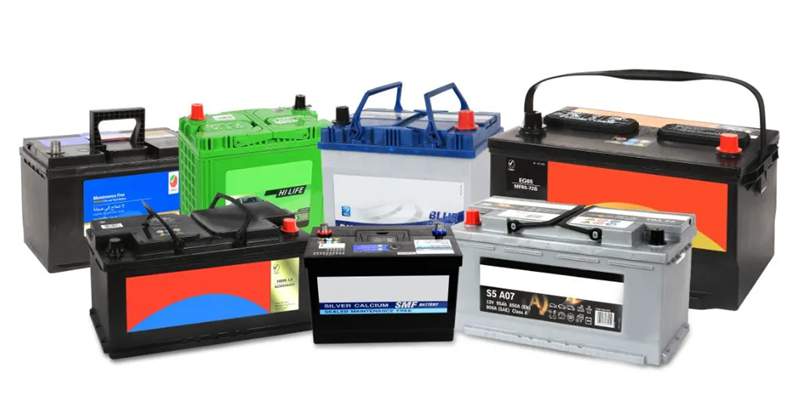
Battery group size is a standard system used to describe a battery’s length, width, height, terminal position, and fit. It does not state the exact weight, but it provides a useful estimate.
Here are examples of common group sizes:
| Battery group size | Common application | Approximate weight |
|---|---|---|
| 35 | Many compact and midsize cars | 30 to 45 pounds |
| 24F | Some cars and trucks | 35 to 50 pounds |
| 27F | Larger cars and trucks | 45 to 55 pounds |
| 48 or H6 | Many modern vehicles | 40 to 55 pounds |
| 49 or H8 | Larger cars, SUVs, and trucks | 50 to 65 pounds |
| 65 | Many trucks and large SUVs | 45 to 60 pounds |
These ranges can overlap because two batteries with the same group size may use different designs. An AGM battery in group 48 may weigh more than a flooded battery in the same group.
When I check a replacement battery, I look at more than the group number. I also compare the dimensions, terminal layout, reserve capacity, and cold cranking amps. A battery can fit the tray but still have the wrong terminal position or electrical rating.

How Much Does a Car Battery Weigh in Kilograms?
A standard car battery weighs about 14 to 23 kilograms. A large battery may weigh 27 kilograms or more.
To convert pounds to kilograms, multiply the weight in pounds by 0.4536. For example:
- 30 pounds equals about 13.6 kilograms.
- 40 pounds equals about 18.1 kilograms.
- 50 pounds equals about 22.7 kilograms.
- 60 pounds equals about 27.2 kilograms.
If a product listing gives the shipping weight, remember that it includes the box, padding, and sometimes terminal covers. The battery itself may weigh two to five pounds less than the listed package weight.

Why Battery Weight Matters
Battery weight matters during installation, shipping, vehicle design, and recycling. It also affects how safely you can handle the battery.
A 40 pound battery may not sound extremely heavy, but it is awkward to lift. The case is usually compact, and the weight sits low between your hands. This makes the battery feel like a dense brick with no comfortable grip.
Battery weight also matters for performance vehicles. Replacing a heavy lead acid battery with a lighter lithium unit can reduce vehicle weight. Still, the replacement must meet the car’s voltage, starting power, charging, and safety requirements.
For everyday drivers, the most important concerns are:
- Can you lift the battery without dropping it?
- Will it fit the battery tray?
- Is the terminal layout correct?
- Does it meet the vehicle’s power requirements?
- Can you transport the old battery safely?
- Is the battery covered by a suitable warranty?
A lighter battery is not automatically better. A battery that is too small may fail to start the engine or may wear out quickly.
How to Lift and Carry a Car Battery Safely
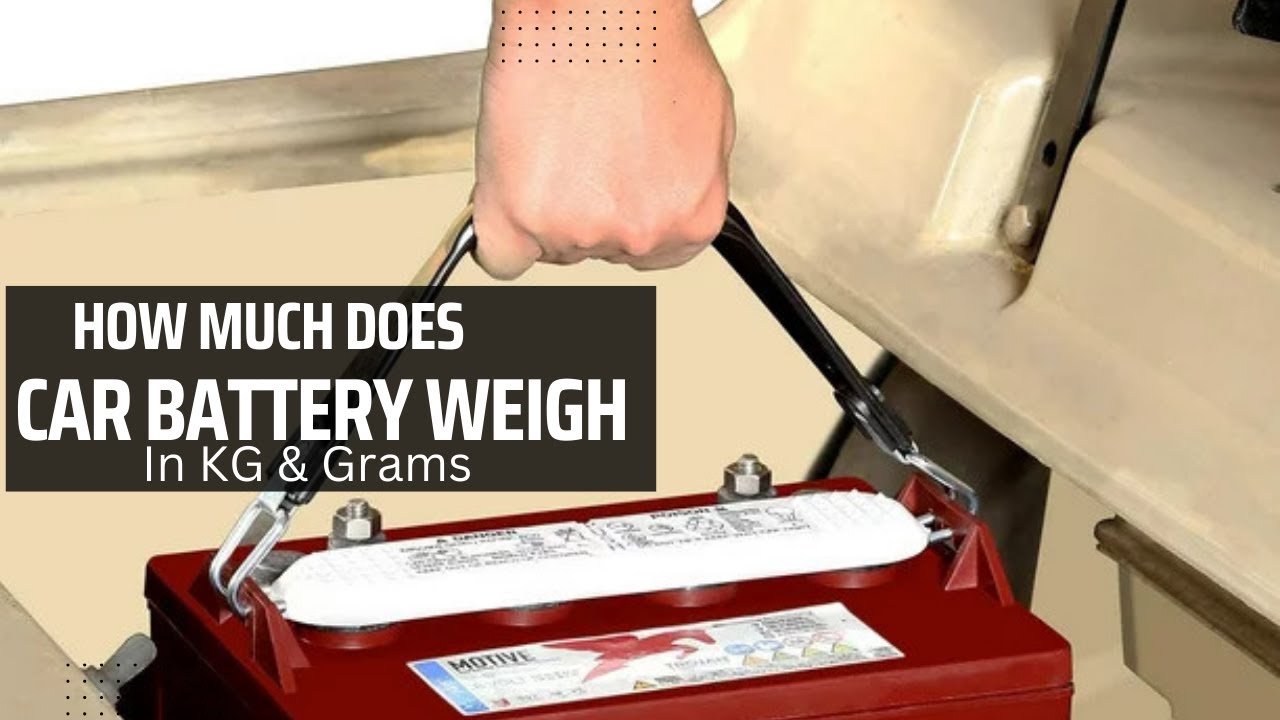
Before lifting a battery, turn off the engine and remove jewelry that could touch the terminals. Wear gloves and safety glasses, especially when handling a flooded lead acid battery.
Use these steps:
- Hold the battery with both hands.
- Keep it upright.
- Lift with your legs rather than bending your back.
- Keep the battery close to your body.
- Avoid placing metal tools across the terminals.
- Set the battery down on a stable, level surface.
- Wash your hands after handling it.
Many batteries have a plastic handle. Use it if the handle is secure, but do not trust a cracked or loose handle. I once saw a battery carried by a damaged handle, and the case tilted sharply. That kind of mistake can cause a spill, a short circuit, or a painful drop.
Do not carry a battery by its cables or terminals. Also, never place a battery on its side unless the manufacturer says it is safe. Flooded batteries can leak acid when tilted.

How Shipping Weight Differs From Battery Weight
Online listings often show two different numbers: product weight and shipping weight. Product weight refers to the battery alone. Shipping weight includes packaging and other materials.
For example, a battery that weighs 42 pounds may have a shipping weight of 47 pounds. The box, cardboard inserts, plastic caps, and protective padding create the difference.
This matters when you order a replacement online. A delivery worker may need to carry more weight than the number printed on the battery suggests. It also matters when returning a battery for a refund or warranty claim.
Before ordering, check:
- Item weight
- Package weight
- Return shipping terms
- Core charge rules
- Battery return instructions
- Whether the battery ships fully charged
Automotive batteries are often subject to special shipping rules because they contain acid or use regulated chemical materials. Follow the seller’s instructions and keep the battery upright during transport.
How to Find the Exact Weight of Your Battery
The most reliable answer to how much does a car battery weigh comes from the battery label or manufacturer data sheet. Online estimates are useful, but the exact weight can vary between brands.
Check these places:
- The battery case
- The owner’s manual
- The vehicle service manual
- The manufacturer’s product page
- The retailer’s specification table
- The shipping label
- A repair shop’s battery catalog
Look for terms such as “product weight,” “dry weight,” “wet weight,” or “shipping weight.” Dry weight usually excludes the electrolyte. Wet weight includes the battery after it has been filled.
Most replacement batteries are sold ready to install, so wet weight is the more useful number for drivers. If you need to lift the battery, use the ready-to-install weight rather than dry weight.
Car Battery Weight and Vehicle Performance
A heavier battery adds a small amount of mass to the vehicle. In a normal commuter car, the difference is usually too small to notice during daily driving.
Performance drivers may care more about weight. Removing 20 or 30 pounds from the front of a car can slightly improve weight balance and reduce the load on the suspension. The change is real, but it should not come at the cost of reliable starting power.
A lightweight battery must still provide:
- The correct voltage
- Adequate cold cranking amps
- Suitable reserve capacity
- Correct charging compatibility
- Proper physical fit
- Safe temperature performance
Some lithium batteries perform poorly in very cold weather unless they include a heating system or special protection. A lightweight battery may also require a different charger or voltage setting.
The best choice depends on how you use the car. A daily driver in a cold climate needs dependable starting power. A track car may place more value on low weight.
Common Mistakes When Measuring Battery Weight
People often make simple mistakes when they try to estimate how much does a car battery weigh. These errors can lead to unsafe lifting or the wrong replacement choice.
Confusing group size with weight
Group size describes physical fit and terminal layout. It does not guarantee a specific weight.
Two group 35 batteries may differ by several pounds because one uses AGM technology and the other uses flooded lead acid construction.
Using shipping weight as product weight
Shipping weight includes the box. It can make the battery appear heavier than it really is.
This is not a major issue for lifting, but it can cause confusion when comparing batteries.
Ignoring the battery type
AGM, EFB, flooded lead acid, and lithium batteries have different weights. Always compare the same battery type when checking specifications.
Assuming a larger battery is better
A larger battery may offer more power, but it may not fit the tray or charging system. Always follow the vehicle manufacturer’s requirements.
Lifting without planning
A battery can slip easily. Clear the path first, use both hands, and ask for help if the battery feels unsafe to carry.
How to Recycle an Old Car Battery
Lead acid batteries are highly recyclable. In the United States, many auto parts stores, battery retailers, and recycling centers accept used car batteries.
Never place a car battery in household trash. It contains lead and sulfuric acid, both of which can harm people and the environment if handled improperly.
Keep these tips in mind:
- Store the old battery upright.
- Keep it away from children and pets.
- Cover damaged terminals with nonconductive tape.
- Do not drain or open the battery.
- Use a sturdy plastic crate during transport.
- Ask about the store’s core charge refund.
The same weight that makes a battery difficult to carry also makes recycling worthwhile. Lead can be recovered and used again in new batteries when the process is managed correctly.
Frequently Asked Questions About How Much Does a Car Battery Weigh
How much does a standard 12 volt car battery weigh?
Most standard 12 volt car batteries weigh between 30 and 50 pounds. Compact batteries may weigh less, while large truck and SUV batteries can weigh 60 pounds or more.
How much does an AGM car battery weigh?
An AGM car battery usually weighs 40 to 70 pounds. Its thicker plates and reinforced design often make it heavier than a similar flooded lead acid battery.
Is a car battery too heavy for one person to lift?
Many adults can lift a standard car battery safely with both hands, but the shape makes it awkward. Use safe lifting methods and ask for help if you have back problems or cannot keep the battery upright.
Does a fully charged battery weigh more than a dead battery?
The difference is extremely small because charging changes the battery’s chemical state rather than adding material. A charged and discharged battery normally weigh nearly the same.
How much does an electric car battery weigh?
An electric vehicle battery pack often weighs between 500 and 2,000 pounds or more. Weight depends on the vehicle size, battery capacity, chemistry, and pack design.
Can I replace a heavy battery with a lighter one?
You can only do so if the lighter battery meets the vehicle’s voltage, starting power, size, terminal layout, charging needs, and safety requirements. A lighter battery that lacks enough power may cause starting problems or early failure.
Does a bigger car battery weigh more?
Usually, yes. Larger batteries often contain more lead, electrolyte, and internal components, so they tend to weigh more than smaller batteries.
Conclusion
Most standard car batteries weigh 30 to 50 pounds, but AGM, truck, hybrid, lithium, and electric vehicle batteries can fall well outside that range. Battery chemistry, group size, starting power, and reserve capacity all affect the final weight.
For the safest and most accurate answer to how much does a car battery weigh, check the product label or manufacturer specification. Choose a battery that fits your vehicle’s size and electrical needs, carry it upright with care, and recycle the old unit properly. Compare your current battery with a trusted replacement guide, and share your battery group size or vehicle model in the comments if you want help narrowing down the right option.