

Most car batteries cost between $60 and $200, depending on battery type and vehicle.
I’ve spent years testing, buying, and replacing car batteries for everyday cars and specialty vehicles, so I know what drives price up and down. This guide breaks down how much does a car battery cost, why prices vary, real-world examples, and clear tips to save money while getting reliable power. Read on for a full, practical guide that helps you choose the right battery without overspending.
Price overview: typical ranges and what they mean
The short answer to how much does a car battery cost depends on the battery type, vehicle requirements, and whether you include installation. Here are common retail ranges for a 12-volt starter battery:
- Economy lead-acid batteries: $50 to $120
- Mid-range batteries (better brand/warranty): $100 to $200
- AGM (Absorbent Glass Mat) batteries: $150 to $300
- Premium or specialty lithium 12V batteries: $200 to $400
Keep in mind labor, testing fees, and local taxes can add $20 to $150 to the final bill. Warranties and included services can change the upfront price but may save money long-term.
Quick cost-check questions you’ll ask
How much does a car battery cost for a basic sedan?
Basic sedans typically need a standard lead-acid battery, costing $60 to $150 installed.
How much does a car battery cost for cars with stop-start?
Cars with stop-start require AGM or EFB batteries, pushing typical costs to $150 to $350.
Price by battery type and performance features
Different battery chemistries and designs drive cost. Understanding each helps you match price to performance.
Lead-acid (flooded)
- Cost: $50 to $120
- Pros: Cheapest, widely available
- Cons: Shorter lifespan, less tolerant of deep discharge
AGM (Absorbent Glass Mat)
- Cost: $150 to $300
- Pros: Better cycling, fits many modern cars, good for stop-start
- Cons: Higher price, more sensitive to overcharge
EFB (Enhanced Flooded Battery)
- Cost: $120 to $220
- Pros: Cheaper than AGM but built for stop-start systems
- Cons: Middle-ground performance
Lithium 12V (LiFePO4 and others)
- Cost: $200 to $400+
- Pros: Lightweight, long life, deep-cycle friendly
- Cons: High upfront cost, may need special charging management
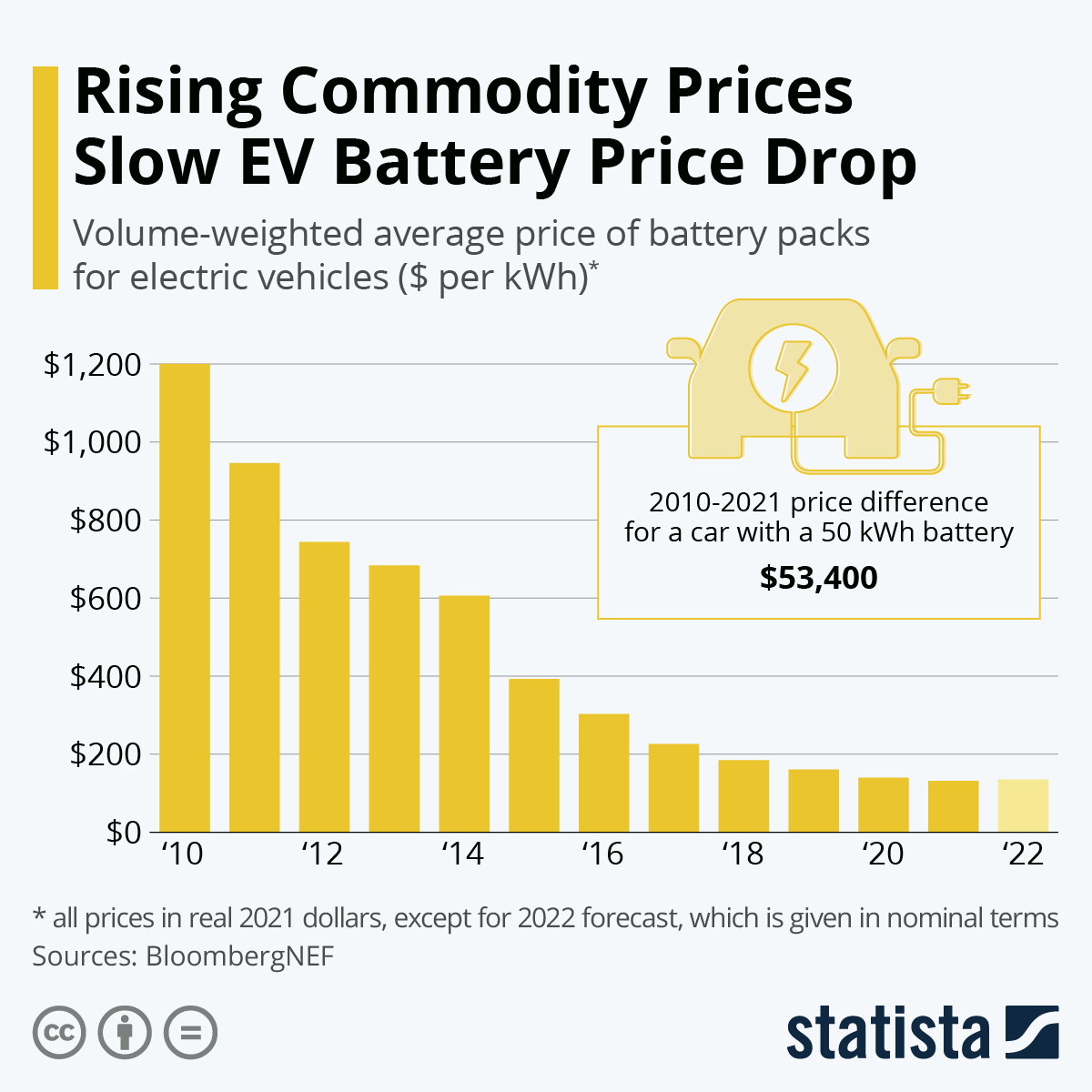
EV and hybrid traction batteries (not starter batteries)
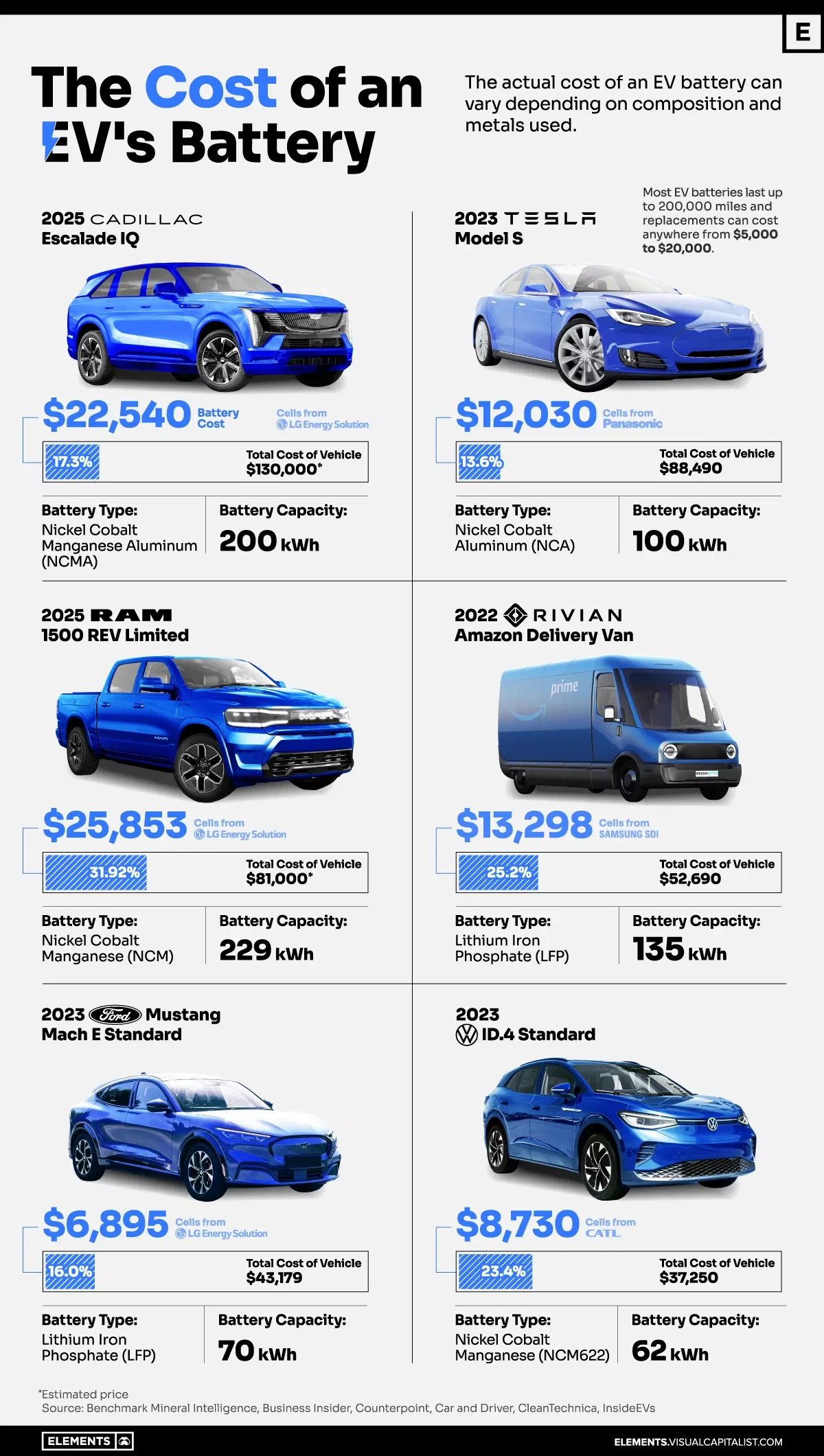
- Cost: $5,000 to $20,000+ depending on model and cell replacement approach
- Notes: Replacing a traction battery is rarely needed for everyday drivers and is usually handled differently than 12V starter batteries.
When you ask how much does a car battery cost for your vehicle, the chemistry and intended use are the biggest price levers.

Factors that affect overall cost
Several items influence how much does a car battery cost in practice. Consider each before buying.
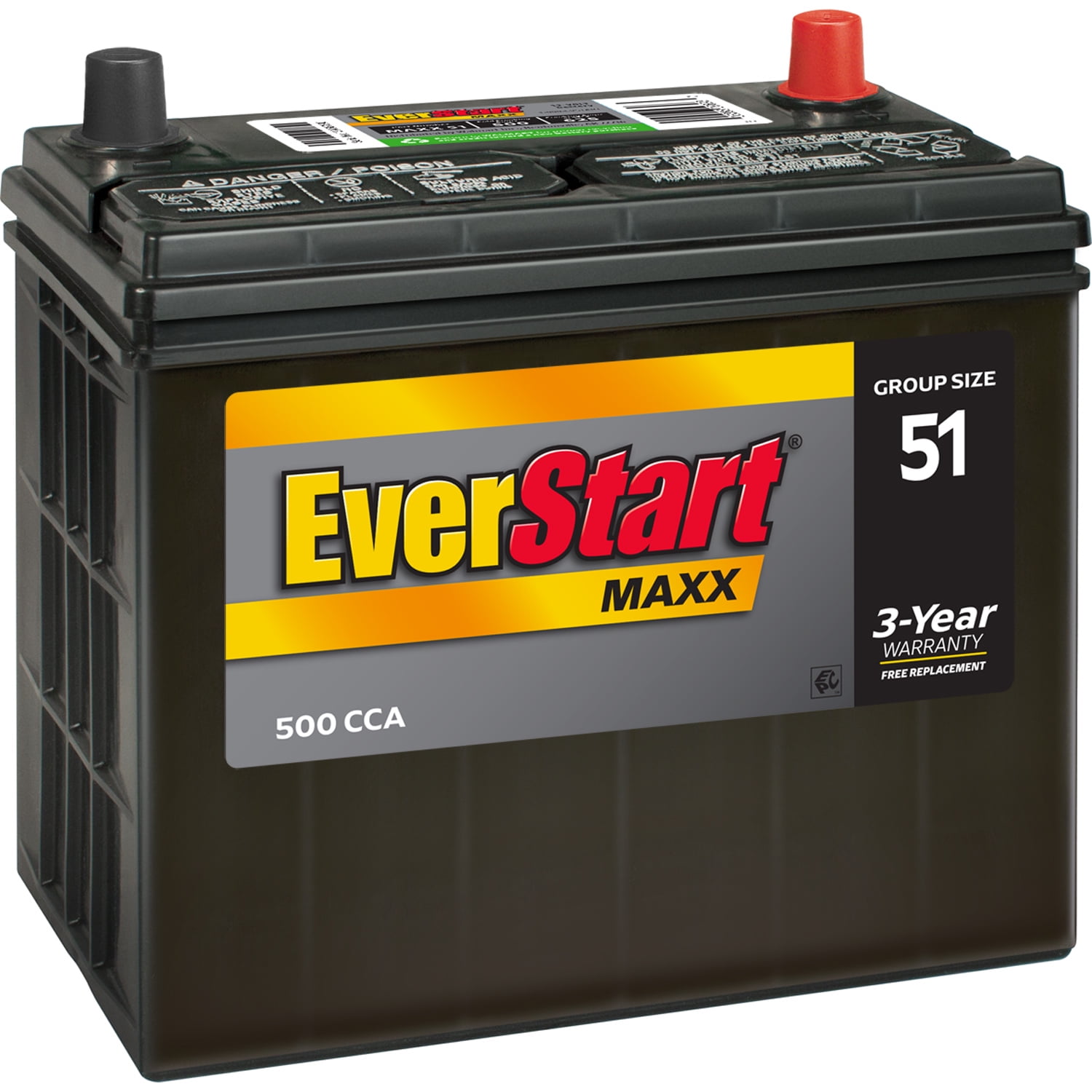
- Battery group size and fit
- Larger or special-fit batteries often cost more.
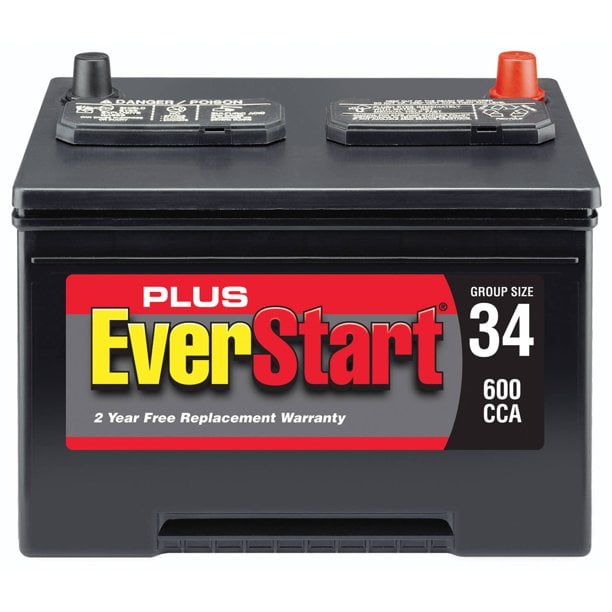
- Cold Cranking Amps (CCA)
- Higher CCA increases cost but improves starting in cold weather.
- Reserve Capacity
- Longer reserve capacity can raise price for better accessory support.
- Brand and warranty
- Stronger brands often charge more but give better guarantees and service.
- Retailer vs online pricing
- Online deals can be cheaper, but you may lose free installation or testing.
- Location and labor rates
- Urban shops commonly charge more for installation than national chains or parts stores.
- Core charge and recycling
- Some sellers add a refundable core charge for your old battery.
- Vehicle electronics and parasitic draw
- Cars with many electronics may need higher-spec batteries, costing more.
Each time you search how much does a car battery cost, think about these factors to get a realistic total, not just the sticker price.
Installation, labor, and extra fees
Installation details can add to the final bill. Here’s what to expect.
- Typical installation labor: $20 to $100, depending on access and shop.
- Testing or diagnostic fee: $0 to $50; many parts stores test free.
- Disposal fee or core charge: $5 to $25; core refund often applies when you return the old battery.
- Programming or reinitialization: $50 to $200 for vehicles that need battery registration.
If you DIY, you can save on labor, but you must handle safety, reset systems correctly, and sometimes register the battery in the car’s computer. When thinking how much does a car battery cost, remember installation can represent a meaningful share of the total.

How to shop smart and save money
Smart shopping reduces how much does a car battery cost without sacrificing reliability. Try these practical tactics.
- Compare total price, not just battery list price — include installation and disposal.
- Check battery warranty length and pro-rated coverage.
- Use local parts stores that often include free testing and free installation with purchase.
- Consider OEM vs aftermarket: OEM can cost more but ensures exact fit and specs.
- Watch for seasonal sales and coupons from national retailers.
- Keep receipts and register warranties online for protection.
A little preparation and comparison can save $30 to $100 or more on a typical replacement.
When to replace your battery and how to test it
Knowing when to replace saves both money and inconvenience. Look for these signs and tests.
- Common signs of failure
- Slow cranking, dim headlights, dashboard warning lights, and a swollen battery case.
- How to test
- Use a multimeter: resting voltage below 12.4V suggests a weak battery.
- Load test or conductance test at a shop gives a clearer health reading.
- Lifespan
- Typical life: 3 to 5 years for standard batteries; AGM might reach 4 to 6 years in good conditions.
If you ask how much does a car battery cost while your car still cranks, testing first can avoid an unnecessary purchase.
Special case: hybrids and EVs versus standard 12V batteries
People often confuse the 12V starter battery with the high-voltage traction pack. They differ greatly in cost.
- 12V battery in hybrids and EVs
- Cost: $80 to $300 depending on type and vehicle
- Purpose: powers electronics and some auxiliary systems; smaller than traction battery
- Traction (drive) battery in EVs and hybrids
- Cost: $5,000 to $20,000+ for full replacements; cell-level repairs may cost less
- Notes: Most EVs carry long warranties for traction batteries; replacement is uncommon for typical ownership spans
When you research how much does a car battery cost, clarify whether you mean the 12V starter battery or the main traction battery in EVs.
Personal experience: lessons and tips from the field
I replaced my own car battery twice in the last five years. Here are lessons I learned the hard way.
- Don’t buy the cheapest battery without checking CCA and fit. One cheap battery failed in winter and left me stranded.
- Always ask for a battery test before replacing. Once, a charging-system fault mimicked battery failure.
- Keep a small battery terminal brush and wrench in the trunk. Corrosion is a silent killer and easy to fix.
These real-world tips help you avoid common mistakes and know what to expect when figuring out how much does a car battery cost for your situation.
Common questions people ask (PAA-style)
Will a cheaper battery save money long term?
A cheaper battery saves money upfront but may wear out sooner. Evaluate warranty length and expected lifespan to judge long-term value.
Can I install a battery myself to save money?
Yes, many people install batteries themselves and save on labor. Make sure you follow safety steps and register the new battery if your car requires it.
Does climate affect battery cost or choice?
Cold climates push buyers toward higher CCA ratings and more robust batteries like AGM, which raises cost. Heat shortens battery life, so a better warranty becomes valuable.
Frequently Asked Questions of how much does a car battery cost
What is the average cost to replace a car battery with installation?
The average cost with installation ranges from $100 to $250 for most vehicles, depending on battery type and labor. High-end or specialty batteries cost more.
Are AGM batteries worth the extra cost?
AGM batteries are worth it for cars with stop-start, heavy electrical loads, or frequent short trips. They cost more but last longer under stress.
How long should a car battery last before replacement?
Most car batteries last 3 to 5 years under normal conditions. Climate, driving habits, and charging system health can shorten or lengthen that range.
Do auto parts stores install batteries for free?
Many national auto parts stores offer free testing and can install a battery purchased from them at little or no labor cost. Policies vary by location, so call ahead.
Can I trade in my old battery to reduce the price?
Yes, many shops and retailers offer a core credit or discount when you turn in the old battery, which lowers the final price. Expect $5 to $25 back depending on the store.
How much does a premium battery cost for luxury cars?
Premium batteries for luxury or performance cars typically run $200 to $400 installed. Some brands and specialty fitments cost more due to higher specs and software needs.
Conclusion
Knowing how much does a car battery cost helps you plan and avoid surprises. Prices range widely based on chemistry, vehicle needs, and services included, so balance upfront cost with warranty and expected life. Test before you buy, compare total prices, and choose a battery that fits your climate and driving style. Take action by testing your battery now, comparing local and online offers, and noting the warranty terms before purchase. If this guide helped, leave a comment or share your battery story — and subscribe for more practical car-care advice.