

You can remove smoke smell from a car by deep cleaning fabrics, treating the HVAC system, and using odor absorbers.
If you searched “does how to remove smoke smell car,” you likely want more than a quick spray that masks the odor for a few hours. Smoke particles settle into seats, carpets, headliners, vents, and even the cabin filter. This guide explains how to remove smoke smell from a car safely, what methods work best, which mistakes to avoid, and when professional detailing is worth the cost.

Why Smoke Smell Stays in a Car
Smoke odor is difficult because it is not only in the air. Cigarette and cigar smoke leave behind a sticky film called thirdhand smoke. This residue contains odor-causing chemicals that cling to fabric, plastic, leather, glass, and foam.
The smell can also move through the vehicle’s ventilation system. Each time you turn on the fan, trapped particles may spread back into the cabin. This is why air fresheners often fail. They cover the smell instead of removing its source.
Smoke odor is usually strongest in these areas:
• Cloth seats and seat padding
• Carpets and floor mats
• The roof liner, also called the headliner
• Door panels and armrests
• Dashboard vents
• The cabin air filter
• The trunk and spare-tire area
• Child seats, blankets, and other loose items
A used car may smell clean during a short test drive but become smoky after the interior warms up. Heat releases trapped odor from fabric and foam. This explains why the smell sometimes returns days after cleaning.

Does How to Remove Smoke Smell Car Depend on the Smoke Type?
Yes. The cleaning plan may change based on whether the odor comes from cigarettes, cigars, marijuana, fire damage, or food mixed with smoke. Cigarette smoke often leaves a strong oily film, while fire smoke can leave soot and a sharp, burnt odor.
Cigar smoke may be especially stubborn because it can contain heavier particles. Smoke from a vehicle fire is more serious and may require replacement of insulation, wiring covers, or other materials.
The age of the odor also matters. A fresh smell may improve after one deep cleaning. A smell that has been trapped for years may need repeated treatment or professional extraction.
Before you begin, inspect the car and ask:
• Was smoking done inside the car often?
• Was the roof liner exposed?
• Does the smell become stronger when the fan runs?
• Are there ash stains or yellow marks on surfaces?
• Is the odor also present in the trunk?
• Has the vehicle been exposed to a house or garage fire?
The phrase “does how to remove smoke smell car” often reflects a simple question, but the answer depends on how deeply the smoke has entered the vehicle.

What You Need Before Cleaning
Gather the right supplies before you start. A careful setup saves time and helps prevent damage.
Useful supplies include:
• A vacuum with a crevice tool
• Microfiber towels
• Mild interior cleaner
• An upholstery cleaner
• A soft detailing brush
• Warm water
• Baking soda
• Activated charcoal odor absorbers
• A new cabin air filter
• Glass cleaner
• Rubber gloves
• A small bucket
Use products made for automotive interiors. Strong household cleaners can stain fabric, dry out leather, or leave a heavy scent behind.
Avoid soaking the headliner. The fabric is often attached with adhesive, and too much water can make it sag. Light moisture and gentle wiping are safer than aggressive scrubbing.
You should also remove personal items before cleaning. Jackets, floor mats, child seats, and blankets can hold a surprising amount of smoke odor. Clean them outside the vehicle according to their material and care instructions.

How to Remove Smoke Smell From a Car Step by Step
1. Air Out the Vehicle
Park the car outdoors in a safe, dry place. Open all doors, the trunk, and the windows for several hours.
Fresh air will not remove deep smoke residue, but it reduces loose odor and makes the next steps easier. Do not leave the car open during rain, heavy humidity, or strong heat that could damage the interior.
2. Remove Trash and Loose Materials
Take out ash, cigarette packs, floor mats, seat covers, papers, and anything else stored inside the car. Check under the seats and inside door pockets.
A single old ashtray or forgotten cigarette butt can keep the entire cabin smelling smoky. Clean the ashtray with an interior-safe cleaner, then let it dry fully.
3. Vacuum Every Surface
Vacuum the seats, carpets, floor mats, trunk, seat cracks, and areas under the seats. Use the crevice tool around the center console and door trim.
Vacuuming removes ash and loose particles before they become wet. If you skip this step, cleaning liquid can turn dry residue into a sticky film.
Move the front seats forward and backward. Smoke dust often collects beneath the rails and along the carpet edges.
4. Clean Hard Surfaces
Wipe the dashboard, steering wheel, console, doors, cup holders, seat belts, and window glass. Use a damp microfiber cloth with a mild automotive cleaner.
Smoke residue often leaves a yellow or brown layer on glass. Clean the inside of the windows twice if needed. A dirty windshield can also create glare at night.
Do not spray cleaner directly into buttons, vents, speakers, or electronic controls. Spray the towel instead, then wipe the surface carefully.
5. Clean Fabric Seats and Carpets
Test the cleaner on a hidden area first. If the color remains stable, clean one small section at a time.
Use an upholstery cleaner or a carpet extractor when appropriate. The goal is to lift residue, not flood the cushions. Extract as much moisture as possible and allow the interior to dry with the doors or windows open.
For a light odor, sprinkle a thin layer of baking soda on dry fabric. Leave it for several hours, then vacuum it thoroughly. Baking soda can absorb some odor, but it cannot remove heavy smoke film from deep foam.
6. Treat the Headliner Carefully
The headliner is one of the most important areas in smoke odor removal. It sits above everyone in the cabin and can hold years of residue.
Spray a small amount of cleaner onto a microfiber towel. Gently wipe the headliner in short strokes. Do not scrub hard or saturate the material.
If the headliner is stained, loose, or badly contaminated, a professional detailer may be safer. Replacing a sagging headliner can cost much more than having it cleaned correctly.
7. Replace the Cabin Air Filter
The cabin air filter traps dust and particles from incoming air. In a smoker’s vehicle, it may also hold smoke odor.
Check the owner’s manual for the filter location. It is often behind the glove box or beneath the dashboard. Replace it rather than trying to wash a disposable filter.
After installing the new filter, run the fan on fresh-air mode. Avoid recirculation at first so clean outside air can move through the system.
8. Clean the HVAC System
Set the fan to medium or high speed. Use fresh-air mode, not recirculation, and let the system run for several minutes with the windows open.
An automotive HVAC cleaner may help reduce odor on the evaporator and inside the ducts. Follow the product instructions closely. Some products require the air conditioner to run, while others are designed for the fan only.
Never spray random chemicals into vents. Liquid can reach electrical parts and cause damage. If the smell returns whenever the fan runs, have the HVAC system inspected by a qualified technician.
9. Use Activated Charcoal
Place activated charcoal bags in the cabin and trunk. Charcoal can absorb some odor over time without adding a strong perfume.
Leave the bags in place for several days. This method works best after cleaning because it treats leftover odor rather than a thick layer of smoke residue.
You can also use a small open container of baking soda, but keep it stable. Spilled powder can enter seat tracks, vents, and electronics.
10. Dry the Interior Completely
Moisture creates a new problem. A damp cabin can develop a musty smell or even support mold growth.
Use airflow, open windows, and a dry day to help the vehicle dry. Do not close the car until the carpets, seats, and mats feel fully dry.
Professional detailers often use air movers or extraction machines because drying is as important as washing. This is one of the biggest lessons in successful interior cleaning.

Does How to Remove Smoke Smell Car Require an Ozone Machine?
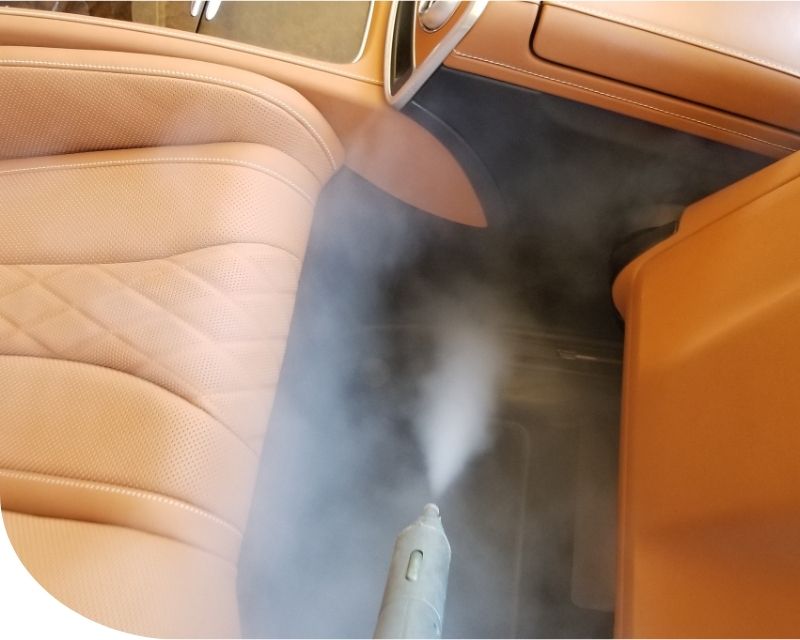
An ozone machine can reduce stubborn odors, but it is not a complete cleaning method. Ozone works by reacting with odor-causing compounds, yet it cannot remove ash, tar, or sticky smoke residue from surfaces.
Ozone can also harm people, pets, plants, rubber, and some interior materials if used incorrectly. No person or animal should be inside the vehicle during treatment. The car must also be aired out completely afterward.
For this reason, ozone treatment is best handled by a trained professional. It should come after deep cleaning, not replace it.
Do not use an ozone generator in a closed garage connected to your home. Ozone is a lung irritant, and poor ventilation creates a safety risk.
The same caution applies to chlorine dioxide products and other strong odor treatments. Read the safety label and follow the required ventilation time.
Common Mistakes That Keep Smoke Odor Alive
Many failed attempts follow the same pattern. The owner sprays an air freshener, waits a day, and assumes the smell is gone. Then the odor returns as soon as the cabin heats up.
Avoid these mistakes:
• Using air freshener before removing smoke residue
• Ignoring the headliner
• Forgetting the cabin air filter
• Cleaning only the seats
• Soaking fabric and closing the windows
• Spraying liquid into air vents
• Mixing cleaning chemicals
• Using too much perfume
• Skipping the trunk
• Assuming one treatment will fix years of smoke exposure
Strong fragrance can make the problem worse. It may mix with smoke odor and create a heavy smell that causes headaches or nausea.
Another mistake is scrubbing too hard. Aggressive brushing can damage fabric fibers and make stains harder to remove. Gentle cleaning with repeated passes is usually more effective.

How Long Does Smoke Odor Removal Take?
A light odor may improve within one afternoon. A heavily smoked-in car may need two or three cleaning sessions over several days.
The timeline depends on:
• How long people smoked inside the car
• Whether the seats are cloth or leather
• How much smoke reached the headliner
• Whether the HVAC system is contaminated
• The age and condition of the cabin filter
• The level of heat and humidity
• Whether smoke entered the trunk
Do not judge the result while the interior is still damp. Wait until the car is fully dry, then close the windows for several hours. If the odor returns, continue cleaning the untreated areas.
A professional detail may take several hours. Severe cases can take more than one appointment, especially when foam, insulation, or carpet padding holds the odor.
Does How to Remove Smoke Smell Car Work on Leather Seats?
Leather is less absorbent than cloth, but smoke residue can still settle into the grain, seams, and foam beneath the surface. Wipe leather with a cleaner made for automotive leather, then apply a suitable conditioner if the product instructions recommend it.
Do not use household oils, alcohol, or harsh degreasers on leather. They can remove protective coatings or leave the surface dry and cracked.
Clean the stitching and seat gaps with a soft brush. Smoke odor often hides in these small areas.
If the leather smells strongly after surface cleaning, the foam underneath may be affected. In that case, a professional may need to treat the cushions or remove parts of the upholstery.
When to Hire a Professional Detailer
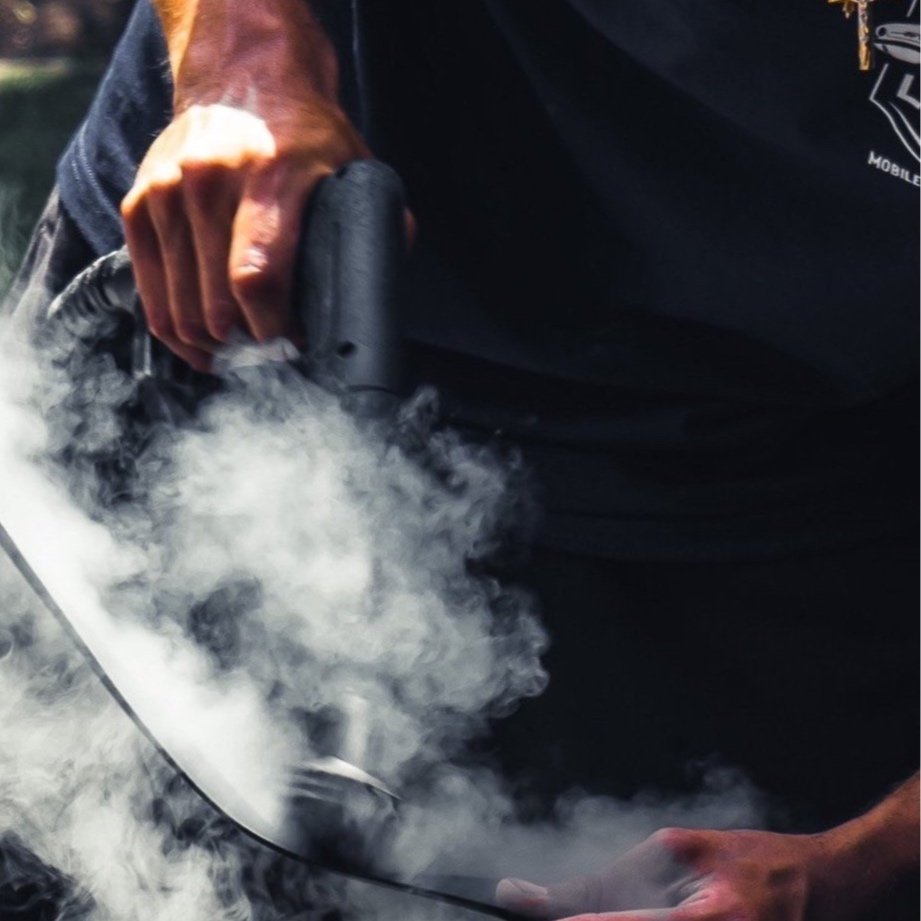
DIY cleaning works well for mild and moderate odor. Professional help makes more sense when the vehicle has years of smoke exposure or the smell returns after several careful cleanings.
Consider professional detailing when:
• The headliner is badly stained
• The odor comes from the HVAC system
• The seats have deep smoke marks
• The interior has fire or soot damage
• You plan to sell the vehicle
• You have asthma or strong chemical sensitivity
• You cannot dry the interior properly
Ask the detailer what the service includes. A quality service should mention vacuuming, surface cleaning, upholstery treatment, headliner care, cabin filter inspection, HVAC treatment, and drying.
Be cautious of anyone who promises permanent odor removal with one spray. Smoke can penetrate foam and insulation, so honest professionals should explain the limits of the treatment.
How to Prevent Smoke Smell From Returning
The best way to remove smoke smell from a car is to stop adding new smoke. Smoking with the windows open does not fully protect the cabin. Smoke can still enter the vents, seats, and roof liner.
Helpful prevention steps include:
• Do not smoke inside the vehicle
• Keep food and wet items in sealed containers
• Clean spills as soon as they happen
• Vacuum the interior often
• Replace the cabin filter on schedule
• Keep the windows and vents clean
• Use charcoal absorbers during storage
• Remove coats and blankets that carry smoke odor
If the car is being sold, be honest about its history. Covering an odor with fragrance may create distrust when the smell returns. A clean, well-documented detail is better for both the buyer and the seller.
Does How to Remove Smoke Smell Car Affect Health?
Smoke residue is more than an unpleasant odor. Thirdhand smoke can remain on indoor and vehicle surfaces after the visible smoke is gone. Children and pets may have more contact with contaminated surfaces because they touch seats, belts, floors, and door panels.
Cleaning can reduce residue, but it may not remove every chemical from deeply affected foam or insulation. People with asthma, allergies, or chemical sensitivity may notice symptoms even after treatment.
If the car has heavy smoke damage, limit time inside until it has been properly cleaned and aired out. Avoid using ozone or strong chemicals while anyone is inside the vehicle.
A professional inspection is wise after a fire or major smoke event. Odor removal is not a substitute for checking safety-related damage.
Frequently Asked Questions About Does How to Remove Smoke Smell Car
Can baking soda remove cigarette smell from a car?
Baking soda can absorb some surface odor, especially from dry carpets and mats. It will not remove heavy smoke residue from seats, foam, the headliner, or the HVAC system.
What removes smoke smell from car upholstery?
A thorough vacuum, automotive upholstery cleaner, and extraction method usually work best. Clean small areas at a time and dry the upholstery fully to prevent a musty smell.
Will an air freshener get rid of smoke smell?
An air freshener usually masks smoke odor rather than removing it. The smell may return when the cabin becomes warm or when the ventilation system runs.
How often should I replace the cabin air filter after smoke exposure?
Replace the cabin air filter during the first deep cleaning if it smells smoky or looks dirty. After that, follow the vehicle maker’s service schedule unless the filter becomes contaminated again.
Is ozone safe for removing smoke smell from a car?
Ozone can be risky if used around people, pets, or plants. It should only be used in an empty vehicle by someone who understands the equipment, exposure risks, and required ventilation.
Can smoke smell be removed from a car permanently?
Often, yes, but the result depends on how deeply smoke has entered the materials. Severe cases may require repeated cleaning, HVAC treatment, or replacement of carpet padding and other absorbent parts.
Does opening the windows remove smoke smell from a car?
Opening the windows helps release loose odor and improves ventilation. It does not remove smoke residue trapped in upholstery, foam, carpets, or air ducts.
Conclusion
Smoke smell removal works best when you treat the source, not just the scent. Vacuum the entire cabin, clean hard surfaces and upholstery, handle the headliner gently, replace the cabin filter, clean the HVAC system, and allow everything to dry fully.
Mild odors may respond to careful DIY work. Deep odors may need a professional detailer, especially when the headliner, foam, or ventilation system is affected. Start with the safest steps today, inspect the car again after it dries, and share your experience or questions in the comments.
