

Most hybrid car batteries last 10 to 15 years, or about 100,000 to 200,000 miles, with proper care.
If you are asking how long can hybrid car battery last, the honest answer depends on the vehicle, battery design, climate, driving habits, and maintenance. After reviewing hybrid systems and real-world ownership patterns, I have found that battery failure is often less sudden and less common than many drivers expect. This guide explains battery life, warning signs, replacement costs, warranties, and ways to protect your investment.
How long can hybrid car battery last?
Most hybrid car batteries last between 10 and 15 years. Many continue working beyond 200,000 miles, especially when the vehicle is serviced on time and driven in a mild climate.
Some batteries fail earlier. Others last much longer. Toyota, Honda, Ford, Hyundai, and Kia use different battery designs, cooling systems, and control software. These details affect battery life.
A hybrid battery does not work like a phone battery. It usually charges and discharges only part of its total capacity. The car’s computer avoids extreme charge levels, which helps reduce wear.
A typical hybrid battery may last:
• 8 to 10 years in a hot climate or under heavy use
• 10 to 15 years for many well-maintained vehicles
• 15 years or more in some mild climates
• 150,000 to 250,000 miles in strong real-world cases
Federal emissions rules also provide useful context. Many hybrid components must carry an emissions warranty for at least 8 years or 100,000 miles. In states that follow stricter California emissions rules, coverage may reach 10 years or 150,000 miles for certain vehicles and parts.
A warranty is not a promise that the battery will fail at that point. It is simply the minimum coverage period set by the manufacturer or law.

What affects hybrid battery life?
The answer to how long can hybrid car battery last changes from one car to another. Battery age matters, but it is only one piece of the puzzle.
Climate and temperature
Heat is one of the biggest enemies of hybrid batteries. High temperatures speed up chemical wear inside the battery cells. A car that sits outside in very hot weather may age faster than the same model kept in a garage.
Cold weather can also reduce performance. In most cases, cold temperatures do not cause permanent damage as quickly as heat does. However, the battery may provide less power until it warms up.
Helpful habits include:
• Park in shade or a garage when possible
• Keep the battery cooling vents clear
• Avoid leaving the car in extreme heat for long periods
• Use remote climate features wisely
Driving patterns
Hybrid vehicles are built for regular use. Long periods of storage can allow the battery to lose charge and may create other problems.
Frequent short trips can also be hard on a vehicle. The engine and battery may not reach their normal operating temperature. Heavy towing, steep hills, and aggressive acceleration can add stress, although occasional hard driving is not usually a major concern.
The best pattern is normal, varied driving with regular service.
Battery cooling
Most hybrid batteries use a fan or air duct to control temperature. Dust, pet hair, and loose fabric can block the intake. When airflow drops, the battery may run hotter than designed.
Check the location of the cooling vent in your owner’s manual. It may be near the rear seat, rear door, or cargo area. Do not cover it with bags, blankets, or seat covers.
Vehicle design
Battery chemistry and pack design also matter. Older hybrids often used nickel-metal hydride batteries. Many newer models use lithium-ion batteries, which can be lighter and more energy dense.
Neither type guarantees a longer life in every case. Cooling design, software, cell quality, and repair support are just as important.

Signs a hybrid battery may be failing
A weak hybrid battery often gives warning signs before it stops working. Learning these signs can help you avoid an unexpected repair bill.
Look for:
• Lower fuel economy than normal
• The gasoline engine running more often
• A battery gauge that rises and falls quickly
• Reduced electric-only driving
• Weak acceleration
• A warning light on the dashboard
• A cooling fan that runs loudly or often
• A state-of-charge display that jumps from full to low
One common pattern is rapid cycling. The battery appears full, then drops quickly under light use. The engine starts to recharge it, but the charge falls again soon after.
This can happen because some battery cells have lost capacity. The car may still drive normally, but the engine must work harder. Fuel economy then drops.
A dashboard warning does not always mean the battery pack is bad. It may point to a cooling problem, sensor fault, wiring issue, or charging control problem. A proper scan and battery test are essential.
From the cases I have studied, one mistake appears again and again: owners replace the entire battery before checking the cooling fan and diagnostic codes. A basic inspection can prevent an unnecessary repair.
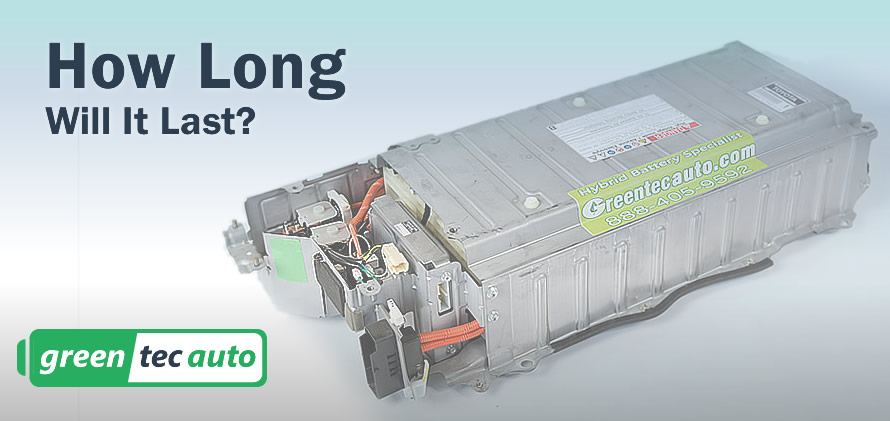
How to test a hybrid battery
A simple test drive can reveal clues, but it cannot confirm battery health. A qualified technician should use professional scan tools and battery data.
A good inspection may include:
Scanning the hybrid control system for fault codes.
Checking battery block voltage and performance.
Testing the battery cooling fan and air path.
Reviewing temperature sensor readings.
Looking for corrosion, damaged wiring, or water intrusion.
Comparing battery capacity with the manufacturer’s specifications.
Some repair shops offer a hybrid battery health report. This report may show how evenly the battery cells perform. Even cell behavior is generally a better sign than a dashboard gauge alone.
Be careful with cheap battery tests that promise certainty in a few minutes. A test can estimate battery condition, but no method can predict the exact day a battery will fail.
Used-car buyers should ask for service records and a written battery inspection. A seller’s statement that “the battery is fine” is not the same as an independent test.

Can maintenance extend hybrid battery life?
Maintenance cannot make a battery last forever, but it can reduce avoidable stress. Think of the battery cooling system as the vehicle’s lungs. If the air path is blocked, the battery has to work in poor conditions.
Follow these practical steps:
• Keep the battery cooling vent clean
• Replace air filters according to the service schedule
• Repair warning lights promptly
• Drive the car regularly
• Use the correct tires and maintain tire pressure
• Avoid leaving the vehicle unused for months
• Follow the manufacturer’s service plan
Do not disconnect the hybrid battery yourself. High-voltage systems can cause serious injury even when the gasoline engine is off.
If you store the vehicle, ask the manufacturer or a qualified hybrid technician for the correct procedure. Storage advice can vary by model. Some vehicles need periodic driving, while others have a specific battery maintenance process.
Many owners also worry that gentle driving will protect the battery. Smooth acceleration helps efficiency, but you do not need to drive unusually slowly. The car’s control system is designed to manage normal acceleration and braking.
Regenerative braking is another important part of the system. It sends energy back to the battery when the vehicle slows down. This reduces brake wear and improves efficiency, but it does not eliminate battery aging.
How much does hybrid battery replacement cost?
Replacement prices vary widely. A new hybrid battery can cost roughly $2,000 to $8,000 or more, depending on the vehicle, battery size, labor rate, and part source.
Some independent shops install remanufactured or refurbished packs. These may cost less, often around $1,000 to $3,500, but quality and warranty terms can vary greatly.
Ask these questions before approving the repair:
• Is the battery new, used, remanufactured, or refurbished?
• How long is the parts warranty?
• Does the warranty cover labor?
• Will the shop replace the full pack or only selected modules?
• Has the cooling system been tested?
• Is the shop trained to work on high-voltage systems?
Replacing individual modules may be cheaper at first. However, the remaining older modules may fail later. A complete, professionally tested pack can offer better long-term reliability.
The cheapest quote is not always the best value. A poor repair may create repeat problems and leave you without a dependable warranty. Compare the repair cost with the vehicle’s value, mileage, condition, and expected future use.
For example, spending $3,500 on a battery may make sense for a well-maintained hybrid worth $12,000. It may not make sense for a heavily worn vehicle worth $4,000 with major suspension and transmission problems.
Is a hybrid worth keeping when the battery is old?
The answer depends on the whole vehicle, not only the battery. A hybrid with an aging battery may still have a strong engine, reliable transmission, and good body condition.
Before making a decision, compare:
• Battery replacement cost
• Current vehicle value
• Expected fuel savings
• Insurance and registration costs
• Other repairs due soon
• Your planned ownership period
Hybrid vehicles often use an electrically assisted transmission with fewer traditional transmission parts. They may also experience less brake wear because of regenerative braking. These benefits can offset some battery concerns.
Still, every car has a limit. If the hybrid needs a battery, tires, suspension work, air conditioning repair, and other major service at the same time, replacement may be more sensible.
A useful rule is to estimate the next three years of repair costs. Compare that total with the cost of another reliable vehicle. Avoid making the decision based on fear alone.
How long can hybrid car battery last in a used vehicle?
A used hybrid battery may last many more years, but age and condition matter more than mileage alone. A 12-year-old car with 120,000 miles may have more battery risk than a 9-year-old car with 160,000 highway miles.
Ask the seller for:
• The original purchase date
• Battery warranty records
• Maintenance history
• Accident and flood history
• Battery diagnostic results
• Records showing cooling fan service
A hybrid that spent years in a hot area may have more battery wear than one operated in a mild region. Location, parking habits, and service history can tell you more than the odometer.
Be careful with vehicles that have been sitting unused for a long time. Long storage can create problems in the battery, fuel system, tires, and brakes. Have the vehicle inspected before you buy it.
When I evaluate an older hybrid, I pay close attention to fuel economy and battery gauge behavior during a long test drive. A short trip around the block may not show a weak battery. Drive uphill, use moderate acceleration, and watch whether the battery charge changes in a smooth and normal way.
Hybrid battery replacement versus a new car
A battery replacement can be a smart way to extend the life of a reliable vehicle. It can also be a poor financial choice if the car has many other expensive problems.
Replacement may make sense when:
• The vehicle has a strong service history
• The engine and transmission are healthy
• The body has no serious rust or flood damage
• The repair includes a useful warranty
• You plan to keep the car for several more years
Buying another vehicle may make more sense when:
• The hybrid has major accident damage
• The car needs several large repairs
• The battery quote is close to the vehicle’s total value
• The vehicle has poor maintenance records
• You cannot find qualified repair support nearby
Do not forget labor and related repairs. A shop may discover a damaged battery fan, corroded cable, or cooling duct during installation. Request a complete written estimate before work begins.
How long can hybrid car battery last in a plug-in hybrid?
Plug-in hybrid batteries can last about 8 to 15 years, but their use pattern differs from a traditional hybrid. A plug-in hybrid has a larger battery and may be charged from an outlet every day.
Regular charging is not automatically harmful. The vehicle’s battery management system controls charge limits to reduce wear. However, frequent exposure to high heat and charging at very high power can increase stress in some models.
Keep these points in mind:
• Follow the charging instructions in the owner’s manual
• Avoid storing the vehicle at a very high or very low charge for long periods
• Use scheduled charging when recommended
• Keep battery cooling systems in good condition
• Check warranty terms for battery capacity coverage
A plug-in hybrid may still drive after its battery loses capacity, but electric range can decline. For example, a vehicle that once traveled 40 electric miles may later provide 30 miles. Reduced range is not always the same as complete battery failure.
Frequently Asked Questions About How Long Can Hybrid Car Battery Last
How long can hybrid car battery last on average?
A hybrid car battery commonly lasts 10 to 15 years or 100,000 to 200,000 miles. Some batteries fail sooner, while others remain useful beyond 200,000 miles.
How long can hybrid car battery last in hot weather?
Heat can shorten battery life because high temperatures speed up chemical aging. Parking in shade, keeping the cooling vent clear, and maintaining the battery fan can help reduce heat stress.
Can a hybrid car run with a weak battery?
A hybrid may continue to run with a weak battery, but fuel economy and acceleration can decline. The vehicle may also display warning lights and rely more heavily on its gasoline engine.
How much does it cost to replace a hybrid battery?
A new replacement battery often costs about $2,000 to $8,000 or more. Refurbished options may cost less, but warranty coverage, battery quality, and technician skill vary.
Is it worth replacing a hybrid battery?
Replacement can be worthwhile when the rest of the vehicle is reliable and the repair cost is reasonable compared with its value. A full inspection should come before making the decision.
Does driving a hybrid every day help the battery?
Regular driving can help prevent problems caused by long storage. It does not stop normal aging, but it allows the vehicle’s charging and cooling systems to operate as designed.
Are hybrid batteries covered by a warranty?
Many hybrid batteries have emissions-related coverage for at least 8 years or 100,000 miles in the United States. Some states and models offer longer coverage, so check the exact warranty for your vehicle identification number.
Conclusion
So, how long can hybrid car battery last? For many owners, the realistic answer is 10 to 15 years and 100,000 to 200,000 miles, with some batteries lasting much longer. Climate, cooling, driving habits, maintenance, and battery design all influence the result.
Watch for falling fuel economy, rapid battery charge changes, warning lights, and unusual cooling fan noise. Keep the cooling system clean, service the vehicle on time, and get a professional battery test before approving an expensive repair.
If you own or plan to buy a hybrid, use the battery warranty and maintenance records as your starting point. Share your hybrid ownership experience in the comments, or explore more maintenance guides before your next vehicle decision.