
A professionally installed car wrap usually lasts five to seven years with proper care and moderate daily use.
Knowing how long a car wrap lasts helps you plan your budget, protect your vehicle, and avoid early peeling or fading. The real answer depends on the film, installation, weather, driving habits, cleaning routine, and where the vehicle is parked. This guide explains each factor so you can get the most life from your wrap.
How long does a car wrap last on average?
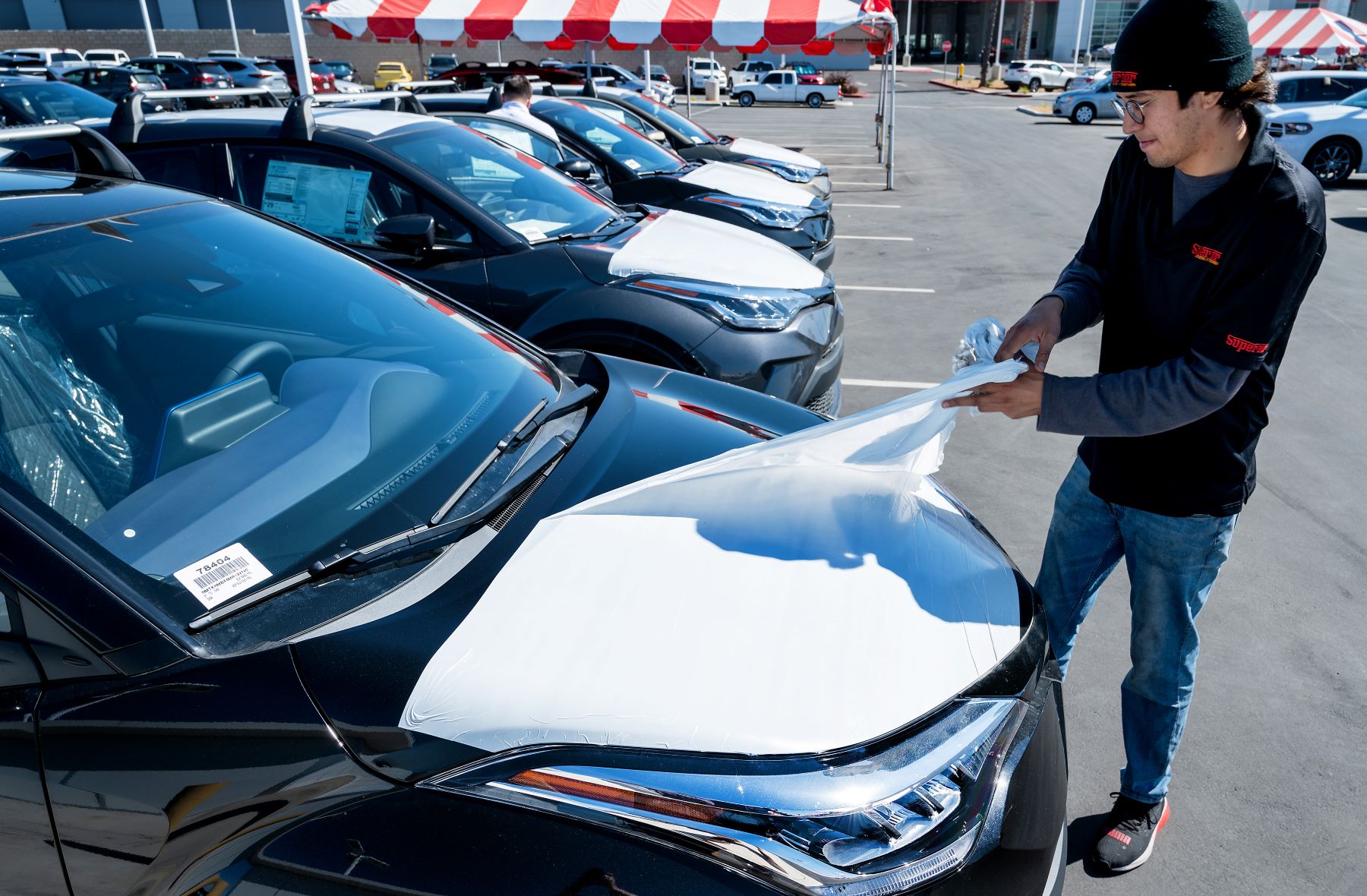
A high-quality car wrap usually lasts between five and seven years. Some premium wraps can look good for seven to ten years when they receive excellent care and stay out of harsh sun. Lower-cost films may show wear in two to four years.
The answer to how long does a car wrap last is not the same for every vehicle. A work truck that sits outside in Arizona may need a replacement much sooner than a weekend car kept in a garage in Oregon.
Most wrap films come with a limited warranty. The warranty period may cover material defects, color changes, cracking, or adhesive failure. It may not cover damage from poor washing, road debris, accidents, or incorrect installation.
A wrap is not permanent paint. Think of it as a thin protective skin. It shields the original finish from some daily wear, but it also needs care to remain smooth and bright.
What affects how long a car wrap lasts?
Several conditions control the life of a vinyl vehicle wrap. The film itself matters, but the environment and your habits can matter just as much.
Film quality
Premium cast vinyl is usually the best choice for full vehicle wraps. It is flexible, stable, and better suited to curves, seams, and deep body shapes.
Calendered vinyl often costs less. It can work well for flat panels, temporary graphics, and short-term color changes. However, it may shrink, lift, or show texture sooner on complex curves.
Important film features include:
• UV resistance: Helps slow fading and color changes.
• Air-release adhesive: Makes installation easier and reduces trapped bubbles.
• Protective overlaminate: Adds resistance to scratches, stains, and sunlight.
• Film thickness: A thicker film may offer more protection, though thickness alone does not prove quality.
Installation quality
Good installation is one of the biggest factors in how long does a car wrap last. A skilled installer cleans the surface, removes wax and grease, controls the film temperature, and uses the correct amount of stretch.
Poor installation can cause:
• Wrinkles and creases
• Lifted edges
• Bubbles
• Visible seams
• Adhesive failure
• Early shrinkage
A wrap that looks perfect on day one can still fail early if the installer stretched it too far or applied it to a dirty surface.
Sun exposure
Sunlight is a major enemy of vinyl wraps. Ultraviolet rays can fade bright colors and make the film brittle over time.
Dark colors, red tones, fluorescent shades, and some matte finishes may show fading sooner. Parking in a garage or using covered parking can help extend the wrap’s useful life.
Climate
Heat, cold, moisture, salt, and rapid temperature changes all affect vinyl. Hot weather can soften the adhesive, while freezing weather can make the film less flexible.
Coastal air may expose the wrap to salt. Areas with heavy winter road salt can also create problems around seams and edges. A regular wash helps remove these contaminants before they cause damage.
Driving conditions
Highway driving exposes the front bumper, hood, mirrors, and fenders to sand, gravel, bugs, and road debris. These areas often wear first.
Frequent off-road driving, construction work, and gravel roads can reduce how long a car wrap lasts. A clear paint protection film on high-impact areas may provide extra defense.
Does the type of wrap change its lifespan?
Yes. Different wrap types have different strengths, care needs, and expected service lives.
Gloss car wraps
Gloss vinyl looks similar to painted bodywork. It is often easier to clean and maintain than textured finishes. With good film and proper care, a gloss wrap may last five to seven years.
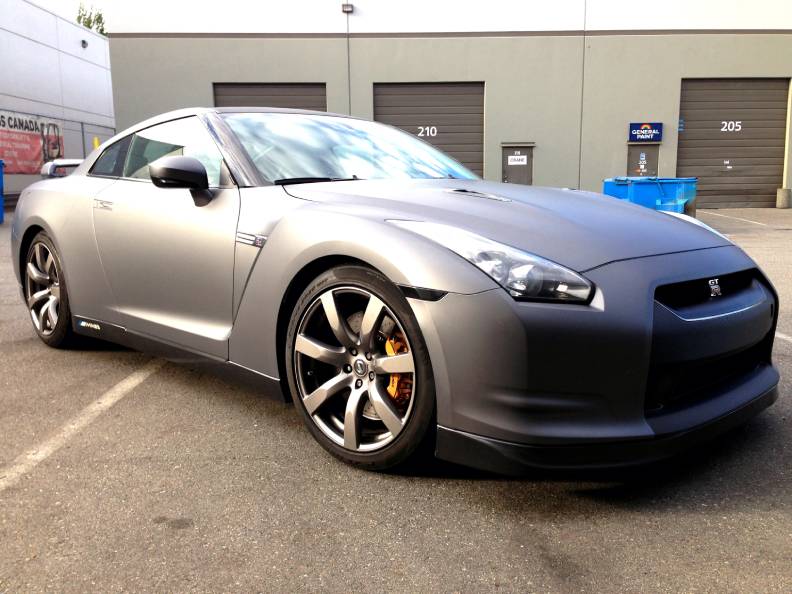
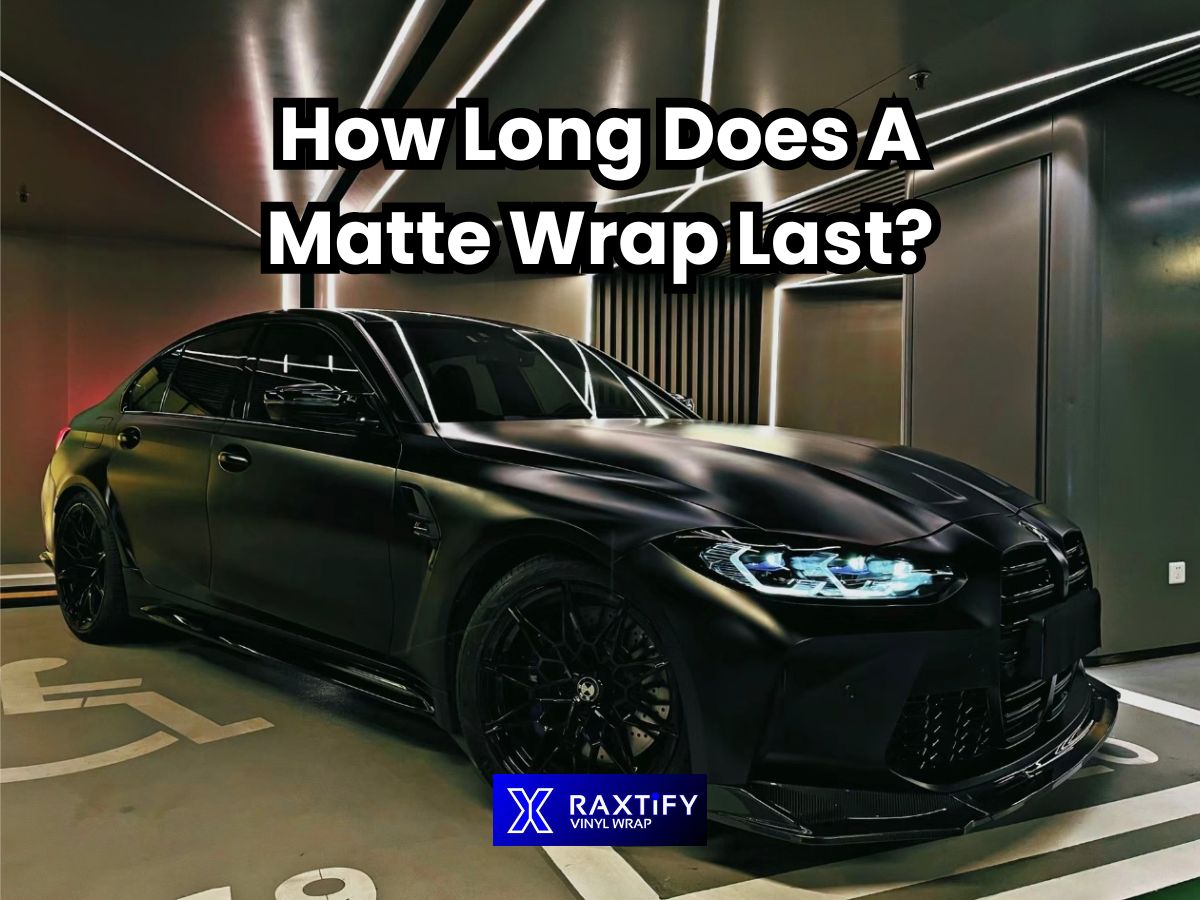
Matte car wraps
Matte wraps have a flat, non-shiny finish. They can look striking, but they may show stains, oil marks, and scratches more clearly.
You should never polish a matte wrap like painted gloss. Polish can create shiny spots that are hard to remove.
Satin car wraps
Satin finishes sit between gloss and matte. They offer a soft sheen and are popular for luxury and performance vehicles. Their life span is often similar to gloss film, but cleaning still requires care.
Color-shifting wraps
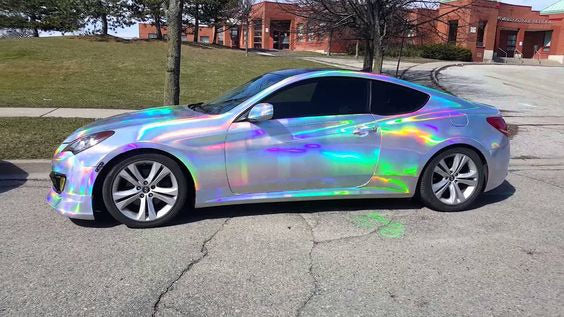
Color-shifting films change appearance as light and viewing angles change. They may last several years, but their special pigments can make fading more noticeable.
Printed commercial wraps
Printed wraps often use a protective laminate. A well-made commercial wrap may last five years or more, but constant sun and heavy use can shorten its life.
Partial wraps
A partial wrap covers only part of the vehicle. It may last as long as a full wrap, but exposed edges can collect dirt and lift if they are not sealed well.
How to make a car wrap last longer
A simple care routine can add years to the life of your wrap. You do not need expensive equipment. You need the right habits and a little consistency.
Wash the wrap by hand
Hand washing is the safest method. Use clean water, a soft microfiber mitt, and soap made for automotive surfaces.
Avoid rough brushes and stiff sponges. They can create fine marks or wear the top layer of the film.
Dry it properly
Letting water dry on the surface may leave mineral spots. Use a clean microfiber towel or a soft air blower to dry the vehicle.
Do not rub hard. Light pressure is enough.
Remove contaminants quickly
Bird droppings, tree sap, fuel, bugs, and road salt can stain vinyl. Remove them as soon as possible.
Soak the area first. Do not scrape dried material with a blade or rough tool.
Limit automatic car washes
Brush-style car washes can catch edges and seams. Strong chemicals may also dull the finish.
If you use an automatic wash, choose a touchless system. Hand washing remains the safer option.
Use shade when possible
Covered parking is one of the easiest ways to improve how long does a car wrap last. A garage is best, but a quality car cover or shaded parking spot can also help.
Make sure the vehicle is clean before using a cover. Dirt trapped under the cover can rub against the wrap.
Use the right protection
Some vinyl-safe ceramic coatings and sealants can help protect the finish. Always check that the product is approved for the exact wrap type.
Do not apply wax or polish without reading the wrap maker’s care instructions. Products made for painted surfaces may change the appearance of matte or satin film.
Avoid pressure near edges
Pressure washers can be useful, but keep the nozzle away from seams and edges. Use moderate pressure and spray at an angle rather than directly into a lifted edge.

Signs that your car wrap needs attention
A wrap does not always fail all at once. Early warning signs can help you repair a small issue before it spreads.
Look for:
• Peeling around door handles, mirrors, and wheel arches
• Bubbles that grow over time
• Cracks near sharp curves
• Fading or uneven color
• Shrinking edges
• Rough or chalky texture
• Stains that will not wash away
• Exposed paint along seams
Small lifting areas may be repairable. A professional can sometimes trim, reheat, or replace a panel. Do not pull the film yourself. Pulling can lift more material and may damage the paint below.
One practical lesson from real wrap projects is that edge problems rarely improve on their own. Early attention usually costs less than waiting until an entire panel needs replacement.
When should you remove or replace a car wrap?
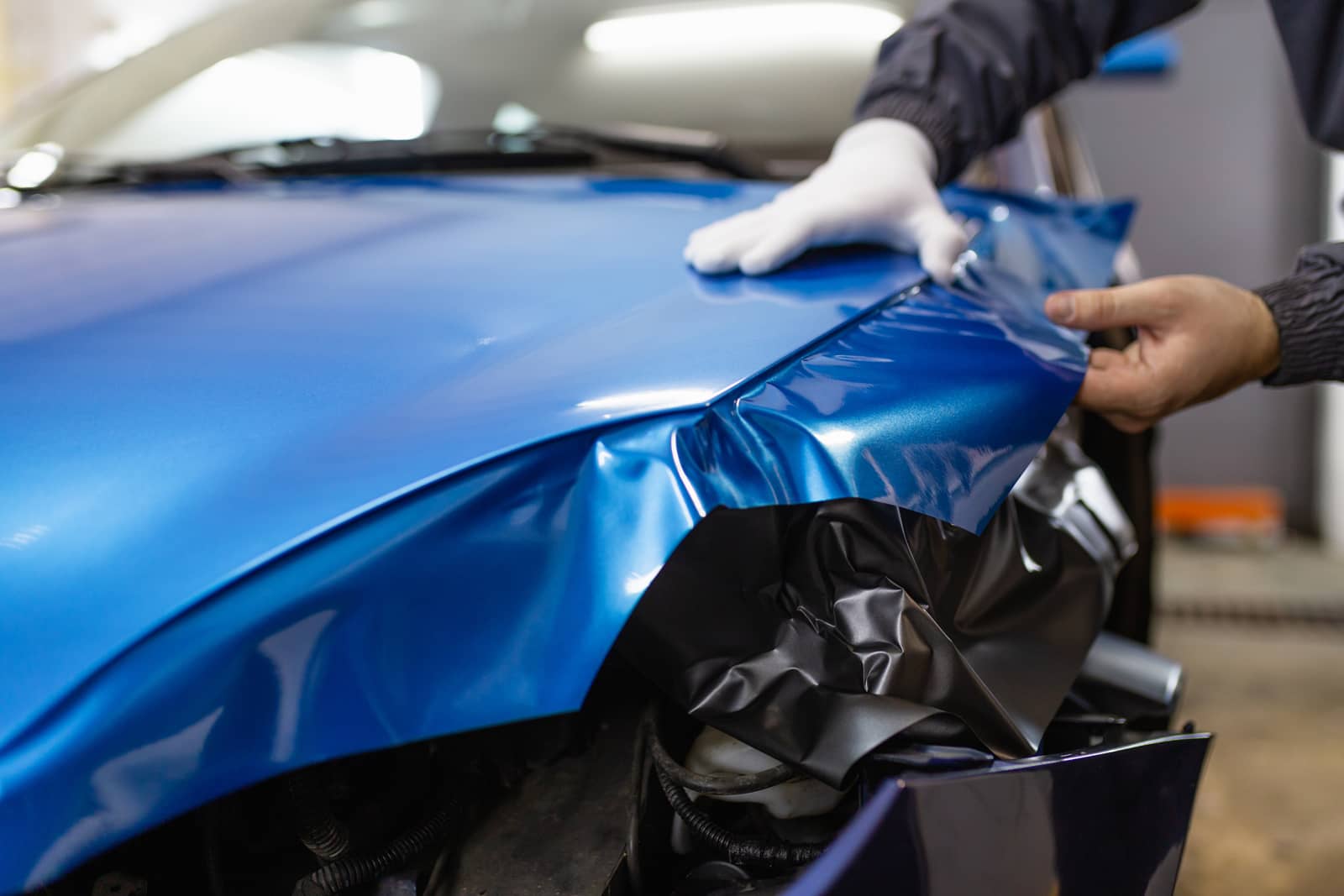
You should consider removal when the film shows widespread fading, cracking, shrinking, or peeling. A damaged wrap can become harder to remove if it stays on the vehicle for too long.
Many owners replace a wrap near the five-year mark for appearance, even when the film still works. Businesses may replace graphics sooner to keep branding sharp and professional.
Removal should be done with controlled heat and the right tools. When installed on clean, healthy paint, quality vinyl usually comes off without major trouble. However, old paint, repaired panels, rust, and low-quality resprays may react differently.
A wrap can sometimes pull weak or poorly bonded paint from a panel. This is one reason to inspect a used vehicle before wrapping it.
Can you wrap a car with damaged paint?
A wrap should go over smooth, stable paint. Peeling clear coat, rust, deep chips, and rough bodywork can show through the film and reduce adhesion.
Fix serious paint problems first. A wrap can hide color, but it cannot repair the surface underneath.
How much does a car wrap cost over time?
The initial cost of a full car wrap often ranges from about $2,000 to $6,000 in the United States. Large vehicles, complex body shapes, premium films, custom designs, and labor in major cities can raise the price.
A partial wrap may cost much less. Removal and surface repair can add to the final bill.
When thinking about how long does a car wrap last, consider the annual cost rather than only the starting price. For example, a $3,500 wrap that lasts five years costs about $700 per year before maintenance and removal.
A wrap may offer good value when:
• You want to change the vehicle color without repainting.
• You want to preserve original paint for resale.
• You need removable branding for a business vehicle.
• You want a custom finish such as satin or color shift.
A wrap may not be the best choice when the vehicle has poor paint, severe rust, or constant heavy use. In those cases, repair or paint protection film may make more sense.
Car wrap versus paint
A wrap and a paint job serve different needs. Paint is a long-term finish that can last many years when applied correctly. A wrap offers faster color changes, easier customization, and possible protection for the original paint.
Wraps are usually reversible, but removal is not always risk-free. Paint is more permanent and can be easier to repair after small chips or scratches.
Choose a wrap if you value:
• Removable styling
• Custom colors and finishes
• Business graphics
• Faster installation
• Original paint preservation
Choose paint if you want a permanent color change and plan to keep the vehicle for many years. Some owners use both options by repainting damaged panels and then adding a wrap for style or added coverage.
Common mistakes that shorten wrap life
Even an expensive film can fail early when basic care is ignored.
Avoid these mistakes:
• Wrapping a dirty or freshly waxed vehicle
• Using harsh solvents without testing them
• Scrubbing with a stiff brush
• Parking in direct sun every day
• Ignoring lifted edges
• Using a pressure washer too close to seams
• Applying standard automotive polish to matte vinyl
• Installing film over peeling paint
• Choosing the lowest quote without checking the installer’s work
Price matters, but preparation and skill matter more than many people expect. Ask to see recent work, confirm the film brand and series, and review the warranty before booking.
How to choose a professional wrap installer
A professional installer should explain the film, warranty, preparation process, and expected service life. They should also inspect the vehicle before giving a final quote.
Ask these questions:
What film brand and series will you use?
Is the film cast or calendered?
Will you remove trim, badges, or lights?
How do you prepare repaired or repainted panels?
What does the warranty cover?
How long should this wrap last in my climate?
What care products do you recommend?
Look closely at the installer’s previous work. Check corners, door edges, mirrors, bumpers, and seams. These areas reveal skill more clearly than a large, flat hood.
A trustworthy shop will explain limitations. No installer can promise that a wrap will resist every scratch, stone, stain, or weather condition.
Frequently Asked Questions About How Long Does a Car Wrap Last
How long does a car wrap last in direct sunlight?
A wrap parked in direct sunlight every day may last closer to three to five years, depending on film quality and climate. Covered parking, regular cleaning, and UV-resistant film can help extend its life.
How long does a car wrap last on a daily driver?
A daily driver commonly gets about five years from a quality wrap with proper care. Highway debris, outdoor parking, extreme weather, and frequent washing may reduce that time.
How long does a car wrap last if it is well maintained?
A well-maintained premium wrap may last five to seven years, and sometimes longer in mild conditions. Maintenance cannot stop normal aging, but it can reduce fading, staining, and edge failure.
Can a car wrap last ten years?
Some wraps may remain attached for close to ten years, especially on a protected vehicle. However, the film may show fading, shrinkage, or surface wear before that point, so appearance and useful life are not always the same.
Does ceramic coating make a car wrap last longer?
A wrap-safe ceramic coating may make cleaning easier and add resistance to stains and UV exposure. It cannot prevent damage from rocks, accidents, poor installation, or severe neglect.
Is it cheaper to wrap or paint a car?
Wrapping can cost less than a high-quality paint job, but prices vary by vehicle and materials. A wrap also offers easier color changes, while paint may provide a more permanent finish.
Can a car wrap damage the original paint?
A properly installed and removed wrap usually protects healthy factory paint. Problems are more likely when the paint is weak, peeling, poorly repaired, or when removal is done without proper heat and technique.
Conclusion
So, how long does a car wrap last? Most quality wraps last about five to seven years, while premium film on a well-kept vehicle may last longer. Sun, heat, road debris, poor installation, harsh cleaning, and damaged paint can shorten that life.
Choose a reputable installer, select the right film, wash it gently, and deal with lifting edges early. These simple steps help your wrap stay sharp and protect your investment. Compare local installers, review film warranties, and ask for a care plan before you schedule the job.