How Long Do Tire Pressure Sensors Last: Lifespan Guide
In the United States, most direct tire pressure monitoring system (TPMS) sensors last about 5 to 10 years. Their actual life depends on the sensor design, battery age, road conditions, temperature, and how much the vehicle is driven.
A TPMS sensor may last the life of the tire—or fail during the next tire service. Most direct sensors use a sealed battery, so the battery usually cannot be replaced by itself. When it runs down, the complete sensor normally needs replacement.
Some vehicles use an indirect TPMS. This system does not measure air pressure with a sensor inside each tire. Instead, it uses wheel-speed data from the anti-lock brake system. Indirect systems do not have the same type of sensor battery.
What Is a Tire Pressure Sensor?
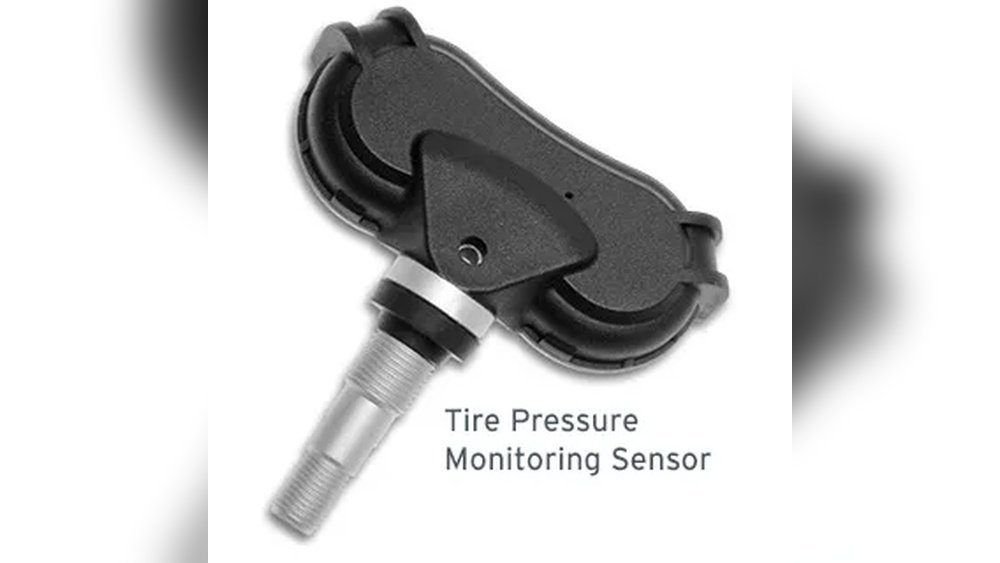
A tire pressure sensor is a small device that measures air pressure inside a tire or near the valve stem. It sends pressure data to the vehicle’s TPMS control unit, which can warn the driver when one or more tires are underinflated.
Most newer vehicles sold in the United States use one of two TPMS designs:
- Direct TPMS: A sensor measures pressure in each tire.
- Indirect TPMS: The vehicle estimates low pressure by comparing wheel speeds and other data.
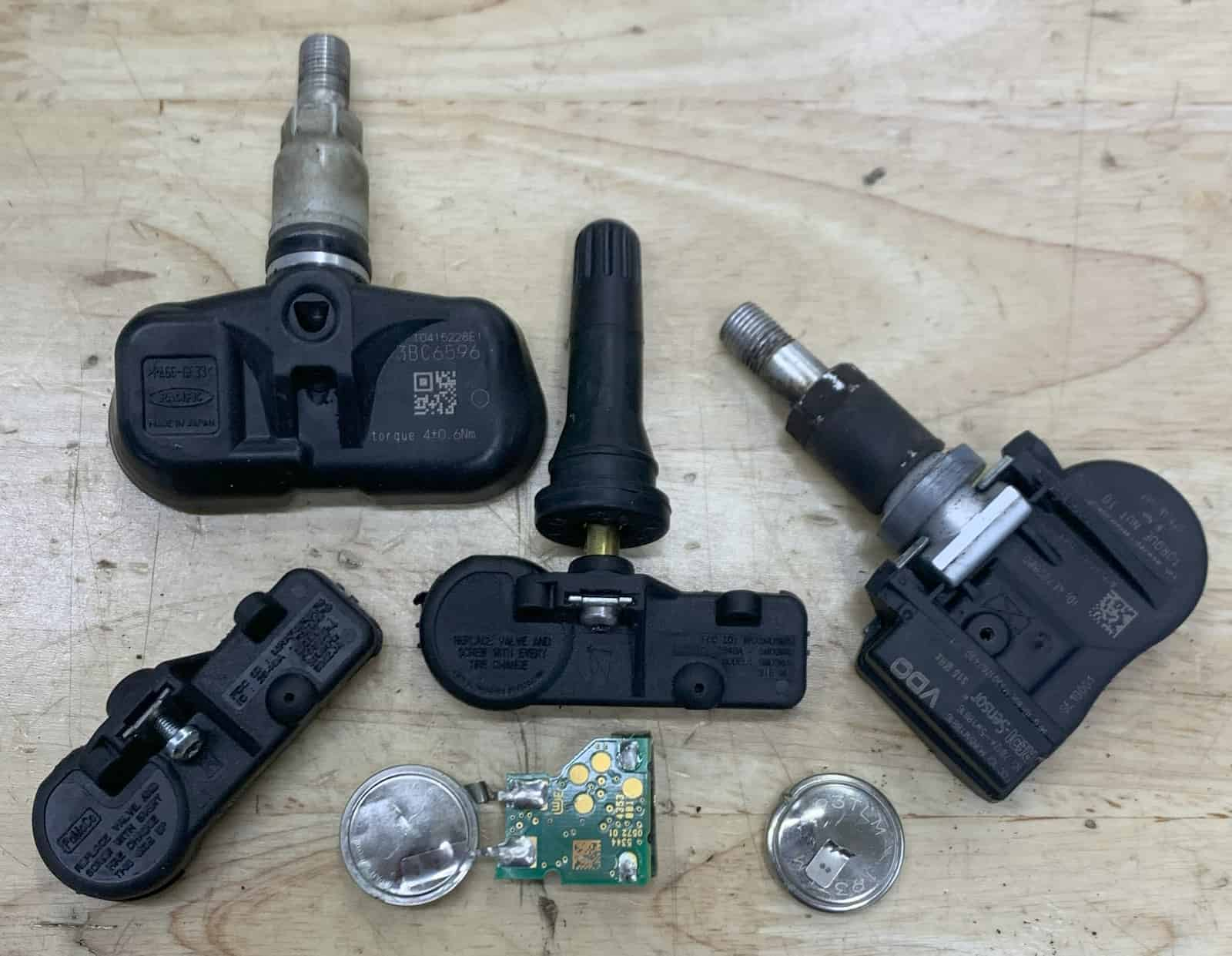
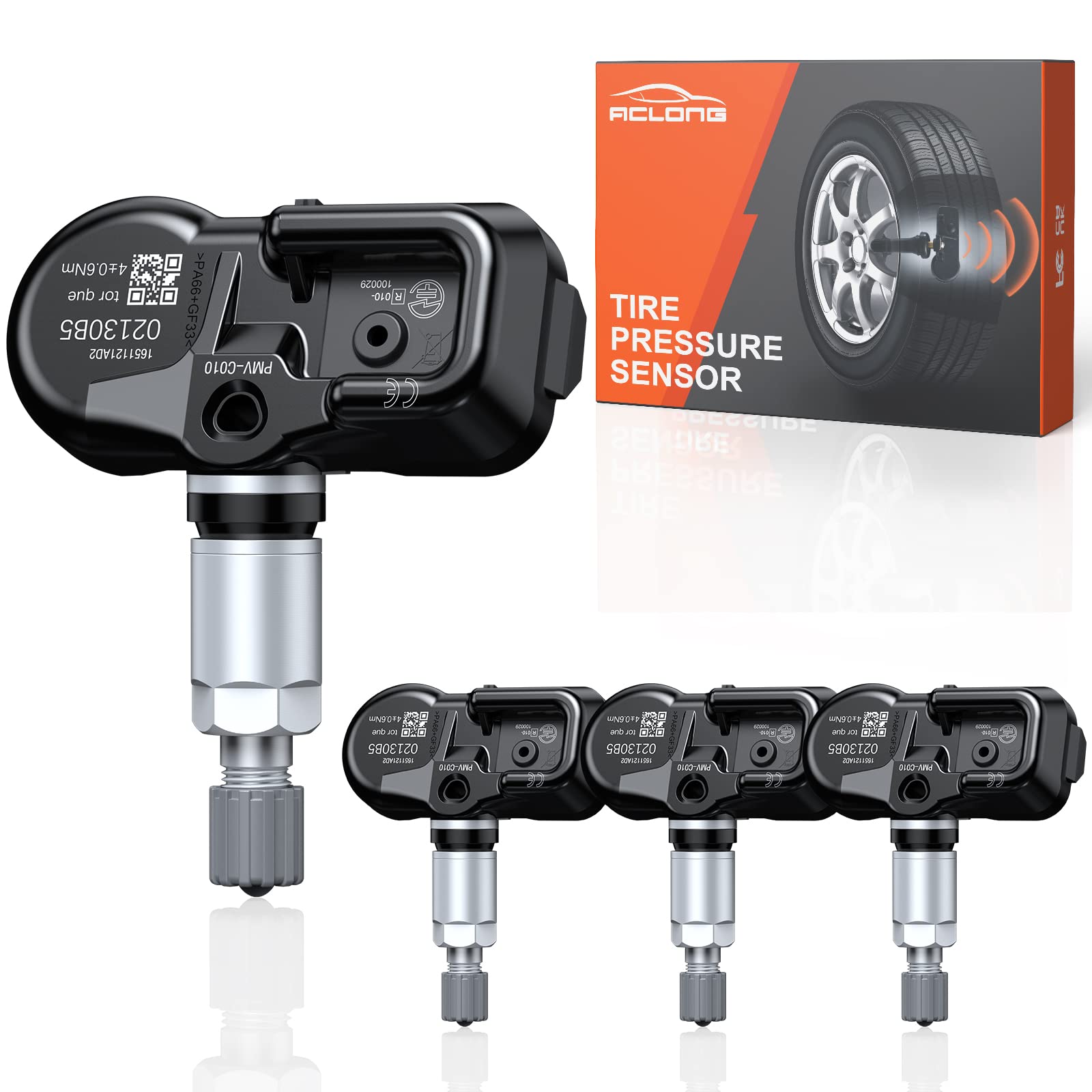
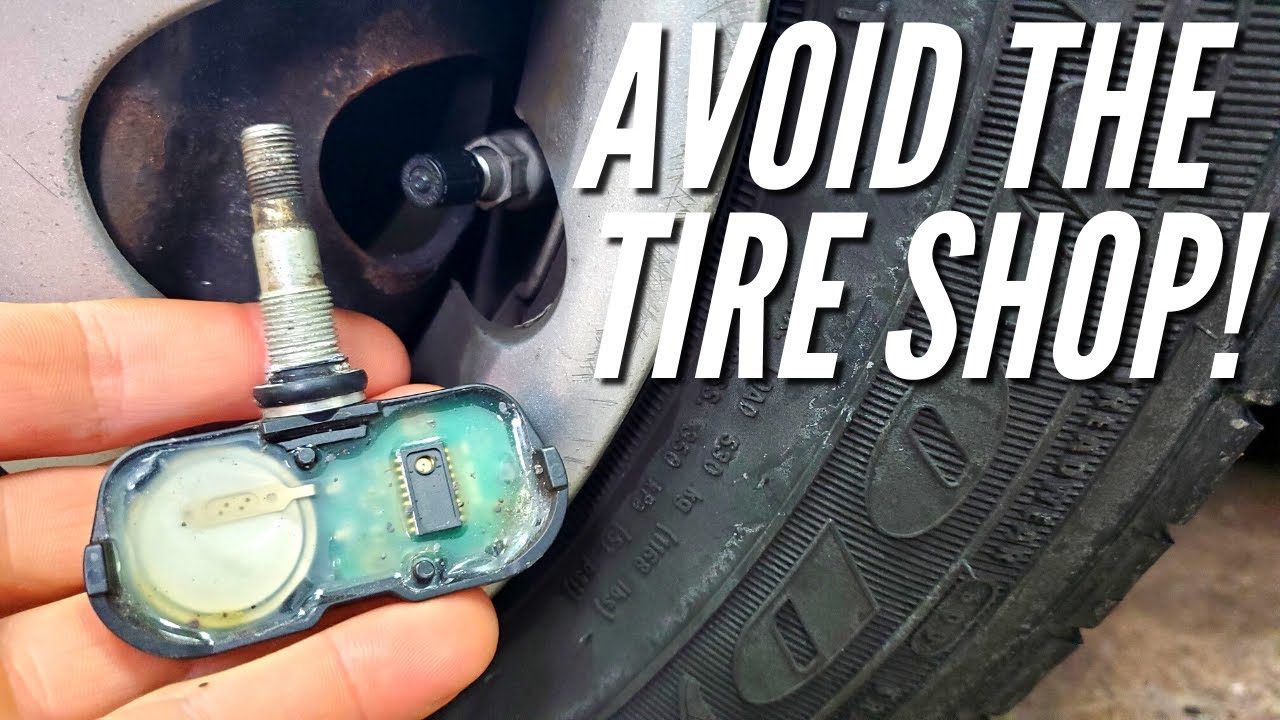
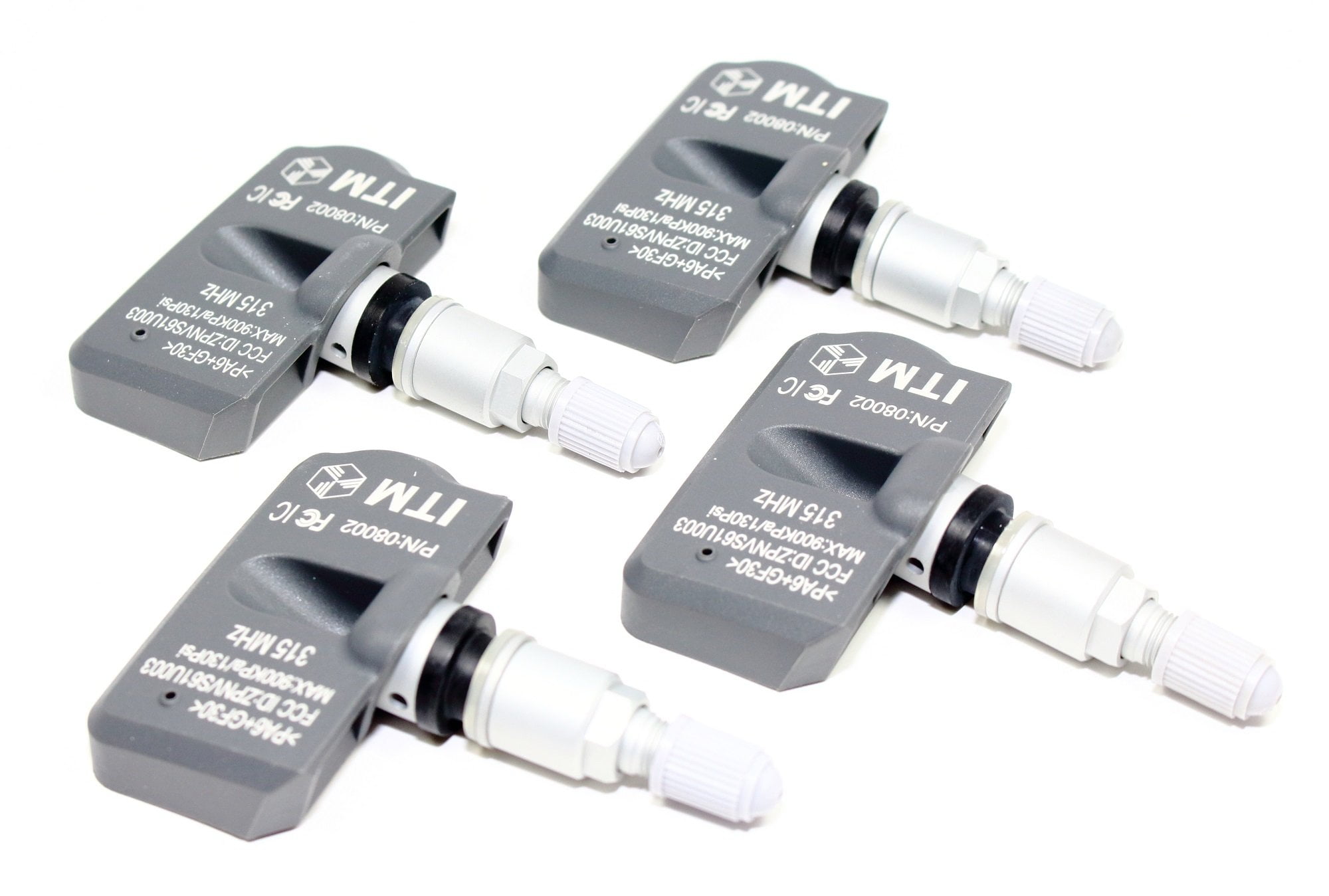
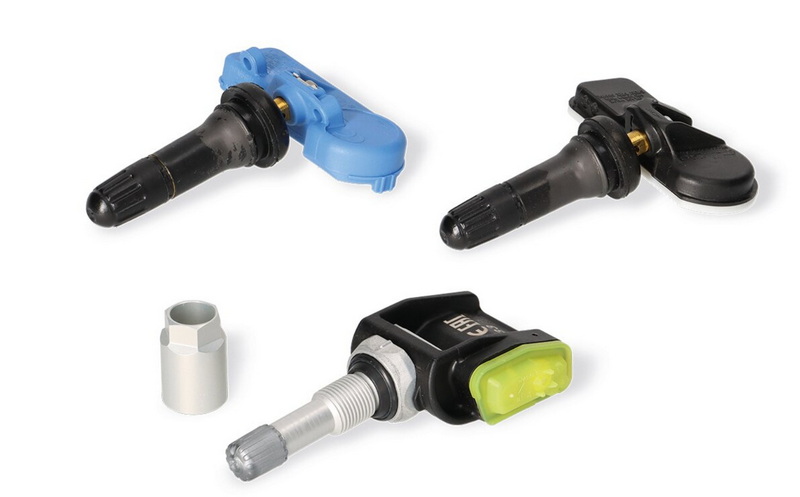
Direct TPMS sensors are often attached to the valve stem inside the wheel. Some are secured to the wheel with a strap or another mounting system. Each sensor has an electronic circuit, a pressure sensor, a radio transmitter, and a battery.
Federal Motor Vehicle Safety Standard No. 138 requires TPMS on many passenger vehicles and light trucks sold in the U.S. The system is designed to warn the driver when tire pressure is significantly below the vehicle maker’s recommended pressure. It is not a replacement for checking tire pressure with a gauge.
How Long Do Direct TPMS Sensors Last?
A direct TPMS sensor commonly lasts five to 10 years, but this is an estimate rather than a fixed replacement interval. Many sensors fail because their sealed battery reaches the end of its service life.
A sensor may last longer when the vehicle is driven in mild conditions and the wheels are protected from damage. It may fail sooner after heavy corrosion, water exposure, impact damage, or repeated tire work.
The sensor’s battery sends data even when the vehicle is parked in some designs. Other sensors enter a low-power sleep mode until the wheel moves. These design differences affect battery life.
A vehicle that is 10 years old may still have its original sensors, while another vehicle may need replacement sooner. The vehicle age alone does not prove that the sensors are bad.

How Long Do Indirect TPMS Systems Last?
An indirect TPMS system can last as long as the vehicle’s wheel-speed sensors and related control modules remain functional. It does not normally use a small battery-powered pressure sensor inside each wheel.
Indirect TPMS systems compare wheel rotation. A tire with low pressure has a smaller rolling circumference and may rotate faster than the other tires. The system can detect this difference and trigger a warning.
Because the system does not directly measure air pressure, it has limits. It may not identify a slow loss in all conditions, and it may need a reset or calibration after you adjust tire pressure, rotate tires, or install different tires.
The owner’s manual identifies the TPMS type and explains the reset process. Do not assume that an indirect system can show the exact pressure in each tire. Many indirect systems only provide a warning.
What Causes a TPMS Sensor to Fail?
The most common cause is a depleted internal battery. Other causes include physical damage, corrosion, failed electronics, and incorrect installation.
Depleted battery
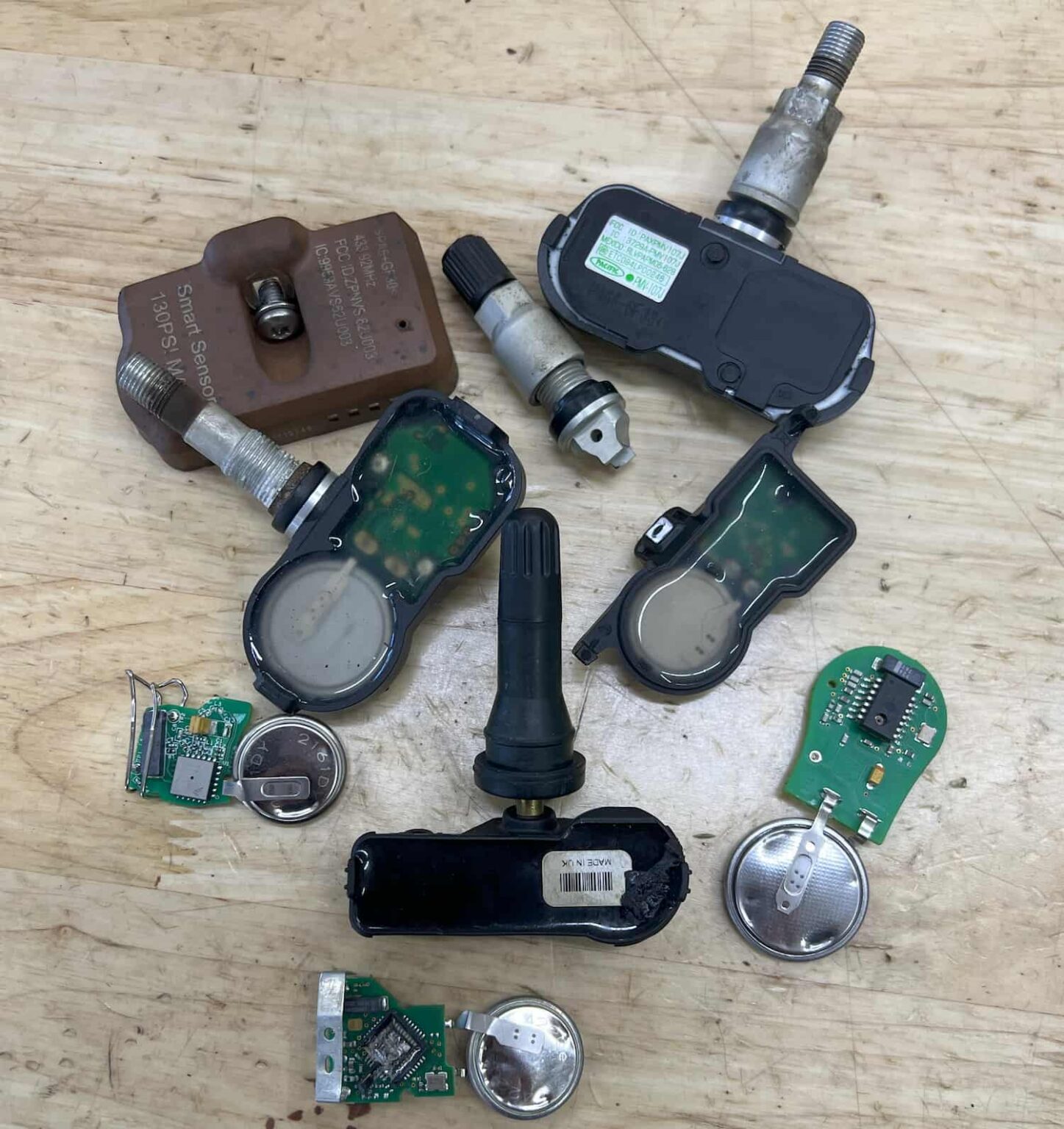
Direct TPMS sensors use small batteries that are usually sealed inside the housing. Once the battery is low, the sensor may stop transmitting or may transmit an intermittent signal.
A low battery can cause the TPMS warning light to stay on, flash, or appear with a message such as “sensor fault” or “tire pressure monitor fault.”
Corrosion
Road salt, moisture, and corrosion can damage the valve stem, sensor housing, or electrical contacts. This risk is higher in areas that use salt or brine to clear winter roads.
A corroded valve stem can also cause an air leak. A tire shop should inspect the sensor and valve hardware during tire service.
Impact damage
A pothole, curb strike, or wheel impact can damage a sensor. The sensor may fail at once or develop a problem later.
A damaged wheel can also cause a slow leak that looks like a sensor problem. The tire should be checked before the sensor is blamed.
Tire installation damage
A tire machine can damage a sensor if the technician places the tool in the wrong position. This is why TPMS service should be done by a technician who knows the sensor location and the correct mounting procedure.
Incorrect programming
Some replacement sensors must be programmed with the correct vehicle information. Others come pre-programmed or can learn the vehicle after installation.
A sensor that is physically sound may still fail to work if it has not been programmed, paired, or relearned correctly.
Signs That a Tire Pressure Sensor Needs Replacement
The warning light alone does not prove that a sensor has failed. First check the tire pressure, then test the system if the warning remains.
Common signs include:
- The TPMS light flashes for about a minute after the vehicle starts, then stays on.
- The dashboard displays a sensor fault message.
- One tire shows no pressure reading while the others work.
- The warning returns soon after all tires are filled to the correct pressure.
- A scan tool reports a missing, weak, or failed sensor.
- The sensor cannot be relearned after installation.
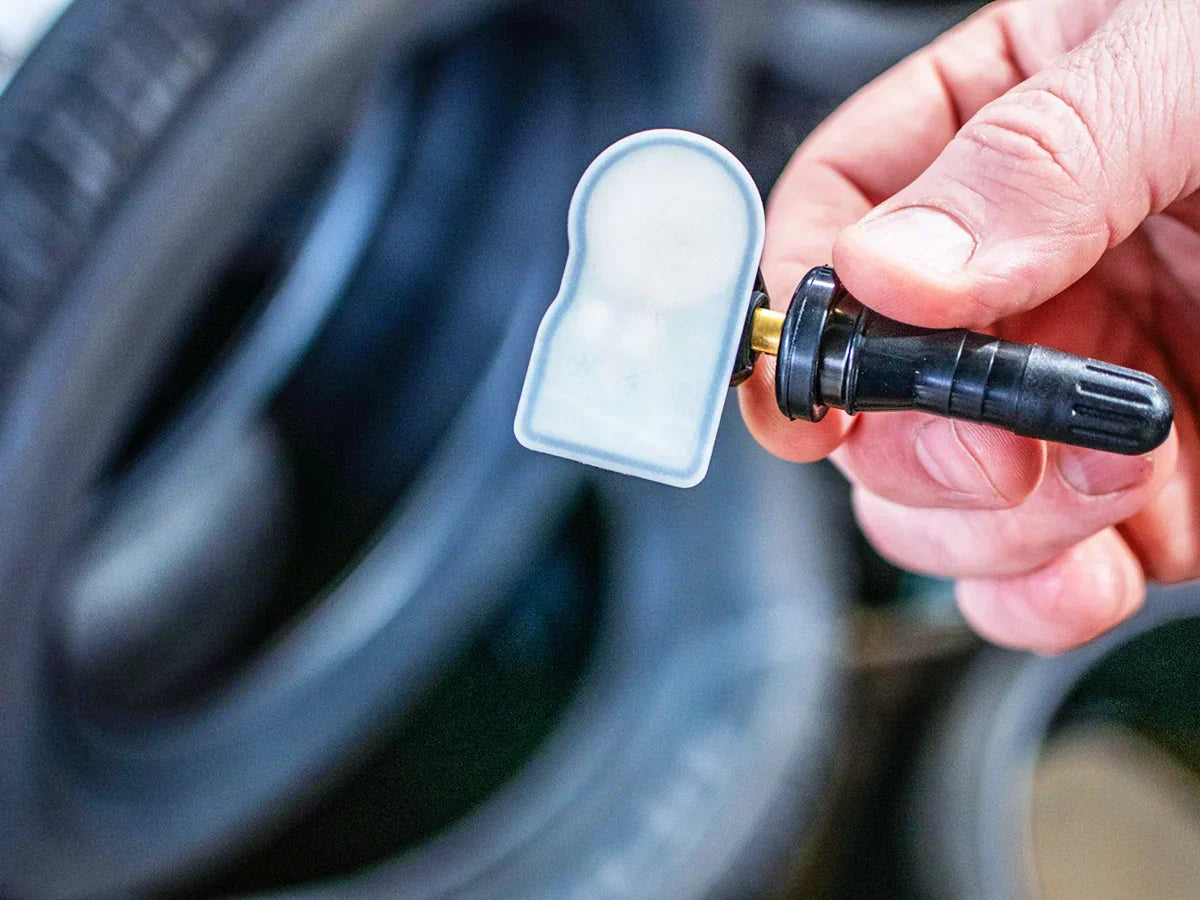
- The valve stem leaks or shows visible corrosion.
- The sensor battery is near the end of its expected service life.
A steady TPMS light often means that the system has detected low tire pressure. A flashing light followed by a steady light often points to a system fault, although the exact meaning varies by vehicle.
Always confirm the meaning in the owner’s manual.
How to Check Whether the Sensor Is Bad
Use this order to avoid replacing a working sensor by mistake.
1. Check all tire pressures
Use a reliable tire pressure gauge when the tires are cold. Compare each reading with the pressure listed on the driver-side doorjamb label.
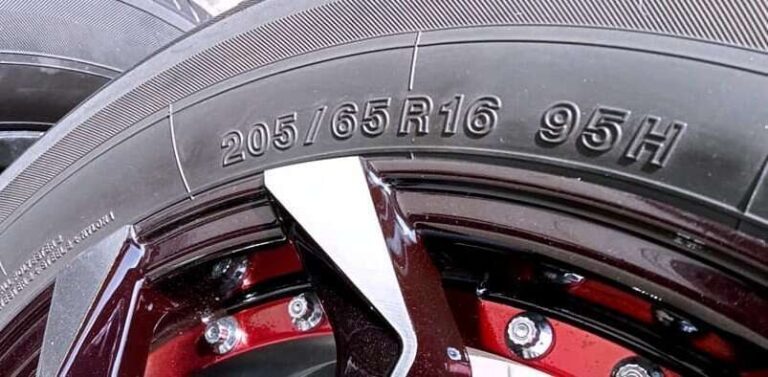
Do not use the pressure printed on the tire sidewall as the normal target. That number is usually the tire’s maximum rated pressure, not the vehicle’s recommended setting.
2. Inspect for a tire leak
A nail, screw, damaged valve, bent wheel, or bead leak can cause low pressure. If one tire loses air, repair the leak before testing the sensor further.
Do not drive on a badly underinflated tire. Low pressure can increase heat and handling risk.
3. Drive only as the manual directs
Some systems need a short drive after pressure adjustment. Others require a manual reset or relearn procedure.
Follow the vehicle manufacturer’s instructions. A reset cannot repair a dead sensor or an actual tire leak.
4. Scan the TPMS
A tire shop can use a TPMS scan tool to check each sensor’s identification code, pressure reading, temperature, and battery condition when supported by the sensor.
A scan can reveal whether the sensor is transmitting. It can also identify a programming or communication issue.
5. Check for relearn or programming needs
After replacing a sensor, the vehicle may need one of these procedures:
- Automatic relearn while driving
- Manual relearn using dashboard controls
- Stationary relearn with a TPMS activation tool
- Programming with a compatible scan tool
The required method depends on the vehicle and sensor.
Should You Replace TPMS Sensors When Replacing Tires?
You do not always need to replace TPMS sensors when installing new tires. However, tire replacement is a practical time to inspect and test them.
Replacement may make sense when:
- The sensors are five to 10 years old.
- The battery test shows low remaining life.
- The valve hardware is corroded.
- The sensor has been damaged.
- A sensor already produces an intermittent fault.
- The tires are being removed for another repair.
- The vehicle owner wants to avoid paying for tire removal again soon.
If the sensors test well and the valve hardware is in good condition, keeping them may be reasonable. Ask the tire shop to test each sensor before deciding.
Replacing all four sensors is not automatically required. If one sensor fails, replacing only that sensor may be enough. Some owners choose to replace the full set when all sensors are the same age because the remaining sensors may be near the end of their battery life.

What Happens When a TPMS Sensor Battery Dies?
When a direct sensor battery dies, the sensor stops sending reliable data. The vehicle may then show a TPMS malfunction warning instead of a normal low-pressure warning.
The usual repair is to replace the complete sensor assembly. The battery is commonly sealed into the sensor to protect it from air, moisture, and tire conditions.
After replacement, the technician may need to:
- Install the new sensor.
- Replace the valve seal, core, nut, and cap as required.
- Program the sensor if necessary.
- Perform the vehicle’s relearn procedure.
- Set all tire pressures to the doorjamb specification.
- Confirm that the warning light turns off.
Some vehicles use sensors that can be rebuilt or serviced with separate components. The correct parts depend on the vehicle, model year, wheel, and sensor design.
How Much Does TPMS Sensor Replacement Cost?
The cost depends on the vehicle, sensor type, labor rate, programming needs, and whether one or all sensors are replaced.
A replacement visit may include:
- The sensor itself
- Valve hardware
- Tire removal and installation
- Sensor programming
- TPMS relearn
- Tire inflation and inspection
A direct sensor is usually more expensive to replace than a simple valve stem because the tire must be partially or fully removed from the wheel. Exact prices vary widely across the United States, so request an itemized estimate before authorizing the work.
Ask whether the quoted price includes programming and relearning. A low parts price may not include the labor needed to make the sensor communicate with the vehicle.
Can You Replace a TPMS Sensor Yourself?
A skilled do-it-yourself mechanic may be able to replace a sensor, but the job requires more than installing a valve stem.
You may need:
- A tire machine
- A wheel balancer
- The correct sensor
- A TPMS programming or activation tool
- The vehicle’s relearn instructions
- New valve hardware
- Safe tire service practices
Removing a tire from a wheel can be dangerous without proper equipment. A tire contains stored energy, and incorrect handling can cause serious injury.
For most drivers, a tire shop is the safer choice. If you do install the sensor yourself, have the assembly checked for leaks, balanced, programmed, and relearned before normal driving.

Can Cold Weather Make a TPMS Sensor Fail?
Cold weather can lower tire pressure and make a warning appear even when the sensor is working normally. Air pressure drops as temperature falls, so a tire that was close to the low-pressure limit may trigger a warning on a cold morning.
Cold temperatures can also reduce the performance of an aging sensor battery. This does not necessarily mean the weather damaged the sensor. It may show that the battery was already near the end of its service life.
Check tire pressure with cold tires and add air until each tire reaches the doorjamb specification. If the warning remains after the pressures are correct, have the system tested.
Do not release air from a warm tire to match the cold-weather reading. Recheck it later when the tire is cold.
TPMS Sensor Life by Situation
The table below gives practical guidance, not a guaranteed service schedule.
| Situation | Likely action |
|---|---|
| Sensor is under five years old and works normally | Test it during tire service; replacement is usually not needed |
| Sensor is five to 10 years old | Check battery status and consider replacement during tire work |
| Sensor is over 10 years old | Expect that replacement may be needed, especially if the battery cannot be tested |
| Warning appears after a cold snap | Check and correct tire pressure first |
| One tire loses air | Find and repair the leak before replacing the sensor |
| TPMS light flashes, then stays on | Have the system scanned for a fault |
| New sensor will not work | Verify compatibility, programming, and relearn |
| Valve stem is corroded or leaking | Replace the valve hardware or sensor assembly as needed |
| Tire pressure display is normal but the tire loses air | Inspect the tire and wheel; the sensor may be working correctly |
The key distinction is between a low-pressure warning and a system fault. A sensor can report low pressure correctly, while a flashing warning may indicate that the vehicle cannot communicate with one or more sensors.

Common TPMS Mistakes to Avoid
Replacing a sensor before checking tire pressure
A low tire can trigger the warning even when the sensor is accurate. Check pressure first.
Using the sidewall pressure as the target
Use the vehicle manufacturer’s recommended cold pressure on the doorjamb label or in the owner’s manual.
Ignoring a flashing warning
A flashing TPMS light may indicate a system problem. The vehicle might not warn you about a future loss of pressure if the system is not working.
Assuming a reset fixes the problem
Resetting the system does not repair a puncture, bad sensor, damaged valve, or dead battery.
Mixing up tire rotation and TPMS relearn
Some vehicles automatically locate sensors. Others need a relearn procedure after tire rotation. Read the manual before assuming the system knows each tire’s new position.
Installing an incompatible sensor
A sensor must match the vehicle’s frequency, communication method, model-year requirements, and programming system. Universal sensors still require correct programming.
Driving on an underinflated tire
TPMS provides a warning, not a substitute for immediate action. Slow down, avoid sharp turns, and inspect the tire as soon as it is safe.
Frequently Asked Questions
Do TPMS sensors need to be replaced every five years?
No. Five years is a common point for inspection, not a universal replacement rule. A sensor may last longer or fail sooner. Test the sensor and inspect its valve hardware during tire service.
Do all four TPMS sensors need replacement at the same time?
No. You can often replace only the failed sensor. Replacing all four may be practical when they are the same age and several are showing weak batteries.
Can a TPMS sensor battery be replaced?
Most direct TPMS batteries are sealed into the sensor and are not designed for replacement. The usual repair is a new sensor assembly.
Will a tire pressure sensor work without programming?
Some sensors are ready to learn after installation. Others must be programmed with vehicle-specific data. The vehicle and sensor instructions determine the process.
Can I drive with the TPMS light on?
Only drive far enough to reach a safe inspection point, and check the tire pressures first. If a tire is visibly damaged, rapidly losing air, or severely underinflated, do not continue driving on it.
Final Answer: How Long Do Tire Pressure Sensors Last?
Most direct tire pressure sensors last about five to 10 years. Their service life can change with battery design, climate, corrosion, impact, tire service, and driving conditions.
Check the tire pressure before blaming the sensor. If the warning continues, have the tires, valve hardware, sensor signals, and relearn status tested. Replace the sensor when its battery is depleted, its electronics fail, or its hardware leaks or suffers damage.
Your next step is simple: check all four tires while cold, use the pressure on the driver-side doorjamb label, and schedule a TPMS scan if the warning remains.