

Most car alignments take 30 to 60 minutes when no damaged parts need repair.
Knowing how long does it take to align a car helps you plan your day and spot service delays. A standard four-wheel alignment is often finished within an hour, but worn suspension parts, rust, incorrect tire pressure, or a steering problem can make the visit much longer. This guide explains the full process, the factors that affect timing, and how to know whether your car is ready to drive safely.
How Long Does It Take to Align a Car?
For most vehicles, how long does it take to align a car? The answer is usually 30 to 60 minutes.
A front-end alignment may take about 30 minutes. A four-wheel alignment often takes 45 to 60 minutes. Some shops may need more time for inspection, setup, measurements, and a final road test.
The process may take two hours or more if the technician finds a worn tie rod, bad ball joint, bent wheel, damaged control arm, or seized adjustment bolt. An alignment cannot correct a broken part. The part must be repaired or replaced first.
Typical time ranges include:
• Front-wheel alignment: 30 to 45 minutes
• Four-wheel alignment: 45 to 60 minutes
• Alignment with minor adjustments: 60 to 90 minutes
• Alignment after suspension repair: 1 to 3 hours
• Alignment with serious damage or rust: Several hours or more
A busy repair shop may also keep your car for half a day. This does not always mean the alignment itself takes that long. It may reflect the shop’s schedule, inspection process, or waiting list.

What Happens During a Car Alignment?
A wheel alignment adjusts the angles of the wheels so they match the vehicle maker’s specifications. The main angles are camber, caster, and toe.
Camber describes how much the top of a tire leans inward or outward. Caster is the angle of the steering pivot when viewed from the side. Toe shows whether the tires point slightly inward or outward when viewed from above.
A technician usually follows these steps:
- Checks tire pressure and tire condition.
- Inspects steering and suspension parts.
- Places the car on an alignment rack.
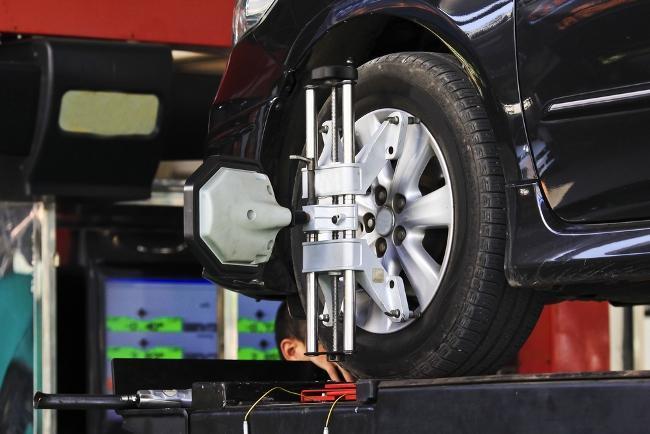
- Mounts alignment targets or sensors to the wheels.
- Measures the current wheel angles.
- Compares those readings with factory specifications.
- Adjusts the angles that the vehicle allows.
- Centers the steering wheel.
- Tightens all adjustment points.
- Performs a final measurement and road test.
Modern alignment machines can measure the wheels in just a few minutes. The careful work comes from inspection and adjustment. A rushed alignment may show good numbers but still leave the steering wheel crooked or the vehicle pulling to one side.

Why Does an Alignment Take Longer Than Expected?
Several issues can change how long does it take to align a car. The alignment machine is rarely the only factor. The vehicle’s condition matters just as much.
Worn steering or suspension parts
A bent tie rod, loose ball joint, worn control arm bushing, or damaged wheel bearing can prevent accurate adjustment. These parts allow unwanted movement, so the alignment readings may change as the car moves.
A good technician will explain the problem before performing major work. Ask for the measured results, photos, or a written estimate. This helps you avoid paying for an alignment that cannot hold.
Rusted or seized adjustment bolts
Older cars may have bolts that are stuck due to rust. The technician may need extra time, penetrating fluid, heat, or replacement hardware. In severe cases, a repair shop may need to remove suspension parts before alignment work can begin.
A bent wheel or suspension component
A pothole or curb impact can bend a wheel, strut, steering knuckle, or control arm. An alignment may reduce the symptoms, but it cannot restore a bent part to its original shape.
The wrong alignment type
Some vehicles need more than a simple front-end alignment. Many cars use independent rear suspension, which means the rear wheels also need to be checked and adjusted. This is why four-wheel alignment can take longer than a basic front adjustment.
Shop workload
Your car may spend three hours at a shop even when the actual alignment takes 45 minutes. Always ask whether the estimate refers to hands-on repair time or total appointment time.

What Factors Affect Alignment Time?
Understanding the main factors can make the answer to how long does it take to align a car more accurate for your vehicle.
Vehicle design
Some cars have easy-to-reach adjustment points. Others require special tools or extra steps. Performance cars, trucks, and vehicles with advanced suspension systems may need more setup time.
Tire and wheel size
Large wheels, low-profile tires, and aftermarket suspension parts can make setup more difficult. Wheel adapters may also be needed if the alignment sensors do not fit properly.
Ride height changes
Lowering springs, lift kits, and adjustable coilovers can change the factory alignment range. A technician may need to set the ride height first and then perform several measurements.
Steering wheel position
A crooked steering wheel can indicate that the toe angles are not balanced. The technician must center the steering wheel during adjustment. This step may require more than one measurement.
Electronic driver aids
Some newer vehicles use cameras and radar for lane keeping, automatic braking, and adaptive cruise control. If suspension height or wheel alignment changes, these systems may need calibration. That calibration is separate from the physical alignment and may add 30 minutes to several hours.
Vehicle loading
Some manufacturers specify a certain fuel level, tire pressure, or vehicle load during alignment. Following those instructions helps produce accurate results.
How Long Does a Four-Wheel Alignment Take?
A four-wheel alignment usually takes 45 to 60 minutes. It measures all four wheels and adjusts the angles that the vehicle design permits.
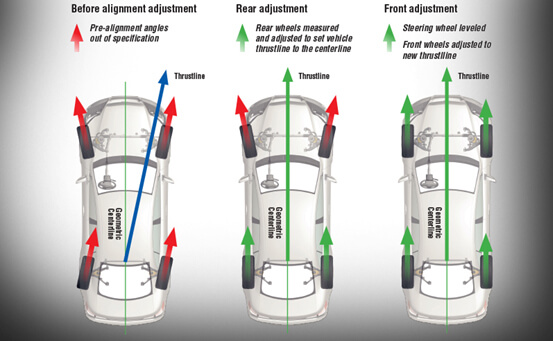
Many modern cars need a four-wheel alignment because the rear wheels influence the car’s direction. If the rear wheels point slightly off center, the vehicle may travel at an angle. The steering wheel can also sit crooked while the car moves straight.
A four-wheel alignment is especially useful after:
• Replacing suspension parts
• Installing new tires
• Hitting a deep pothole
• Lowering or lifting the vehicle
• Noticing uneven tire wear
• Experiencing a pulling or drifting problem
Some rear axles cannot be adjusted. Even then, measuring the rear wheels helps the technician identify bent parts or thrust-angle problems.

How Long Does It Take to Align a Car After New Tires?
How long does it take to align a car after new tires? In most cases, the alignment itself still takes 30 to 60 minutes.
Installing four tires may add 30 to 60 minutes. Tire mounting, balancing, valve replacement, and disposal of old tires are separate services. A complete appointment may therefore take 1 to 2 hours.
New tires do not cause an alignment problem by themselves. However, worn tires can hide steering symptoms, and new tires may make a pull or vibration easier to notice. An alignment is wise when the old tires show uneven wear or when the car has recently hit a road hazard.
Tire balancing should not be confused with alignment. Balancing corrects weight differences in the tire and wheel assembly. Alignment corrects wheel angles and steering geometry.

Signs Your Car May Need an Alignment
A car does not always show clear symptoms when the alignment is off. Regular inspections are useful, especially after an impact.
Common signs include:
• The car pulls left or right on a flat road.
• The steering wheel is not centered.
• The tires wear faster on one edge.
• The steering feels loose or unusual.
• The car drifts when you release the steering wheel.
• The vehicle feels unstable during turns.
• You notice a crooked steering wheel after hitting a pothole.
A road naturally slopes toward the edge to help water drain. This can create a slight pull, so testing on one road is not always enough. A technician should inspect the tires, pressure, brakes, suspension, and road conditions before blaming alignment alone.
From a practical service standpoint, one of the most common mistakes is aligning a car without checking tire pressure first. Unequal pressure can mimic a mild alignment problem and can also affect the final measurements.

Does an Alignment Improve Tire Life?
Yes, a correct alignment can help tires wear more evenly. When wheel angles are wrong, one edge of the tread may carry more load than the rest of the tire.
Alignment does not repair existing tire damage. If the inner tread is already worn smooth, the tire may need replacement. Continuing to drive on a damaged tire can reduce traction, especially on wet roads.
To help tires last longer:
• Check tire pressure at least once a month.
• Rotate tires according to the vehicle manual.
• Inspect the tread for edge wear.
• Avoid driving over potholes when possible.
• Have the alignment checked after a strong impact.
• Repair loose or worn suspension parts promptly.
Tire pressure affects handling, fuel use, braking, and wear. Always use the pressure listed on the driver’s door label rather than the maximum pressure printed on the tire sidewall.

How Much Does a Car Alignment Cost?
The price varies by location, vehicle type, alignment type, and required repairs. A standard alignment often costs about $75 to $150 at an independent shop. Some dealerships and specialty shops may charge more.
The final bill can rise if the vehicle needs:
• New tie rods or ball joints
• Suspension bushings
• Wheel replacement
• Seized bolt removal
• Steering angle sensor calibration
• Advanced driver-assistance calibration
Ask whether the quoted price includes a before-and-after printout. A measurement report shows the original readings and the final results. It also makes it easier to see whether the vehicle is within the manufacturer’s recommended range.
Be cautious of very cheap alignment offers. A low price may cover only a front adjustment, while your vehicle may need a complete four-wheel check.
How to Prepare for an Alignment Appointment
A few simple steps can save time and prevent an inaccurate result.
- Remove heavy items from the trunk.
- Set all tire pressures to the recommended level.
- Tell the technician about recent pothole or curb impacts.
- Mention any steering, braking, or suspension repairs.
- Bring information about aftermarket wheels or suspension parts.
- Ask whether your car needs a four-wheel alignment.
- Request a printout of the final measurements.
Do not replace tires immediately before an alignment if the shop has not checked the suspension. New tires can be damaged quickly if a worn part or serious alignment fault remains.
It is also helpful to ask how long does it take to align a car at that specific shop. The answer may include only repair time, so confirm when the vehicle will be ready for pickup.
Can You Drive a Car That Needs an Alignment?
A small alignment error may allow you to drive safely to a repair shop. However, severe pulling, loose steering, rapid tire wear, vibration, or unusual noises should not be ignored.
Stop driving and seek prompt help if:
• The steering wheel suddenly becomes difficult to control.
• A tire loses air quickly.
• The vehicle pulls sharply after an impact.
• You hear clunking from the suspension.
• A tire has exposed cords or severe edge wear.
• The car sits lower on one side.
Alignment problems can affect handling and tire safety. The risk is higher at highway speeds, on wet roads, or during emergency maneuvers.
What Makes a Good Alignment Service?
A quality alignment is more than connecting a machine to the wheels. It begins with a careful inspection and ends with clear documentation.
Look for a shop that:
• Uses a modern alignment rack.
• Checks all four wheels when required.
• Follows the vehicle manufacturer’s specifications.
• Inspects steering and suspension parts first.
• Explains repairs before charging for them.
• Provides before-and-after measurements.
• Confirms that the steering wheel is centered.
• Performs a road test when appropriate.
Factory specifications are a useful starting point, but modified vehicles may need different settings. A technician should discuss the vehicle’s suspension changes, tire use, and driving goals before making adjustments.
In my review of common alignment complaints, the biggest lesson is simple: a good printout does not replace a good inspection. Numbers can look acceptable while a loose part, bent wheel, or tire defect continues to cause the problem.
Frequently Asked Questions About How Long Does It Take to Align a Car
How long does it take to align a car at a repair shop?
Most standard alignments take 30 to 60 minutes of hands-on work. Your total visit may take longer because of inspections, repairs, or the shop’s appointment schedule.
How long does a four-wheel alignment take?
A four-wheel alignment usually takes 45 to 60 minutes when the suspension is in good condition. Damaged parts, rust, or modified suspension can extend the service time.
Can an alignment take two hours?
Yes. An alignment may take two hours if the technician must free seized bolts, replace damaged parts, correct ride height, or calibrate driver-assistance systems.
Do I need an alignment after replacing tires?
You may not need one after every tire replacement, but it is wise if the old tires had uneven wear or the car pulls. New tires cannot correct an existing alignment problem.
How often should a car get an alignment?
There is no universal mileage interval for every vehicle. Have the alignment checked after a major pothole impact, suspension repair, uneven tire wear, or a noticeable change in steering.
Can a bad alignment damage tires?
Yes. Incorrect wheel angles can cause fast or uneven tread wear. Severe wear can reduce grip and may force you to replace the tires sooner.
Is a front-end alignment enough?
Not always. Many vehicles need a four-wheel check because rear wheel angles affect the car’s path and steering wheel position. The vehicle design and manufacturer specifications determine the correct service.
Conclusion
So, how long does it take to align a car? Plan on 30 to 60 minutes for a normal alignment, but allow extra time when the shop finds worn parts, rust, wheel damage, or calibration needs.
A proper alignment can improve steering feel, reduce uneven tire wear, and help your car track more confidently. Check tire pressure, ask for a full inspection, and request before-and-after measurements before approving the work. If your vehicle pulls, wears tires unevenly, or recently hit a pothole, schedule an alignment check with a trusted shop today.