

There is no fixed limit, but over 150,000 miles demands careful records, inspection, and realistic repair costs.
When asking how many miles is too many for a used car, mileage is only one part of the answer. A well-maintained car with 160,000 miles may be safer and more reliable than a neglected car with 80,000 miles. The engine, transmission, service history, rust, age, and price all matter. This guide explains how to judge mileage with confidence, spot risky deals, and choose a used car that fits your budget.

How Many Miles Is Too Many for a Used Car?
For most modern vehicles, 200,000 miles is possible with good care. However, 150,000 miles is often the point where buyers should inspect a car more closely and plan for larger repairs.
A simple mileage guide looks like this:
• Under 100,000 miles: Often a strong choice if the vehicle has good service records.
• 100,000 to 150,000 miles: Can offer good value, but maintenance history becomes very important.
• 150,000 to 200,000 miles: Not automatically bad, but expect wear, repairs, and higher ownership costs.
• Over 200,000 miles: Best for buyers who understand the model, can verify its history, and have money set aside for repairs.
These ranges are not strict rules. A 12-year-old car with 120,000 miles may have had a calm highway life. A six-year-old car with 90,000 miles may have spent years in heavy traffic, harsh weather, or commercial service.
The better question is not simply, “How many miles is too many for a used car?” It is, “How well were those miles handled?”
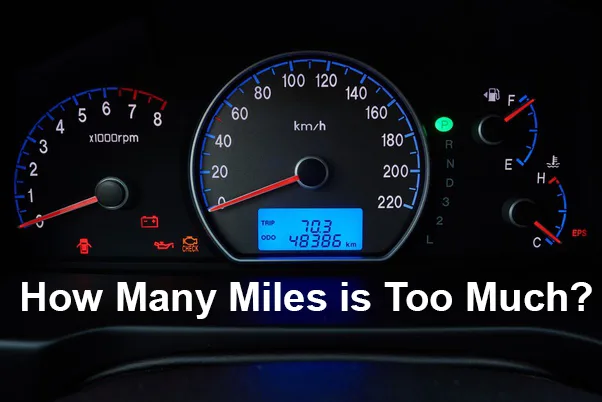
Why Mileage Matters When Buying a Used Car
Mileage measures how much use a vehicle has received. More miles usually mean more time for parts to wear. This includes belts, hoses, suspension parts, wheel bearings, cooling components, and drivetrain seals.
Mileage also affects scheduled maintenance. Many vehicles require major services at specific intervals, such as:
• Timing belt replacement
• Transmission fluid service
• Spark plug replacement
• Coolant replacement
• Brake and suspension inspections
• Differential or transfer case service
A car near 100,000 miles may need several of these jobs at once. If the previous owner skipped them, you may inherit the bill soon after buying the vehicle.
Still, mileage does not tell the whole story. A car is a system, not a number on a dashboard. Its condition depends on how it was driven, where it was driven, and whether its owner fixed small problems before they became major ones.
Highway miles versus city miles
Highway miles are often easier on a vehicle than city miles. A steady highway trip creates fewer stops, less braking, and less time idling. City driving can place more stress on the brakes, transmission, cooling system, and suspension.
However, highway use is not always gentle. A vehicle that spent years towing, carrying heavy loads, or driving on rough roads may show serious wear despite a clean appearance.
Age matters too
A low-mileage car is not automatically a better car. A vehicle that has barely moved for years may have old tires, weak seals, dried fluids, battery problems, or rust beneath the surface.
For example, a 15-year-old car with 60,000 miles may need more age-related repairs than a 10-year-old car with 110,000 miles. When considering how many miles is too many for a used car, always compare mileage with age.
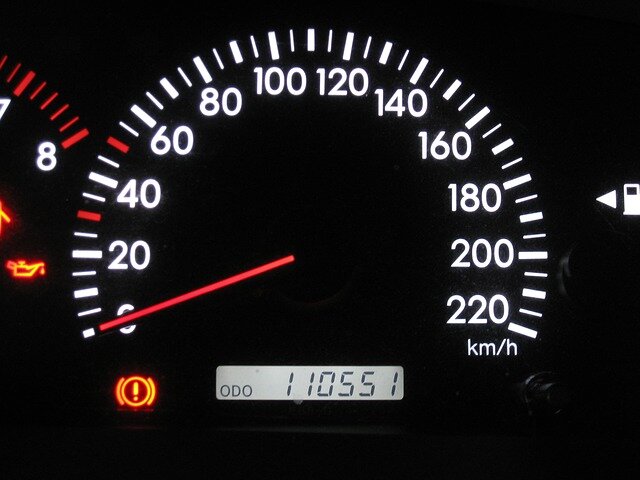
What Mileage Is Good for a Used Car?
Many buyers consider 12,000 to 15,000 miles per year a normal average. You can use that range as a quick way to judge whether a vehicle has unusually high or low mileage.
For example:
• A five-year-old car may have about 60,000 to 75,000 miles.
• A 10-year-old car may have about 120,000 to 150,000 miles.
• A 15-year-old car may have about 180,000 to 225,000 miles.
These numbers are only estimates. A retired owner may drive 5,000 miles per year, while a sales representative may drive 30,000 miles per year.
A car with slightly above-average mileage can still be a smart purchase. High-mileage cars often cost less because buyers fear future repairs. That lower price can make sense if the car has strong records and passes a professional inspection.
Low mileage can also increase the price without guaranteeing better condition. Some sellers focus heavily on the odometer while ignoring rust, accident damage, poor repairs, or neglected maintenance.
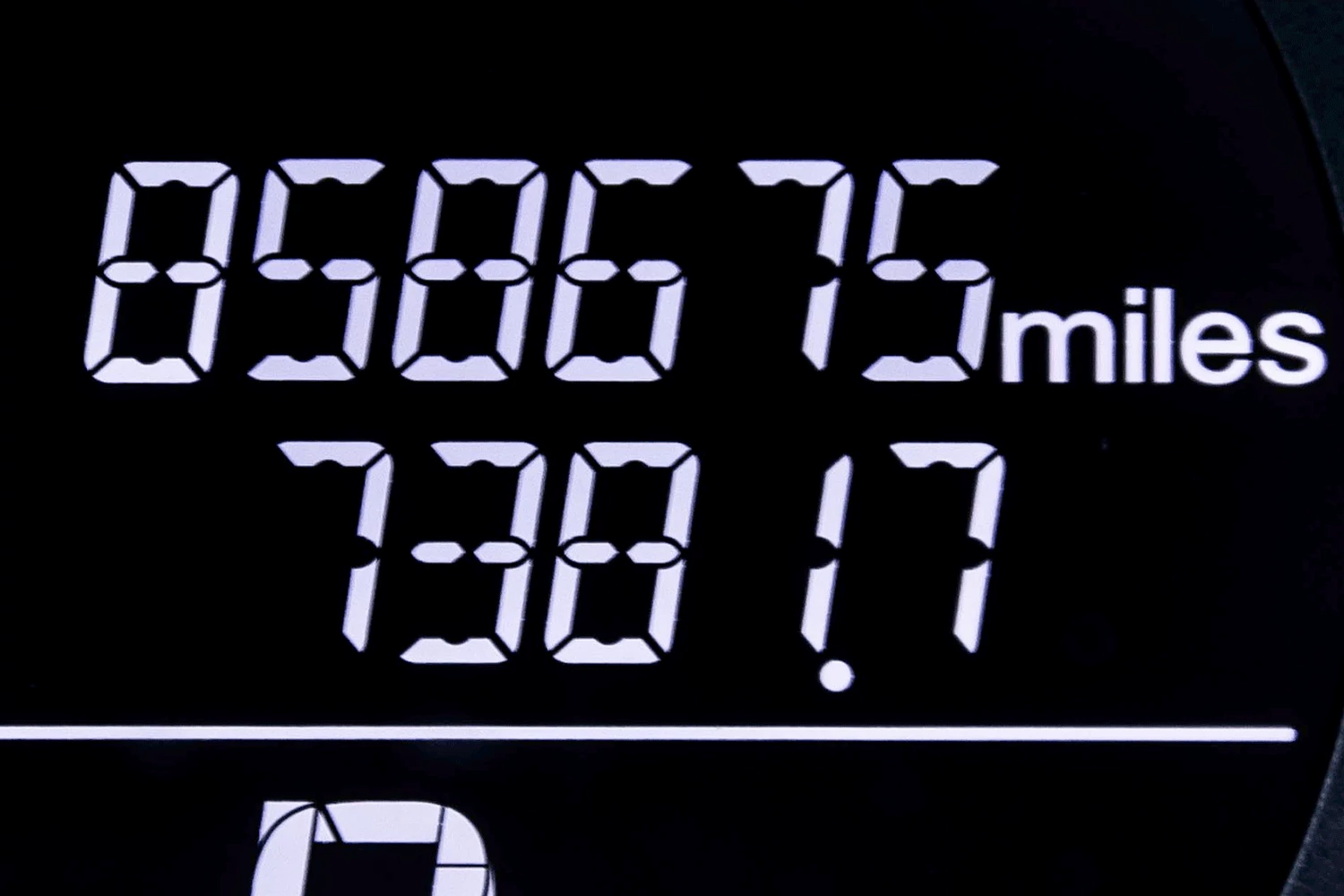
Is 100,000 Miles Too Many for a Used Car?
Usually, 100,000 miles is not too many for a used car. Many dependable vehicles reach 150,000, 200,000, or even more miles when owners follow the maintenance schedule.
At 100,000 miles, inspect the vehicle carefully because several important services may be due. Check the owner’s manual and service records for completed work.
Pay special attention to:
• Timing belts and water pumps
• Transmission fluid changes
• Spark plugs and ignition coils
• Brake rotors and calipers
• Shocks and struts
• Engine and transmission leaks
• Rust on the frame and underbody
A 100,000-mile car with complete records can be a better buy than an 80,000-mile car with no proof of service. The difference may be thousands of dollars in future repair costs.
If you are considering a car with exactly 100,000 miles, do not treat that number as a warning by itself. Treat it as a checkpoint. Ask what has already been replaced and what is likely to need attention next.

Is 150,000 Miles Too Many for a Used Car?
A used car with 150,000 miles can still be worth buying, but the decision requires more care. At this mileage, normal wear can affect many systems at the same time.
Common repair areas include:
• Suspension bushings, control arms, and ball joints
• Wheel bearings
• Alternators and starters
• Air conditioning parts
• Engine mounts
• Fuel system components
• Catalytic converters
• Transmission solenoids or internal parts
This does not mean every 150,000-mile car needs all these repairs. It means you should budget for the possibility.
I once looked at a high-mileage sedan that appeared excellent in photos. The paint was clean, the interior was tidy, and the owner said it drove well. A lift inspection later showed leaking shocks, worn suspension joints, and heavy underside corrosion. The car was not automatically worthless, but the repair bill changed the value of the deal.
That experience taught me an important lesson: a clean appearance can hide expensive wear. When asking how many miles is too many for a used car, condition and inspection should carry more weight than the odometer alone.

Is 200,000 Miles Too Many for a Used Car?
Two hundred thousand miles is a major milestone, but it is not an automatic end point. Some engines and transmissions last beyond 200,000 miles, while others require expensive work much earlier.
A 200,000-mile vehicle is most attractive when:
• It has complete maintenance records.
• The owner can explain recent repairs.
• The model has a strong reliability history.
• The body and frame have little rust.
• The engine starts easily and runs smoothly.
• The transmission shifts properly.
• The purchase price leaves room for repairs.
• A trusted mechanic approves the vehicle.
At this mileage, you should not buy based only on hope. You need evidence. A vehicle history report, service invoices, diagnostic scan, road test, and pre-purchase inspection can reveal problems that a short test drive will miss.
A high-mileage car may be a good second vehicle or inexpensive commuter. It may be a poor choice for someone who needs guaranteed daily transportation and has no emergency repair fund.

The Most Important Factors Besides Mileage
Mileage becomes useful when you combine it with other facts. These factors often tell you more about a car’s true value.
Maintenance history
Maintenance records are among the strongest signs of a cared-for vehicle. Look for dated invoices, dealership records, inspection reports, and receipts from reputable repair shops.
Useful records may show:
• Regular oil and filter changes
• Tire replacements and alignments
• Brake work
• Cooling system service
• Transmission service
• Timing belt replacement
• Recall repairs
A thick folder does not guarantee a perfect car, but missing records create uncertainty. If the seller cannot prove basic maintenance, assume some work may have been skipped.
Vehicle history
A vehicle history report can reveal title problems, reported crashes, odometer readings, flood damage, and ownership changes. It is useful, but it is not a complete medical record for the car.
Some accidents and repairs never appear in a report. Always compare the report with the car itself. Look for uneven paint, mismatched panels, weld marks, dashboard warning lights, and strange gaps between body panels.
Rust and climate
Rust can be more serious than high mileage. Surface rust on a brake component may be normal, but rust on the frame, subframe, suspension mounting points, or brake lines can create safety risks.
Cars from areas with heavy snow and road salt deserve a close underbody inspection. Coastal cars may also develop corrosion from salty air. A vehicle that spent its life in a dry climate may be a better buy even with more miles.
Number of owners
A one-owner vehicle with clear records can be appealing. Multiple owners are not automatically a problem, but frequent ownership changes may suggest ongoing repairs or dissatisfaction.
Ask why the owner is selling. A direct and consistent answer is useful. Vague answers about “just upgrading” should lead to more questions, not immediate rejection.
Vehicle type and powertrain
A small naturally aspirated engine may have different long-term costs than a turbocharged engine, diesel engine, hybrid system, or luxury powertrain.
Replacement parts and labor also vary. A popular compact car may be affordable to repair. An older luxury SUV may have costly air suspension, electronic systems, and all-wheel-drive components.
How to Inspect a High-Mileage Used Car
A professional pre-purchase inspection is one of the best ways to reduce risk. It often costs far less than one major repair.
Use this inspection process:
Check the vehicle when the engine is cold. A seller may warm the engine to hide hard starting or smoke.
Review the title and vehicle history. Confirm that the VIN matches the dashboard, door label, and paperwork.
Inspect the exterior in daylight. Look for paint differences, dents, rust, and poor panel alignment.
Examine the tires. Uneven wear may point to worn suspension parts or alignment problems.
Look under the hood. Search for fluid leaks, cracked belts, damaged wiring, and signs of poor repairs.
Check the engine oil. Milky oil may suggest coolant contamination, while a very low level may show neglect.
Start the vehicle and listen. Knocking, loud ticking, grinding, or rattling deserves attention.
Test every feature. Check the air conditioning, heat, windows, locks, lights, radio, cameras, and warning lamps.
Drive at city and highway speeds. Notice steering, braking, shifting, vibration, and unusual sounds.
Pay for a professional inspection. Ask the mechanic for urgent repairs, future repairs, and an honest estimate.
Do not skip the inspection because the car looks clean. A mechanic can place the vehicle on a lift, scan its computer, measure brake wear, and identify leaks that are difficult to see at home.
How Much Should You Budget for a High-Mileage Car?
A purchase price is only the first cost. You also need to consider repairs, insurance, fuel, registration, tires, and routine maintenance.
Before buying, create three estimates:
• Immediate repairs: Work needed before or soon after purchase.
• Likely repairs: Parts that are worn but still working.
• Emergency repairs: Major failures that could happen without much warning.
For example, a $7,000 car may look affordable. But if it needs $2,500 in tires, brakes, suspension work, and cooling system repairs, its real cost is closer to $9,500.
Try to keep an emergency repair fund. The amount depends on the vehicle and your budget, but high-mileage buyers should not spend every available dollar on the purchase.
A car with 180,000 miles can be reasonable for a buyer with savings and repair knowledge. The same car can create serious stress for someone who needs every paycheck for rent, food, and other bills.
Red Flags That Mean a Used Car Has Too Many Miles
Mileage alone rarely disqualifies a vehicle. However, high mileage combined with several warning signs can make the purchase too risky.
Watch for:
• No maintenance records
• A rebuilt, salvage, or flood title
• Heavy frame or underbody rust
• Engine knocking or blue exhaust smoke
• Slipping, delayed, or harsh transmission shifts
• Overheating or coolant loss
• Multiple dashboard warning lights
• Freshly cleaned engine bay that may hide leaks
• Uneven tire wear
• Strong fuel, oil, or coolant smells
• A seller who refuses an inspection
• Odometer readings that do not match the records
A seller who refuses an independent inspection is giving you useful information. Walk away unless the price is low enough to reflect serious uncertainty, and even then, understand that you may be buying a project.
High Mileage Versus Low Mileage: Which Is Better?
Neither high mileage nor low mileage automatically wins. The best choice is the car with the strongest combination of condition, records, inspection results, and price.
Consider two examples:
Car A is a 2016 sedan with 145,000 highway miles. It has one owner, complete records, fresh tires, no rust, and a recent timing belt service.
Car B is a 2019 sedan with 72,000 miles. It has three owners, no service records, mismatched body panels, worn tires, and a transmission warning light.
Car B has fewer miles, but Car A may be the safer purchase. The numbers do not tell the full story.
This is why the answer to how many miles is too many for a used car changes from one vehicle to another. Mileage should guide your questions, not make the final decision by itself.
How to Negotiate the Price of a High-Mileage Used Car
Use facts rather than fear when negotiating. A seller may not lower the price simply because the odometer shows 150,000 miles, but documented repairs give you a strong position.
Build your offer around:
• Comparable prices for similar vehicles
• The cost of needed maintenance
• Tire and brake condition
• Rust or cosmetic damage
• Missing service records
• Warning lights or diagnostic codes
• Recent repair invoices
Ask for a written estimate from a mechanic when possible. Saying, “This car is old, so I want a lower price,” is weaker than saying, “The inspection shows worn struts and a leaking valve cover, with an estimated repair cost of $1,100.”
Do not negotiate yourself into a bad car. A discount does not make a failing transmission, severe rust, or a questionable title a good deal.
Common Mistakes Buyers Make
Many buyers focus on the odometer and miss the larger risks. Avoid these common mistakes:
• Buying the cheapest car without checking its condition
• Assuming a low-mileage car needs no inspection
• Ignoring rust because the body looks attractive
• Believing every claim in an online listing
• Forgetting to check maintenance intervals
• Spending the entire budget on the purchase
• Skipping a test drive
• Accepting a seller’s mechanic without a second opinion
• Treating a vehicle history report as a complete inspection
• Buying a luxury or European vehicle without researching repair costs
The most expensive used-car mistake is often not buying a high-mileage car. It is buying a car without understanding its next likely repair.
Frequently Asked Questions About How Many Miles Is Too Many for a Used Car
Is 150,000 miles too much for a used car?
Not always. A 150,000-mile car can be dependable if it has strong maintenance records, low rust, and a good inspection report. Plan for higher repair costs than you would with a newer, lower-mileage vehicle.
Is 200,000 miles too much for a used car?
Two hundred thousand miles is high, but some well-maintained vehicles reach this mark successfully. Buy only after checking the powertrain, service history, rust, repair needs, and long-term reliability of that model.
What is considered high mileage on a used car?
Mileage above 100,000 is often considered high by buyers, while 150,000 miles or more deserves extra caution. The meaning changes based on vehicle age, driving conditions, maintenance, and design.
Should I buy a used car with over 100,000 miles?
You can, if the price reflects the mileage and the car passes a professional inspection. Confirm major services, check for leaks and rust, and keep money available for future repairs.
Do highway miles matter less than city miles?
Highway miles can create less brake and transmission wear than frequent city driving. However, towing, heavy loads, poor roads, and neglected maintenance can make highway-driven vehicles expensive too.
How can I tell if a car’s mileage is real?
Compare the odometer with title records, inspection stickers, service invoices, vehicle history reports, and electronic records. Inconsistent mileage or missing records should make you cautious.
What is more important than mileage on a used car?
Condition, maintenance history, rust, accident damage, repair costs, and the vehicle’s reliability record may matter more than mileage. A well-maintained high-mileage car can be a better buy than a neglected low-mileage car.
Conclusion
There is no single mileage number that makes every used car a bad purchase. In general, cars under 100,000 miles may offer simpler ownership, while vehicles from 100,000 to 200,000 miles require stronger records, closer inspections, and a repair budget.
When deciding how many miles is too many for a used car, look beyond the odometer. Check the maintenance history, title, rust, engine, transmission, suspension, tires, and price. Take the car to an independent mechanic before you buy, and walk away when the seller hides information or refuses an inspection.
The right high-mileage car can provide reliable transportation at a fair price. Use the advice in this guide, compare your options carefully, and share your own used-car experience or questions in the comments.