How Much Does It Cost To Replace Ball Joints: Price Guide
Introduction
In the United States, replacing a ball joint usually costs about $300 to $800 per ball joint, including parts and labor. A basic passenger car may cost less, while a large pickup, SUV, luxury vehicle, or model with a built-in control arm may cost $800 to $1,500 or more per side.
If both sides need repair, expect roughly $600 to $1,600 in many cases. The final bill depends on the vehicle, labor rates in your area, the type of suspension, and whether the shop replaces only the ball joint or the entire control arm assembly.
A wheel alignment may add $100 to $200 after the repair. Some vehicles need an alignment after ball joint work, while others do not. Ask the shop before approving the job.
Average Ball Joint Replacement Cost in the USA
The typical ball joint replacement cost is easier to understand when it is split into parts, labor, and related services.
| Repair item | Typical U.S. price |
|---|---|
| One ball joint, independent repair | $300–$800 |
| One ball joint on a truck or SUV | $400–$1,000+ |
| Both front ball joints | $600–$1,600+ |
| Control arm with ball joint included | $500–$1,200 per side |
| Wheel alignment, when needed | $100–$200 |
| Ball joint inspection or diagnosis | $50–$150 |
| DIY parts for one side | $50–$300+ |
These are planning ranges, not fixed quotes. Prices vary by ZIP code, vehicle design, part quality, and shop type. Dealership labor is often higher than an independent repair shop, but the dealer may have better access to model-specific tools and procedures.
The most useful question is not just, “How much is a ball joint?” Ask instead:
“Does this price include the ball joint, labor, hardware, alignment, and any control arm replacement?”
A low quote may cover only the part. A higher quote may include a complete control arm, new bushings, an alignment, and a warranty.

What Is a Ball Joint?
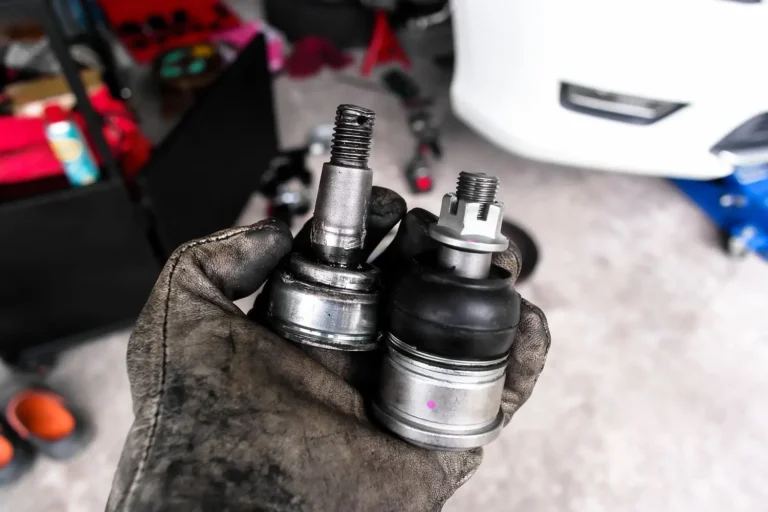
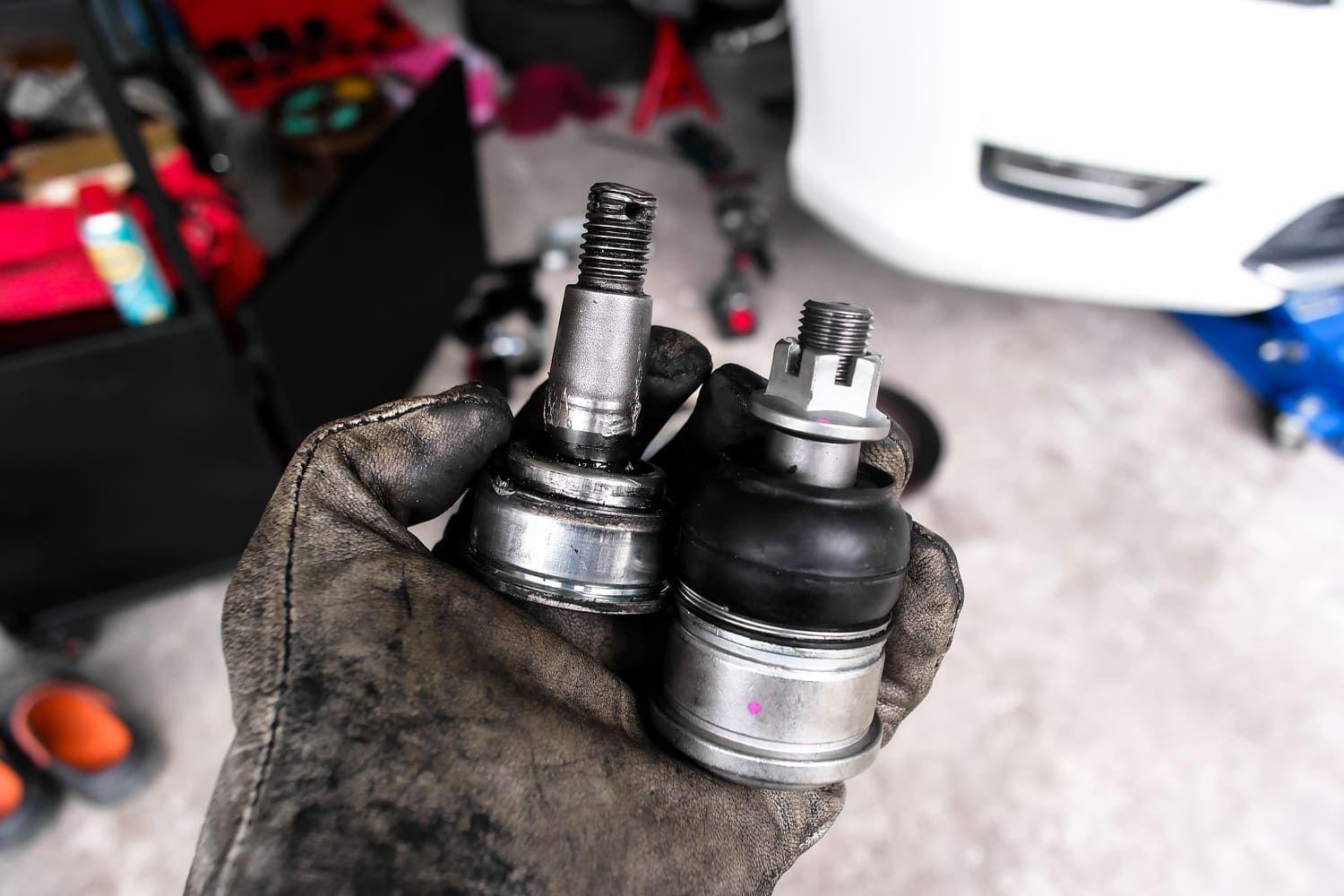
A ball joint is a pivot that connects a vehicle’s steering knuckle to a control arm. It lets the wheel move up and down with the suspension while also turning left and right with the steering.
Most vehicles have:
- An upper ball joint
- A lower ball joint
- One or more ball joints on each front wheel, depending on the suspension design
Some vehicles use a MacPherson strut system with only a lower ball joint at each front wheel. Others use a double-wishbone system with upper and lower joints.
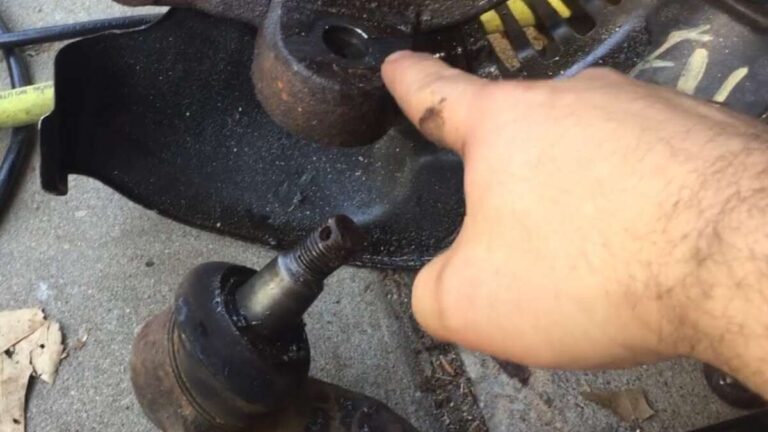
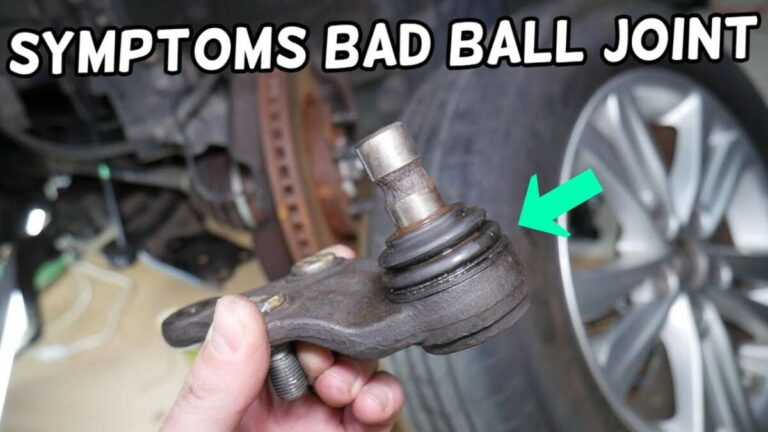
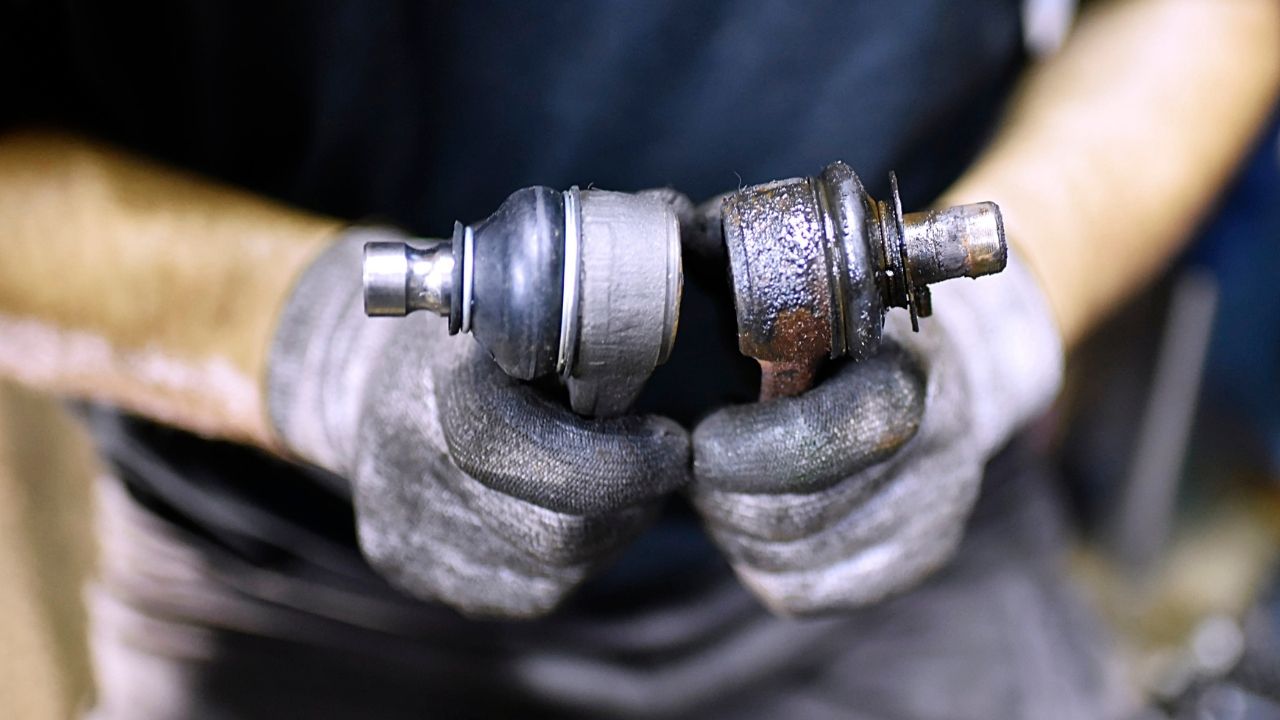
A ball joint usually has a metal ball and socket protected by a rubber boot. Grease inside the joint reduces friction. When the boot tears, dirt and water can enter. The joint can then wear and develop looseness.
Ball joints are safety-related parts. A severely worn joint can allow the wheel to move out of its normal position. In extreme cases, the joint can separate and cause a loss of steering control.

What Changes the Cost of Ball Joint Replacement?
The largest price differences come from the vehicle design and the repair method.
Vehicle type and suspension design
A compact sedan may have easy access to a replaceable ball joint. A heavy-duty truck may use a larger joint that takes more time and force to remove.
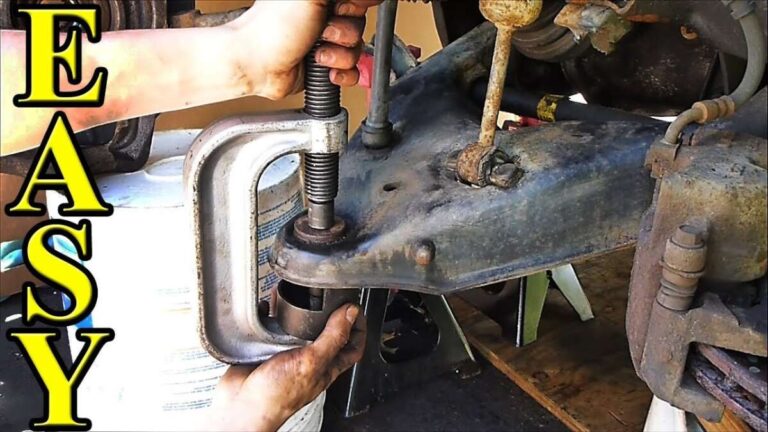
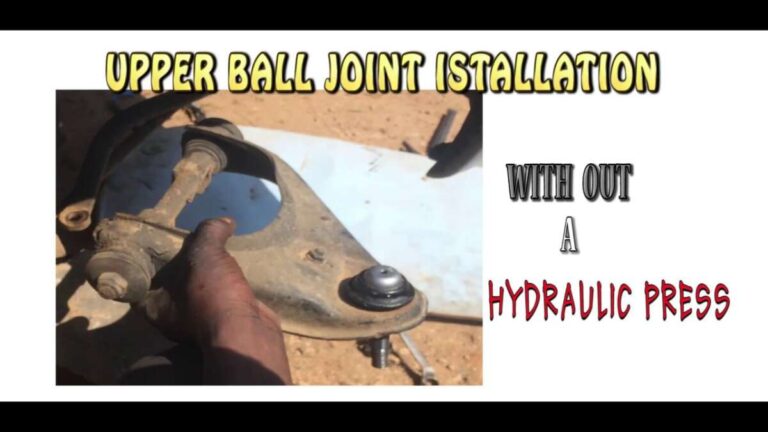
Some vehicles also require special tools. A press may be needed to remove and install a ball joint that is pressed into the control arm. That adds labor time.
Replaceable ball joint versus complete control arm
Some ball joints bolt into the control arm. Others are pressed in. On many modern vehicles, the manufacturer or parts supplier sells the control arm and ball joint as one assembly.
Replacing the complete control arm can cost more up front. It may still be the better repair when:
- The control-arm bushings are cracked or worn
- The ball joint is not sold separately
- The joint is difficult to press out
- The vehicle has high mileage
- The added labor makes a complete assembly more practical
Do not assume a complete control arm is unnecessary. Ask the shop to show you which part has failed and why the proposed repair is required.
Parts quality
Aftermarket ball joints may cost less than original-equipment parts. Prices also vary within the aftermarket.
A very cheap part may have a shorter warranty or different materials. That does not mean every aftermarket part is poor. It means the estimate should identify the brand, warranty, and part number.
For a safety-related suspension repair, compare:
- Part brand
- Warranty length
- Grease fitting, if applicable
- Whether new fasteners are included
- Whether the part matches the vehicle’s exact trim and suspension
Labor rates and location
U.S. repair labor rates often range from about $100 to $200 per hour, though some areas and specialty shops charge more. The number varies by region, shop overhead, and technician training.
A job that takes two hours in one vehicle may take four hours in another. Labor guides provide estimates, but rust, seized bolts, and prior repairs can increase the actual time.
Rust and seized parts
Rust can turn a routine repair into a difficult one. A mechanic may need extra time, heat, penetrating oil, or replacement hardware.
Ask whether the estimate includes possible rust-related charges. A shop should get your approval before adding major labor or parts costs.
Ball Joint Replacement Cost by Repair Location
The front suspension usually contains the ball joints that receive the most attention. Rear ball joints are less common, but some vehicles use them.
| Repair situation | Common planning range |
|---|---|
| Lower ball joint on a small car | $250–$600 |
| Upper ball joint on a vehicle with separate upper control arm | $300–$700 |
| Ball joint on a pickup or SUV | $400–$1,000+ |
| Complete control arm and ball joint | $500–$1,200+ |
| Both joints on one front corner | $600–$1,400+ |
| Both front sides | $600–$1,600+ |
These ranges overlap because the same vehicle can have very different repair designs. A quote for a complete control arm should not be compared directly with a quote for a ball joint alone.
A shop may also recommend replacing both sides when only one side shows wear. That is not always required. However, the other side should be inspected because both parts have experienced similar mileage and road conditions.

Symptoms of a Bad Ball Joint
A worn ball joint can cause several symptoms, but none proves the diagnosis by itself.
Common signs include:
- Clunking or knocking over bumps
- Uneven or rapid tire wear
- Steering that feels loose
- Vehicle pulling or wandering
- Vibration through the steering wheel
- A wheel that appears to sit at an unusual angle
- Creaking during turns or suspension movement
Some worn joints make little noise. Some noises blamed on ball joints come from tie-rod ends, control-arm bushings, sway-bar links, wheel bearings, or struts.
A mechanic should inspect the joint for looseness and check the surrounding suspension. Depending on the vehicle, the inspection may include lifting the wheel, checking movement with a pry bar, measuring joint play, and following the manufacturer’s procedure.
Do not diagnose a ball joint from noise alone. A proper inspection can prevent you from paying for the wrong repair.

Is It Safe to Drive With a Bad Ball Joint?
It depends on the amount of wear, but driving with a confirmed severely worn ball joint is unsafe.
A joint with minor measured play may allow limited driving to a repair shop. A joint with excessive play, a damaged stud, a torn boot with serious wear, or signs of separation should not be driven.
Stop driving and arrange a tow if you notice:
- The wheel is visibly leaning
- Steering control changes suddenly
- A loud impact or grinding sound occurs
- The vehicle pulls sharply
- The wheel moves noticeably when checked
- The mechanic says the joint could separate
Ball joint failure can affect steering and wheel position. A tire can also rub against suspension parts or the vehicle body. The risk is not worth testing on public roads.
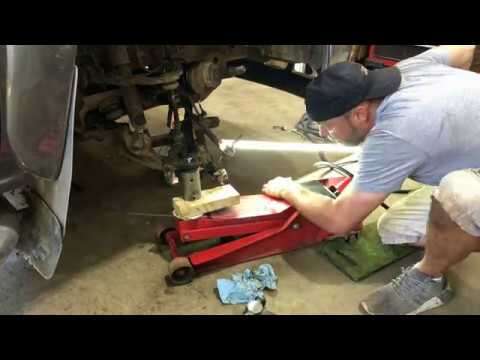
Never place any part of your body under a vehicle supported only by a jack. Suspension inspection and replacement require proper lifting equipment, jack stands, and vehicle-specific procedures.

Do You Need a Wheel Alignment After Ball Joint Replacement?
A wheel alignment may be needed after ball joint replacement, but it is not automatic for every vehicle.
Replacing a ball joint can change the position of the steering knuckle or control arm. That may affect camber, caster, or toe. Even a small alignment change can lead to tire wear or a steering wheel that sits off-center.
The repair shop should check the manufacturer’s specifications and inspect alignment angles after the repair. An alignment is especially likely when:
- The control arm is replaced
- The ball joint position affects camber or caster
- The vehicle already pulls to one side
- The tires show uneven wear
- Suspension bolts were loosened
- The vehicle hit a pothole or curb
If the estimate includes an alignment, confirm whether it is a measurement only or a complete adjustment. A measurement may show that no adjustment is needed, but the service should be clearly explained.

How to Read a Ball Joint Replacement Estimate
A good estimate should identify the exact repair. Review these items before authorizing the work:
-
Vehicle and repair location
Confirm the year, make, model, trim, and whether the repair is on the left, right, front, or rear. -
Part description
Look for “ball joint,” “upper control arm,” “lower control arm,” or another specific part name. -
Parts brand and warranty
Ask whether the part is original equipment, aftermarket, or remanufactured. -
Labor hours and rate
The labor charge should be clear. Extra time for rust or seized fasteners should require your approval. -
Alignment charge
Check whether an alignment is included, recommended, or excluded. -
Shop fees and taxes
These may include disposal fees, supplies, or environmental charges. -
Total price and warranty
Confirm the warranty for both parts and labor. A parts-only warranty may not cover the labor needed to replace a failed part again.
A written estimate makes it easier to compare shops. Compare the complete repair, not only the lowest first number.
Ball Joint Replacement: DIY or Professional Repair?
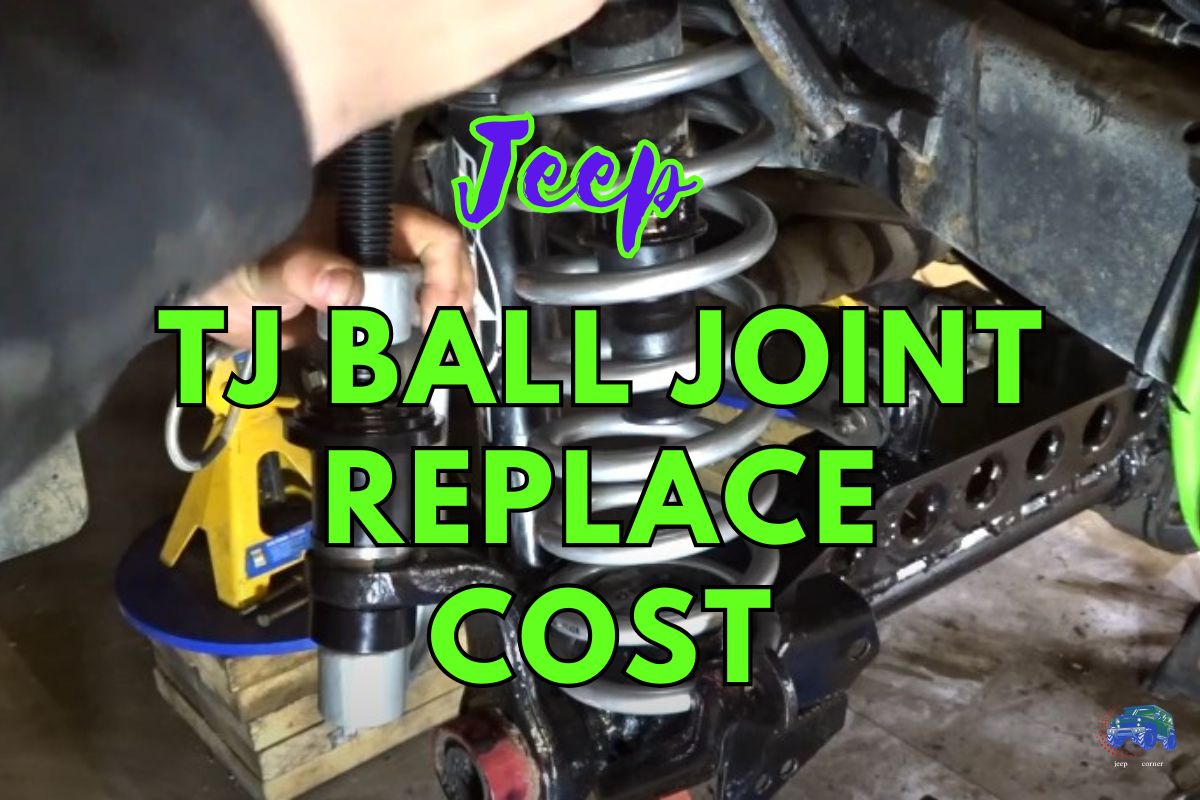
DIY replacement can reduce labor cost, but it is not a simple beginner repair on many vehicles.
A home mechanic may need:
- A vehicle-specific repair manual
- A floor jack and properly rated jack stands
- A torque wrench
- Ball joint or press tools
- A way to support the suspension safely
- New cotter pins or locking hardware
- Alignment access after the repair
The most serious risks are improper support, incorrect torque, damaged threads, and incomplete seating of a pressed-in joint. Reusing a damaged cotter pin or failing to tighten a fastener to the correct specification can create a dangerous failure.
A professional repair may be the better choice if the joint is pressed into the control arm, the vehicle is heavily rusted, or you do not have the correct press and lifting equipment.
If you do the repair yourself, follow the service manual for your exact vehicle. Do not rely on a generic video when the suspension design or torque specifications differ.

How to Lower the Cost Without Cutting Safety
You can often reduce the bill by comparing complete estimates and fixing the correct part the first time.
Try these steps:
- Get two or three written estimates from reputable shops.
- Ask whether the shop can replace the ball joint alone.
- Compare the cost of a ball joint with a complete control arm.
- Request the part brand and warranty in writing.
- Ask whether an alignment is needed for your vehicle.
- Have the opposite side inspected, but do not approve it without evidence.
- Ask for photos or the measured amount of play when practical.
- Check whether a local independent shop has experience with your vehicle.
Avoid choosing a quote solely because it is the cheapest. A missing alignment, low-quality part, or unclear warranty can make the final cost higher.
Also avoid replacing a ball joint based only on a noise diagnosis. Suspension noises overlap, and the wrong repair wastes money.

Key Takeaways
- Ball joint replacement usually costs $300 to $800 per joint in the United States.
- Trucks, SUVs, luxury cars, and rusted vehicles may cost $800 to $1,500 or more per side.
- Replacing a complete control arm can cost more but may be required or more practical.
- A wheel alignment may add $100 to $200.
- Noise alone does not confirm a bad ball joint.
- Severe looseness or a visibly damaged joint can make the vehicle unsafe to drive.
- Compare written estimates that show parts, labor, alignment, fees, and warranty.
Frequently Asked Questions
How much does it cost to replace both front ball joints?
Replacing both front ball joints commonly costs $600 to $1,600 in the United States. The price can exceed that range if the vehicle uses complete control arms, has heavy rust, or requires difficult suspension work.
Can I replace only one ball joint?
Yes, if only one joint is worn and the other passes inspection. Both sides do not have to be replaced automatically. However, the opposite side should be checked because both joints may have similar age and mileage.
How long does ball joint replacement take?
Many jobs take about one to four hours per side, but the time depends on the design, rust, access, and whether a control arm must be replaced. A pressed-in ball joint may take longer than a bolt-on joint.
How long do ball joints last?
There is no single mileage limit. Ball joint life depends on road conditions, vehicle weight, driving style, lubrication, water and dirt exposure, and the quality of the part. A torn boot can shorten service life by allowing contamination into the joint.
Will new ball joints improve the ride?
New ball joints can restore proper wheel control and remove looseness or clunking when the old joints are worn. They do not repair bad struts, tires, wheel bearings, or control-arm bushings. The improvement depends on which parts are actually causing the symptoms.
Conclusion
For most U.S. drivers, a realistic budget for ball joint replacement is $300 to $800 for one joint and $600 to $1,600 for both front sides. Large vehicles, complete control arms, rust, and alignment work can raise the total.
Before approving the repair, ask for a written estimate that names the failed joint, lists the part brand, shows labor, explains any control-arm replacement, and states whether an alignment is included. If the joint has severe play or the wheel position looks abnormal, avoid driving and arrange a professional inspection or tow.