How Much To Replace Tire Pressure Sensor: Cost Guide
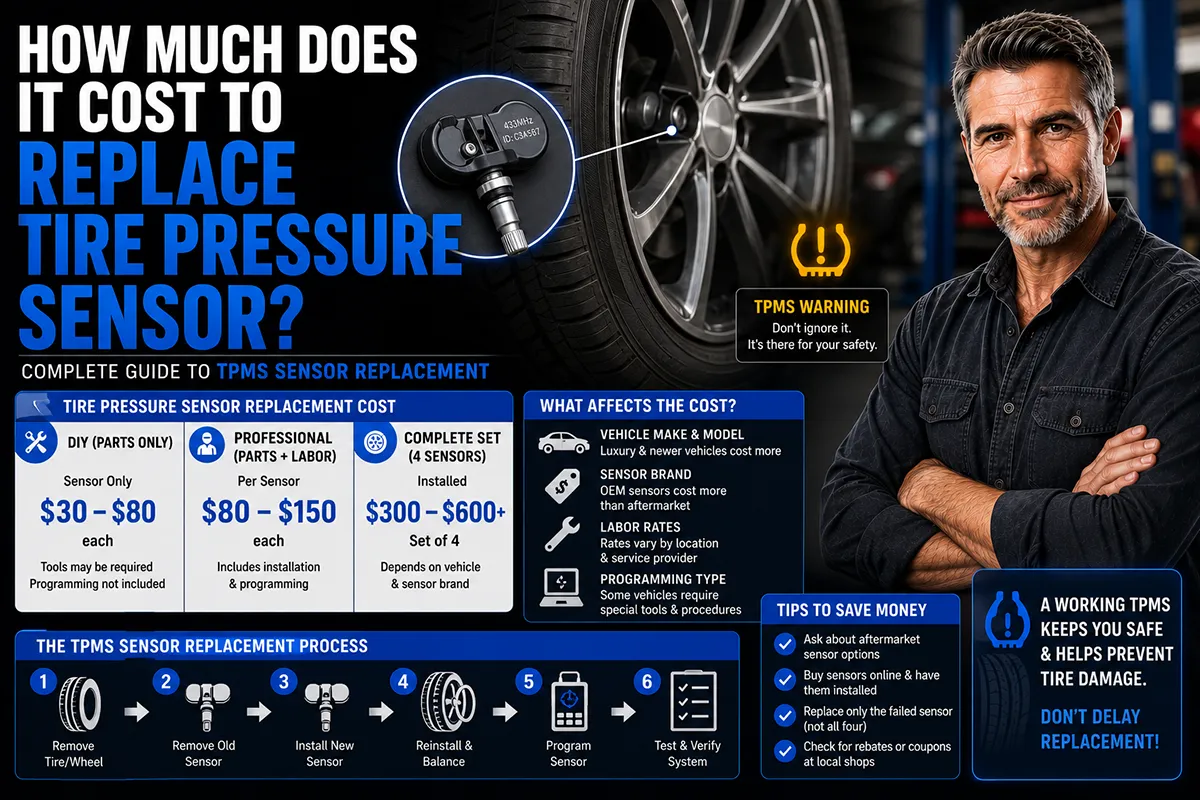
In the United States, replacing one tire pressure sensor usually costs $50 to $250, including the part, installation, and sensor programming. Many drivers pay about $80 to $150 per wheel at an independent repair shop. Dealer prices can be higher, while some aftermarket sensors may lower the parts cost.
The exact price depends on your vehicle, the sensor type, the shop’s labor rate, and whether the sensor must be programmed or relearned after installation. A tire may also need to be removed from the wheel, which adds labor.
This guide explains what a tire pressure monitoring system costs to repair, when replacement is needed, and how to avoid paying for work you may not need.

Typical Cost to Replace a Tire Pressure Sensor
The typical cost to replace one TPMS sensor in the U.S. is $50 to $250 per wheel. A basic aftermarket repair may cost less, while an original equipment manufacturer (OEM) sensor installed at a dealership may cost more.
| Repair option | Typical U.S. cost per sensor | What it may include |
|---|---|---|
| Aftermarket sensor at an independent shop | $50–$150 | Sensor, tire service, and programming |
| OEM sensor at an independent shop | $100–$200 | Original sensor, installation, and relearn |
| Dealership replacement | $150–$250 or more | OEM part, labor, and factory programming |
| Sensor replacement during tire service | $40–$120 additional | Lower labor when the tire is already removed |
| Four-sensor replacement | $200–$800 | Depends on vehicle and sensor type |
These are practical estimate ranges, not fixed national prices. Labor rates, taxes, shop fees, vehicle design, and part availability can change the final bill.
Ask the shop for an itemized quote. It should show:
- Sensor price
- Tire removal and installation labor
- Valve stem or service kit
- Sensor programming or relearn fee
- Tire balancing, if needed
- Disposal, shop, or environmental fees
A quote that only says “TPMS repair” may hide several separate charges.

What Is a Tire Pressure Sensor?
A tire pressure sensor is part of the tire pressure monitoring system, or TPMS. It measures air pressure inside a tire and sends information to the vehicle’s computer.
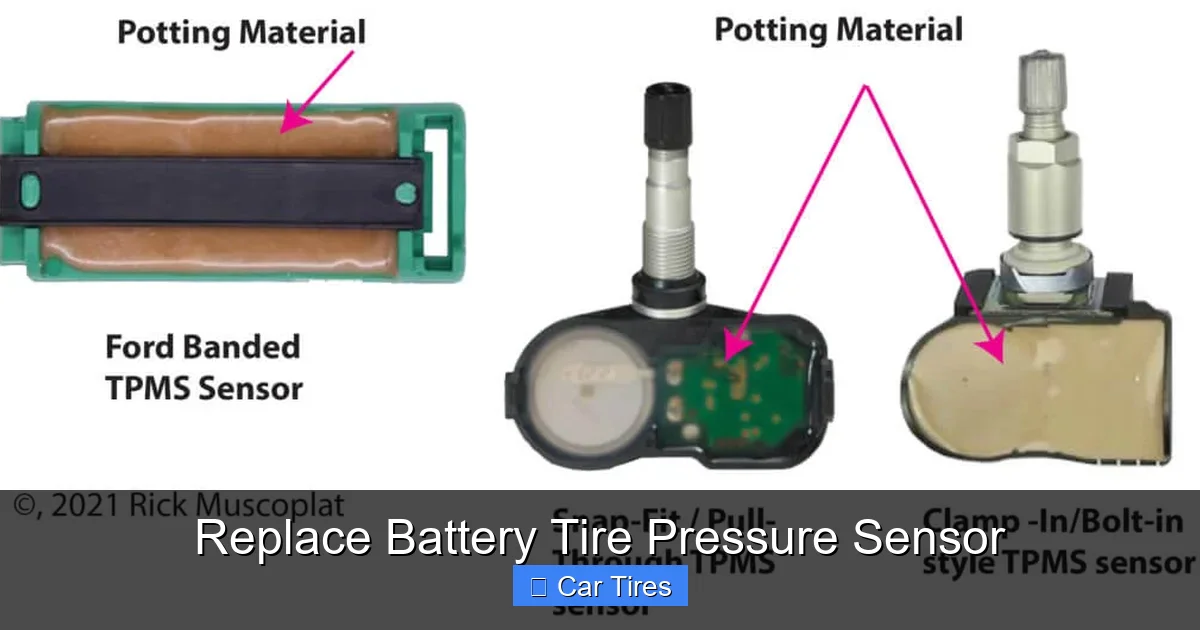
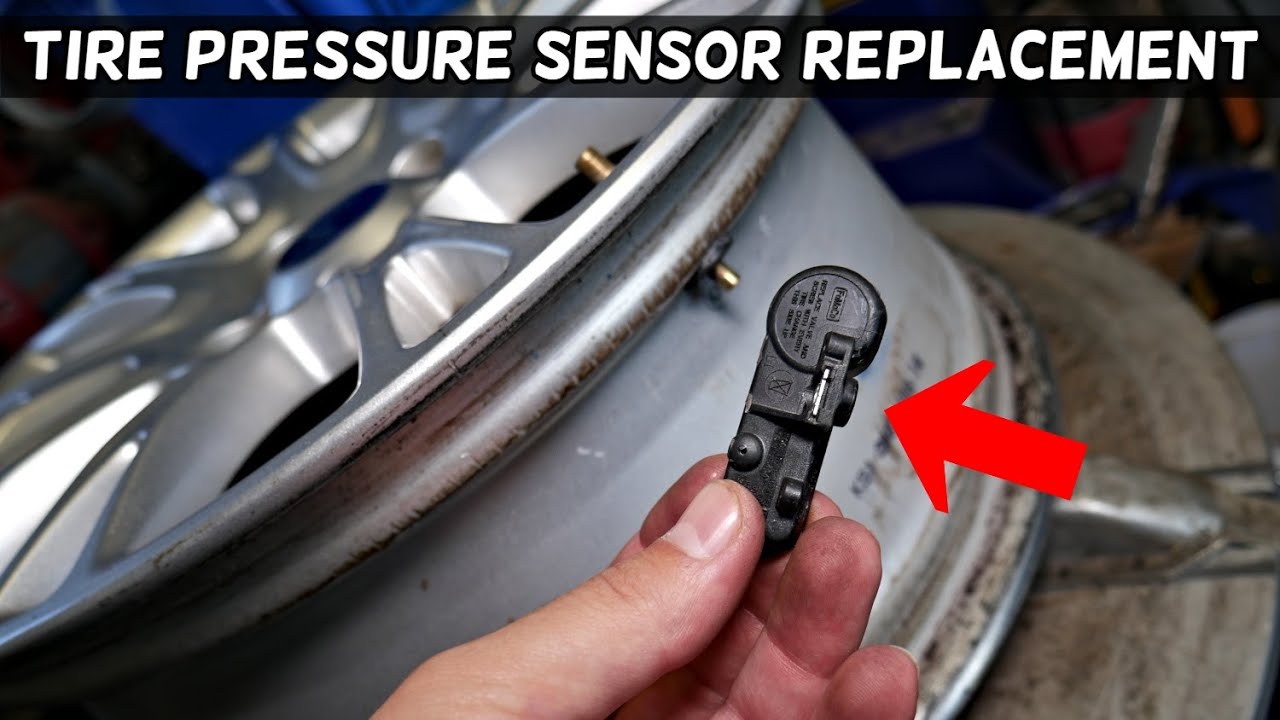
Most U.S. vehicles use direct TPMS. In this system, a small sensor sits inside each wheel, often attached to the valve stem. The sensor sends pressure data to the car.
Some vehicles use indirect TPMS. This system does not measure pressure with a sensor inside the tire. Instead, it uses the anti-lock brake system’s wheel-speed sensors to detect changes in tire size caused by low air pressure.
This difference affects repair cost:
- A direct system may need a new pressure sensor.
- An indirect system may only need tire inflation and a system reset.
- Some vehicles use a mix of sensor data and other vehicle systems.
Your owner’s manual can tell you which system your vehicle uses. A tire shop can also identify the system by checking the vehicle and wheel.
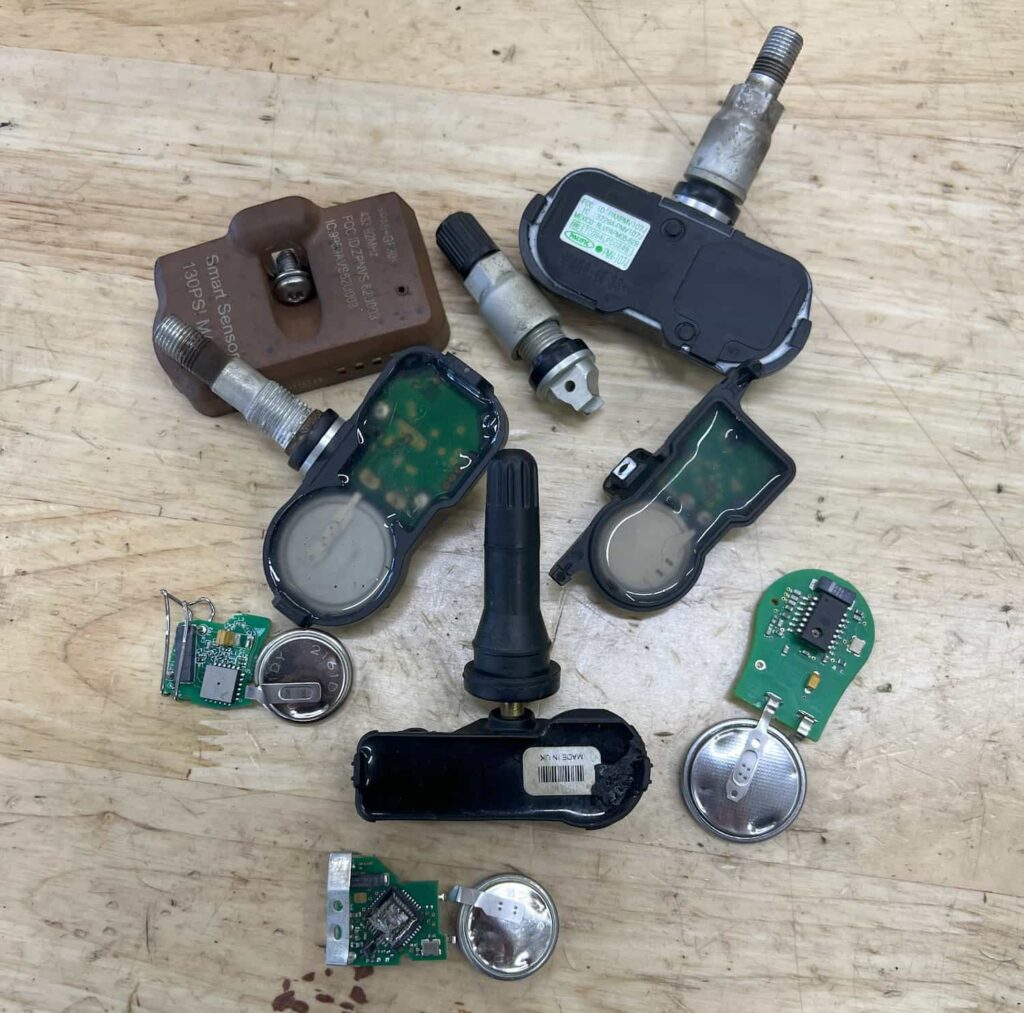
Direct TPMS sensor parts
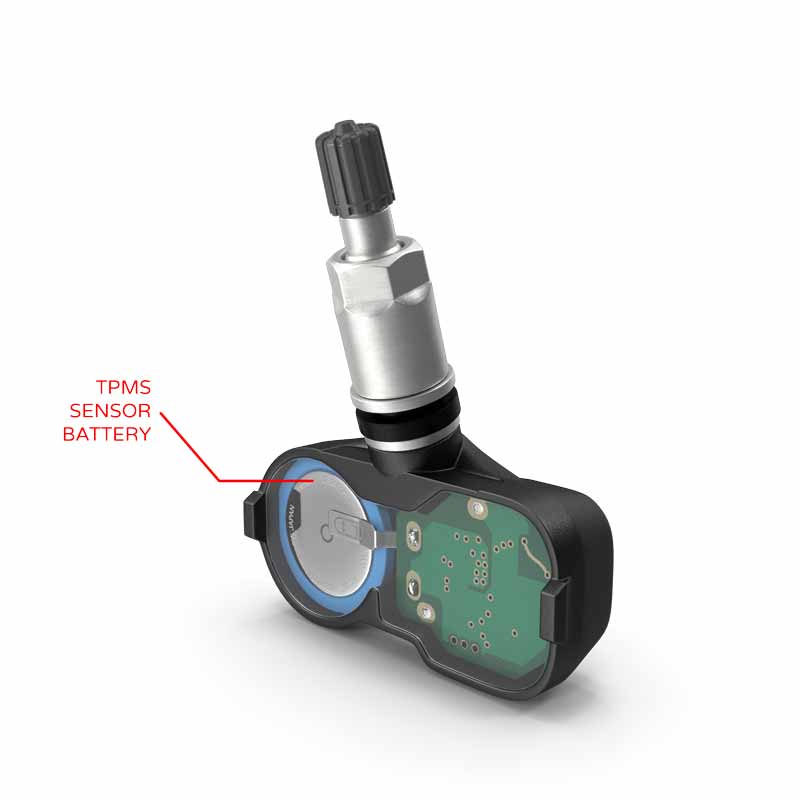
A direct sensor may include:
- Pressure and temperature sensors
- A radio transmitter
- A sealed battery
- A valve stem
- A mounting nut or seal
- A serviceable valve core and cap
The battery is usually sealed inside the sensor. In most cases, the battery cannot be replaced by itself. When the battery dies, the full sensor must be replaced.
What Makes TPMS Replacement Cost More or Less?
The main cost factors are the sensor, labor, programming, and the condition of the valve stem.
Sensor brand and type
OEM sensors are made for the vehicle’s original system. They often cost more than universal aftermarket sensors.
Aftermarket sensors can work well when they are:
- Compatible with the vehicle
- Correctly programmed
- Properly installed
- Supported by the shop’s TPMS tool
A low-cost sensor is not always the lowest total cost. Some universal sensors require extra programming before installation. If the sensor is not programmed correctly, the warning light may remain on.
Vehicle make and model
Some vehicles use common sensors that many shops can program. Others need a specific sensor or a special relearn process.
Luxury vehicles, newer vehicles, and vehicles with unusual wheel designs may cost more to service. A vehicle with a difficult-to-access valve stem can also take more time.
Labor rates
Independent repair shops often charge less than dealerships, but labor prices vary by region. Large cities and high-cost areas usually have higher shop rates than rural areas.
The tire must often be partially or fully removed from the wheel. That means the job is more involved than simply replacing a valve cap.
Programming and relearn
A replacement sensor may need one or both of these steps:
- Programming: Writing the correct vehicle data to a universal sensor
- Relearning: Teaching the vehicle to recognize the sensor’s ID and location
Some vehicles learn the new sensor during a short drive. Others require a scan tool, a manual training mode, or a specific sequence.
A shop may charge a separate TPMS reset or programming fee. Ask about this before approving the repair.
Valve stem and service kit
The valve stem seal, grommet, washer, valve core, and cap may need replacement when the sensor is installed. These small parts help prevent air leaks.
A valve service kit may add only a few dollars to the parts bill, but replacing it is often sensible when the sensor is already out of the wheel.
When Should You Replace a Tire Pressure Sensor?
Replace a tire pressure sensor when testing confirms that the sensor is damaged, has a dead battery, leaks air, or cannot communicate with the vehicle.
Common signs include:
- The TPMS warning light stays on after correct inflation.
- The warning light flashes, then stays on.
- The vehicle displays a sensor fault message.
- One tire shows no pressure reading.
- The pressure reading is clearly wrong.
- A sensor or valve stem leaks air.
- The sensor is damaged during tire removal.
- The sensor battery has reached the end of its service life.
Do not replace a sensor only because the warning light came on. Low tire pressure is the most common and simplest cause.
A flashing TPMS light
A steady TPMS light often means one or more tires may be underinflated. A flashing light often points to a system fault, although the exact meaning varies by vehicle.
Check the owner’s manual for your model. A diagnostic scan can identify whether the fault comes from a sensor, receiver, wiring, or programming issue.
A dead sensor battery
Many TPMS sensors last roughly five to 10 years, but actual life varies. Temperature, use, sensor design, and battery quality affect service life.
If one original sensor fails because of age, the other sensors may not be far behind. Replacing all four can make sense if:
- The sensors are the same age.
- The vehicle has high mileage.
- The tires are already off the wheels.
- You want to avoid several separate service visits.
Replacing all four is not always necessary. A shop should test each sensor before recommending a complete set.

How to Diagnose a TPMS Warning Before Paying for Replacement
Use this order to avoid replacing a working sensor.
1. Check all tire pressures
Use a reliable tire pressure gauge when the tires are cold. Compare each reading with the pressure listed on the driver’s door-jamb label.
Do not use the pressure printed on the tire sidewall as the normal fill target. The sidewall number is usually the tire’s maximum rated pressure, not the vehicle manufacturer’s recommended pressure.
Check the spare tire if your vehicle has a TPMS sensor in the spare. Some vehicles monitor it, while others do not.
2. Inspect for a leak or tire damage
Look for:
- A nail or screw
- A bent wheel
- Cracks near the valve stem
- Corrosion around the valve
- A tire that loses pressure again after filling
A slow leak can trigger the warning light even when the sensor works correctly.
3. Drive as the manual directs
Some systems turn off after the tires are correctly inflated and the vehicle is driven for several minutes. Others need a reset or relearn procedure.
The warning light may not turn off immediately after adding air.
4. Request a TPMS scan
A tire shop can use a TPMS tool to check:
- Sensor ID
- Reported pressure
- Battery condition, if supported
- Communication status
- Sensor location
- Fault codes
Ask the technician to show which sensor failed. A scan is more useful than guessing based only on the warning light.
5. Confirm the repair
After replacement, the shop should verify that the vehicle receives the new sensor’s signal. Confirm that:
- The warning light turns off after the required procedure.
- The dashboard shows accurate pressure, if equipped.
- The valve stem does not leak.
- The tire is inflated to the door-jamb specification.
Is It Cheaper to Replace One Sensor or All Four?
Replacing one sensor is cheaper today, but replacing all four may reduce future labor if the sensors are old and the tires are already being serviced.
Use this simple decision guide:
| Situation | More practical choice |
|---|---|
| One new sensor failed and the others are recent | Replace one |
| One sensor failed and all are 8 years old | Consider replacing all four |
| The tire is already off the wheel | Ask about replacing the sensor or service kit |
| A sensor is damaged during tire work | Replace the damaged unit |
| The warning light has not been diagnosed | Test before replacing any sensor |
| The vehicle is being sold soon | Repair only the confirmed fault, while disclosing the condition |
A shop should not pressure you into replacing four sensors without testing them or explaining their age.
A common cost example is simple:
- One sensor and installation: $110
- Four sensors and installation: $440
- Four-sensor replacement while tires are already off: possibly less than four separate visits
These figures are hypothetical examples. Your vehicle and local shop rates determine the actual total.

Can You Replace a Tire Pressure Sensor Yourself?
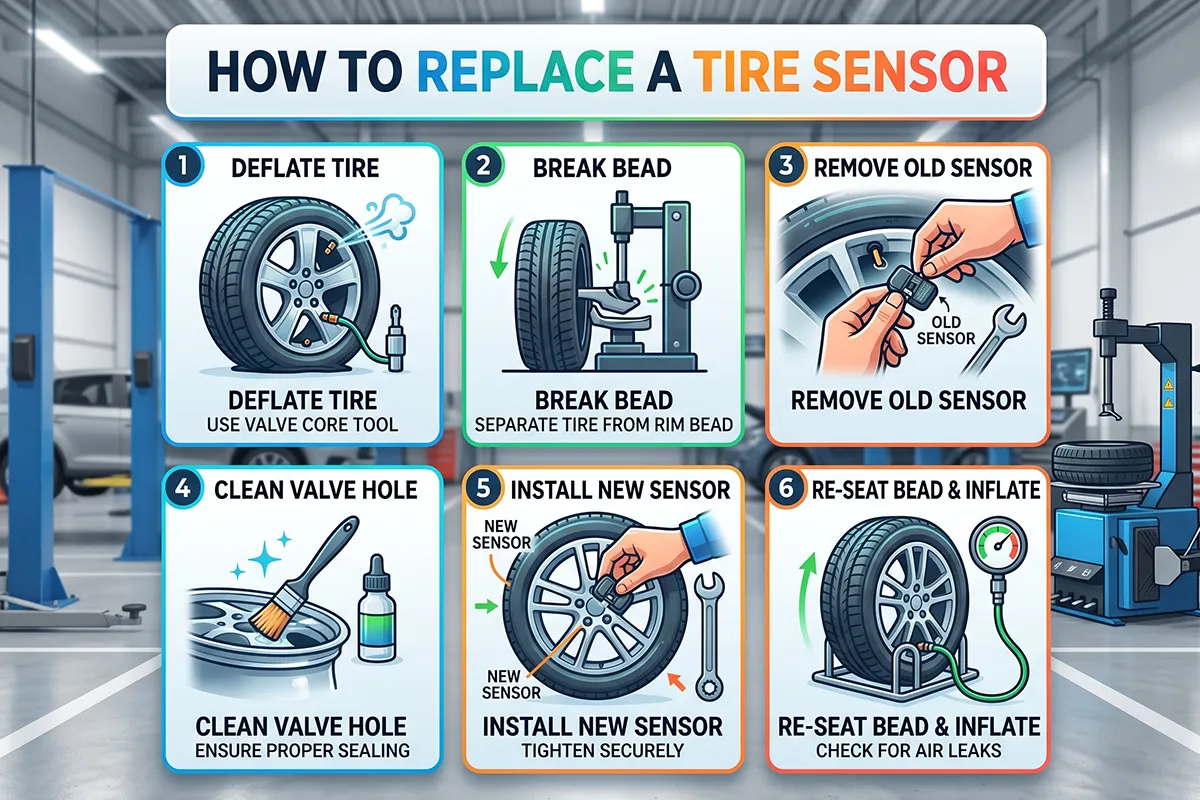
A skilled do-it-yourself mechanic may be able to replace a TPMS sensor, but the tire must usually be removed from the wheel. That requires a tire machine or professional tire service.
The work may involve:
- Removing the wheel.
- Deflating the tire.
- Breaking the tire bead.
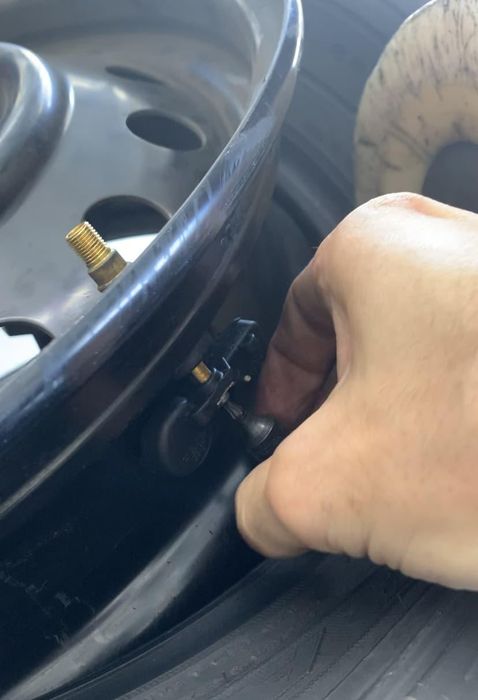
- Removing the old sensor.
- Installing the new sensor and seal.
- Inflating and seating the tire.
- Checking for leaks.
- Programming or relearning the sensor.
The programming step may require a TPMS scan tool. Some vehicles also require a special relearn sequence.
Do not pry a tire off the wheel near the valve stem. The tool can damage the sensor. Never remove a tire from a wheel without the right equipment, training, and safety precautions.
For most drivers, buying the sensor and having a tire shop install it is safer and often cheaper than buying tire equipment for a single repair.

Common TPMS Replacement Mistakes
Several mistakes can raise the final cost or leave the warning light on.
Replacing the sensor before checking tire pressure
Low pressure is common and costs nothing to diagnose. Check pressure first.
Using the wrong pressure target
Use the vehicle’s door-jamb label or owner’s manual. Do not rely on the number molded into the tire sidewall.
Installing an incompatible sensor
A sensor must match the vehicle’s system and frequency requirements. A part that looks correct may not communicate with the car.
Skipping programming or relearning
A new sensor may be installed correctly but still need registration with the vehicle. Ask the technician which procedure your vehicle needs.
Reusing damaged seals
A sensor may work electronically but leak through an old or damaged valve seal. Install the correct service parts.
Ignoring the warning after repair
If the light stays on, return to the shop promptly. Possible causes include a failed second sensor, wrong programming, a leak, a damaged receiver, or incorrect tire pressure.
Treating TPMS as a substitute for checking tires
TPMS is a warning system. It may not warn you before a tire loses a dangerous amount of air. Check tire pressure with a gauge at least monthly and before long trips, following the vehicle maker’s instructions.
Is a TPMS Warning Light Safe to Drive With?
A TPMS light should be treated as a reason to check the tires as soon as possible. If a tire is visibly low, soft, damaged, or losing air, avoid driving on it. Driving on an underinflated tire can cause heat buildup, poor handling, and tire damage.
If the tires have normal pressure and the light indicates a sensor fault, the vehicle may still be drivable for a short period. However, the system may not warn you about a new pressure loss while it is faulty.
Before driving:
- Check every tire with a gauge.
- Inspect for visible damage.
- Inflate tires to the door-jamb specification.
- Arrange diagnosis soon.
- Carry a properly inflated spare if your vehicle has one.
Stop driving if the vehicle pulls, shakes, vibrates, or shows signs of tire failure.
How to Reduce the Cost of TPMS Repair
You can often lower the bill without cutting safety corners.
- Compare an independent tire shop with a dealership.
- Ask whether an OEM or compatible aftermarket sensor is available.
- Request the full installed price, not only the part price.
- Have sensors tested before replacing them.
- Replace a sensor during scheduled tire service when practical.
- Ask whether programming and relearning are included.
- Replace the valve service kit during sensor installation.
- Keep a record of which sensor was replaced and when.
- Check whether a tire or wheel warranty covers the damage.
Avoid choosing a sensor based only on the lowest advertised part price. The total cost includes installation, programming, and any extra visit caused by incompatibility.
Frequently Asked Questions
How much does it cost to replace all four tire pressure sensors?
Replacing all four sensors commonly costs $200 to $800 in the United States. The lower end usually involves compatible aftermarket sensors and independent-shop labor. OEM sensors and dealership service can cost more.
Can I drive with a bad tire pressure sensor?
You may be able to drive if every tire has been checked and inflated correctly, but the vehicle may not warn you about a new pressure loss. Repair the fault soon, and do not drive on a visibly damaged or underinflated tire.
How long does TPMS sensor replacement take?
One sensor often takes about 30 minutes to 90 minutes, depending on the wheel, tire, programming method, and shop workload. Replacing several sensors may take longer.
Do new tires come with new TPMS sensors?
Usually not. New tires and TPMS sensors are separate parts. A shop may reuse working sensors, replace their seals, or install new sensors if the old ones are damaged or near the end of their battery life.
Does tire rotation require TPMS relearning?
Sometimes. Some vehicles automatically detect the new wheel positions. Others need a relearn procedure after rotation. Follow the owner’s manual or ask the tire shop to confirm the system status.
Bottom Line: Plan on $50 to $250 per Sensor
The average U.S. driver should budget $50 to $250 to replace one tire pressure sensor, with many standard repairs landing near $80 to $150. The best first step is not replacement. Check all tire pressures, inspect for leaks, and have the system scanned.
Before approving the work, ask for the sensor brand, installed price, programming cost, and warranty. If the sensors are the same age and the tires are already being serviced, compare the cost of replacing all four. Once the repair is complete, confirm that the tire pressure light goes out and that every tire holds the correct pressure.