

Pull the hood release, find the safety latch, then lift and secure the hood fully.
Learning how to lift the hood of a car is simple, but each vehicle has small differences. The release may sit under the dashboard, the safety latch can feel hidden, and some hoods need a support rod or gas struts. This guide explains the process clearly, with safe steps, common mistakes, and practical tips from routine vehicle checks.
What You Need Before Opening the Hood
Before you learn how to lift the hood of a car, make sure the vehicle is parked safely. A few seconds of preparation can prevent burns, moving parts, or damage to the hood.
Park on level ground when possible. Shift an automatic vehicle into Park, or place a manual vehicle in first gear or Reverse. Set the parking brake, turn off the engine, and remove the key or keep the vehicle switched off.
Wait before touching the engine bay if the car was running. Hot engine parts, coolant, belts, and fans can cause serious injuries. Some electric cooling fans may start even after the engine is off, so keep your hands away from fans and belts.
Gather these items if needed:
• A flashlight for finding the latch or checking fluid levels
• Work gloves to protect your hands from dirt and sharp edges
• A clean cloth for wiping the oil dipstick
• The vehicle owner’s manual for model-specific instructions
• A small tool only if the manual says one is needed
Do not force the hood. If the release does not work, repeated pulling can stretch or break the cable. A repair shop can open a stuck hood with less risk of bending the hood or grille.
How to Lift the Hood of a Car: Step-by-Step
The basic method is similar on most cars, trucks, and SUVs. Follow these steps in order when learning how to lift the hood of a car.
1. Find the interior hood release
Look below the dashboard on the driver’s side. The lever often sits near the kick panel, door hinge, or lower edge of the dashboard.
The hood release symbol usually shows a car with an open hood. Some vehicles use a handle, while others use a button or electronic switch.
Pull the handle until you hear a click or feel the hood pop up slightly. Do not pull the release again unless the owner’s manual tells you to do so.
2. Walk to the front of the vehicle
Stand in front of the car and look at the gap between the hood and the grille. The hood should be raised slightly on one side or along the front edge.
If the hood did not pop up, return to the driver’s seat and pull the interior release again. In some cars, the release needs a firm pull rather than a quick tug.
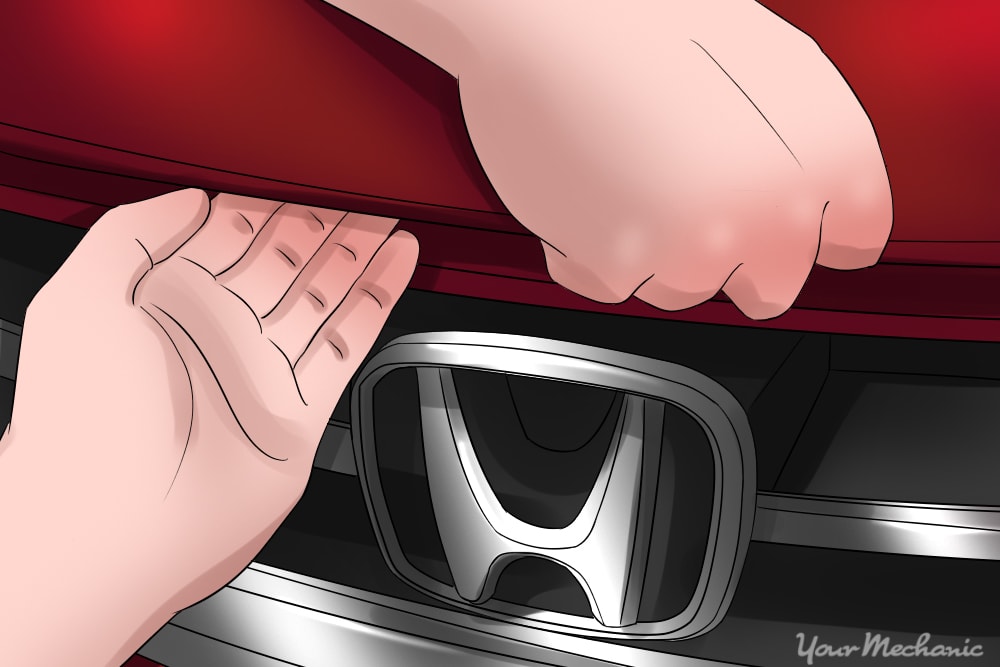
3. Find the exterior safety latch
The safety latch prevents the hood from opening if the inside release is pulled by mistake. It is usually under the front edge of the hood, near the center.
Slide your fingers under the hood and feel for a small lever. You may need to move your hand left or right. Some latches move upward, while others move sideways.
Use a flashlight if the area is dark. Avoid touching hot metal, belts, fans, or other engine parts.
4. Release the latch and raise the hood
Move the safety latch as directed by its shape. At the same time, lift the hood with your other hand.
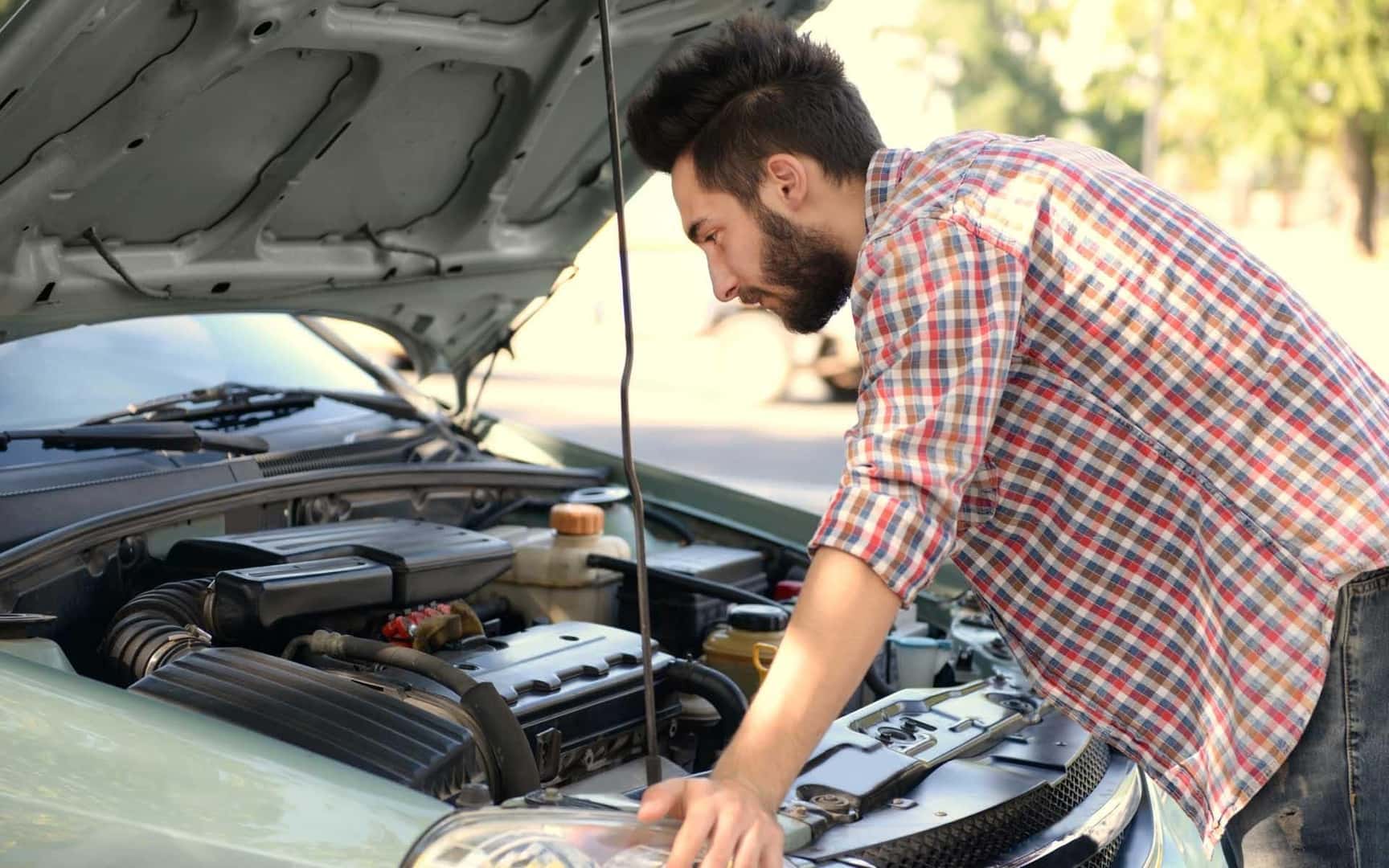
Raise the hood slowly. It may be heavier than it looks, especially on older cars with a steel hood. Keep your face and fingers clear of the hinges and edges.
5. Secure the hood
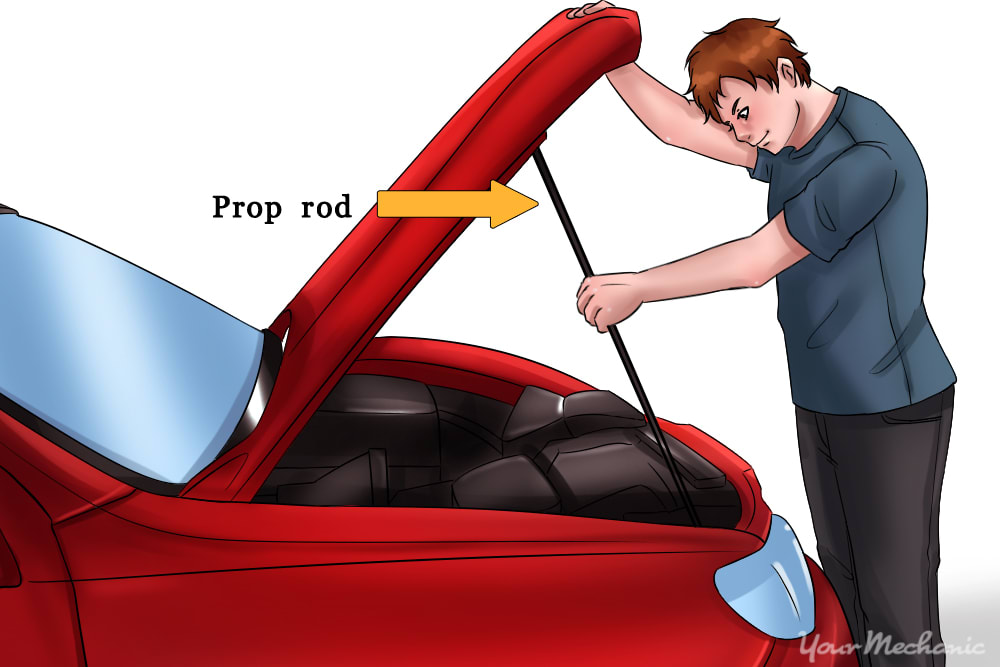
Many vehicles use a metal prop rod. Remove the rod from its clip, then place the end into the matching hole on the underside of the hood.
Other vehicles use gas-filled struts. If your car has struts, lift the hood until the struts hold it open. Never assume they work correctly if the hood slowly falls.
The hood should remain stable before you lean over the engine. If it moves, lower it carefully and inspect the support system.
6. Check that the hood is stable
Give the hood a light test by gently moving it. Do not shake it hard. A properly supported hood should not drop or wobble toward you.
This is the complete process for how to lift the hood of a car safely. When finished, remove the prop rod from the hood first, return it to its clip, and lower the hood from a safe position.
How to Open Different Types of Car Hoods
The exact process for how to lift the hood of a car can vary by vehicle design. Knowing these differences helps you avoid using too much force.
Cars with a standard cable release
Most older and newer vehicles use a mechanical cable. Pulling the interior handle moves the primary hood latch through a cable.
If the handle feels loose and the hood does not pop open, the cable may be stretched, disconnected, or broken. Do not keep pulling hard. The release may need inspection.
Cars with electronic hood releases
Some newer vehicles use an electronic button or switch. The car may need to be unlocked, powered on, or placed in a certain mode before the release works.
Check the owner’s manual if the button does nothing. A weak vehicle battery can also affect electronic releases, depending on the design.
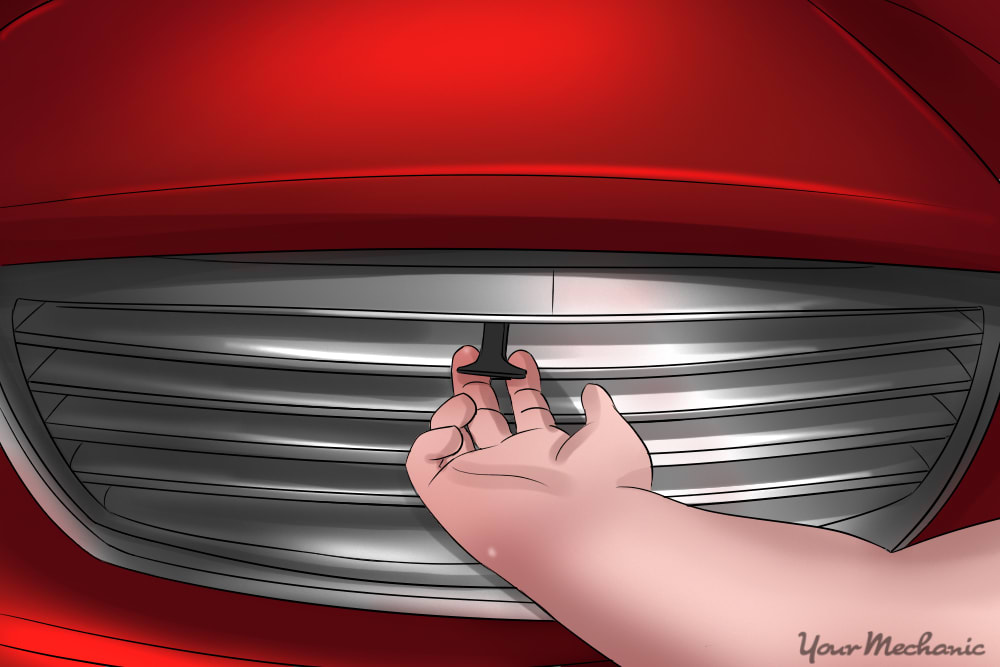
Cars with a hidden exterior latch
Some vehicles hide the safety latch deep behind the grille. You may need to reach through a small opening rather than the main hood gap.
Never insert a screwdriver or metal rod unless the manufacturer gives that instruction. Improvised tools can damage the grille, wiring, radiator, or latch.
Cars with multiple hood latches
Performance cars, off-road vehicles, and some trucks may have two front latches. Both must release before the hood can open.
If one side remains attached, lower the hood slightly and check the release process. Do not lift one corner with force because this can bend the hood.
Vehicles with a front trunk
Electric vehicles and some sports cars have a front storage area often called a frunk. The release process may be electronic and may include a secondary safety latch.
Treat a front trunk like a normal hood area. Keep clear of high-voltage components, orange cables, and electrical equipment.
Common Problems When Opening a Car Hood
Knowing how to lift the hood of a car also means knowing what to do when the normal method fails. Most problems come from a stuck latch, a damaged cable, or incorrect hand placement.
The hood release handle feels loose
A loose handle often means the cable is disconnected or broken. Ask someone to pull the interior release while you gently press down on the hood near the latch.
This can reduce pressure on the latch. Do not slam the hood or pull the handle repeatedly.
The hood will not pop up
Dirt, rust, or a dry latch can stop the hood from moving. With the interior release pulled, gently press down and release the hood near the center.
If the latch still does not move, stop and seek professional help. A technician can access the mechanism without damaging the hood.
The hood is stuck after winter weather
Ice can bond the hood to the rubber seals. Do not pour boiling water over the hood because sudden temperature changes can damage paint or glass.
Use a vehicle-safe deicer and allow the ice to melt. Never drive with a hood that is not fully closed and latched.
The prop rod will not stay in place
A bent prop rod, missing clip, or wrong support hole can make the hood unsafe. Compare the rod position with the owner’s manual.
Do not use a stick, broom handle, or other household object as a replacement. It may slip without warning.
The hood falls slowly
Gas struts lose pressure over time. Cold weather can make weak struts perform even worse.
Replace worn struts in pairs when recommended for your vehicle. Until then, avoid working under the hood unless a proper support holds it securely.
In my experience, the most common mistake is assuming a hood is safe because it opened once. I always test the support before reaching inside. A falling hood can turn a simple fluid check into a painful injury.
Safety Tips Before Working Under the Hood
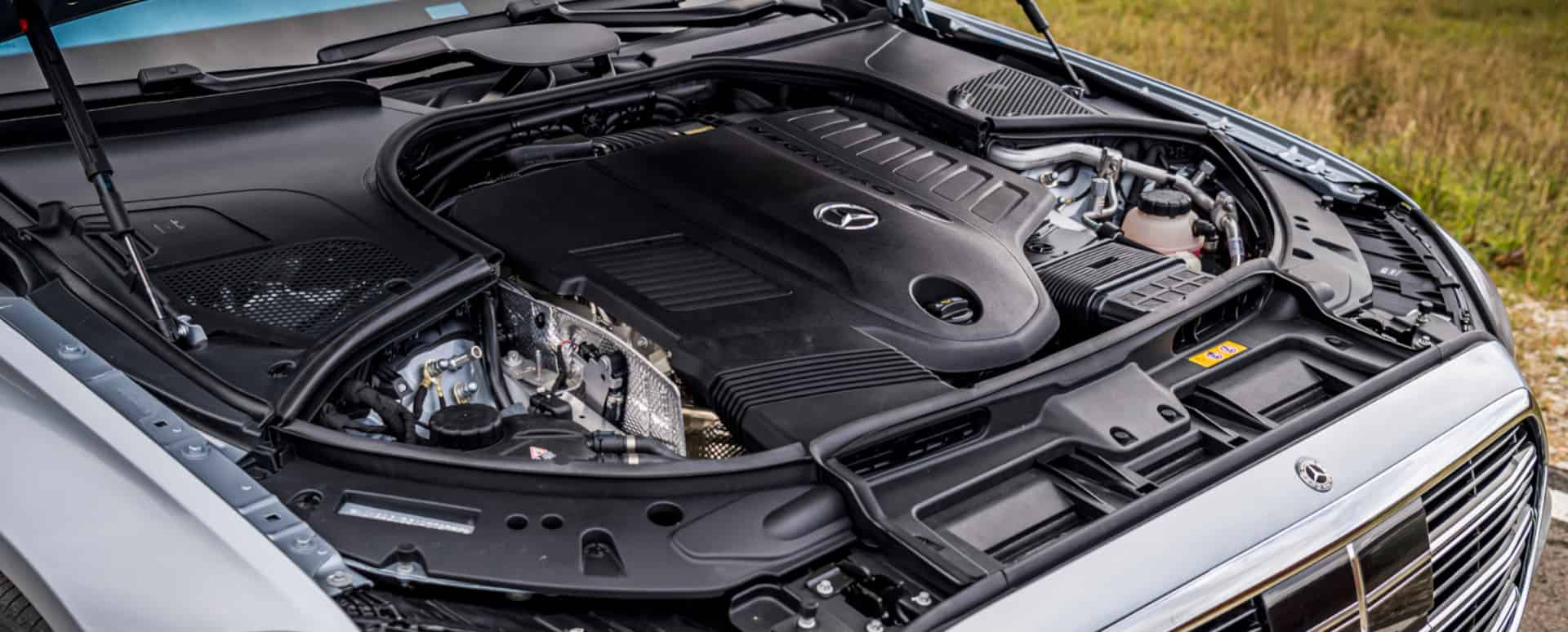
Opening the hood is only the first step. Safe engine-bay work requires care around heat, electricity, chemicals, and moving parts.
Follow these precautions:
• Turn off the engine before inspecting belts, hoses, fluids, or wiring.
• Keep loose clothing, hair, jewelry, and tools away from belts and fans.
• Wait for the engine to cool before opening the cooling system.
• Never remove a radiator or coolant reservoir cap on a hot engine unless the manual specifically permits it.
• Keep cigarettes, flames, and sparks away from fuel and battery areas.
• Wear eye protection when checking battery terminals or using cleaners.
• Do not place tools on top of the battery or engine.
• Keep children and pets away from the open hood.
• Use a flashlight instead of placing your face close to dark engine parts.
A vehicle can look still while storing dangerous energy. Cooling fans may start automatically, hot coolant may be under pressure, and a weak hood strut can fail without warning.
If you smell strong fuel, see smoke, notice a damaged wire, or hear hissing, close the hood if safe and move away. Contact roadside assistance or a qualified mechanic.
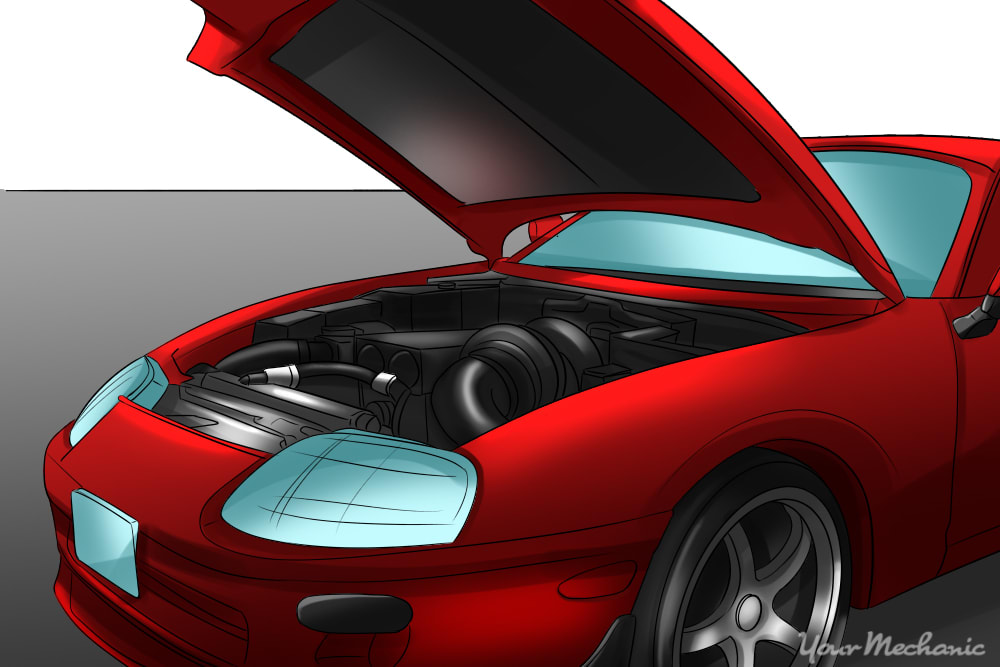
What You Can Check After Opening the Hood
Once you understand how to lift the hood of a car, you can perform several basic checks. These checks do not replace professional service, but they help you spot problems early.
Engine oil
Find the dipstick, remove it, wipe it clean, and insert it fully. Remove it again and check the oil level against the marked range.
Check oil on level ground and follow the vehicle manual for the correct procedure. Some newer vehicles do not have a dipstick and display oil information electronically.
Coolant level
Look for the translucent coolant reservoir. The level should sit between the “low” and “full” marks when the engine is cool.
Never open a pressurized radiator cap on a hot engine. Coolant can spray out and cause severe burns.
Brake fluid
The brake fluid reservoir is usually near the rear of the engine bay, close to the driver’s side firewall. The fluid should normally remain between the marked lines.
A low level may indicate worn brake pads or a leak. Because braking is a critical safety system, have the vehicle inspected promptly.
Windshield washer fluid
The washer fluid tank often has a blue cap or a windshield symbol. You can refill it with fluid made for the season.
Do not use plain water in freezing weather. It can freeze in the reservoir or spray lines.
Battery condition
Look for corrosion, loose connections, cracks, or swelling. A swollen battery is unsafe and should be replaced by a professional.
Electric and hybrid vehicles may have more than one battery. Do not touch high-voltage cables or components, which are often marked with orange insulation.
Belts and hoses
Check for deep cracks, fraying, bulges, or wet spots. Do not touch a belt while the engine is running.
A damaged hose or belt can leave you stranded. Schedule service if you see a clear defect.

How to Close the Hood Correctly
Closing the hood is an important part of how to lift the hood of a car. An open or partly latched hood can block your view while driving.
First, remove the support rod and place it back into its retaining clip. If your vehicle uses gas struts, make sure the hood is clear of tools and cloths.
Lower the hood until it is about 8 to 12 inches above the latch, unless the owner’s manual gives different instructions. Let it drop gently under its own weight.
Do not press down on the center of a lightweight aluminum or composite hood. Pressure can create dents or damage the outer panel.
After closing it, check the front edge. It should sit level with the fenders, and the hood should not lift when you gently try to raise it.
If the hood is not fully latched, open it and close it again. Never drive with a hood that is only held by the safety latch.
A lesson I learned early is to keep my tools in one place before closing the hood. A forgotten wrench or cloth can damage the engine or stop the hood from latching.
When to Call a Mechanic
You can usually handle how to lift the hood of a car without help. However, a stuck release or damaged latch is not always a good do-it-yourself repair.
Contact a qualified mechanic if:
• The interior release is broken or pulls without resistance.
• The hood will not open after normal latch checks.
• The hood does not latch securely.
• The hinges are bent or make loud grinding sounds.
• The hood falls despite working support struts.
• You see smoke, fuel, leaking coolant, or damaged electrical wiring.
• The vehicle has a high-voltage hybrid or electric system you do not understand.
A professional has the correct tools and access methods. This can cost less than repairing a bent hood, broken grille, damaged radiator, or cut wiring caused by an improvised attempt.
Manufacturer instructions should take priority over general advice. Hood designs differ, and the owner’s manual is the most accurate guide for your specific year, make, and model.

Frequently Asked Questions About How to Lift the Hood of a Car
Where is the hood release inside a car?
The hood release is usually below the dashboard on the driver’s side, near the door or lower kick panel. Look for a lever with a hood-shaped symbol.
Why will my hood not open when I pull the release?
A stuck latch, stretched cable, broken cable, or pressure on the latch can prevent the hood from opening. Try gently pressing down on the hood while another person pulls the release, but seek help if it still will not open.
How do I find the safety latch under the hood?
Feel under the front edge of the hood near the center. The latch may move sideways, upward, or downward, so use the shape of the mechanism as a guide and check the owner’s manual.
Can I drive with the hood resting on the safety latch?
No. The safety latch is a backup device, not a proper driving lock. Close the hood fully and confirm that the main latch holds it before driving.
How do I open a hood with a broken cable?
A broken cable may require access to the latch from underneath or through the grille. This repair can damage parts if done incorrectly, so roadside assistance or a mechanic is usually the safest choice.
Is it safe to open the hood when the engine is hot?
You can often release and raise the hood, but avoid touching engine parts or opening the cooling system. Wait for the engine to cool before checking coolant or working near hot components.
Conclusion
Learning how to lift the hood of a car takes only a few steps: park safely, pull the interior release, find the secondary latch, raise the hood, and secure it with the prop rod or struts. Always keep clear of hot parts, moving fans, belts, electrical components, and an unsupported hood.
Use your owner’s manual when the latch location or support method differs. Practice the process during daylight, before an emergency, and inspect the hood latch if it feels stiff or unreliable. Share your vehicle model or explore more basic car-care guides to build confidence with routine maintenance.