

Remove oxidation from car paint by cleaning, compounding, polishing, and protecting the surface before damage gets worse.
Oxidation can make glossy paint look dull, chalky, or faded. It forms when sunlight, air, heat, and poor protection break down the paint’s outer layer. Learning how to remove oxidation from car paint helps restore color, improve shine, and protect your vehicle from further damage. The right method depends on how deep the oxidation is, so this guide explains how to inspect the paint, choose safe products, and know when a professional repair is the better choice.

What Is Oxidation on Car Paint?
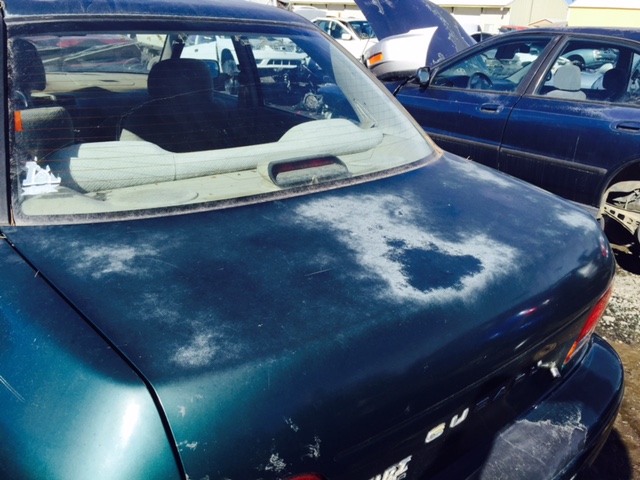
Oxidation is a chemical reaction that happens when paint reacts with oxygen, sunlight, moisture, and pollutants. Clear coat and older single-stage paint can slowly lose oils and surface strength. The result is a dull, dry, cloudy, or powdery finish.
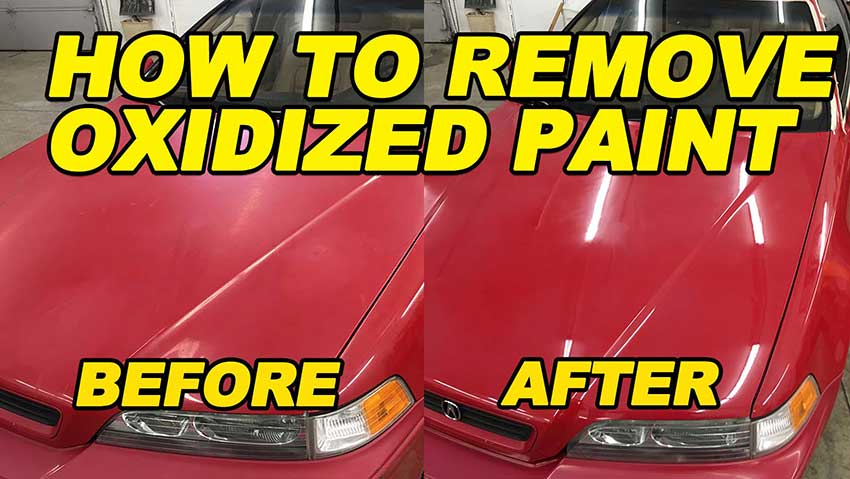
White, red, yellow, and dark-colored vehicles can all oxidize. Red paint often shows oxidation quickly because its pigment can fade under strong ultraviolet light. Dark paint may hide early damage but reveal cloudy patches once the clear coat starts to weaken.
Oxidation is not the same as surface dirt. Dirt sits on top of the paint and can usually be washed away. Oxidation changes the paint itself, so it needs light abrasion or professional refinishing.
Common signs include:
• A chalky residue on your towel or hand after touching the paint
• Faded color that looks lighter than the protected areas
• A rough, dry surface after washing
• Cloudy patches or loss of gloss
• Peeling, cracking, or flaking clear coat
A useful test is to wash and dry a small area. Then place a small amount of cleaner wax or polish on a white microfiber towel and rub the panel by hand. If the towel picks up the paint color, the vehicle may have single-stage paint. If it stays mostly white, the car may have a clear coat.
This test is not perfect, but it gives you useful information. Always test in a hidden area first.

What Causes Car Paint Oxidation?
The main cause of oxidation is ultraviolet radiation from the sun. UV rays break down binders in automotive paint over time. Heat speeds up this process, especially on horizontal surfaces such as the hood, roof, and trunk.
Several other conditions can make oxidation worse:
• Long periods of outdoor parking
• Lack of wax, sealant, or ceramic protection
• Acid rain and industrial pollution
• Bird droppings and insect remains
• Salt from winter roads or coastal air
• Harsh cleaners and rough washing tools
• Poor-quality repainting or a thin clear coat
• Infrequent washing that allows grime to stay on the surface
A car parked outside every day may oxidize much faster than a car kept in a garage. However, indoor storage does not remove every risk. Heat, dust, humidity, and old protection can still affect the finish.
It is also important to understand that oxidation does not always mean the paint can be saved. If the clear coat is peeling or the color coat is exposed, polishing may only improve the area for a short time. In that case, repainting is often the correct repair.
Can You Remove Oxidation From Car Paint?
Yes, mild and moderate oxidation can often be removed or improved with paint cleaner, compound, polish, and protection. Severe oxidation may need machine correction or repainting.
The key question is how much healthy paint remains. Automotive paint is a thin system. Removing oxidation requires taking away a very small amount of damaged material, but aggressive polishing can also remove good clear coat.
Use this simple guide:
• Light oxidation: The paint looks dull but still feels fairly smooth. Cleaner wax or a mild polish may work.
• Moderate oxidation: The paint feels rough and has visible fading. Use a compound followed by polish.
• Severe oxidation: The surface looks chalky, blotchy, or badly faded. A machine polisher may help, but professional assessment is wise.
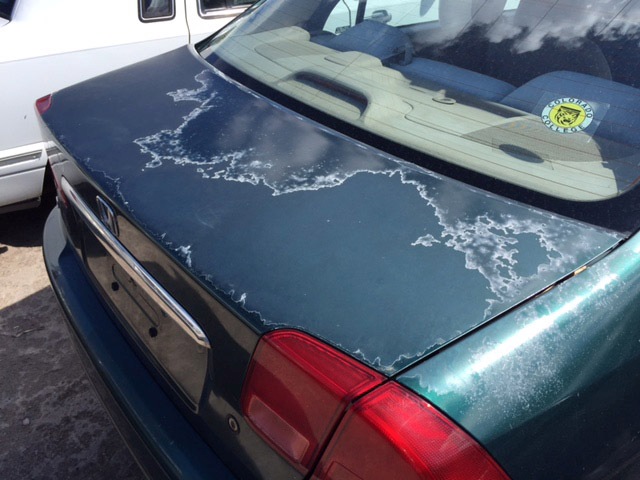
• Clear coat failure: The surface peels, cracks, or shows bare color. Polishing cannot permanently fix it.
The goal is not to remove as much paint as possible. The goal is to remove only the damaged layer needed to restore gloss. Think of it like sanding a wooden table. A light pass can smooth the surface, but too much sanding can expose the material underneath.

Tools and Products You Will Need
Good results depend on using the right products in the right order. You do not need a large professional kit for mild oxidation, but you do need clean tools and patience.
Gather these supplies:
• Car wash soap with a neutral formula
• Two buckets with grit guards, if available
• Soft microfiber wash mitts
• Several clean microfiber towels
• Automotive clay bar or synthetic clay mitt
• Paint-safe masking tape
• Oxidation remover, paint cleaner, or rubbing compound
• Finishing polish
• Foam or microfiber applicator pads
• Dual-action polisher, if using a machine
• Paint sealant, wax, or ceramic spray
• Nitrile gloves and eye protection
Choose products made for automotive paint. Household scouring powder, kitchen cleaners, rough sponges, and dry sandpaper can cause permanent marks.
A dual-action polisher is safer for most beginners than a rotary polisher. A rotary machine can remove defects quickly, but it can also create swirl marks, burn edges, or damage thin paint when used incorrectly.
How to Remove Oxidation From Car Paint by Hand
Hand polishing is slow, but it gives you excellent control. It works best for small areas, light oxidation, and beginners who want to reduce the risk of damage.
Follow these steps:
1. Work in a shaded, cool area
Do not polish hot paint or work in direct sunlight. Heat can make compound dry too fast and make it harder to wipe away. The panel should be cool to the touch.
2. Wash the vehicle thoroughly
Rinse loose dirt from the car. Wash from the top down with automotive soap and a clean mitt. Rinse the mitt often so trapped grit does not scratch the paint.
Dry the vehicle with a soft microfiber towel. Do not use an old bath towel, rough cloth, or paper towel.
3. Remove bonded contamination
Run your clean hand over the dry paint while it is inside a thin plastic bag. If the surface feels rough, use a clay bar with proper lubricant. Clay removes bonded particles that washing cannot remove.
Do not use a clay bar on dry paint. It can drag dirt across the surface and create scratches.
4. Test a small section
Choose a section about 2 feet by 2 feet. Apply a small amount of mild paint cleaner or polish to an applicator pad. Work the product in straight or overlapping motions with moderate pressure.
Wipe the area with a clean microfiber towel and inspect it under bright light. If the gloss improves, repeat the process across the rest of the panel.
5. Use compound only when needed
If a mild polish does not improve moderate oxidation, move to a more aggressive compound. Use small sections and check your progress often. Do not keep rubbing a damaged area simply because it still looks imperfect.
6. Refine the finish
Compounds can leave light haze or fine marks. Apply a finishing polish with a clean pad. This step improves clarity and depth before protection.
7. Protect the paint
Apply wax, sealant, or another paint protectant after polishing. Polishing removes old protection, so skipping this step leaves the surface exposed again.
This hand method is one of the safest ways to learn how to remove oxidation from car paint. It may not fully correct heavy damage, but it can restore a surprising amount of shine.

How to Remove Oxidation From Car Paint With a Dual-Action Polisher
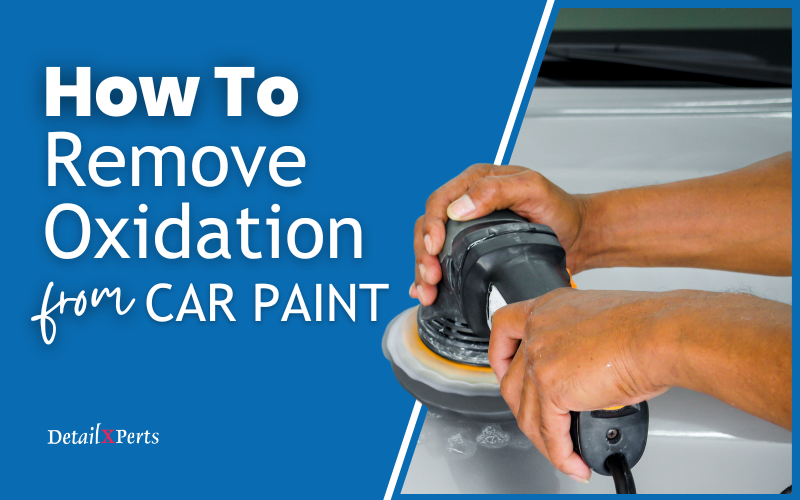
A dual-action polisher can correct oxidation faster and more evenly than hand application. Its random orbital movement lowers the risk of creating deep rotary marks, but it still requires care.
Use this process:
Mask rubber trim, textured plastic, badges, and sharp edges with automotive tape.
Select a polishing pad and a mild compound or polish.
Apply three or four small drops of product to the pad.
Place the pad flat on the paint before turning on the machine.
Work a small section with slow, overlapping passes.
Use low to moderate machine speed at first.
Wipe the residue away with a clean microfiber towel.
Check the result under a strong light.
Increase cutting strength only if the first combination is not enough.
Avoid holding the machine in one place. Avoid heavy pressure on panel edges. Edges often have less paint and can burn or wear through faster.
Do not polish dirty paint. A single piece of grit trapped in the pad can create a long scratch across the panel. Clean or replace pads as they become saturated with compound.
A common detailing lesson is to start with the least aggressive method that can solve the problem. Strong compound and coarse pads may seem faster, but they reduce your safety margin.
When Wet Sanding Is Needed
Wet sanding can level severe oxidation, deep scratches, and heavy surface defects. It uses fine abrasive paper with water to remove a controlled amount of paint. This method is not a good first choice for most car owners.
Wet sanding can cause serious damage when:
• The paper is too coarse
• The surface is not kept wet
• The person sands one spot too long
• The paint is already thin
• The clear coat is failing
• The edges and body lines are not protected
If wet sanding is appropriate, many professionals begin with a very fine grit and inspect the surface often. They then compound and polish the sanding marks. Even fine wet sanding can remove more clear coat than a normal polish.
Avoid wet sanding factory paint unless you understand paint thickness and correction limits. A paint thickness gauge can help, but the gauge does not remove the need for skill. When oxidation is severe, a reputable detailer or body shop can tell you whether correction or repainting makes more sense.

How to Tell If Oxidation Cannot Be Polished Away
Polishing cannot rebuild missing paint. It can only level and refine the material that remains.
Look closely for these warning signs:
• Clear coat that is peeling or lifting
• Large cracks or splits in the top layer
• Bare primer or metal
• Blisters or bubbles under the paint
• Severe color loss that returns after wiping
• Rough patches that remain after careful polishing
If you see these problems, stop aggressive correction. More compound will not solve clear coat failure. It may make the damage larger and expose even more of the color layer.
A body shop may recommend sanding, sealing, and repainting the panel. The cost depends on the vehicle, color, panel size, and local labor rates. A temporary polish may improve appearance before sale, but it should not be presented as a permanent repair.
Common Mistakes That Damage Oxidized Paint
Many failed paint correction jobs begin with good intentions. The owner sees dull paint and reaches for the strongest product. That approach often creates more work.
Avoid these mistakes:
• Polishing before washing the vehicle
• Using household cleaners or abrasive powders
• Working in direct sun
• Using one dirty towel for the whole car
• Applying too much compound
• Pressing hard for too long
• Ignoring panel edges and body lines
• Using a rotary polisher without training
• Skipping a test spot
• Applying wax over loose, chalky oxidation
• Expecting polish to repair peeling clear coat
One mistake I regularly see in DIY detailing advice is treating every dull finish as the same problem. A dusty surface, paint oxidation, water spots, and clear coat failure need different solutions. Correct diagnosis saves time and protects the paint.
How to Protect Paint After Removing Oxidation
Once you learn how to remove oxidation from car paint, protection becomes the most important next step. Freshly polished paint is clean and glossy, but it has little defense against UV light until you apply a protectant.
Choose from these options:
• Carnauba wax: Gives warm gloss but usually needs frequent renewal.
• Synthetic sealant: Offers longer protection and strong water resistance.
• Ceramic spray: Adds slickness and easier washing, though it is not the same as a professional ceramic coating.
• Professional ceramic coating: Can provide durable protection when the paint is properly prepared and the product is applied correctly.
Protection does not stop oxidation forever. It slows the process by reducing exposure to UV rays, water, dirt, and pollutants. Follow the product label for curing time and reapplication.
Wash the car with a pH-balanced soap. Use a soft mitt and dry it with clean microfiber towels. Avoid automatic brushes because they can create swirl marks and remove protection quickly.
Whenever possible, park in a garage or under a quality vehicle cover. A cover should be used on a clean car. Covering a dirty car can rub grit into the paint.
How Often Should You Repeat Paint Correction?
Do not compound your car on a fixed schedule. Paint correction removes a small amount of material, so it should be performed only when the finish needs it.
You can usually maintain the result with:
• Regular gentle washing
• Prompt removal of bird droppings and tree sap
• A fresh sealant or wax as directed
• Shade or garage storage
• Clean microfiber towels
• Periodic use of a mild polish when needed
The best maintenance plan depends on climate, parking habits, paint condition, and the type of protection used. A vehicle in Arizona may need more UV protection than one stored indoors in a mild climate. A vehicle near the ocean may need more frequent washing because salt can speed up surface damage.
Professional Detailing Versus DIY Paint Correction
DIY correction can be affordable and rewarding when oxidation is light or moderate. It also lets you work slowly and learn how your vehicle responds to different products.
Professional detailing may be the better choice when:
• The vehicle has severe fading
• The clear coat is peeling
• The paint has a custom or expensive finish
• You do not own a machine or inspection light
• The vehicle has many sharp edges
• You need consistent results across several panels
Ask the detailer how they will inspect the paint and what level of correction they expect to achieve. Be cautious of anyone who promises perfect results without seeing the vehicle. Honest professionals explain both the potential improvement and the remaining limitations.
The cheapest quote is not always the best value. Safe paint correction depends on skill, paint knowledge, clean equipment, and realistic expectations.
Frequently Asked Questions About How to Remove Oxidation From Car Paint
Can wax remove oxidation from car paint?
Wax can hide mild oxidation for a short time, but it does not remove damaged paint. A cleaner wax may contain mild abrasives that improve light dullness, but moderate or severe oxidation usually needs polishing or compounding first.
Does rubbing alcohol remove oxidation from car paint?
Rubbing alcohol can remove oils, wax, and some residue, but it does not correct oxidation. Strong or repeated use may dry trim and can create problems if the surface is not rinsed and protected properly.
Can I remove oxidation from car paint without a machine?
Yes, hand application can improve light and some moderate oxidation. It takes more time and effort than machine polishing, and it may not fully correct deep fading or large damaged areas.
Is oxidation the same as clear coat failure?
No. Oxidation is surface deterioration that may respond to careful polishing. Clear coat failure includes peeling, cracking, or flaking, and it normally requires refinishing rather than polishing.
How long does oxidation removal last?
The result depends on the paint condition and protection used afterward. With regular washing, shade, and a quality sealant or wax, the improvement can last much longer than an unprotected finish.
Can WD-40 remove oxidation from car paint?
WD-40 may temporarily make a dull surface look darker because it leaves an oily film. It does not repair oxidation, and the effect disappears after washing.
Should I use sandpaper to remove oxidation?
Avoid sandpaper unless you have experience with paint correction and understand the risks. Wet sanding can remove too much clear coat and should generally be left to a trained professional.
Conclusion
Learning how to remove oxidation from car paint starts with an accurate inspection. Wash the vehicle, test a small area, use the mildest effective polish, and increase cutting power only when needed. Always protect the finish after correction, and stop if you find peeling clear coat, cracks, or exposed material.
Light oxidation is often a manageable weekend project. Severe oxidation may need a professional detailer or a body shop. Take your time, protect the edges, and treat the paint like a thin protective skin rather than an endless surface to sand. Try the test-spot method first, then share your results or explore more car care guides for your next project.