

For many drivers in the United States, discount Tire is a good place to buy tires—especially if you value a large store network, strong tire service, and easy warranty support. Its prices are often competitive, but they are not always the lowest. The best choice depends on the final installed price, the tire model, the store’s service terms, and whether you need help after the sale.
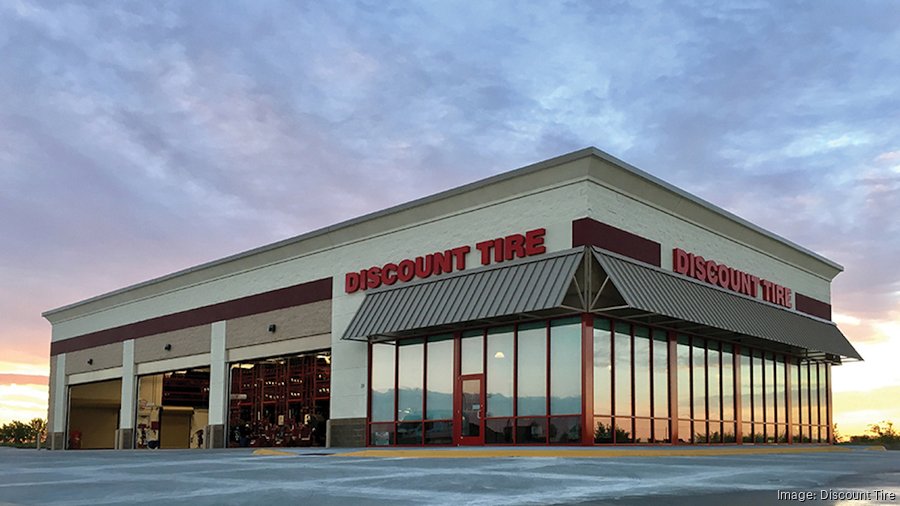
Discount Tire sells passenger-car, SUV, truck, and performance tires at stores across much of the U.S. In some states, the same company operates under the name America’s Tire. The brand is separate from Discount Tire stores in Canada.
A fair review should look beyond the word “discount.” Tire quality, installation, road-hazard coverage, return rules, wait times, and local service all matter.

What makes Discount Tire a good place to buy tires?
Discount Tire’s biggest strengths are its tire-focused business model, broad selection, and after-sale service. Unlike a general auto repair shop, its main business is selling and servicing tires. That can make it easier to compare tire types, get a tire inspection, or handle a flat later.


The company publishes services such as tire installation, balancing, rotation, flat repair, air checks, and tire inspections. Exact services, fees, and eligibility can vary by store and by where you bought the tires.
Main advantages
- Large tire selection: Most stores sell several brands and tire types for common cars, SUVs, and trucks.
- Convenient online shopping: You can search by vehicle, tire size, or tire type.
- Store-based support: A nearby store can inspect or service the tires after purchase.
- Free air checks: Discount Tire is known for offering air pressure checks, including for customers who did not buy tires there. Confirm local availability.
- Tire repairs: Some punctures can be repaired when the damage is in a safe repair area and the tire meets industry safety limits.
- Price comparison: The company advertises price matching under specific conditions.
- Optional road-hazard coverage: Some purchases may include or offer a separate road-hazard protection plan.
These benefits matter most if you plan to keep the car for several years. A tire purchase is not finished when the tires are mounted. The tires also need correct inflation, rotation, inspection, and occasional repair.
What can make the experience less attractive?
Discount Tire is not automatically the best option for every buyer. Common drawbacks include:
- Busy stores: Wait times can be long during winter tire season, holidays, and weekends.
- Different local experiences: Staffing and appointment availability can vary by store.
- Extra charges: Installation may include separate fees for mounting, balancing, tire disposal, valve stems, taxes, or other services.
- Limited repair options: A damaged tire may need replacement if the puncture is too close to the sidewall or if the tire has been driven while flat.
- Protection-plan limits: Road-hazard coverage is not the same as full tire insurance.
- Not every brand or model is always in stock: A website listing does not guarantee immediate local availability.
The practical lesson is simple: compare the out-the-door total and the service terms, not just the advertised tire price.

How much does Discount Tire charge for tires?
There is no single Discount Tire price. The cost depends on the tire size, brand, vehicle, season, store, installation fees, taxes, and optional coverage.
A basic tire quote usually has several parts:
| Cost item | What it covers |
|---|---|
| Tire price | The price of each tire before fees and tax |
| Mounting and balancing | Installing the tire on the wheel and balancing the assembly |
| New valve stem or valve service | Replacing or servicing the valve |
| Tire disposal | Handling the old tire |
| Sales tax | State and local tax |
| Road-hazard coverage | Optional protection, when offered |
| Alignment | An extra service if the vehicle needs it |
Ask for the full installed price for all four tires. A low tire price can look less attractive after installation fees and optional products are added.
Is Discount Tire cheaper than other tire stores?
Sometimes, but not in every case. Discount Tire may have a lower price on one tire model and a higher price on another. Online sellers may offer a lower base price but charge for shipping, installation, or local mounting.
To compare fairly, request the same details from each seller:


- Exact tire brand and model.
- Tire size and load or speed rating.
- Tire quantity.
- Installation and balancing fees.
- Disposal and valve fees.
- Sales tax.
- Road-hazard coverage.
- Estimated installation date.
- Warranty and return terms.
A tire with the same brand name may still have a different model, rating, or manufacturer warranty. Compare the complete tire description, not only the brand.
Does Discount Tire price match?
Discount Tire advertises a price-match policy, but the terms matter. A competing offer may need to be for the same tire, from an eligible seller, and available under comparable conditions. Shipping, installation, rebates, coupons, and other fees can affect the comparison.
Before paying, show the store the competing offer and ask how the policy applies. Do not assume that every online price qualifies.

Are Discount Tire’s tires good quality?
The quality comes from the tire model, not the store name. Discount Tire sells tires from many brands and price levels. Some are designed for low cost, while others focus on wet grip, quiet driving, winter traction, long tread life, or towing.
A good buying decision starts with the vehicle maker’s requirements. Check the driver-side door-jamb label or owner’s manual for:
- Tire size.
- Recommended load rating.
- Recommended speed rating.
- Cold inflation pressure.
- Whether the vehicle uses run-flat tires.
- Whether the vehicle needs a special tire specification.
Do not choose a tire only because it has a long mileage warranty. Tread-life warranties often depend on proper rotation, inflation, alignment, owner records, and other conditions. They do not guarantee that the tire will last for the stated mileage.
How should you choose among tire types?
| Driving need | Tire feature to consider | Important trade-off |
|---|---|---|
| Daily commuting | All-season touring tire | May give up some snow or cornering performance |
| Hot weather and dry roads | Performance tire | Often wears faster and costs more |
| Heavy rain | Strong wet-grip design | May have a shorter tread-life warranty |
| Light snow | All-weather or severe-snow-rated tire | Can cost more than a basic all-season tire |
| Deep snow and ice | Dedicated winter tire | Requires seasonal storage and a second set |
| Trucks and towing | Correct load range and sturdy construction | May ride more firmly |
| Quiet highway driving | Touring or grand-touring tire | May not suit aggressive driving |
A tire retailer can help narrow the choices, but the final decision should match your climate, road conditions, mileage, and vehicle use.
Are Discount Tire house brands worth considering?
Discount Tire has sold private-label and exclusive tire lines at different times. These tires can offer a lower purchase price, but the value depends on the exact model and your needs.
Ask for clear information about:
- Independent test results, if available.
- Wet braking and snow performance.
- Tread-life warranty terms.
- Manufacturer defect coverage.
- Replacement availability.
- The cost of the complete installation.
There is not enough evidence to call every private-label tire good or bad as a group. Judge the specific tire model.

Does Discount Tire offer good warranties and free services?
Discount Tire can be a strong choice for service after the sale, but buyers need to separate several different types of coverage.
Manufacturer warranty
The tire manufacturer’s warranty may cover workmanship or materials. It may also include a limited tread-life warranty. These terms differ by brand and model.
A manufacturer warranty usually does not cover every puncture, curb impact, pothole injury, underinflation failure, or normal wear. Read the written terms.


Road-hazard protection
Road-hazard coverage may help when a tire is damaged by a nail, pothole, glass, or another road object. The plan may repair or replace the tire under certain conditions.
Coverage often has limits such as:
- A time period or remaining tread requirement.
- Restrictions on tire size or use.
- Exclusions for vandalism, racing, misuse, or cosmetic damage.
- Prorated replacement instead of a free new tire.
- Required inspection by the retailer.
- Requirements to maintain proper inflation and rotation records.
Ask whether the protection is included or optional, what it costs, and how replacement value is calculated.
Free tire services
Discount Tire promotes services such as inspections, air checks, tire rotations, balancing, and flat repair. However, service rules can vary by location and purchase history.
Before buying, ask:
- Are rotations free for these tires?
- Is balancing included?
- Is flat repair free?
- Can another Discount Tire location provide service?
- Do I need an appointment?
- Are there limits for tires bought elsewhere?
Free service can be valuable, but only if a store is convenient enough to use.
How does Discount Tire compare with other places to buy tires?
The right retailer depends on what matters most to you. A local Discount Tire may be more convenient than an online seller, while a warehouse club may offer a strong package of installation and member benefits.
| Buying option | Best fit | Possible limitation |
|---|---|---|
| Discount Tire | Drivers who want store support and tire service | Local wait times and fees can vary |
| Independent tire shop | Buyers who prefer local service and personal advice | Selection may be smaller |
| Car dealership | Owners who want factory-brand service | Prices may be higher |
| Warehouse club | Members who value bundled pricing and services | Appointment availability may be limited |
| Online tire retailer | Buyers who want broad online comparison | You must arrange installation and service |
| Big-box auto center | Buyers seeking one-stop vehicle service | Tire expertise can vary by location |
This table is a decision aid, not a ranking. A skilled independent shop may be the best choice in one town. Discount Tire may be the better choice in another town because it has faster service or better local inventory.
Discount Tire vs. Costco
Costco may be attractive if you already have a membership and its installed price is lower. It may also include specific services or warranty benefits under its current tire program.
Discount Tire may be more convenient for buyers who want a larger store network, more appointment choices, or a tire-focused shop nearby. Compare the complete price and the exact coverage. Membership fees and wait times are part of the real cost.
Discount Tire vs. online tire retailers
Online sellers can make it easy to compare models and prices. Some arrange delivery to a partner installer. The trade-off is that warranty claims, flat repairs, and inspections may require more coordination.
Discount Tire’s advantage is local, in-person support. The online option may win if the tire is hard to find or the total installed price is clearly lower.

What should you check before buying from Discount Tire?
Use this checklist before approving the order:
- Confirm the tire size. Match all numbers and letters on the door label or current tire.
- Check the ratings. Confirm load and speed ratings meet the vehicle requirement.
- Ask for the date code. Tires age in storage and use. The Department of Transportation code on the sidewall identifies the week and year of manufacture.
- Request the out-the-door price. Include installation, disposal, tax, and optional coverage.
- Compare the exact model. Do not compare only brand names.
- Ask about stock. Confirm whether the tires are at the store or must be shipped.
- Review the warranty. Ask for the manufacturer and road-hazard terms.
- Check the return policy. Clarify whether mounted tires can be returned and under what conditions.
- Inspect the vehicle. Uneven wear, pulling, vibration, or repeated air loss may signal alignment, suspension, wheel, or valve problems.
- Save your records. Keep the invoice and any rotation or repair records.
If your vehicle has different front and rear tire sizes, tell the store before ordering. Some vehicles also require matching tires as a set because of all-wheel-drive systems.


What problems can occur after installation?
Most post-installation issues are easy to identify, but they should not be ignored.
The vehicle vibrates at highway speed
A vibration soon after tire installation can result from an imbalance, a wheel problem, incorrect mounting, or a tire defect. Return to the installer for an inspection. If the steering wheel shakes strongly, slow down and avoid highway driving until the cause is checked.
The vehicle pulls to one side
A pull may come from tire pressure differences, road slope, uneven wear, alignment, or a brake or suspension issue. Check cold tire pressure first. If the pull remains, request an inspection rather than assuming the new tires are defective.
A tire keeps losing air
Possible causes include a puncture, damaged wheel, leaking valve, bead leak, or temperature-related pressure change. Add air only to reach a safe pressure for travel to a tire shop. A tire that repeatedly loses air needs prompt inspection.
The tires feel louder or harsher
New tires can feel different from the old set. Tread design, tire size, inflation pressure, and vehicle suspension all affect noise and ride. Check that the installed model matches the order and that the pressure is set to the vehicle maker’s recommended cold pressure.
The store cannot repair the tire
A shop may decline a repair when damage is in the sidewall or shoulder, the puncture is too large, the tire has internal damage, or the tire was driven while severely underinflated. That decision is a safety limit, not necessarily poor service.
Who should buy tires from Discount Tire?
Discount Tire is a sensible option for drivers who:
- Want a tire-focused retailer.
- Have a convenient store nearby.
- Prefer in-person warranty and repair support.
- Need help comparing several tire models.
- Value free or low-cost air checks and inspections.
- Want to buy online and use a local store for installation.
Another seller may be better if:
- An independent shop offers a clearly lower installed price.
- You need a specialized tire that Discount Tire cannot source.
- You already receive better benefits through a warehouse-club membership.
- You prefer a dealership for a vehicle-specific service relationship.
- The nearest Discount Tire store has poor availability or long delays.
Overall, Discount Tire is generally a good place to buy tires in the U.S., but it is not automatically the cheapest or best choice for every driver. Its strongest advantage is the combination of tire selection and local service. Its weakest point is that prices, wait times, and service quality can differ from one store to another.

Key takeaways
- Discount Tire is a legitimate, tire-focused U.S. retailer with a broad selection and local service.
- Compare the full installed price, not only the advertised tire price.
- Choose the tire model for your vehicle and driving conditions, not just the store brand.
- Read road-hazard and tread-life warranty terms before paying.
- Check the final installation for correct size, ratings, pressure, and visible damage.
- A nearby store and good after-sale service can be worth more than a small online price difference.
Frequently asked questions
Is Discount Tire cheaper than Walmart or Costco?
Not always. Prices change by tire model, location, promotion, installation fee, and membership status. Compare the same tire and the complete installed total from each retailer.
Does Discount Tire install tires bought somewhere else?
Some Discount Tire locations may provide services for tires purchased elsewhere, while other services or warranty benefits may be limited. Ask the specific store before ordering.
Does Discount Tire fix flat tires for free?
Discount Tire is known for offering flat repairs in qualifying situations, but the tire must be safe to repair and local policies can apply. A sidewall puncture or internal damage usually requires replacement.
Should I buy the road-hazard warranty?
It can be useful if you drive on roads with potholes, debris, or construction zones. Compare its price and exclusions with the cost of replacing a damaged tire. It is not a substitute for proper inflation and safe driving.


How long do tires bought from Discount Tire last?
No retailer can guarantee one life span for every tire. Mileage depends on the tire model, alignment, inflation, rotation, road surface, climate, load, and driving habits. Inspect tread and tire condition regularly.
Can I return tires after they are installed?
Return rules depend on the current policy, the tire condition, and the store. Ask before installation, especially if you are unsure about tire noise, ride comfort, or the chosen model.
Conclusion
Discount Tire is often a strong choice for U.S. drivers who want a wide tire selection and convenient local support. The store’s value comes from the full ownership experience: installation, inspections, air service, repairs, and warranty help.
Before you buy, compare the exact tire model, verify its ratings, request the full installed price, and read the coverage terms. If the price is competitive and the local store is convenient, Discount Tire is likely a good fit. If another retailer offers a better total package, there is no reason to choose Discount Tire based on the name alone.
