

Introduction
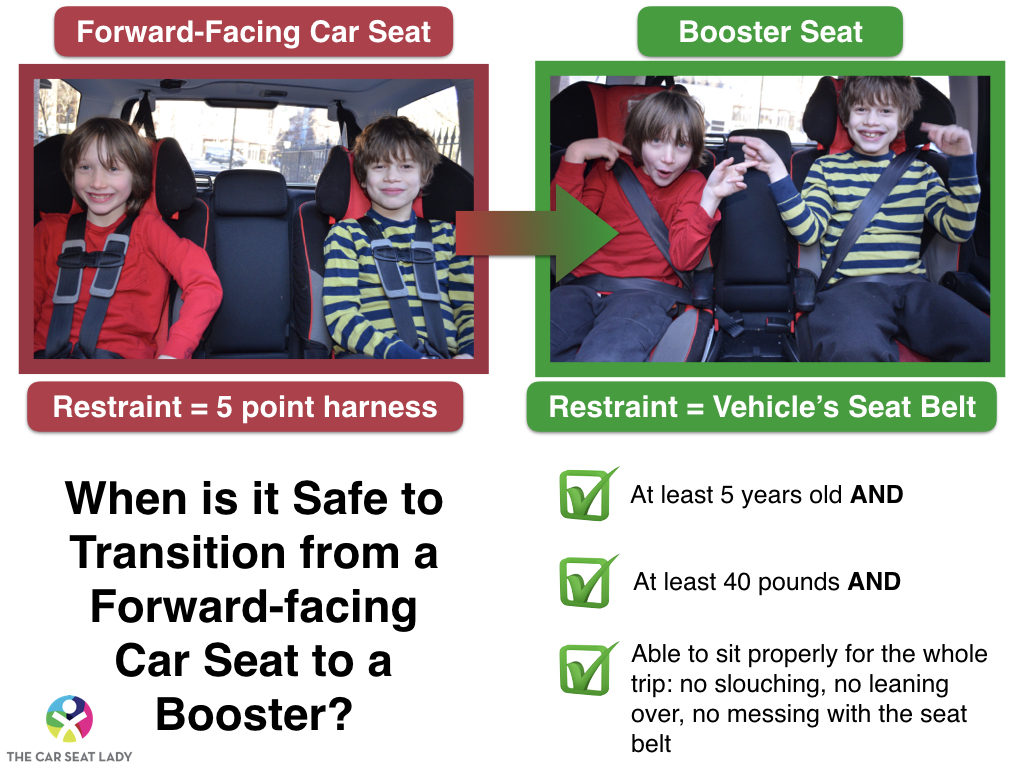
Move your child from a forward-facing car seat to a booster when they have outgrown the car seat’s harness by height or weight, but are still too small for the vehicle seat belt to fit correctly. Age alone does not decide the right time.
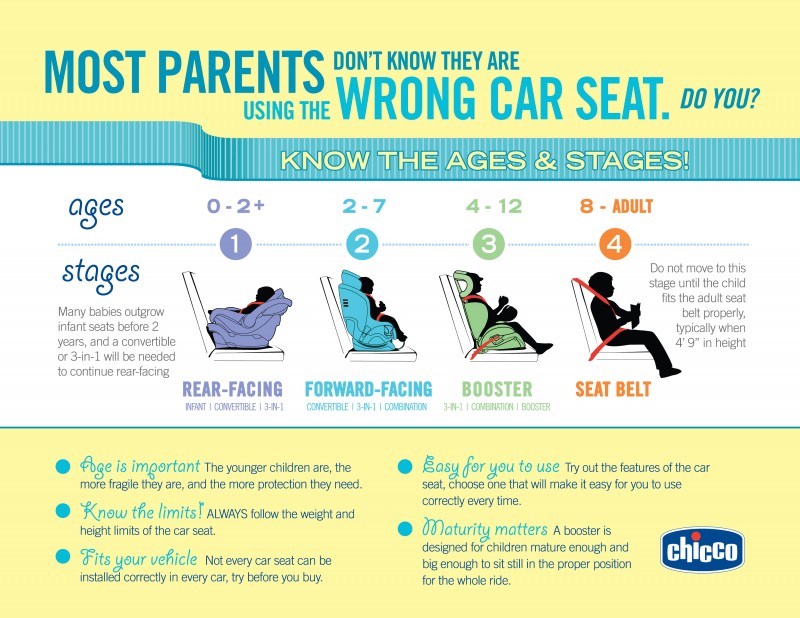
Many children are ready sometime between ages 5 and 9, but the range varies. Keep using a forward-facing seat with a harness for as long as the seat allows. Then use a belt-positioning booster until the adult seat belt fits without help. In the United States, most children need a booster until the seat belt fits well, often around 4 feet 9 inches tall and between ages 8 and 12.
Always follow:
- The car seat and booster manual
- The vehicle owner’s manual
- Your state’s child passenger safety law
- Guidance from the National Highway Traffic Safety Administration (NHTSA) and the American Academy of Pediatrics (AAP)

The Short Answer: When Should a Child Use a Booster Seat?
A child should move to a booster seat when all of these conditions apply:
- The child has outgrown the forward-facing car seat’s harness.
- The child still cannot pass the seat belt fit test.
- The child can sit upright for the entire trip.
- The booster meets the child’s size limits and the vehicle’s instructions.
A booster seat does not restrain a child by itself. It raises the child so the vehicle’s lap and shoulder belt rest on strong parts of the body.
The booster is doing its job when:
- The lap belt lies flat across the upper thighs or low hips.
- The shoulder belt crosses the center of the chest and shoulder.
- The shoulder belt does not touch the neck.
- The child’s back rests against the vehicle seat.
- The child’s knees bend at the edge of the seat.
- The child can keep this position for the whole ride.
If the child leans forward, slips under the belt, puts the shoulder belt behind the back, or cannot sit still, they are not ready to ride without a harness.
What Does “Outgrown the Harness” Mean?
A child has outgrown a forward-facing car seat when they exceed any of its limits. Check the seat label and manual for exact limits. Do not rely on general age ranges.
Common signs include:
- The child is over the seat’s maximum forward-facing weight.
- The child is taller than the seat’s standing-height limit.
- The child’s shoulders are above the top harness slots, if the manual says this is a limit.
- The tops of the child’s ears are above the seat’s shell or headrest limit.
- The child’s head is too high for the seat’s stated limit.
- The harness no longer fits correctly after proper adjustment.
Harness-slot rules vary by seat. Some seats allow the shoulders to be above the top slots in a forward-facing mode. Others do not. The manual controls.
Do not move a child to a booster just because the child’s legs hang over the edge. Long legs are normal. A child may still fit safely in a harnessed seat if the child remains within the seat’s listed limits.
Likewise, do not move a child early because the child dislikes the harness. A booster requires more maturity and self-control. A child who cannot stay seated correctly may be safer in a harnessed seat.
Why a Booster Seat Is Needed
A vehicle seat belt is designed for an adult-sized body. A young child’s hips, chest, and shoulder may be too small for the belt to sit in the right places.
A booster changes the belt path by lifting the child higher. This helps the:
- Lap belt sit low on the pelvis instead of the soft belly.
- Shoulder belt cross the chest and collarbone instead of the neck or face.
This position matters because a seat belt can cause serious injury if it rides across the abdomen or if a child slips under it during a crash. A booster helps the belt work as designed, but it cannot correct every poor seating position.
A booster must be used with a lap-and-shoulder belt. Never use a booster with a lap-only belt. A lap-only belt does not provide the upper-body restraint a booster requires.
How to Tell if Your Child Is Ready for a Booster
Use this decision check before making the switch.
Step 1: Check the current car seat
Read the label and manual. Record the child’s:
- Weight
- Standing height
- Shoulder position
- Ear or head position
- Harness fit
If the child still fits within the forward-facing limits, continue using the harness unless the manual says otherwise.
Step 2: Check the child’s behavior
A child must be able to:
- Sit with the back against the vehicle seat
- Keep the bottom in place
- Avoid leaning forward
- Avoid leaning toward the door
- Keep both sides of the body inside the belt
- Leave the shoulder belt in place
- Stay correctly positioned while asleep or distracted
This is not a one-minute test. A child must maintain the position during normal trips.
Step 3: Check the vehicle belt
The seating position must have a lap-and-shoulder belt. Confirm that the belt works with the booster and that the booster is allowed in that position.
Some vehicles have long buckle stalks, unusual belt paths, fixed head restraints, or narrow seats. The booster manual may list limits for these conditions.
Step 4: Do the seat belt fit test
The child may be ready to stop using a booster only when all five parts of this test are true:
- The child sits all the way back against the vehicle seat.
- The knees bend comfortably at the seat edge.
- The lap belt stays low across the hips and upper thighs.
- The shoulder belt crosses the chest and shoulder.
- The child can stay in this position for the whole ride.
If even one point fails, keep using the booster.
Booster Seat Readiness at a Glance
| Question | If the answer is “yes” |
|---|---|
| Has the child exceeded a forward-facing harness limit? | Check whether the child passes the belt fit test. |
| Can the child sit upright for every trip? | A booster may be appropriate if the belt fits correctly. |
| Does the vehicle have a lap-and-shoulder belt? | A booster can generally be used if the manual allows it. |
| Does the lap belt sit low on the hips? | The belt is in a safer position. |
| Does the shoulder belt cross the chest and shoulder? | The belt may be positioned correctly. |
| Can the child stay seated during sleep and long trips? | The child may be ready for a booster. |
| Does the child slide, lean, or place the belt behind the back? | Continue using a harnessed seat. |
| Does the belt touch the neck or ride over the stomach? | The child still needs a booster or a different seating position. |
A child who has outgrown a harness but fails the belt fit test needs another harnessed option, such as a seat with higher limits. Do not use a booster simply because the old seat no longer fits.
High-Back or Backless Booster: Which Is Better?
Both types can position the belt correctly when used as directed. The better choice depends on the child, vehicle, belt fit, and booster instructions.
High-back booster
A high-back booster can help when:
- The vehicle seat has little or no head support.
- The child needs support to keep the shoulder belt in place.
- The vehicle’s shoulder belt sits too far forward.
- The child tends to lean or slump.
- The booster includes a back that guides the belt.
The high-back booster must be used only in a seating position with the head and back support required by its manual.
Backless booster
A backless booster may work when:
- The vehicle seat provides head support up to at least the child’s ears.
- The child can sit upright.
- The shoulder belt fits correctly without a belt guide.
- The booster manual permits use in that position.
A backless booster is not automatically less safe. Its use depends on proper belt fit and the vehicle’s support.
A note about booster seats with backs
Some high-back boosters include a back that is designed to absorb energy or guide the belt. Others have removable backs and can later become backless boosters. Use each mode only within the limits and instructions for that product.
Do not add an after-market belt-positioning device, cushion, or strap unless the car seat or booster maker specifically approves it. Unapproved accessories can change how the belt works.

How to Install and Use a Booster Correctly
A booster does not usually attach to the vehicle in the same way as a harnessed car seat. Some models have lower anchors to keep the empty booster from moving, while others rely on the child’s weight and the vehicle belt.
Follow these steps:
- Read both manuals. Check the booster instructions and the vehicle manual.
- Choose a seating position. Use a rear seat whenever possible. Confirm that the position has a compatible lap-and-shoulder belt.
- Place the booster flat. The booster should sit fully on the vehicle seat. Do not place it on top of another cushion.
- Route the belt as shown. Use every required belt guide.
- Buckle the child. The lap belt must be low on the hips. The shoulder belt must cross the chest and shoulder.
- Remove slack. The belt should lie flat and snug. It should not be twisted.
- Check the posture. The child’s back and bottom should stay against the seat.
- Recheck after every move. A booster can shift or the belt can be routed incorrectly when moved between vehicles.
The vehicle belt holds both the child and the booster in place unless the booster manual states that lower anchors may be used. Do not buckle an empty booster with a child elsewhere unless the manufacturer or vehicle manual gives clear instructions.
Common Mistakes to Avoid
Moving by age alone
A child may be mature at age 5 but still too small for a seat belt. Another child may be older but unable to sit correctly. Use seat limits, behavior, and belt fit together.
Moving from a rear-facing seat straight to a booster
Most children need a forward-facing harness stage first. Follow the car seat manufacturer’s limits and current AAP guidance.
Using a booster with a lap-only belt
A booster needs a lap-and-shoulder belt. If the seating position has only a lap belt, use a harnessed seat that is approved for that position or choose another seating position.
Letting the shoulder belt go behind the back
This removes upper-body protection and can place the lap belt in a dangerous position. Correct the belt fit or return to a harnessed seat.
Placing the lap belt on the stomach
The lap belt should rest low on the hips and upper thighs. It should not cross the soft abdomen.
Allowing the child to lean out of position
A booster cannot protect a child who is slouched, leaning across the seat, or riding with the shoulder belt under the arm.
Using a booster in the front seat
The back seat is safer for children. The AAP recommends that children younger than 13 ride in the rear seat when possible. If a child must ride in front, follow the vehicle manual and use the correct air-bag and seat-position guidance.
Buying a used seat without checking its history
Avoid a booster with unknown crash history, missing parts, an unreadable label, or no manual. Do not use a seat that has passed its expiration date if the maker lists one. Contact the manufacturer for replacement instructions and recall information.
What to Do When the Child Does Not Fit the Booster Yet
If the child has outgrown the current harness but cannot sit correctly in a booster, do not rush the change.
Consider these steps:
- Check whether the child truly exceeded the harness limits.
- Refit the harness according to the manual.
- Check for a larger harnessed seat with higher limits.
- Try the booster in another compatible rear seating position.
- Have a certified child passenger safety technician check the setup.
A technician can help with installation and belt fit. Use the NHTSA child passenger safety technician search tool or contact a local inspection station. A technician cannot override the seat manual or state law, but can often find fit and setup problems.
Booster Seat Laws in the United States
U.S. child passenger laws vary by state. Some laws list a specific age, height, weight, or seating requirement. Legal minimums may not equal the safest transition point.
Before changing seats, check your state’s official transportation, highway safety, or public safety website. NHTSA provides a state-by-state child passenger safety law resource.
A safe plan should meet both:
- The law: The minimum legal requirement in your state.
- The child’s needs: Proper fit, maturity, and the limits of the seat.
If state law allows a child to use a seat belt before the belt fits well, continue using a booster. A law sets a minimum standard. It does not guarantee a good belt fit for every child.

When Can a Child Stop Using a Booster?
A child can stop using a booster when the vehicle seat belt fits correctly without one. Use the five-part test:
- The child sits all the way back.
- The knees bend at the seat edge.
- The lap belt stays low on the hips and thighs.
- The shoulder belt crosses the chest and shoulder.
- The child remains in that position for the full ride.
Test each seating position separately. A belt may fit in one vehicle but not another. It may also fit in one row but not another.
Do not use the common “4 feet 9 inches” rule as the only test. That height is a useful guide, but body shape, vehicle design, and belt position also matter.
A Simple Example
Imagine a 6-year-old who weighs 52 pounds. The child has exceeded the height limit of a forward-facing harnessed seat.
The child sits upright, but the lap belt touches the stomach and the shoulder belt touches the neck. The child does not pass the belt fit test, so a booster is needed.
Now imagine a 10-year-old who is 4 feet 8 inches tall. The child sits fully back, keeps the knees bent, and has a low lap belt and a shoulder belt across the chest. If the child stays in that position for the whole trip, a booster may no longer be needed in that vehicle.
These examples are hypothetical. The actual answer depends on the seat, vehicle, child, and instructions.

Key Takeaways
- Move to a booster after the child outgrows the forward-facing harness, not simply when the child reaches a certain age.
- A booster requires a lap-and-shoulder belt.
- The child must sit upright and stay in position for the entire ride.
- Keep using a booster until the vehicle belt passes the five-part fit test.
- Use the back seat whenever possible.
- Follow the car seat manual, vehicle manual, and state law.
- Get help from a certified child passenger safety technician if the fit is unclear.
Frequently Asked Questions
Can a 4-year-old use a booster seat?
Usually, a 4-year-old should remain in a forward-facing car seat with a harness if the child still fits its limits. Some children may be physically large enough for a booster but not mature enough to sit correctly. Follow the seat manual, state law, and AAP guidance.
Is a high-back booster safer than a backless booster?
Neither type is always safer for every child or vehicle. A high-back booster may provide better support or belt positioning in some vehicles. A backless booster may work well when the vehicle provides head support and the belt fits correctly. Follow the booster instructions.
Can a child use a booster with a lap belt?
No. A belt-positioning booster should be used with a lap-and-shoulder belt. A lap-only belt does not provide the upper-body restraint needed with a booster.
What if my child falls asleep in a booster?
A child may sleep in a properly used booster if the child remains correctly positioned. If the child slumps, leans, or lets the shoulder belt move behind the back, the child may need a harnessed seat or a better-fitting booster and seating position.
Does a child need a booster in every car?
A child needs the correct restraint in every vehicle. The belt may fit differently in different cars, trucks, or seating positions. Check the belt fit each time and use a booster whenever the child does not pass the fit test.
Should a child ride in the front seat after moving to a booster?
Children should ride in the rear seat whenever possible. The AAP recommends the back seat for children younger than 13. If the front seat is unavoidable, follow the vehicle manual and air-bag instructions.
Conclusion
The right time to move from a car seat to a booster is based on fit, maturity, and belt position—not age alone. Keep your child in a forward-facing harness until the child reaches a limit set by the manufacturer. Then use a booster until the vehicle seat belt fits low across the hips, crosses the chest, and stays in place for the entire ride.
For a final check, compare the child’s size with the car seat manual, test the belt in the vehicle, review your state law, and seek help from a certified child passenger safety technician when needed.
