

If you need a free car seat, start with your local health department, 211, a Safe Kids fitting station, a hospital, or a community program. Many programs help families who have low incomes, receive Medicaid or WIC, live in a rural area, or need a safe seat for a child.
Call before you travel. Free seats are often limited, and each program sets its own rules. Ask whether the seat fits your child’s age, height, weight, and vehicle. Also ask if installation help is included.
Key Takeaways
- Call 211 to find local family and child-safety programs.
- Search the Safe Kids Worldwide car seat inspection station directory.
- Contact your county or city health department.
- Ask hospitals, fire departments, police departments, and community centers about current programs.
- Check with WIC, Medicaid, Head Start, and social-service caseworkers.
- Do not use a seat with an unknown crash history, missing parts, or an unreadable label.
- A free seat is useful only if it fits the child and can be installed correctly.
Where to Find a Free Car Seat
The best place to start depends on where you live and why you need the seat. The following sources are common in the United States, but not every location offers free seats year-round.
1. Call 211
Dial 211 or visit 211.org to ask about free car seats, child-safety programs, and transportation help in your area.
Tell the operator:
- Your city and county
- Your child’s age, height, and weight
- Whether you need an infant seat, convertible seat, or booster
- Whether you have Medicaid, WIC, or another benefit
- Whether you need help installing the seat
- Whether you need the seat right away
The 211 network connects people with local services. It may know about short-term donation programs, county health programs, family resource centers, and seasonal events.
2. Contact your local health department
County and city health departments often run child passenger safety programs. Some provide free seats. Others offer low-cost seats, vouchers, classes, or installation checks.
Search online for:
“[Your county] health department car seat program”
Use the official government website when possible. Ask for the child passenger safety program or a certified Child Passenger Safety Technician, often called a CPST.
3. Use a Safe Kids inspection station
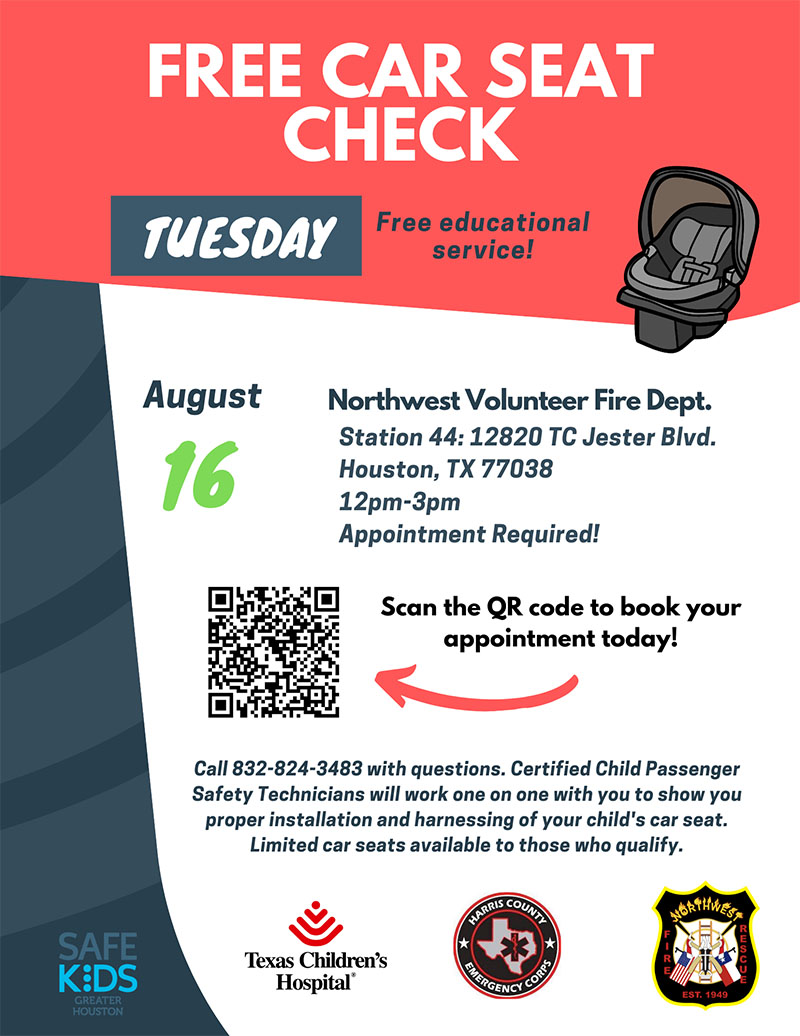
Safe Kids coalitions work with hospitals, health agencies, police departments, and other local groups. Some stations give out free seats when funding allows. Others only inspect and install seats.
Use the Safe Kids inspection station search tool to find a location. Confirm the details before making an appointment.
A fitting station may:
- Check that the seat is the right type
- Find the correct belt path
- Check the seat angle
- Teach you how to install it
- Review harness height and tightness
- Explain when to move your child to the next seat type
An inspection station is not always a free-seat source. It is still a good place to ask who provides seats nearby.
4. Ask your hospital or prenatal clinic
Hospitals, birthing centers, pediatric clinics, and prenatal clinics may know about local car seat programs. Some hospitals offer seats through grants or discharge programs. Others provide classes and referrals instead.
Ask these questions:
- Do you give free seats, or do you refer families to a program?
- Is the program only for newborns?
- Do I need proof of income or insurance?
- Can someone help install the seat in my vehicle?
- Do you have a waitlist?
A hospital may require you to show that you have a suitable seat before taking a newborn home. That rule does not mean the hospital must provide one, so arrange help early in pregnancy if possible.
5. Check fire departments and police departments
Some fire and police departments host car seat events or employ certified technicians. Many do not give away seats, but they may know of a local partner.
Do not visit without calling first. A department may:
- Offer inspection appointments only
- Serve residents of a specific town
- Require an appointment
- Check only seats that meet current safety requirements
- Have a limited supply of new seats
Never assume that any firefighter or police officer is trained to install a car seat. Ask whether a certified CPST will help you.
6. Ask WIC, Medicaid, Head Start, and social-service agencies
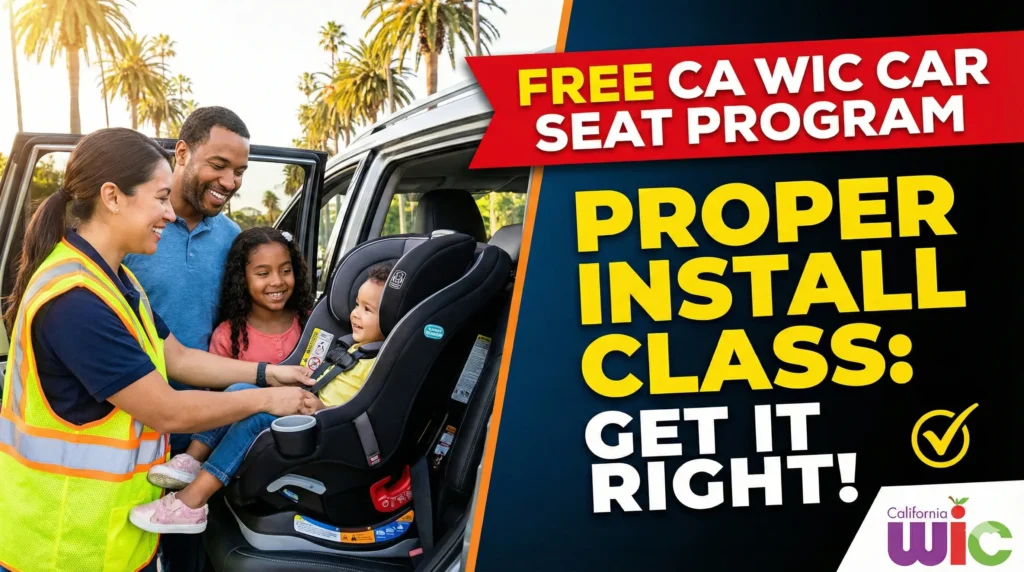
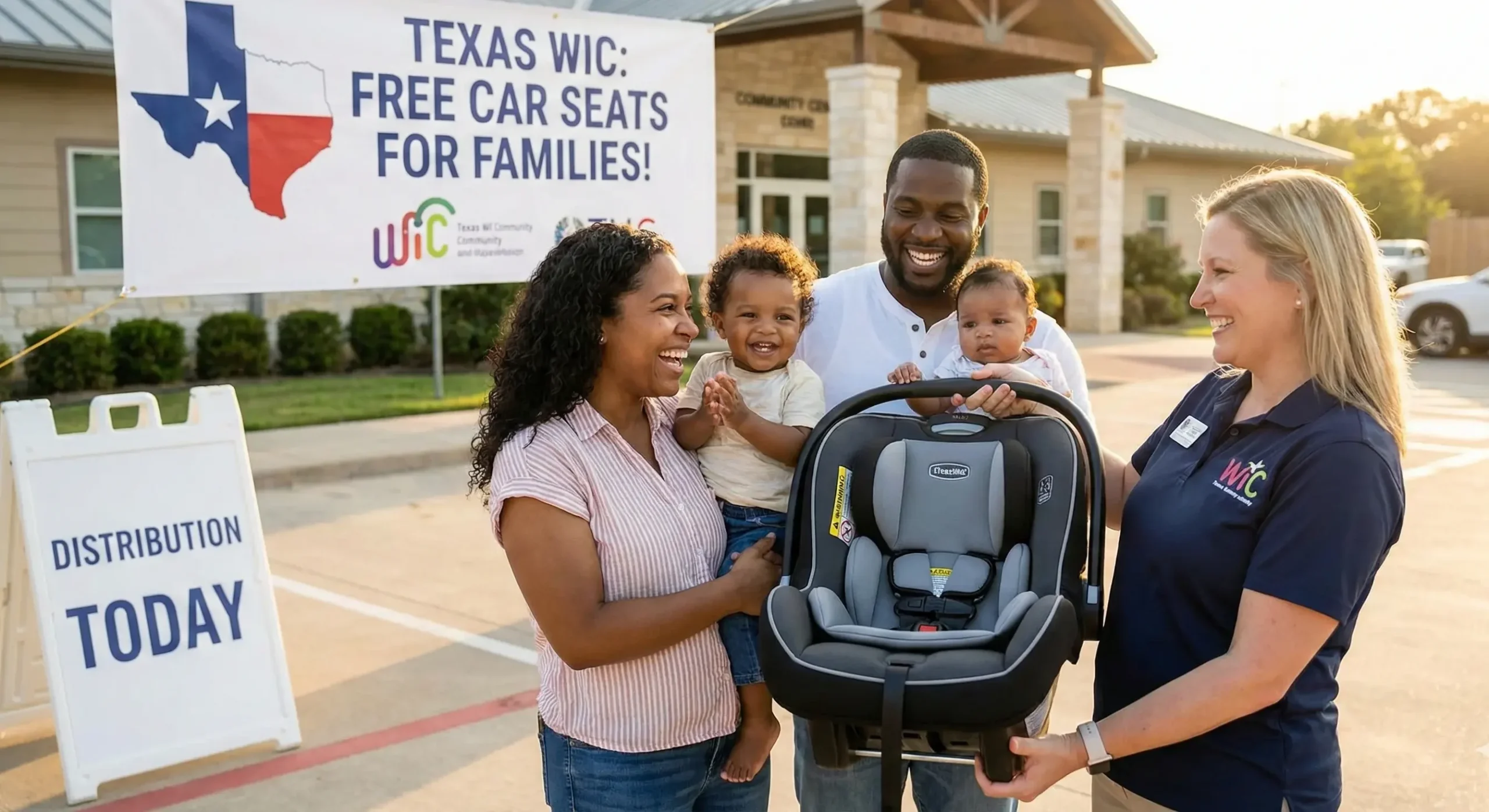
Your WIC office, Medicaid health plan, Head Start program, child welfare agency, or family caseworker may know about local assistance.
These programs may offer:
- A free seat
- A voucher
- A referral
- A safety class
- Transportation to a fitting event
- Help applying for a community program
Benefits differ by state and plan. Medicaid does not provide one identical car seat benefit in every state. Some health plans or local programs offer seats as part of a member incentive, prenatal program, or injury-prevention project. Call the number on your insurance card and ask specifically about child passenger safety benefits.
7. Look for national and nonprofit programs
Some nonprofit programs distribute seats through local partners rather than directly to families.
Examples include:
- Buckle Up for Life, which works with community organizations
- Safe Kids Worldwide, which lists local coalitions and inspection stations
- Local United Way agencies
- Family resource centers
- Domestic violence support programs
- Homeless shelters and transitional housing programs
- Tribal health programs
- Maternal and child health organizations
Program names, rules, and funding can change. Use the organization’s current website or call its local partner before relying on a listing.

How to Get a Free Car Seat Step by Step
The fastest path is to call several local sources at once. One program may have a waitlist while another has an upcoming event.
Step 1: Gather the details
Before you call, write down:
- Child’s age
- Child’s height and weight
- Vehicle year, make, and model
- Your ZIP code
- Your due date, if you are expecting a baby
- Your insurance or benefit program
- The date you need the seat
You do not need to share more personal information than the program requests. Ask what documents are required before sending copies of identification or benefit records.
Step 2: Ask for the right type of seat
The main seat types are:
| Child’s stage | Usual seat type | Key condition |
|---|---|---|
| Baby or young toddler | Rear-facing infant or convertible seat | Keep the child rear-facing as long as the seat allows |
| Older toddler or preschooler | Forward-facing seat with a harness | Use until the child reaches the seat’s height or weight limit |
| Older child | Belt-positioning booster | Use until the vehicle belt fits without help |
These are general categories, not a personal safety assessment. Follow the seat manual and your vehicle manual.
The American Academy of Pediatrics recommends keeping children rear-facing as long as possible, until they reach the highest height or weight allowed by the seat. The AAP car seat guidance explains the full sequence.
Step 3: Confirm eligibility and availability
Ask:
- Is the seat free, or is there a small fee?
- Do you have seats in stock?
- Which brands and models are available?
- Does the child need to attend?
- Do I need proof of income, residence, insurance, or pregnancy?
- Is a class required?
- Is installation help available?
- Can I receive the seat if I do not own a car?
Some programs give one seat per child. Others help only families who cannot afford a seat or who have a documented safety need.
Step 4: Attend the class or appointment
Bring:
- The child, if requested
- The vehicle you will use
- The seat, if you already have one
- The vehicle owner’s manual
- The car seat manual
- Any required documents
If you use more than one vehicle, tell the technician. A seat may install differently in different vehicles.
Step 5: Check the installation before leaving
A successful appointment should leave you able to explain:
- Where the seat is installed
- Which belt path is used
- Whether the seat uses lower anchors or a seat belt
- How tight the seat must be
- How to tighten the harness
- When the child can move to the next stage
- How to clean the seat
- Where to find the expiration date and model number
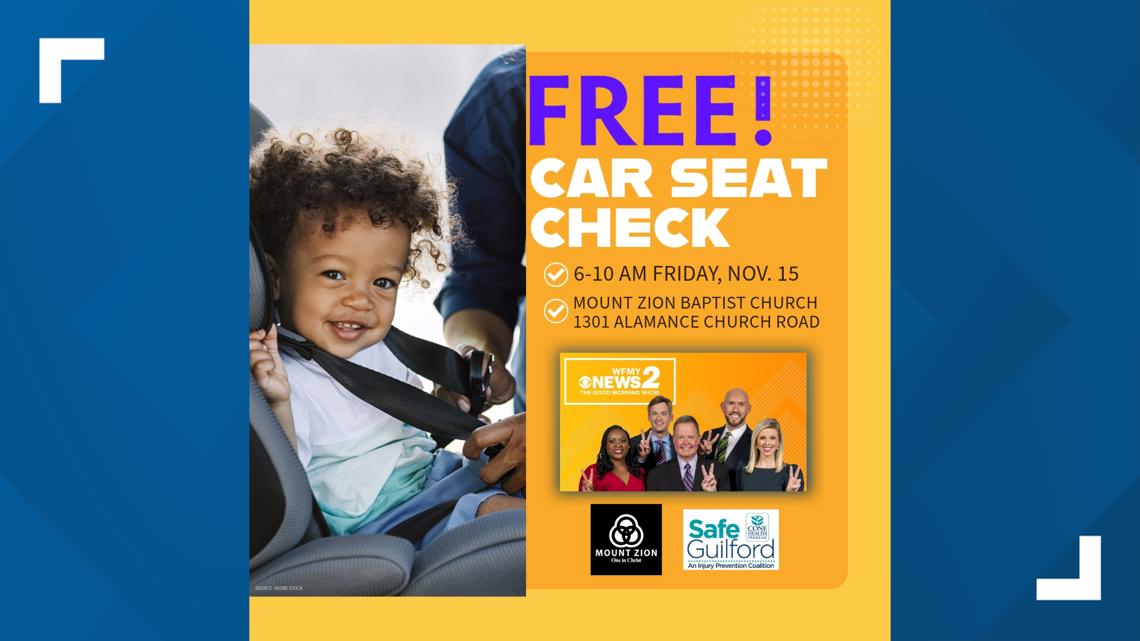
The National Highway Traffic Safety Administration recommends using a certified technician or inspection station when you need installation help.
How to Choose the Right Free Car Seat
A free car seat should meet four tests: it must fit the child, fit the vehicle, be complete, and be used within its limits.
Check the child’s size
Read the label and manual for the exact height and weight limits. Do not choose a seat only because it is labeled “infant” or “toddler.” Children vary in size, and seats have different limits.
For a rear-facing seat:
- The child must be within the listed height and weight range.
- The harness must sit at or below the child’s shoulders, as directed by the manual.
- The child’s head must remain within the seat’s allowed position.
For a forward-facing seat:
- Use the internal harness until the child reaches the seat’s limit.
- Follow the manual for harness height and top-tether use.
For a booster:
- The vehicle lap belt must lie low across the upper thighs.
- The shoulder belt must cross the chest and shoulder.
- The child must sit upright for the whole ride.
Check the vehicle
The seat must work with your vehicle’s seat belts or lower anchors. Read both manuals. The vehicle manual may limit which seating positions can use lower anchors.
A technician can help when:
- The vehicle has unusual seat belts
- The seat sits unevenly
- You have a center-seat question
- The seat touches another vehicle seat
- You are using a pickup truck
- Several car seats must fit in one row
Check the label and parts
A new seat should have labels that show:
- Manufacturer name
- Model name or number
- Date of manufacture
- Expiration information or useful-life guidance
- Compliance information required by federal law
Under federal law, child restraint systems sold in the United States must meet applicable Federal Motor Vehicle Safety Standard requirements, including FMVSS No. 213. The NHTSA recalls and safety information page can help you check for recalls.
Do not use the seat if:
- The label is missing or unreadable
- The shell is cracked
- The harness is cut, frayed, or missing
- Parts are missing
- The seat has an unknown crash history
- The seat is expired under the manufacturer’s guidance
- The seat has been recalled and the remedy is not complete

Can You Use a Donated or Used Car Seat?
A used car seat may be safe, but only when you know its full history and can verify every part. A seat from an unknown source is not a safe substitute for a new seat.
Use a donated seat only if you can confirm:
- It has never been in a crash
- It is not recalled
- It has not expired
- It has all parts and labels
- It comes with the correct manual
- The owner followed the manufacturer’s cleaning rules
Avoid seats from curbside piles, online listings with no history, or people who cannot answer basic questions. A free seat with an unknown past may look fine while hiding damage.
If a program gives you a seat, ask whether it is new. If it is not new, ask how the program checked its history, expiration date, recalls, and parts.
What to Do If You Cannot Find a Free Car Seat
If the first call fails, keep the search local and specific.
Try this order:
- Call 211.
- Contact your county health department.
- Search Safe Kids inspection stations.
- Call your Medicaid plan.
- Ask WIC, Head Start, or a caseworker.
- Contact hospitals and prenatal clinics.
- Call fire and police departments.
- Ask family resource centers and domestic violence agencies.
- Search for local car seat events through your city or county website.
Use this short script:
“I live in [city or ZIP code] and need a car seat for a [child’s age] child who weighs about [weight]. Do you offer a free seat, voucher, or certified installation appointment? If not, who should I call next?”
If you need a seat today, say so. A program may know about an event or emergency referral that is not listed online.
Do not rush into buying an unsafe used seat because you feel out of options. Ask the technician or social-service agency whether a verified temporary solution is available.
Common Mistakes to Avoid
Waiting until the day of discharge
Free-seat programs may require an appointment, class, or proof of eligibility. Start looking before the baby arrives or before a child begins riding in a new vehicle.
Assuming every inspection site gives away seats
Many sites only inspect seats. Ask about free seats before you travel.
Choosing a seat by age alone
Height, weight, maturity, vehicle type, and the seat’s own limits all matter. Read the manual.
Using bulky aftermarket items
Head supports, strap covers, and other accessories can change how the harness works. Use only items approved by the car seat maker for that exact model.
Installing the seat too loosely
The seat should not move more than about 1 inch side to side or front to back when checked at the belt path, according to NHTSA guidance. Do not judge tightness by pushing on the top of the seat.
Forgetting the top tether
For a forward-facing seat, use the top tether when the vehicle and seat instructions allow or require it. It can reduce forward movement in a crash.
Putting a rear-facing seat in front of an active airbag
The back seat is generally the safest place for children. Never place a rear-facing seat in front of an active passenger airbag.
Frequently Asked Questions
Does Medicaid pay for a free car seat?
Sometimes a Medicaid managed-care plan or local program offers a seat, class, or incentive. Medicaid rules differ by state and plan, so call the number on your insurance card and ask about child passenger safety benefits.
Can I get a free car seat from a fire station?
Some fire stations provide seats or installation checks, but many do not. Call first and ask whether a certified Child Passenger Safety Technician is available.
Does the hospital give every newborn a free car seat?
No. Some hospitals have donation programs, but others only require that families bring a suitable seat or provide a referral. Ask your hospital well before the due date.
Is a free car seat safe?
A free seat can be safe if it is appropriate for the child, fits the vehicle, has all parts, is not recalled, and has no unsafe history. Confirm the model and installation before use.
Can I get a free car seat without a car?
Possibly. Tell the program that the child rides in taxis, rideshare vehicles, a relative’s car, or public transportation. Ask for a portable seat option and instructions for each type of vehicle.
Where can I get help installing a car seat?
Use the Safe Kids inspection station directory or NHTSA’s Child Passenger Safety technician search. Confirm appointment times and services first.
Conclusion
The quickest way to find a free car seat in the United States is to call 211, your local health department, and a nearby Safe Kids inspection station. Then ask WIC, Medicaid, hospitals, fire departments, and family-service agencies about local programs.
Before using any seat, verify its size limits, expiration information, recall status, parts, and crash history. The safest result is not simply receiving a free seat. It is receiving the right seat and learning how to install and use it correctly.
