

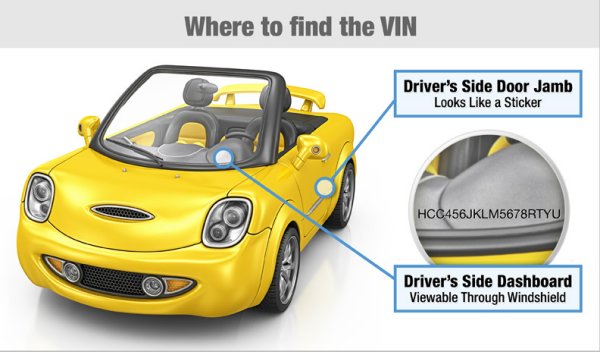
The VIN is usually on the driver’s side dashboard, door jamb, title, registration, or insurance card.
If you are asking where is the VIN on a car, you can usually find it in one of several standard places. The most common spot is the lower driver’s side windshield, but the exact location can vary by vehicle make, model, and year. This guide explains how to find, check, and use your vehicle identification number with confidence.
Where Is the VIN on a Car?
The VIN, or vehicle identification number, is a unique code assigned to a vehicle. Most cars built for the United States since 1981 have a 17-character VIN made of numbers and letters.
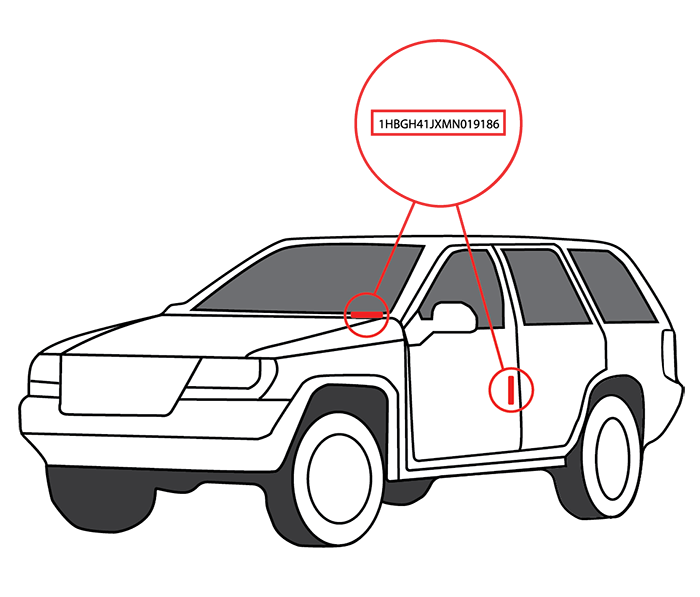
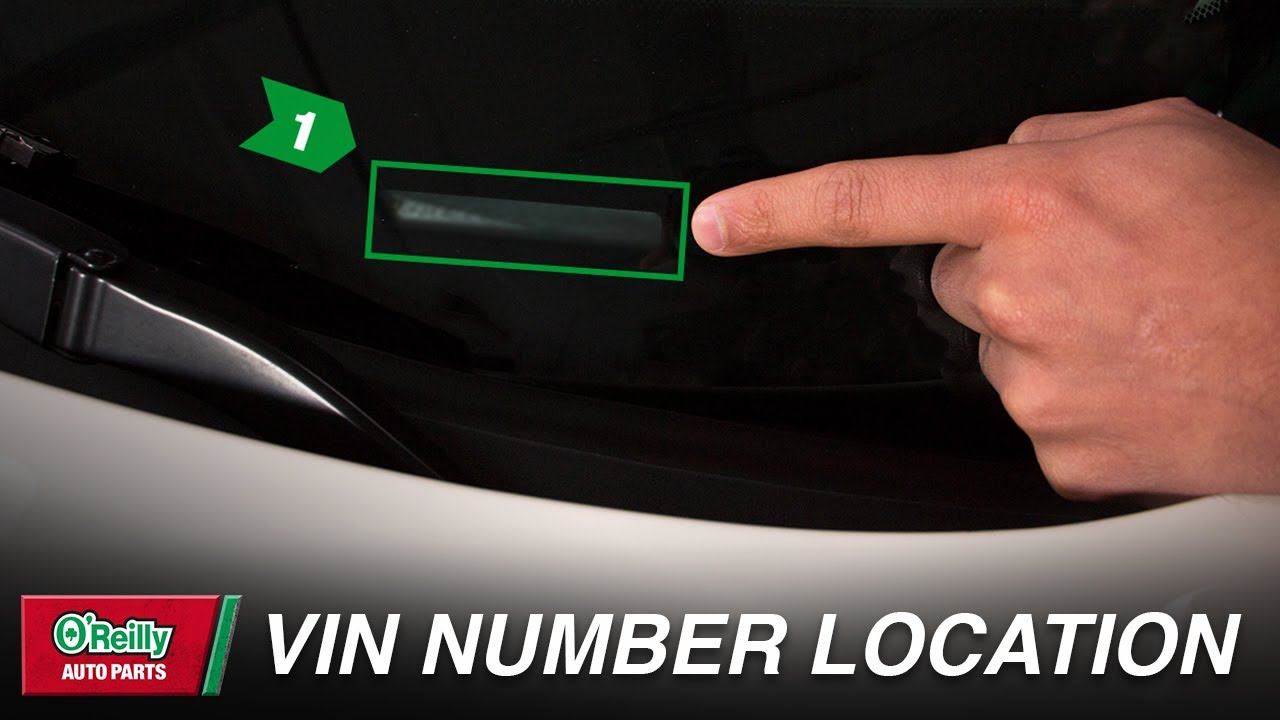
When someone asks where is the VIN on a car, the driver’s side dashboard is the best place to start. Stand outside the car and look through the windshield near the bottom corner on the driver’s side.
You may see the VIN printed on a small metal plate or label. It often sits where the dashboard meets the windshield. A flashlight can help if the glass has glare or the number is hard to read.
Common VIN locations include:
• Driver’s side dashboard near the windshield
• Driver’s side doorjamb or door pillar
• Vehicle title and registration
• Insurance card or insurance policy documents
• Owner’s manual or dealership paperwork
• Under the hood on some older vehicles
• Frame, firewall, or engine compartment on certain models
The VIN should match across the car and its official documents. If the numbers do not match, stop and investigate before buying, selling, or registering the vehicle.

The Most Common VIN Locations
Knowing where is the VIN on a car helps you find it faster when you need a quote, registration, repair estimate, or vehicle history report. Here are the places most likely to contain the number.
Driver’s side dashboard
The dashboard VIN is the most common location on modern vehicles sold in the United States. Look through the windshield from outside the car.
The number is often visible without opening the vehicle. This placement also helps law enforcement, insurers, and inspectors confirm the vehicle identity.
Driver’s side doorjamb
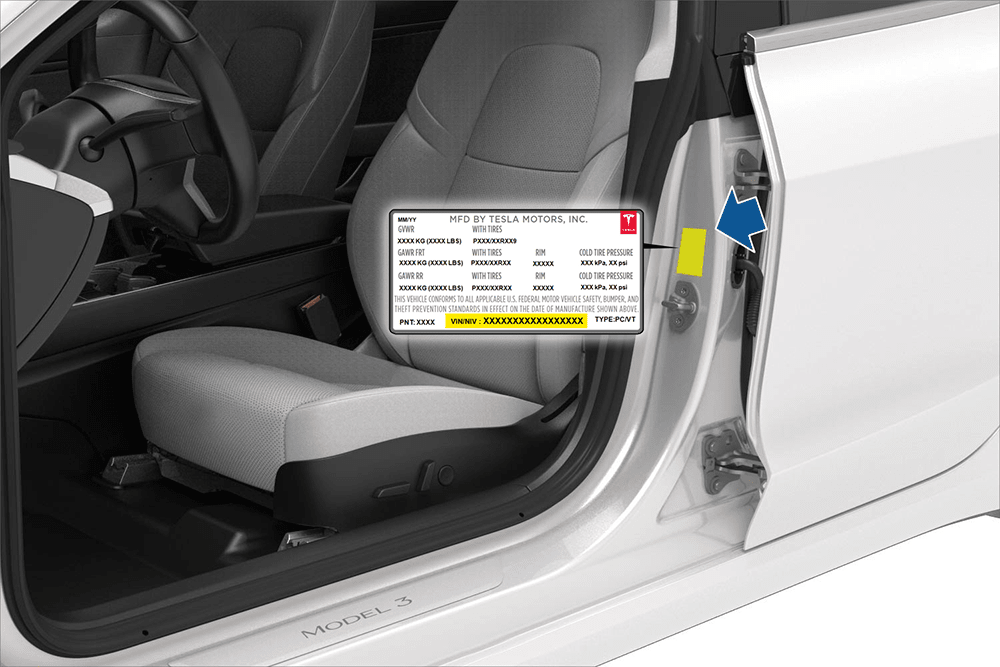
Open the driver’s door and inspect the area around the latch, hinge, or center pillar. The VIN may appear on a sticker or metal plate near the tire and loading information label.
This label can also show:
• Vehicle weight ratings
• Recommended tire size
• Recommended tire pressure
• Manufacturing information
The VIN may be printed in small text, so compare each character carefully.
Vehicle title and registration
The title is one of the most reliable documents for checking a VIN. The registration card also lists the number in most states.
If you do not have access to the car, these documents may answer where is the VIN on a car without requiring a physical inspection. Still, compare the paperwork with the vehicle before completing a sale.
Insurance documents
Your insurance card or policy may list the VIN. This is useful when you need the number for a claim, renewal, or repair shop.
However, insurance records can contain errors after a policy change. Use the physical VIN plate or official title as the final check.
How to Find the VIN on Different Types of Vehicles
The answer to where is the VIN on a car can change based on the vehicle’s design. Sedans, trucks, SUVs, classic cars, and electric vehicles may use different locations.
Cars and sedans
Most modern cars have the VIN on the driver’s side dashboard or doorjamb. Check both locations if the first one is not easy to read.
Some vehicles also place a duplicate VIN under the hood or inside the trunk area.
Trucks and SUVs
Pickup trucks and SUVs often use the same dashboard and doorjamb locations as cars. Some models also show the VIN on the frame or under the hood.
A truck’s large body and separate frame can create extra VIN locations. Look near the front frame rail if the number is not visible elsewhere.
Classic and older cars
Older vehicles may not follow today’s standard placement. You might find the VIN:
• On the firewall
• Inside the engine bay
• On the steering column
• Under the front seat
• On the door pillar
• On the vehicle frame
Classic cars also deserve extra caution. Parts may have been replaced, and some older identification systems used fewer than 17 characters.
Electric and hybrid vehicles
Electric and hybrid vehicles usually place the VIN on the dashboard and doorjamb like gas-powered cars. The battery pack does not replace the vehicle VIN.
Do not remove covers or touch high-voltage components to search for a VIN. Use the dashboard, door label, title, or manufacturer records instead.

Why Does a Car Have a VIN?
A VIN acts like a car’s fingerprint. It identifies the vehicle, not just its make and model.
The VIN can help you:
• Confirm vehicle ownership
• Check title and registration records
• Review accident and salvage history
• Order the correct replacement parts
• Obtain an insurance quote
• Verify recalls
• Register the vehicle
• Report theft
• Confirm the vehicle’s production details
A VIN check can reveal important history, but it is not perfect. Some accidents go unreported, and not every repair appears in a database. A vehicle history report should support a careful inspection, not replace one.
Government safety agencies use VINs to identify vehicles affected by safety recalls. If you find an open recall, contact an authorized dealer for repair information. Recall repairs are often completed at no cost to the vehicle owner.
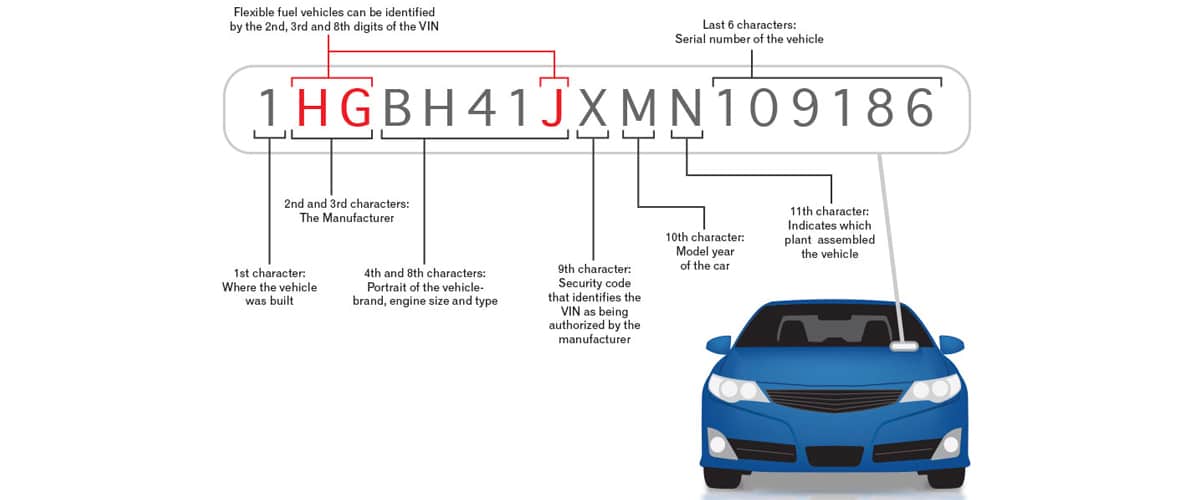
How to Read a 17-Character VIN
Once you know where is the VIN on a car, you may want to understand what the characters mean. A 17-character VIN contains information about the vehicle’s origin, features, and production sequence.
The sections generally work like this:
Characters 1 through 3 identify the manufacturer and country or region of production.
Characters 4 through 8 describe vehicle attributes, such as body style, engine type, or restraint system.
Character 9 is a check digit used to help confirm that the VIN is valid.
Character 10 identifies the model year.
Character 11 identifies the manufacturing plant.
Characters 12 through 17 identify the vehicle’s production sequence.
The tenth character can help identify the model year, but some letters and numbers repeat in different year cycles. For that reason, confirm the year with the title, registration, door label, or manufacturer records.
The letters I, O, and Q are generally not used in a VIN because they can look like the numbers 1 and 0. Read the number in good light and write it down in groups if that makes comparison easier.
How to Check Whether a VIN Is Correct
Finding where is the VIN on a car is only the first step. You should also confirm that the number is accurate and belongs to that vehicle.
Use this simple process:
Copy the VIN from the dashboard.
Compare it with the driver’s doorjamb label.
Compare both numbers with the title and registration.
Check that the make, model, year, and body style match.
Look for signs of tampering around the VIN plate or label.
Use a trusted VIN decoder or vehicle history service.
Ask a licensed mechanic or inspection service to review the vehicle.
A VIN plate that looks loose, scratched, painted over, or poorly attached deserves attention. One mismatch does not always prove fraud. A clerical error or replacement door can create confusion. Still, you should resolve every mismatch before paying for the vehicle.
In my experience helping people work through vehicle details, the most common mistake is copying one character incorrectly. The letters B, D, G, and 8 can look similar in poor light. Take a clear photo, zoom in, and compare the number twice.
VIN Fraud and Warning Signs
VIN fraud involves changing, hiding, or using a vehicle identification number to disguise a car’s history. It can happen after theft, serious damage, or illegal resale.
Watch for these warning signs:
• The dashboard VIN does not match the title
• The door label looks damaged or newly replaced
• Rivets around a VIN plate appear different
• The vehicle history does not match the seller’s story
• The seller refuses an independent inspection
• The title has spelling, spacing, or printing problems
• The car has signs of major repair but a clean history
• The price is far below similar vehicles
A seller should allow you to verify the VIN before purchase. You can also ask your state motor vehicle agency about title brands and inspection rules.
Never rely only on a picture of a VIN. A photo can be altered, outdated, or taken from another vehicle. Match the number on the actual car with the legal documents.
What to Do If You Cannot Find the VIN
Sometimes the VIN is hidden by dirt, glare, a dashboard cover, or a damaged label. Start with the easiest locations and move through the vehicle’s records.
Try these steps:
• Clean the lower windshield area with a soft cloth
• Open the driver’s door and inspect the doorjamb
• Check the title and registration
• Review your insurance documents
• Search the owner’s manual for a VIN location diagram
• Contact a dealership with the vehicle identification details
• Ask a qualified mechanic to locate the stamped VIN
Do not scrape, sand, repaint, or remove a VIN plate. That could damage the identification mark and create legal problems.
If the VIN is missing or unreadable, contact your state motor vehicle agency before driving forward with a sale or registration. Procedures vary by state, and some vehicles require an official inspection.

When You Need the VIN
Understanding where is the VIN on a car can save time in many common situations. You may need it even when the vehicle seems familiar.
You will often need the VIN when:
• Buying or selling a used car
• Comparing insurance rates
• Checking a recall
• Ordering vehicle-specific parts
• Filing an insurance claim
• Applying for a title
• Registering the car
• Reporting theft
• Getting a financing quote
• Checking ownership history
Keep a secure copy of your VIN at home or in a password-protected note. Avoid posting the full number publicly with your address, title, or other personal details.
The VIN itself is not usually a secret, but it is still personal vehicle information. Share it with insurers, repair shops, dealers, government agencies, and trusted history-report providers when needed.
VIN, License Plate, and Engine Number: What Is the Difference?
A VIN identifies the entire vehicle. A license plate identifies the registration assigned by a state, and that plate can change when the vehicle is sold or moved.
An engine number identifies a specific engine. It may not match the original engine if the engine was replaced during the vehicle’s life.
This difference matters when buying parts or checking records. Parts catalogs usually use the VIN to identify the correct trim, engine, transmission, and production configuration.
If a seller gives you only a license plate number, ask for the full VIN before making a purchase. The VIN gives you a more stable way to confirm the vehicle’s identity.
Frequently Asked Questions About Where Is the VIN on a Car
Where is the VIN on a car most often located?
The VIN is most often on the driver’s side dashboard near the windshield. You can usually read it from outside the vehicle through the glass.
Can I find the VIN without the car?
Yes. Check the vehicle title, registration, insurance card, loan documents, or service records. Confirm the number on the car before using it for a sale or official transaction.
How many characters are in a car VIN?
Most vehicles built for the United States since 1981 have a 17-character VIN. Older vehicles may use a different format or fewer characters.
Is the VIN the same as the license plate number?
No. The VIN stays with the vehicle, while the license plate is assigned by a state and may change. A license plate cannot replace the VIN when checking vehicle identity.
What should I do if the VIN does not match the title?
Do not complete the purchase until the mismatch is explained and corrected. Contact the seller, your state motor vehicle agency, or a qualified inspection service for guidance.
Can I check a car’s history with the VIN?
Yes. A VIN can be used with vehicle history services and government recall tools. History reports are helpful, but they may not show every accident, repair, or ownership event.
Is it safe to share my car’s VIN?
Sharing a VIN with an insurer, dealer, mechanic, or vehicle history provider is normal. Avoid posting it with your address, title, or other sensitive information on public websites.
Conclusion
The answer to where is the VIN on a car usually begins with the driver’s side dashboard or doorjamb. You may also find it on the title, registration, insurance card, or manufacturer paperwork. Always compare the VIN in more than one place, especially before buying a used vehicle.
A few minutes of careful checking can help you avoid wrong parts, registration delays, insurance errors, and costly fraud. Find your VIN today, record it securely, and use it to verify recalls and vehicle history before your next repair or purchase.