

Your car may be leaking oil because a seal, gasket, drain plug, filter, or engine part is no longer sealing properly.
If you are asking, “why is my car leaking oil,” the answer can range from a small, simple fix to a serious engine problem. Oil leaks often leave dark spots under the vehicle, create a burning smell, or cause the oil warning light to appear. This guide explains how to find the leak, how urgent it may be, what repairs can cost, and how to prevent more damage.
Why Is My Car Leaking Oil?
A car leaks oil when engine oil escapes from a damaged seal, gasket, cracked part, or loose connection. The engine has many joints that must stay sealed while oil moves under heat and pressure. Over time, these seals can harden, shrink, crack, or wear out.
The most common causes include:
• A worn valve cover gasket
• A damaged oil pan gasket
• A loose or damaged oil drain plug
• A poorly fitted oil filter
• A failing front or rear main seal
• A cracked oil pan
• Excessive engine oil pressure
• A worn turbocharger seal
• Oil spilled during a recent oil change
Sometimes the oil leak is small and slow. Other times, oil can drip quickly and put the engine at risk within minutes. The size, color, location, and smell of the fluid can help identify the cause.
Common Signs of an Engine Oil Leak
The first sign may be a small spot on your driveway. However, oil leaks can appear in several ways. Knowing these signs helps you act before the engine loses too much oil.
Look for the following symptoms:
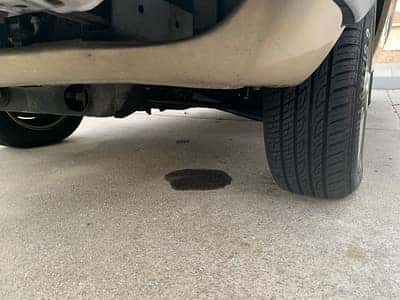
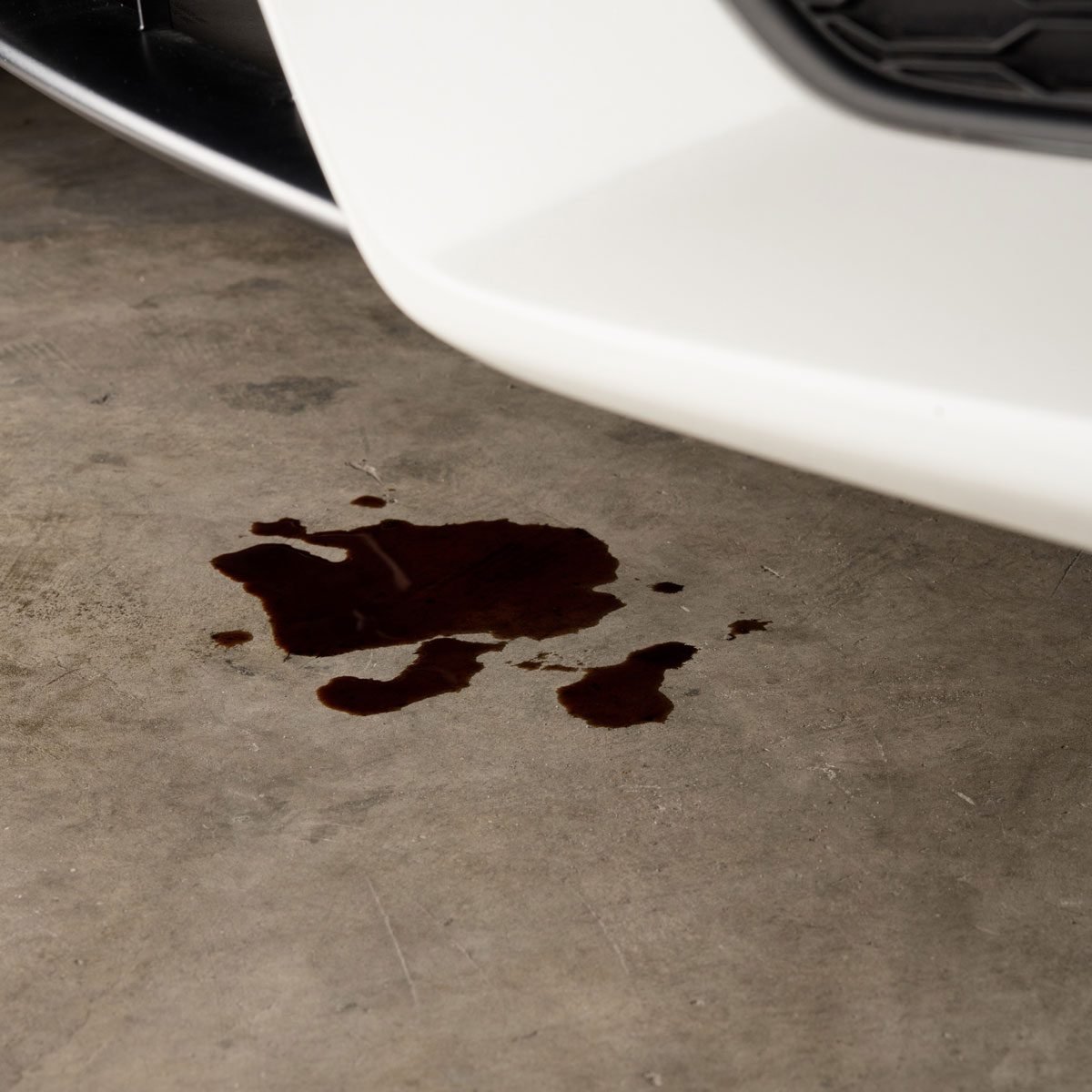
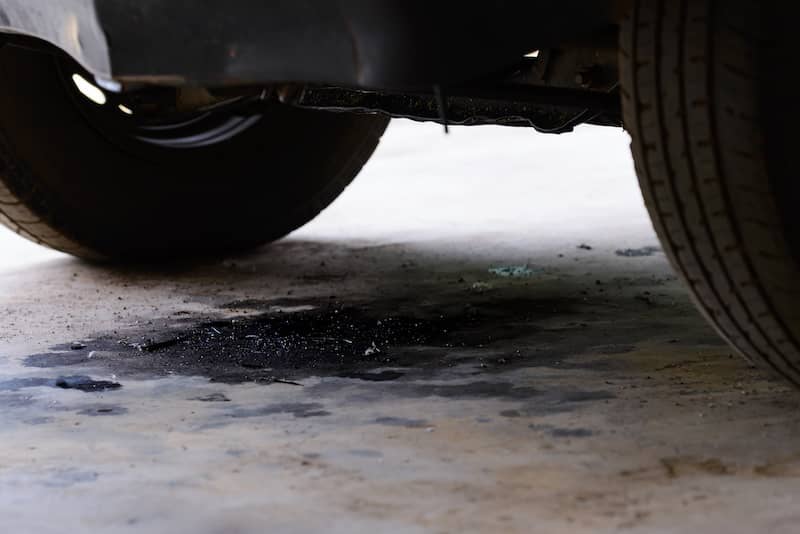
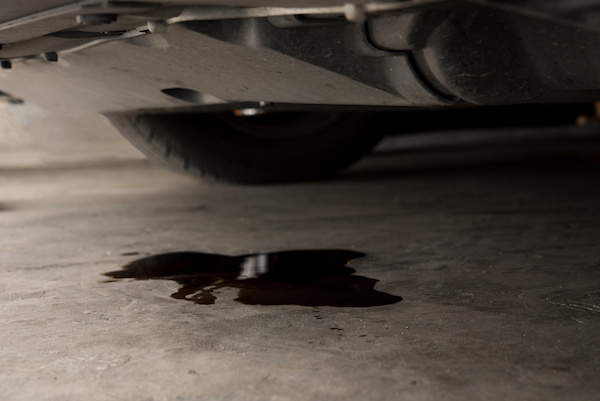
• Dark brown or black spots under the vehicle
• A burning oil smell inside or outside the car
• Smoke rising from the engine bay
• Low oil levels on the dipstick
• An oil warning light on the dashboard
• Ticking, knocking, or tapping engine sounds
• Fresh oil around the engine or transmission
• Oil collecting on the ground after driving
Fresh engine oil is usually amber or golden when clean. Used oil often turns dark brown or black. It may feel slippery and have a strong petroleum smell.
Oil can also run across the engine before dripping to the ground. This means the spot on the driveway may not be directly below the real leak. Cleaning the engine area and using a UV dye can help a technician trace the source.
Is an Oil Leak Dangerous?
A small oil leak may not cause immediate failure, but it should not be ignored. The engine needs the correct oil level and pressure to protect moving parts. If too much oil escapes, friction and heat can rise quickly.
Stop driving and shut off the engine if:
• The red oil pressure warning light stays on
• Oil is pouring onto the ground
• The engine begins knocking or rattling
• You see heavy smoke from the engine bay
• The dipstick shows little or no oil
• The car loses power or begins overheating
The oil pressure light is more serious than a simple maintenance reminder. It may mean the engine is not receiving enough oil pressure. Driving even a short distance in that condition can cause major damage.
If the leak is slow and the oil level remains safe, you may be able to drive a short distance to a repair shop. Check the oil level first, carry the correct oil, and stop immediately if the warning light appears.

The Most Common Places Oil Leaks Start
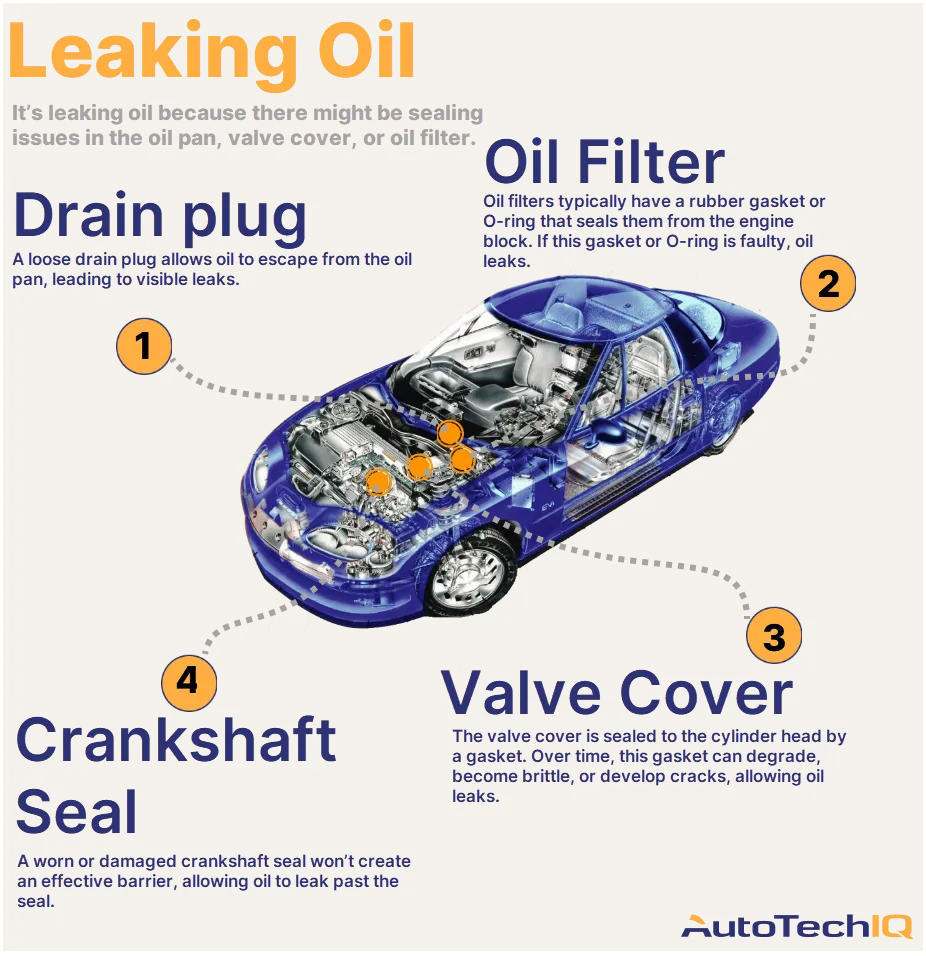
Finding the source is easier when you know the main leak points. Oil usually escapes from a seal or joint near the top or bottom of the engine.
Valve Cover Gasket
The valve cover sits on top of the engine. Its gasket seals the gap between the cover and the cylinder head. Heat can make this gasket brittle and flat.
A valve cover leak often leaves oil along the upper side of the engine. Oil may also drip onto hot exhaust parts and create a burning smell or light smoke.
Oil Pan and Oil Pan Gasket
The oil pan holds engine oil at the bottom of the engine. Road debris, potholes, or rust can damage the pan. The gasket around the pan can also weaken with age.
A leak from this area usually leaves oil near the center or front of the vehicle. A dented pan may restrict oil flow and should be repaired quickly.
Oil Drain Plug
The drain plug is removed during an oil change. If it is loose, cross-threaded, or fitted with a worn crush washer, oil may leak from the plug.
Over-tightening can damage the oil pan threads. This is a common mistake because more force does not always create a better seal.
Oil Filter
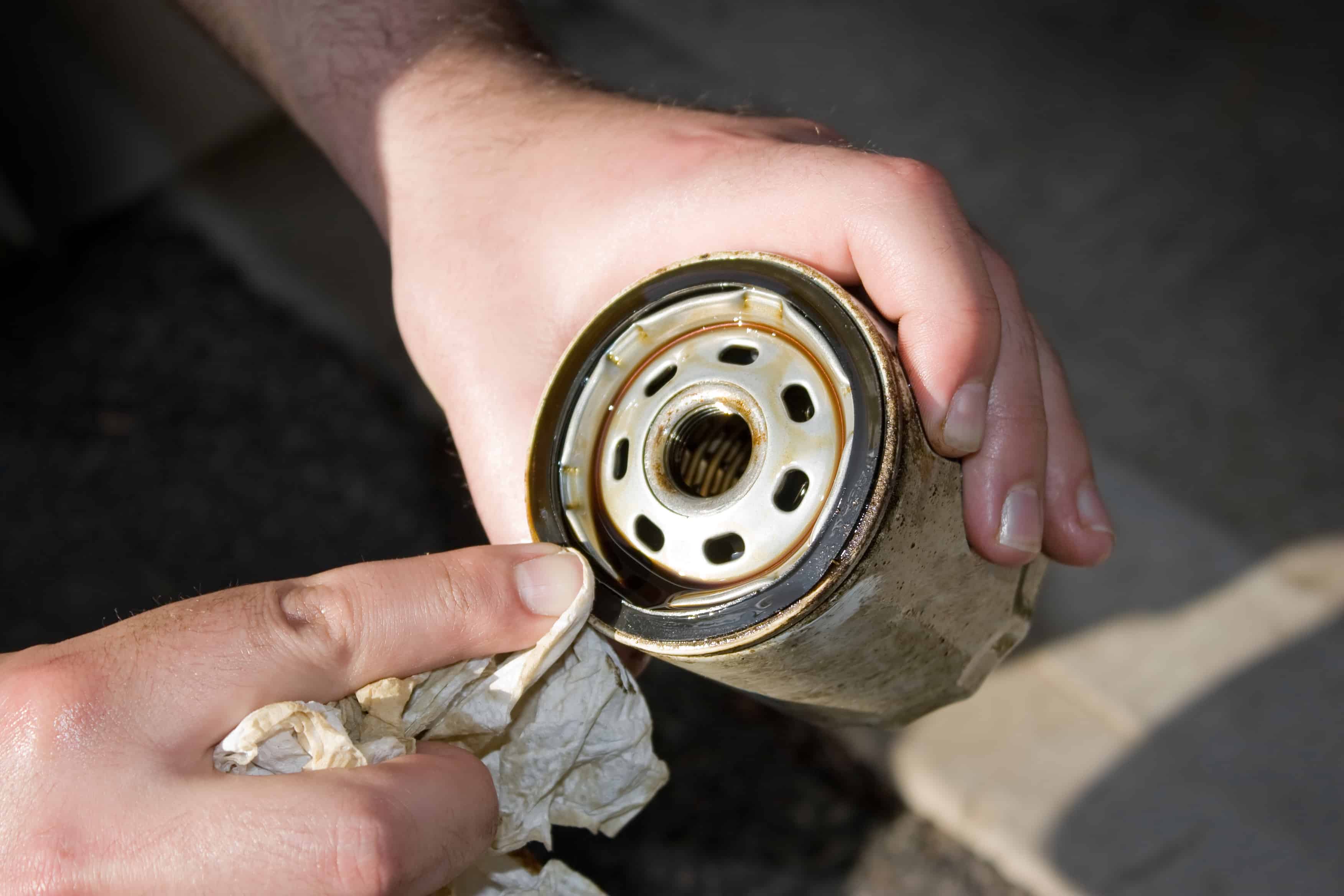
A loose, damaged, or double-gasketed oil filter can leak. A double gasket happens when the old rubber seal stays attached while a new filter is installed over it.
Oil may leak rapidly after an oil change if the filter is not fitted correctly. Check the ground and oil level after every service.
Front or Rear Main Seal
Main seals keep oil inside the engine where the crankshaft exits the engine block. These seals can be difficult and expensive to replace because several parts may need to be removed.
A rear main seal leak often leaves oil between the engine and transmission. It may also cause oil to reach the clutch or torque converter.
How to Find an Oil Leak at Home
You can perform a basic inspection without special tools. Work only on a cool engine, use gloves, and never crawl under a car supported only by a jack.
Follow these steps:
- Park on a level surface and let the engine cool.
- Check the oil level with the dipstick.
- Place clean cardboard under the vehicle overnight.
- Note the location, size, and color of each spot.
- Use a flashlight to inspect the engine bay.
- Look for fresh oil around the valve cover, filter, drain plug, and oil pan.
- Check whether oil is running down from a higher point.
- Clean the area and inspect it again after a short drive.
Do not touch hot exhaust parts. Do not use your hands to search for a leak while the engine is running. A spinning belt or fan can cause severe injury.
A technician may use UV dye, a lift, a smoke machine, or a pressure test. These tools are useful when oil travels across several engine surfaces before it drips.

How to Tell Oil From Other Car Fluids
Many fluids can appear under a vehicle. Correct identification can prevent a wrong repair.
• Engine oil is usually brown or black and feels slick.
• Transmission fluid may be red, pink, brown, or dark and often smells strong.
• Coolant may be green, orange, yellow, pink, or blue and feels less oily.
• Brake fluid is often clear to light brown and feels thin.
• Power steering fluid may be red, amber, or clear, depending on the vehicle.
• Water from the air conditioner is clear and usually harmless.
Never taste or smell a fluid closely. Some automotive chemicals are toxic. If you are unsure, place a white piece of cardboard beneath the leak and compare the fluid’s color and texture.
Your vehicle owner’s manual can also show fluid locations and recommended inspection steps. When the fluid is near a wheel, brake line, or fuel system, have the vehicle checked before driving.
What to Do If Your Car Is Leaking Oil
Your first goal is to protect the engine. Do not focus only on stopping the driveway stain.
Use this simple plan:
- Check the oil level before driving.
- Add the correct oil if the level is low.
- Never overfill the engine.
- Check whether the oil warning light is on.
- Arrange an inspection as soon as possible.
- Place cardboard under the vehicle to monitor the leak.
- Keep records of oil added and miles driven.
- Ask the repair shop to show you the leak source.
Adding oil is only a temporary measure. It does not repair the failed gasket or seal. If you need to add oil often, the vehicle has a leak that needs professional attention.
One useful lesson from common repair work is that guessing often costs more than testing. Replacing a valve cover gasket will not fix a rear main seal leak. A clean inspection and proper leak diagnosis can prevent unnecessary parts and labor.
Oil Leak Repair Costs
Repair costs vary by vehicle design, labor rates, part prices, and leak location. A loose drain plug may cost little to correct, while a rear main seal can require many hours of labor.
Typical repair ranges may include:
• Drain plug or washer: about $20 to $100
• Oil filter problem: about $30 to $150
• Valve cover gasket: about $150 to $700
• Oil pan gasket: about $300 to $1,000
• Cracked oil pan: about $200 to $1,000
• Front main seal: about $500 to $1,500
• Rear main seal: about $800 to $2,500 or more
These figures are broad estimates, not fixed prices. European cars, trucks, luxury vehicles, and engines with limited access may cost more.
Ask for a written estimate that lists the leak source, parts, labor, oil, taxes, and any recommended related repairs. A trustworthy shop should explain why the part failed and show you the evidence.

Why Oil Leaks Happen After an Oil Change
Some leaks appear soon after an oil change. This does not always mean the engine suddenly developed a major fault. The service may have disturbed an old seal or exposed an installation problem.
Common causes include:
• A loose drain plug
• A missing or damaged drain plug washer
• A loose oil filter
• A double oil filter gasket
• Oil spilled onto the engine
• Too much oil added
• A damaged filter housing seal
Check the oil level and the ground under the car. If oil is dripping heavily after service, do not keep driving. Return to the service center or have the vehicle towed.
A small amount of oil on the engine may burn off and create a smell. However, fresh oil should not continue to appear after the engine area has been cleaned.
How to Prevent Future Oil Leaks
You cannot prevent every gasket from aging, but good maintenance lowers the risk of serious leaks.
• Follow the oil change interval in the owner’s manual.
• Use the correct oil grade and specification.
• Inspect the oil level once a month.
• Replace seals and washers during routine service.
• Avoid over-tightening plugs and filters.
• Repair small leaks before they spread.
• Keep the engine bay reasonably clean.
• Avoid driving through deep water or over sharp debris.
• Watch for changes in oil smell, level, or engine noise.
Using thicker oil is not a reliable repair. It may slow a small leak in some older engines, but it can also affect cold-start flow and engine lubrication. Always follow the manufacturer’s recommendation unless a qualified technician advises otherwise.
When to See a Mechanic
Professional help is the safest choice when the source is unclear or the leak is more than a few drops. A mechanic can inspect the engine from above and below, check oil pressure, and confirm whether the leak comes from the engine or another system.
Seek prompt help if:
• The leak leaves a puddle
• The oil level drops between checks
• The oil warning light comes on
• You smell burning oil
• Smoke comes from under the hood
• The leak reaches the exhaust system
• The vehicle has high mileage and several leaks
• You recently had an oil change
A proper diagnosis should identify the exact source, not just the wettest area. Oil can travel along covers, hoses, brackets, and engine blocks.
Frequently Asked Questions About Why Is My Car Leaking Oil
Why is my car leaking oil when parked?
Your car may be leaking oil while parked because a gasket, seal, drain plug, or oil pan has lost its seal. Oil can drip slowly after the engine cools, so a spot may appear hours after driving.
Why is my car leaking oil but not smoking?
A leak can drip onto the ground without touching hot exhaust parts. Oil may also be leaking from the lower engine area, where it does not reach a hot surface.
Can I drive a car with an oil leak?
You may drive a short distance only if the leak is slow, the oil level is safe, and the oil warning light is off. Do not drive if oil is pouring out, the engine is noisy, or the warning light stays on.
Why is my car leaking oil after an oil change?
The drain plug or oil filter may be loose, damaged, or fitted with the wrong seal. Oil may also have spilled during service, but continued dripping should be inspected.
How much oil leakage is too much?
Any leak that forms a puddle, lowers the dipstick level, or needs frequent oil refills is too much. A leak that activates the oil pressure light requires immediate attention.
Can low oil cause an oil leak?
Low oil does not usually create a leak by itself. However, low oil can result from an existing leak, oil burning inside the engine, or poor maintenance.
Will an oil leak get worse?
Many oil leaks become worse as heat, vibration, and pressure continue to affect the damaged seal. A small leak can become a large loss of oil without much warning.
Conclusion
The answer to “why is my car leaking oil” usually involves a worn gasket, damaged seal, loose filter, drain plug, or cracked oil pan. The leak’s location, color, smell, and speed can help identify the cause, but a professional inspection may be needed for an accurate diagnosis.
Check the oil level, watch for warning lights, and avoid driving when the leak is severe. Acting early can protect the engine and save money. Use this guide during your inspection, and share your vehicle’s symptoms or questions in the comments for more practical maintenance advice.