

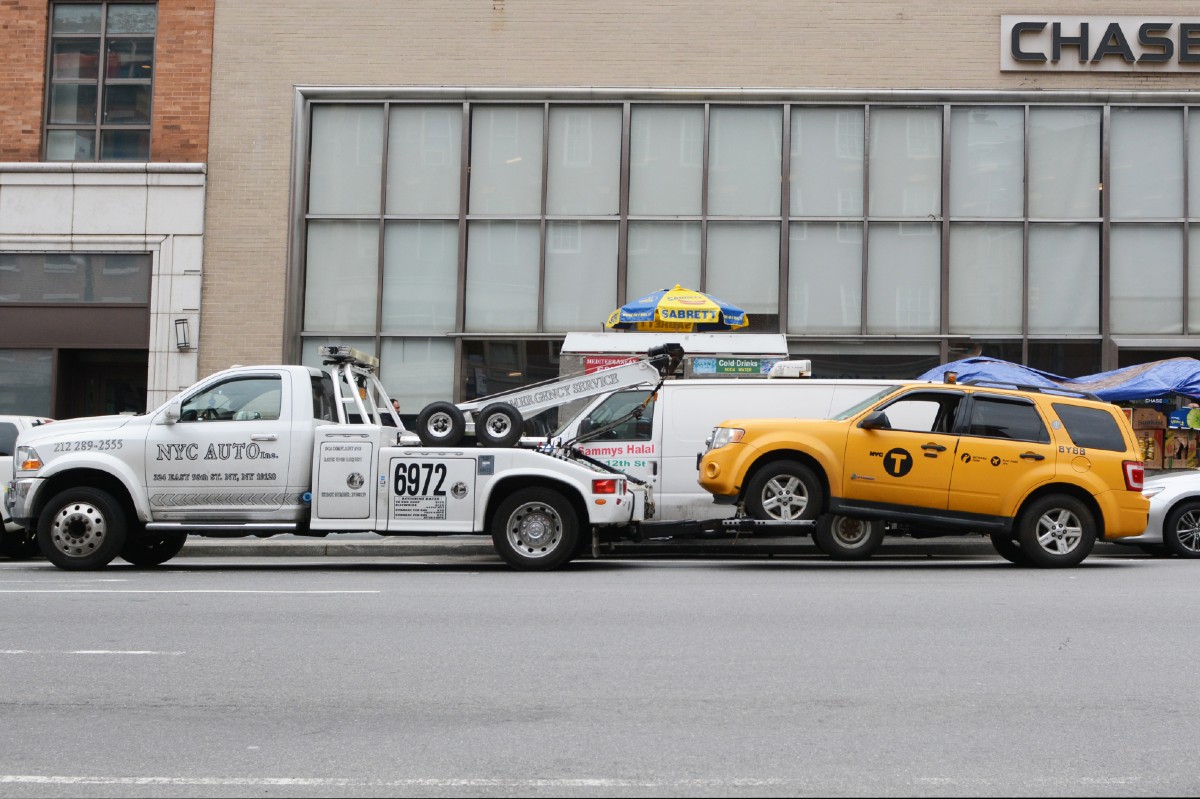
In the United States, a car may be towed because it is parked illegally, blocks traffic, sits on private property without permission, is linked to a police matter, or is subject to repossession. The exact reason depends on who ordered the tow and the laws of the state, city, or county.
A tow can feel sudden and unfair, especially when the owner returns to an empty parking space. The first step is to find out who ordered the tow, where the car was taken, and what must be paid or proved before release.

The main reasons cars get towed
Most tows fall into four groups: law enforcement tows, private-property tows, lender repossessions, and emergency or road-clearance tows.
1. Illegal or unsafe parking
A city or police agency may tow a car that violates parking rules. Common examples include:


- Parking in front of a fire hydrant
- Blocking a driveway, crosswalk, sidewalk, or ramp
- Parking in a bus stop or loading zone
- Stopping in a travel lane
- Parking in a disabled space without a valid permit
- Parking in a no-parking or tow-away zone
- Leaving a car in a temporary event or construction zone
- Parking on the wrong side of the street during street cleaning
- Exceeding a posted time limit
- Parking with expired or missing registration, where local law allows a tow
A parking ticket does not always lead to a tow. A vehicle is more likely to be removed when it creates a safety problem, blocks access, violates a special restriction, or has several unpaid citations.
2. Private-property towing
A property owner or manager may ask a towing company to remove a car from private land. This can happen in:
- Apartment parking lots
- Condominium communities
- Shopping centers
- Restaurants and businesses
- Hospitals
- Office parks
- Gated communities
- Residential driveways
Private lots often use signs that explain parking conditions. A sign may say that parking is limited to customers, residents, permit holders, or visitors. It may also warn that unauthorized vehicles will be towed at the owner’s expense.
The rules vary by state and local government. Some places require clear signs, a waiting period, owner notification, or authorization from the property owner. Other places have different rules for residential lots, commercial lots, and abandoned vehicles.
3. Police or investigative holds
Police may tow a vehicle after a crash, arrest, traffic stop, or criminal investigation. A vehicle may be removed when:
- It is involved in a serious crash
- The driver is arrested and no authorized person can take the car
- The car is stolen or has an unclear ownership record
- It may contain evidence
- It is left on a public road after an arrest
- It is blocking a crime scene or emergency operation
- The vehicle is unsafe to drive
A police hold can prevent the towing company from releasing the car even after the owner pays ordinary towing and storage charges. The police agency must first remove the hold.
4. Unpaid parking tickets or other violations
Some cities and states allow a vehicle to be booted or towed after the owner builds up unpaid parking tickets, toll charges, registration penalties, or other eligible debts.
The rules may include a minimum number of unpaid tickets or a minimum dollar balance. A city might tow the vehicle after warning notices, while another city might use a wheel boot first.


Do not assume that paying the newest ticket will release the car. The agency may require payment of all eligible debt, penalties, towing charges, storage fees, and release fees.
5. Vehicle repossession after missed loan payments
A lender or finance company may repossess a vehicle when the borrower defaults on an auto loan. A missed payment can be enough if the loan contract and state law treat that missed payment as a default.
A repossession is different from a parking tow:
- A lender usually orders it.
- The lender may not need to wait for a court judgment in many states.
- The vehicle may be taken from a driveway, parking lot, or other accessible location.
- The borrower may have rights to cure the default or recover personal property.
- State law controls notice, sale, redemption, and other steps.
The Consumer Financial Protection Bureau explains that borrowers should review their loan agreement and contact the lender quickly after a missed payment or repossession. See the CFPB’s guidance on vehicle repossession.
6. Abandoned, unregistered, or inoperable vehicles
A car may be classified as abandoned if it is left on public property for a set period. A vehicle may also be removed if it has no valid registration, appears inoperable, or has been left after a crash.
The time limit differs widely. Some laws allow faster removal from a highway or private lot. Others require a notice process before a vehicle can be sold or scrapped.
7. Emergencies, weather, and road work
Officials may tow cars to clear roads during:
- Snow emergencies
- Hurricanes and floods
- Evacuations
- Wildfires
- Street repairs
- Utility work
- Parades and public events
- Road construction
- Emergency response
A legally parked vehicle can sometimes be moved during an emergency or official operation. Look for temporary signs, local alerts, and posted emergency parking rules.

Who ordered the tow?
Finding the ordering party is the fastest way to understand what happened. The towing company often stores the car, but it may not have authority to cancel the tow or remove a legal hold.
| Ordering party | Typical reason | First place to call |
|---|---|---|
| Police or sheriff’s office | Crash, arrest, investigation, unsafe vehicle | Police agency or local tow desk |
| City or parking agency | Parking violation, unpaid citations, street work | City parking office |
| Property owner or manager | Private-lot violation | Property manager, then tow company |
| Lender or finance company | Missed loan payment | Lender’s repossession department |
| Highway or transportation agency | Disabled or abandoned vehicle | State or local highway agency |
| Emergency officials | Storm, evacuation, or road closure | City or county emergency information line |
Ask these questions:
- Was my vehicle towed or repossessed?
- Who authorized the removal?
- Where is the vehicle now?
- What is the case, tow, or inventory number?
- What fees are due today?
- Is there a police, court, or investigative hold?
- What documents do I need for release?
- How quickly will storage fees increase?
Give the representative the vehicle identification number, license plate number, make, model, and location where it was parked. If the car was taken after a crash, provide the crash date and approximate time.

What happens after a car is towed?
The process usually has four stages: removal, storage, notice, and release or disposal.


Removal
The authorized party requests the tow. The towing company records details such as the vehicle’s location, condition, license plate, and reason for removal.
If you reach the car before the tow truck leaves, the result may depend on local law and the stage of the tow. Some jurisdictions require a tow operator to release a vehicle before it is fully connected if the owner arrives and pays a drop fee. Other jurisdictions use different rules.
Do not stand behind the truck, grab the vehicle, or argue with the driver in a dangerous area. Ask for the tow company’s name and the agency that ordered the tow.
Storage
The car is taken to an impound yard or towing facility. Storage fees often increase each day, although fee limits and billing rules vary.
The facility may require:
- Government-issued identification
- Proof of ownership or current registration
- Proof of insurance
- A valid driver’s license
- Payment of towing and storage charges
- A release form from police, a city agency, or a lender
Some yards accept cards, cash, or certified funds. Ask about accepted payment methods before traveling to the facility.
Notice
The owner or lienholder may receive a notice by mail. The notice can explain:
- Why the vehicle was removed
- Where it is stored
- The amount due
- The deadline to claim it
- How to request a hearing
- What may happen if it is not claimed
A notice may be sent to the address on the registration. Update your vehicle and driver records if you move.
Release, hearing, sale, or disposal
If the owner meets the requirements and pays the allowed charges, the facility may release the car. If the owner believes the tow was unlawful, the owner may be able to request an administrative hearing or file a complaint.
If the owner does nothing, the vehicle may eventually be sold, transferred, or disposed of under state law. A lender may also sell a repossessed car after giving legally required notices.

How much does a tow cost?
There is no single nationwide towing price. The total may include several charges:
- Hook-up or basic tow fee
- Mileage fee
- After-hours fee
- Administrative fee
- Storage fee
- Lien or processing fee
- Police release fee
- Payment processing fee
- Personal-property retrieval fee
- Auction or disposal charge
A simple example shows why acting quickly matters:
Hypothetical calculation: A $225 tow fee plus $45 per day for three days equals $360 before taxes or other charges.
The actual amount may be lower or higher. Local ordinances, state caps, contracts, and the type of tow all affect the bill.


Ask for an itemized invoice. The invoice should identify the vehicle, date, reason for removal, and each charge. Keep receipts, emails, text messages, photographs, and copies of all notices.
What should you do if your car was towed?
Use this order. It reduces wasted calls and helps preserve your rights.
1. Confirm that the car was actually towed
Check nearby signs and ask the property owner or parking manager. Look for a tow notice or local impound database. Call the non-emergency police number if you cannot identify the towing company.
Before reporting the car stolen, confirm whether it was removed by an agency or tow operator.
2. Find the reason and location
Ask for the exact reason, not just “parking violation.” Write down the agency name, employee name or identification number, case number, tow date, and storage address.
3. Ask about holds and deadlines
A hold can prevent release. Common holds come from police, courts, lenders, or registration agencies.
Ask:
- Who placed the hold?
- What must happen to remove it?
- Is there a hearing deadline?
- When does the vehicle become eligible for sale?
- Can I retrieve personal belongings now?
4. Gather the required documents
Bring the documents listed by the agency or tow yard. If someone else will collect the car, ask whether a signed authorization, power of attorney, or notarized form is required.
Do not drive the car away if you do not have a valid license or insurance.
5. Inspect the vehicle before leaving
Take photos or video of the car’s exterior and interior. Compare its condition with photos taken before the tow, if available.
Check for:
- New dents or scratches
- Missing parts
- Broken windows
- Missing personal property
- Damage to wheels or suspension
- Odometer differences
Sign only for items you understand. Report suspected damage in writing and keep a copy.
Can you challenge a tow?
Sometimes. The right to challenge a tow depends on the reason, the agency involved, and state or local law.
Possible grounds include:
- The vehicle was legally parked
- Required signs were missing or unclear
- The wrong vehicle was removed
- The tow was not authorized
- The city or tow company did not follow notice rules
- The vehicle was released after the violation was corrected
- The fees exceeded a legal limit
- The car was damaged during removal
- The owner was denied a required hearing
A challenge is not the same as refusing to pay. In some places, the owner must pay first to recover the vehicle and then request a refund or hearing. In other places, the owner can contest the tow before paying.


Take clear photos of signs, curb markings, parking meters, nearby restrictions, and the place where the vehicle stood. Record the date and time. Keep the tow notice and itemized bill.
For a private-property tow, contact the property manager and the local agency that regulates towing. For a police or city tow, ask the agency about its administrative hearing process. For repossession, contact the lender and consider speaking with a consumer-law attorney if the lender damaged property, used threats, or violated the loan or state law.
What happens to personal belongings inside the car?
Towing and repossession rules may treat personal property differently. The owner should ask the storage facility for its written process.
Take essential items out as soon as possible, such as:
- Medicine
- Identification
- Work tools
- School materials
- Child safety items
- Legal or financial records
The facility may allow access only during business hours or only after identity verification. Do not enter a restricted yard without permission.
If the car is repossessed, the lender or recovery company may have a process for retrieving personal belongings. Ask for a written appointment and an inventory record.
How can you reduce the risk of a tow?
The best protection is to verify the parking rules before leaving the vehicle.
- Read every nearby sign, including temporary signs.
- Do not assume a public space is available because another car is parked there.
- Keep registration and inspection documents current.
- Use a valid disabled parking permit correctly.
- Pay parking tickets and toll notices on time.
- Get written permission before parking on private property.
- Keep loan payments current or contact the lender before missing one.
- Move the car during street cleaning, snow emergencies, and posted events.
- Save photos of the space when the rules are unclear.
- Keep your mailing address current with the DMV and lender.
A permit, payment receipt, or parking app record can help, but it does not always override a temporary restriction or emergency order.
Common mistakes to avoid
Waiting to call
Storage fees may grow each day. Contact the agency and yard as soon as you know the vehicle is missing.
Paying the wrong party
A tow company may hold the car but lack authority to remove a police or lender hold. Ask who must issue the release.
Assuming payment ends the dispute
Paying to retrieve the car may not prevent a later hearing or complaint. Save all records and ask about the deadline.
Signing an unclear document
Read release forms, damage reports, and payment agreements. Ask for a copy before leaving.
Confronting the tow operator
A disagreement can become unsafe near moving trucks or traffic. Document the facts and use the formal complaint or hearing process.


Ignoring mailed notices
A car can be sold or disposed of after the legal deadline. Open every notice from the city, police agency, towing company, lender, or court.
Key takeaways
- Cars are commonly towed for illegal parking, private-property violations, crashes, police holds, unpaid tickets, emergencies, or abandonment.
- A lender repossession is different from an ordinary tow.
- The towing company may store the car but may not be the party that ordered the removal.
- Find the reason, storage location, fees, holds, and release deadline right away.
- Ask for an itemized bill and keep photos and written records.
- Local and state rules control notice, fees, hearings, personal property, and vehicle sales.
Frequently asked questions
Why was my car towed if I was only parked for a few minutes?
A short parking period may still violate a no-parking, fire-lane, bus-zone, blocking, or emergency rule. Some violations allow immediate towing because the vehicle creates a safety or access problem.
Can a car be towed without warning?
In the United States, warning requirements vary. A tow may occur without a separate personal warning when signs provide notice, the vehicle blocks traffic, police order removal, an emergency exists, or state law allows immediate action. Check the local rule for the exact tow type.
Can a towing company keep my car until I pay?
A towing facility may have a legal right to hold a vehicle for approved towing and storage charges. That right is limited by state and local law. If the charges appear wrong or the car was taken unlawfully, ask about a hearing, complaint, bond, or other release process.
Will a towed car damage my credit?
A standard parking tow does not automatically damage credit. Unpaid towing or storage debt may be sent to collections, depending on the creditor and applicable law. An auto-loan repossession can affect credit reporting and may lead to a remaining balance after the vehicle is sold.
What if the tow yard refuses to release my personal items?
Ask for the facility’s written retrieval policy and document the request. Contact the agency that ordered the tow or repossession company if the yard refuses access. State law may set rules for personal property, especially after repossession.
How long do I have to get my car back?
There is no nationwide deadline. The time may depend on the type of tow, storage rules, notice date, lender action, and state law. Ask for the exact date on which the vehicle may be sold or disposed of.
Conclusion
People’s cars are towed because an authorized party believes the vehicle violates a parking rule, blocks access, creates a safety problem, is linked to an official investigation, sits abandoned, or secures an unpaid auto loan. The reason matters because it determines who can release the car and whether the owner can challenge the action.
Start by identifying the ordering agency, storage location, fees, legal hold, and deadline. Then gather your documents, request an itemized bill, photograph the vehicle, and use the local hearing or complaint process if the tow appears improper.
